History Made in Cleveland: “Man our ship and bring her to life!”
An American-made Naval vessel is commissioned for the first time in Ohio.
 machineryasia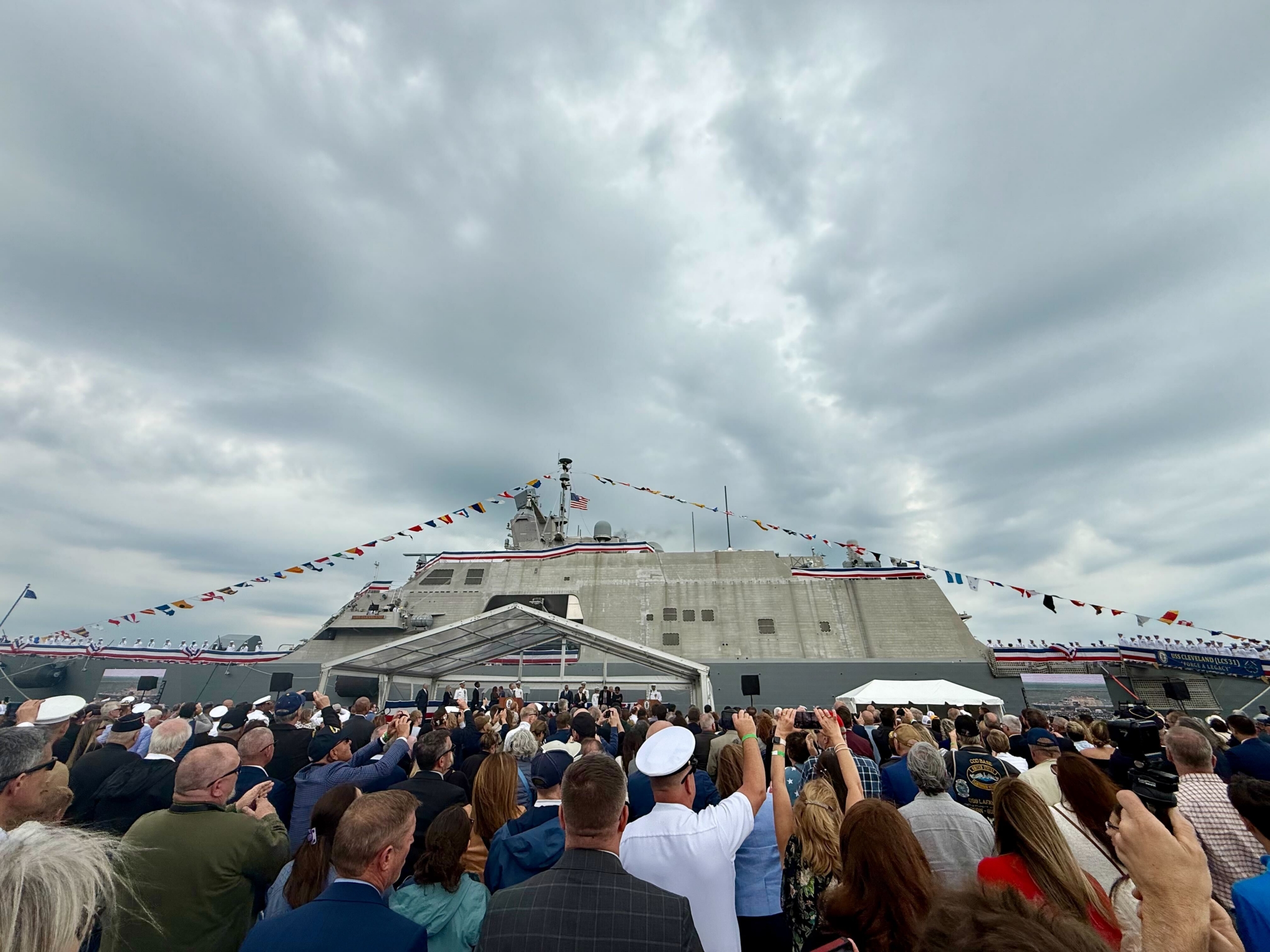
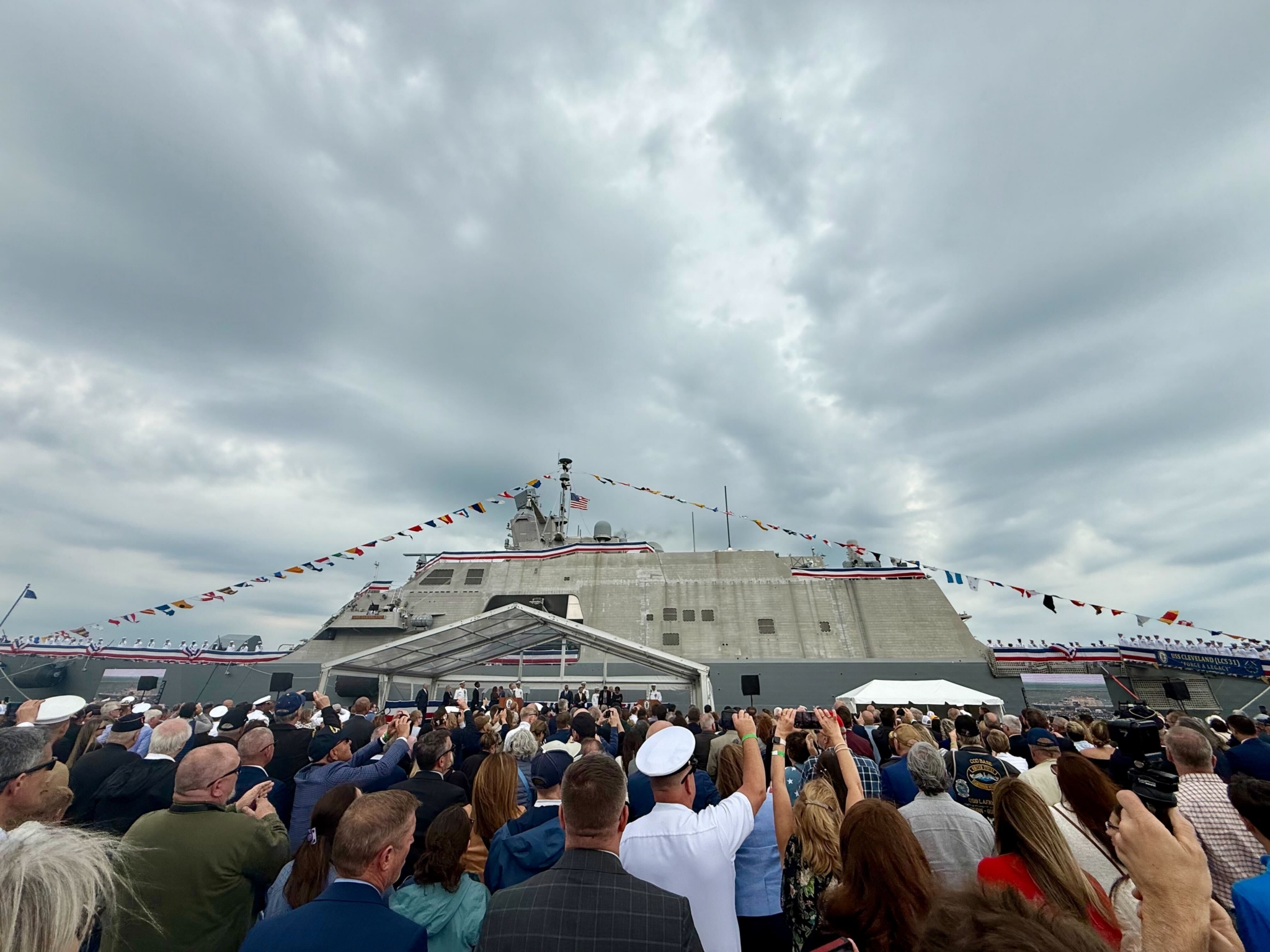
An American-made Naval vessel is commissioned for the first time in Ohio.
On Saturday, I had the honor and privilege of attending the commissioning of the USS Cleveland (LCS-31) in its namesake city. The day was incredibly meaningful for me as both an advocate for a strong defense industrial base and as someone who spent my early years on US military bases as my father served our nation.
Fun fact: A commissioning is an official act that differs from a christening, which takes place before a ship slides into the water for its first voyage and which many people associate with smashing a bottle of champagne (or water from a local river) on the ship’s bow.
This commissioning ceremony did more than bring a ship into active service. It underscored the deep connection between American industrial strength and national security, a point that was made by many of the speakers, including Cleveland Mayor Justin Bibb, U.S. Rep. Shontel Brown and U.S. Senator John Husted.
The commissioning of the USS Cleveland marked the first time in U.S. history that a Navy warship has been commissioned in the state of Ohio. That fact alone makes the event extraordinary. For 250 years, commissioning ceremonies have typically taken place in coastal cities like Boston, Norfolk and San Diego.
Yet here, on the shores of Lake Erie, the Navy brought that tradition into the heart of America’s industrial base. The ceremony followed time-honored rituals, including the command to “man our ship and bring her to life,” symbolizing the transition from construction to active service. These traditions are more than pageantry; they bind generations of sailors, shipbuilders and communities together in a shared mission of service and defense.
The USS Cleveland is more than a warship — it is a testament to American manufacturing. Built by Fincantieri Marinette Marine in Wisconsin, the ship reflects the output of a nationwide industrial network that is still essential to U.S. security. That network runs straight through Northeast Ohio.
The steel plate that forms the backbone of the ship was forged by Indiana steelworkers from Cleveland Cliffs, ensuring that the vessel’s strength begins with American-made materials. Cleveland-based Sherwin-Williams supplied advanced coatings, about 30% of the ship’s total, protecting everything from the hull to fuel tanks. Meanwhile, Parker Hannifin, a Cleveland-based manufacturer, provided essential components that help power and operate the ship.
There are hundreds, even thousands, of such components sourced from the region. Taken together, they prove that America’s defense industrial base is still deeply rooted in our industrial heartland, in cities like Cleveland.
The ship shows a simple but powerful truth: You cannot project power abroad without building strength at home. Moreover, investments in shipbuilding ripple throughout the economy. They support high-wage manufacturing jobs, drive innovation and sustain regional ecosystems of suppliers and engineers. In an era of global competition, industrial capacity is a strategic asset.
Attending the commissioning of the USS Cleveland was a reminder that America’s strength is built from the ground up. It is forged in steel mills, innovated in research labs, assembled in shipyards and brought to life by sailors.
This historic first for Ohio is not just about where the ceremony took place. It’s a vivid reminder of why a strong industrial base and a capable and modern Navy go hand in hand, and why we need to dramatically scale up our commercial and military shipbuilding capacity. We will use it as a fresh call to Congress to pass the SHIPS for America Act and cement the vital link between economic power and national security.
As the USS Cleveland begins its service, it carries more than a crew and a mission. It carries a legacy — one forged by American workers, sustained by American industry and essential to America’s future. I want to thank AAM member Cleveland Cliffs for graciously hosting my presence at this memorable occasion.
As Rep. Brown said, “Cleveland is a city that knows how to build things that last.” It’s true in so many ways. The USS Cleveland Legacy Foundation has already planned for the day, 30 or more years from now, when the USS Cleveland will return to the city and be open to the public to explore our naval heritage.