The U.S. Auto Market Wasn’t Opened During Trump’s China Visit
Lawmakers remain adamant the auto market shouldn't be opened up. Will there be another go-around if Xi Jinping visits Washington in September?
 machineryasia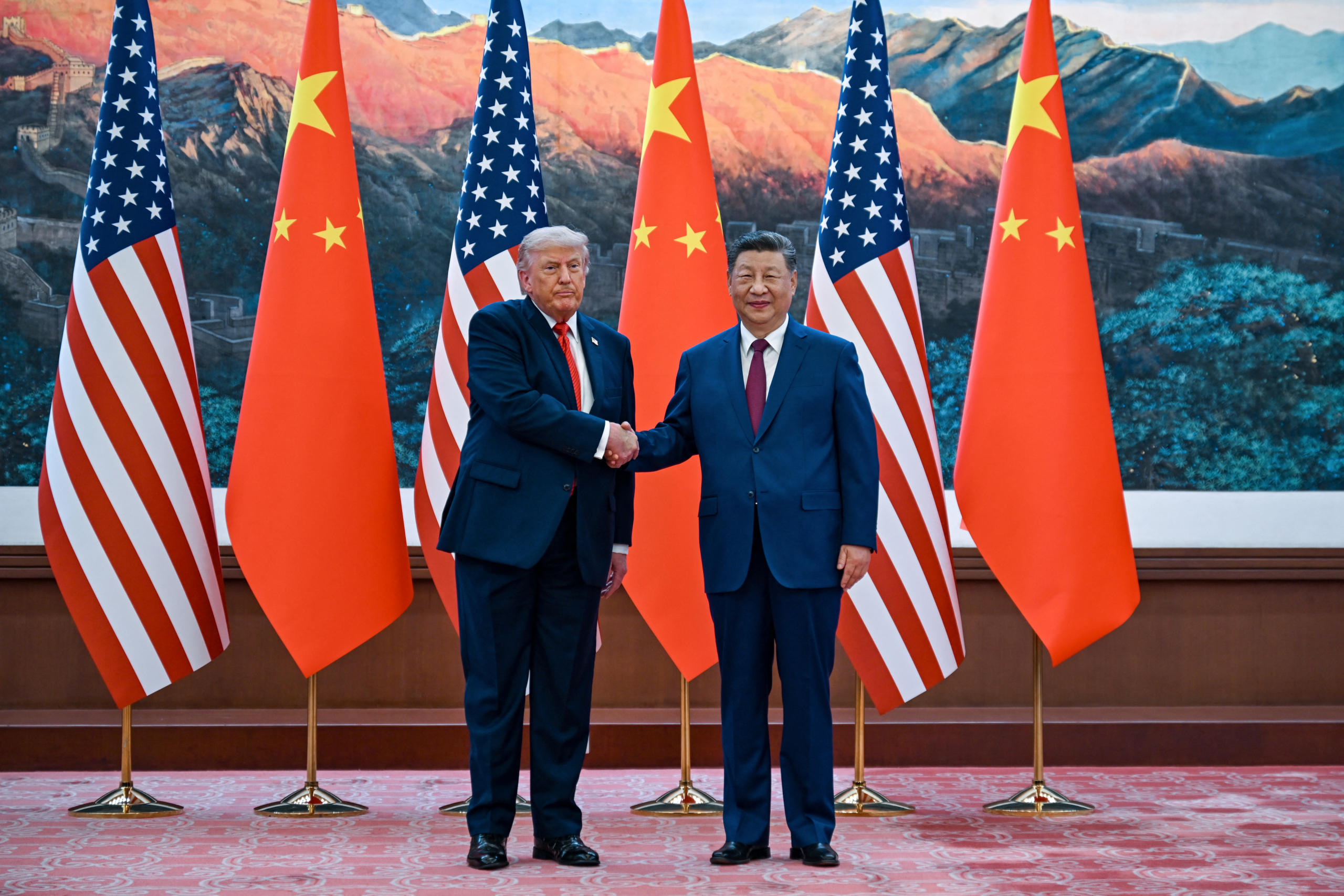
Lawmakers remain adamant it shouldn’t be. Will there be another go-around if Xi Jinping visits Washington in September?
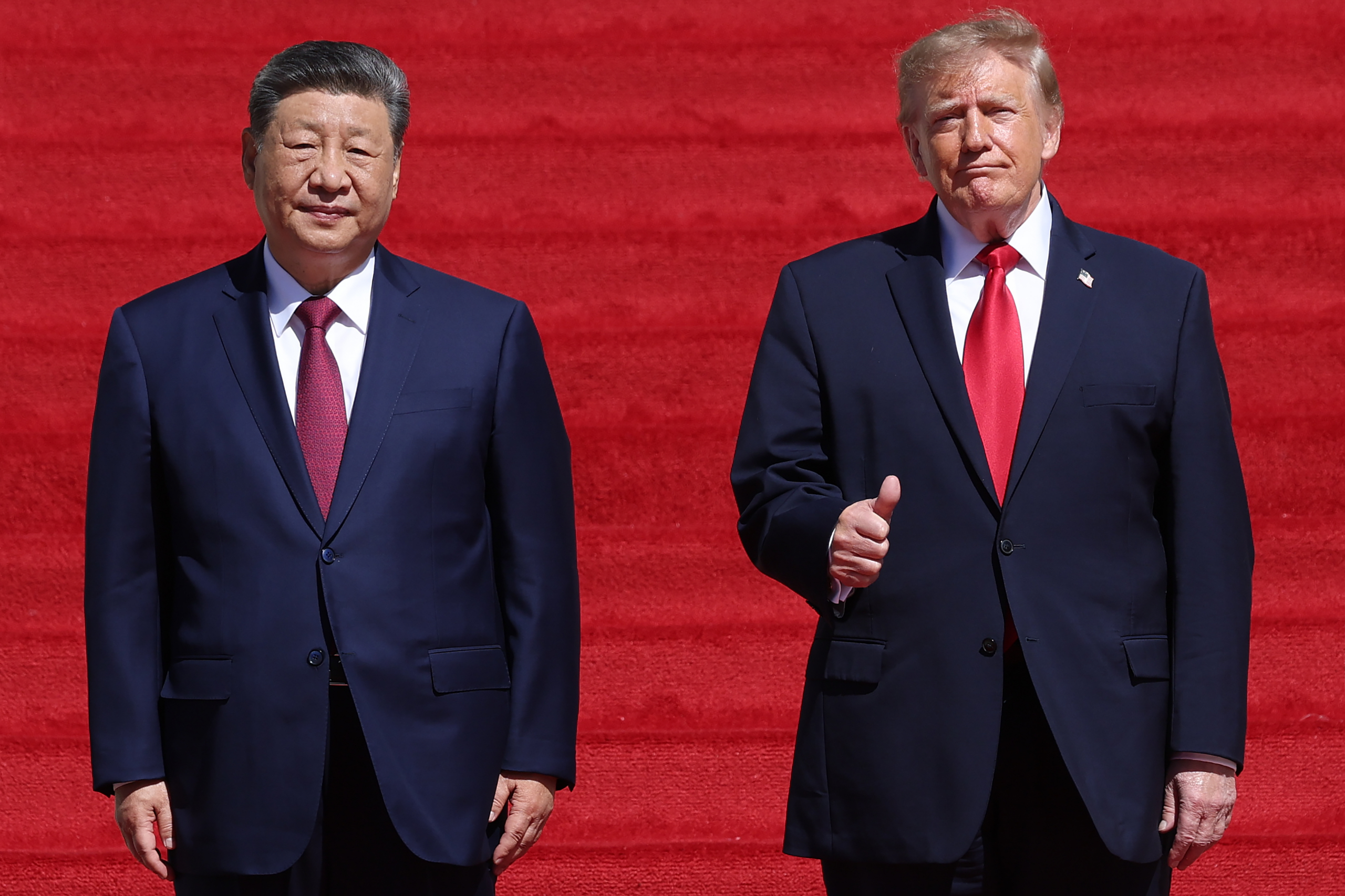
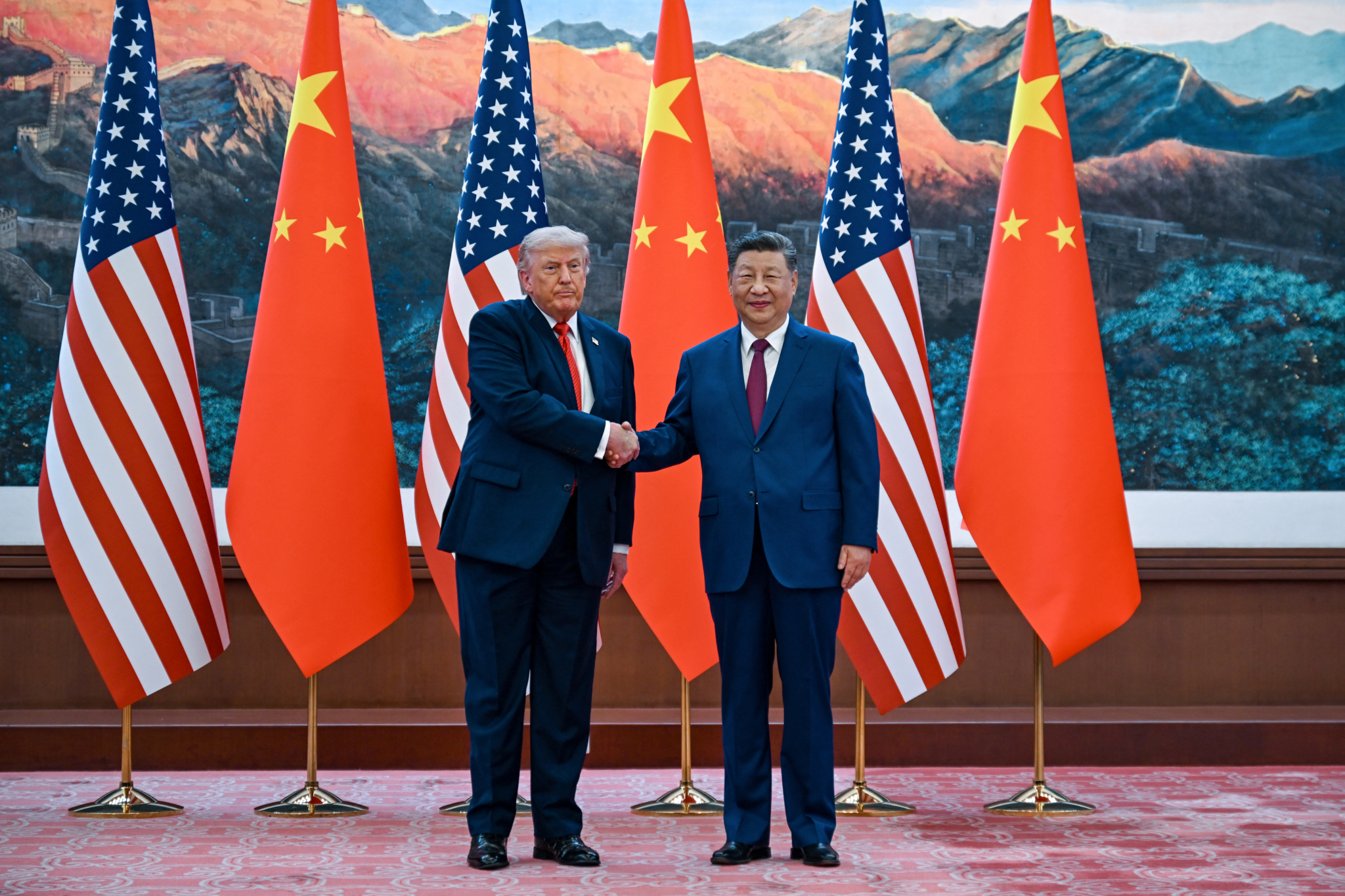
President Trump has returned from a state visit to China, and American auto market access was not traded away in a bilateral deal.
That’s a good thing for the millions of Americans who work for domestic automakers and along their supply chains, as well as the U.S. industrial base writ large, and credit where it’s due: Senior administration officials in the weeks leading up to the trip insisted autos weren’t on the table. And we haven’t heard otherwise in the readouts of the summit’s meetings. In fact, outside of the billions of dollars of soy and beef that China has agreed to buy (no doubt a boon to the American farm economy), we haven’t heard details about many deals at all. Chinese officials, for instance, have not confirmed Trump’s announcement that they’ve agreed to buy hundreds of Boeing planes.
Still, the president traveled to Beijing with a herd of prominent business executives, and they presumably weren’t along for fun. No, they were there to cut deals. And, with Chinese President Xi Jinping tentatively scheduled for a September visit to Washington D.C., they’ve got another shot at dealmaking already queued up.
This is all a way of saying the chapter may be over but there’s plenty of book left. Lest we forget: Trump is the dealmaker in chief and appears to want to develop a rapport with Xi. That’s why some lawmakers – like the leadership of the Congressional Steel Caucus in the U.S. House of Representatives – are still urging the administration to “reject any proposal that lowers barriers to access for Chinese automakers into American markets or would allow Chinese automakers to enter the U.S. market through joint ventures, partnerships, licensing arrangements, or other collaborative structures with U.S. or third country firms.”
In a letter sent to administration officials after the visit had largely concluded, Caucus Chairman Rick Crawford (R-Ark.) and ranking member Frank Mrvan (D-Ind.) draw a line between the health of the domestic auto industry and the health of the domestic steel industry:
“Across all domestically produced steel products, the automotive sector represents more than 20 percent of demand, and steel comprises about 54 percent of an average vehicle by weight. This sector supports millions of good-paying, family-supporting American jobs across a vast network of critical supply chains from research and development facilities to steel mills to assembly lines. Protecting these industries from unfair Chinese intervention is vital to our workforce and to U.S. economic and national security.”
The Alliance for American Manufacturing (AAM) echoes the concerns raised by the caucus. Said AAM President Scott Paul:
“Allowing Chinese automakers to gain access to the U.S. market directly or through joint ventures would hollow out America’s supply chains and undermine our ability to produce steel and other critical materials here at home. The Congressional Steel Caucus is right to draw this line, and the administration should use every available authority to protect domestic manufacturing and our national security.”
You can read the full letter here. And don’t forget: There is a legislative proposal that would codify the Commerce Department rules banning the import of Chinese-made connected vehicles, hardware and software. Have you told your elected representatives to support it? Click the link below: