This Steel Mill Built America
Celebrate America 250 by diving into the history of the industry that shaped our nation. Philadelphia’s Liberty Bell, New York City’s Statue of Liberty, and Virginia’s Colonial Williamsburg are getting plenty of love as America reflects on our nation’s 250th […]
 machineryasia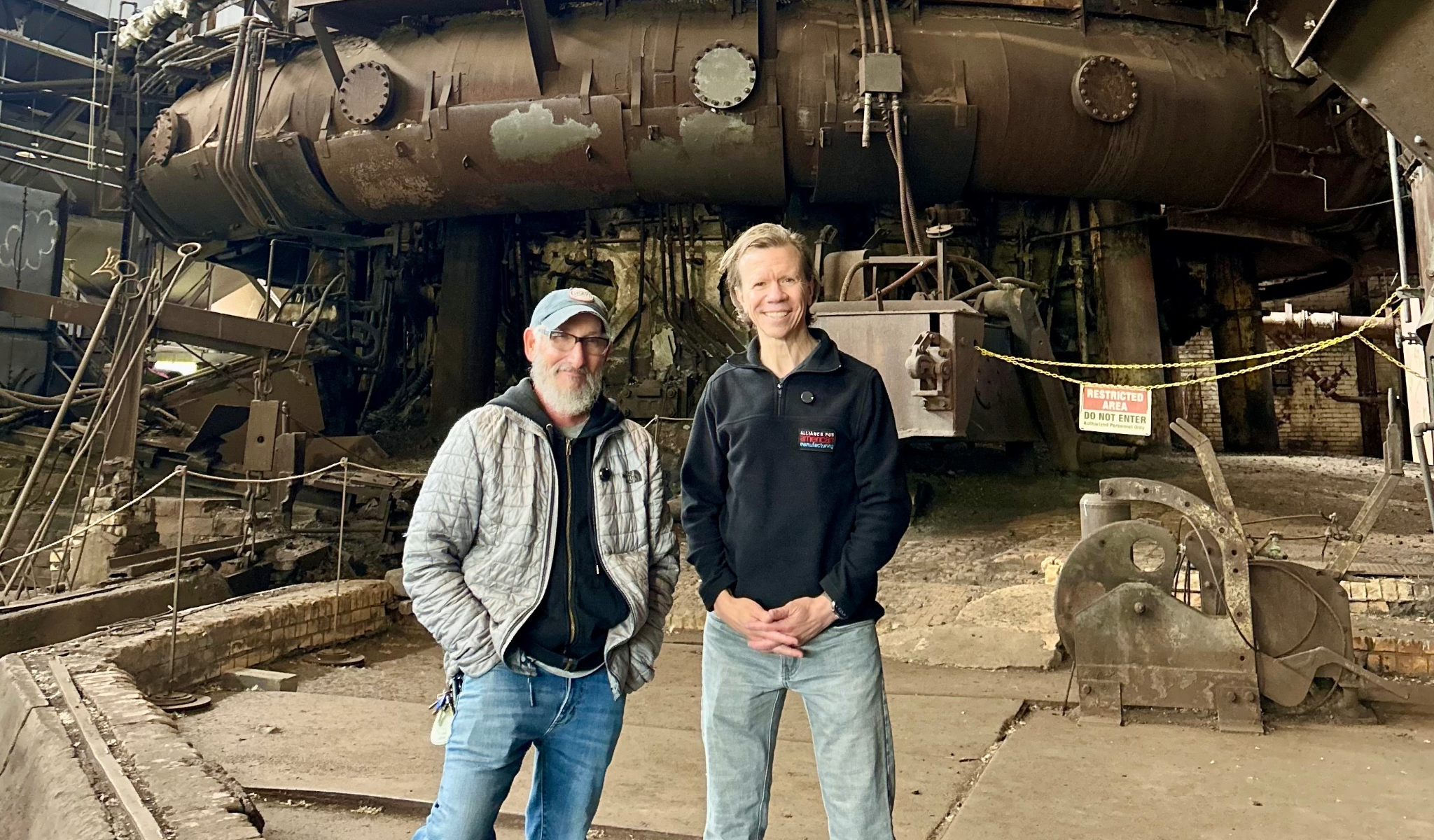
Celebrate America 250 by diving into the history of the industry that shaped our nation.
Philadelphia’s Liberty Bell, New York City’s Statue of Liberty, and Virginia’s Colonial Williamsburg are getting plenty of love as America reflects on our nation’s 250th birthday, but we’re shining a light on our industrial history. The hardworking men and women who built our nation in factories around the country are as important to our history and future as any historical figure.
Ahead of the release of the second episode of The Manufacturing Report’s special American Manufacturing 250 podcast series, join Alliance for American Manufacturing President Scott Paul as he reflects on the legacy and future of American steel
What does a relic of the past tell us about America’s future? A lot, it turns out, as I recently learned from a visit to the Carrie Blast Furnaces National Historical Landmark in Pittsburgh, Pa.
I was there for a conversation and tour with Ron Baraff, the Director of Historic Resources and Facilities for the non-profit Rivers of Steel Heritage Corporation, which operates the Carrie site. Ron has been doing this since 1998, and he is a true gem: That rare human who is an approachable font of knowledge.
The Carrie Furnace was built in 1884 and provided iron for the massive Homestead Steel Works, located just across the Monongahela River. Built in 1881 and purchased by Andrew Carnegie in 1883, Homestead was for many years the largest steel mill in the world. It was also the site of one of the most violent actions against workers in the United States, the 1892 Battle of Homestead. When Carnegie joined forces with financier J.P Morgan, Charles M. Schwab, and Elbert H. Gary to form U.S. Steel in 1901, Homestead and Carrie continued to grow. Employment reached a peak of 15,000 during World War II, when the facility made the steel that helped the United States secure victory. Employment declined in the post-war period and dropped steeply in the 1970s and early 1980s, due partly to import competition. The last operations at Carrie closed in 1984, and the Homestead mill across the river was shuttered two years later.
The two blast furnaces (numbers 6 and 7) that remain at Carrie tower above the river. Ron and his colleagues regularly give tours of the grounds, and the site is a popular wedding destination. Cleaning up the site took decades of patient and persistent work before it could be converted to historical use. Today, groups of students can learn about the region’s industrial heritage and how it shaped the world we live in today.
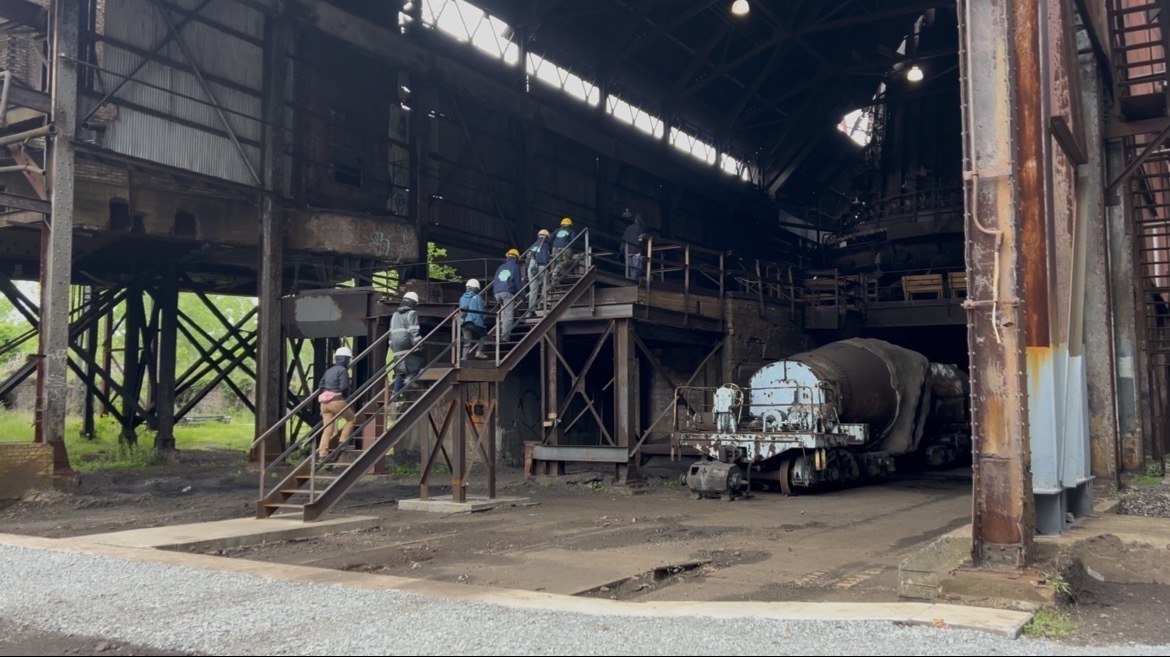
The steel produced in the mills in and around Pittsburgh built everything imaginable in our nation throughout the 20th century: Our skyscrapers and bridges, automobiles and appliances, our modernity and strength. As important as that may be, Ron takes care to emphasize the humanity imbued in the site. The communities created around the mill, first filled with arrivals from Europe, later shaped by the Great Migration of black workers from the South. The sweat and toil of workers in difficult and many times dangerous conditions. The wealth that union representation brought to several generations of workers, forming a booming middle class. The pain and poverty of layoffs as cheaper imports flooded the market.
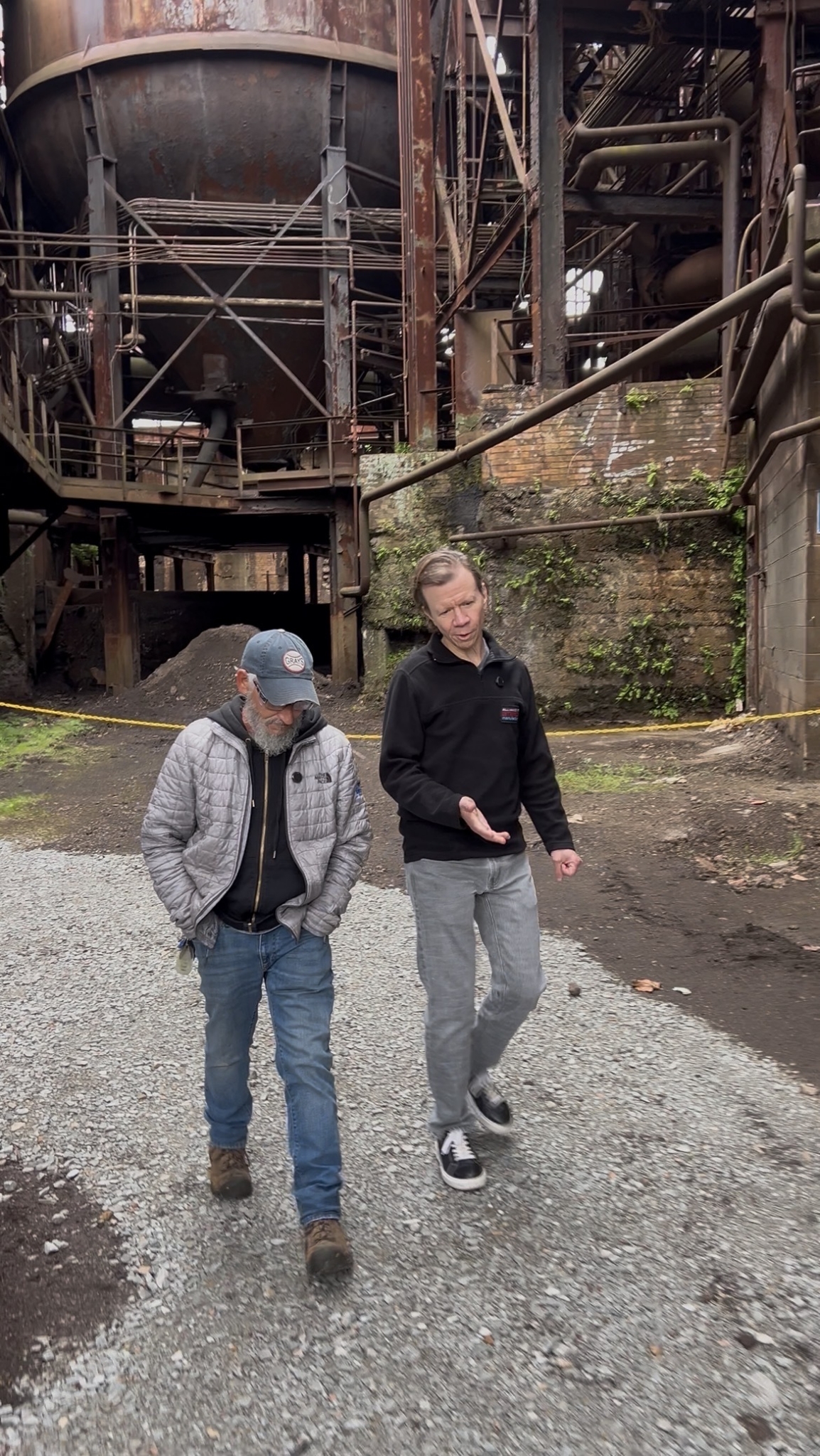
Ron reminds me that Pittsburgh’s industrial history started well before those steel mills. The city built more than half of the Union Army’s cannons during the American Civil War. That was no accident. The city’s location, with river transportation, coal, and other material close by, made it a national production hub for more than 150 years until those imports started rolling in.
In my line of work, I see a lot of claims about manufacturing and steel today: it’s a relic of the past, let some other country make it, we’re in a digital world, etc. And it would be easy for these critics to visit a place like Carrie and feel validation.
I saw the opposite.
If our nation wants to make things, we can do it. We have knowledge and resources. But if our trade and economic policies actively incentivize imports and shipping jobs overseas, that’s exactly what we’ll get.
There’s an example just down the road from Carrie that makes my point. U.S. Steel’s Edgar Thomson works has been making steel since 1875. It was Andrew Carnegie’s first “Bessemer process” facility. And guess what? It’s still making steel today. And it will be making steel tomorrow, as well, thanks to at least $2 billion in new investments made by the company to build a new hot strip mill that will increase volume and competitiveness.
No company would make a capital investment like that if they believed a new deluge of steel imports was on the horizon. Since 2018, through both Republican and Democratic administrations, most imported steel has been subject to tariffs ranging from 25 to 50 percent. That tariff is spurring a 21st century boom in steelmaking.
I’ll never forget a visit I made to Edgar Thomson with a busload of progressive bloggers and writers back in 2009. To a person, they came to understand that the Steelworkers in the mill didn’t feel like these jobs are dead ends, but rather new beginnings. Ladders to the middle class. Health and retirement security. Making something that matters. Hard work, but worth it.
We live in the age of artificial intelligence, some say, but look around you: You’ll see steel everywhere, hidden in plain sight. There is no question that we’ll need plenty of steel in the future. The only question will be: who is making it? Let’s give the workers at Edgar Thomson and around the nation a chance.
There is much wisdom to absorb at the Carrie Blast Furnace. Looking up at the towering structures, I could feel the heat, see the smoke and steam, hear the booms and chatter of workers from times past. I was grateful to learn so much from Ron Baraff, and I trust you will, as well. This is a Manufacturing Report episode rooted in our history, but with an eye towards what is possible tomorrow.
Paul’s visit to the Carrie Blast Furnaces National Historic Landmark will air on The Manufacturing Report podcast this Monday, June 15. Watch on YouTube or listen wherever you find your podcasts (Spotify, Apple Podcasts, SoundCloud, and Simplecast).
Missed the first part of The Manufacturing Report’s American Manufacturing 250 series? Catch our visit to the first American factory in the video below!