Market volatility is reshaping equipment decisions: war shocks oil $100+ turns heavy equipment into a risk problem
Ritchie Bros is describing in its note on equipment markets that the real story for construction, mining, agriculture and transport is diesel volatility. Oil back above $100 a barrel. At the same time, diesel has been the pressure point. US average retail diesel moved above $5 per gallon, with Reuters describing it as only the […] Market volatility is reshaping equipment decisions: war shocks oil $100+ turns heavy equipment into a risk problem published on The HeavyQuip Magazine.
 machineryasia
Ritchie Bros is describing in its note on equipment markets that the real story for construction, mining, agriculture and transport is diesel volatility.
Oil back above $100 a barrel. At the same time, diesel has been the pressure point. US average retail diesel moved above $5 per gallon, with Reuters describing it as only the second time in history the US average has crossed that threshold. The same reporting estimates the disruption has knocked out 10% to 20% of global seaborne diesel supply at points, a brutal number for any sector that lives on fuel burn and freight. 
“When operating costs become unpredictable, businesses start looking at how efficiently their equipment fleets are performing,”
says David Fanning, Marketing Director at Ritchie Bros.
International, in the company’s commentary shared with HeavyQuip. In plain terms: in a fuel shock, fleet strategy stops being a procurement topic and becomes a survival one.
Why the Iran conflict hits equipment harder than most oil shocks
The Strait of Hormuz is not a distant geopolitical trivia question. It is a throttle on the global energy system, and the current crisis has exposed how hard it is to “solve” that problem with warships and press statements.
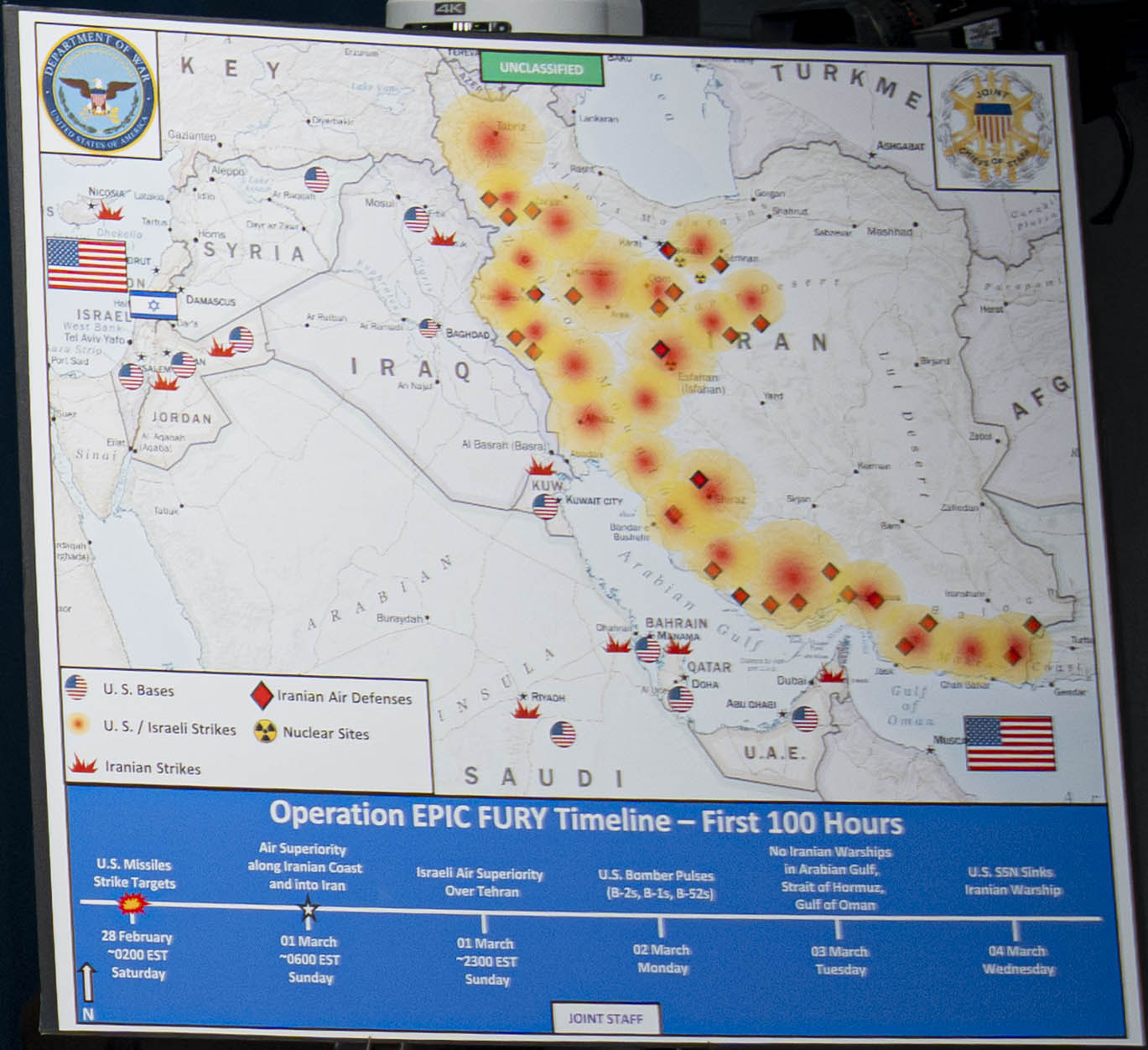
The International Maritime Organization’s Secretary-General warned that naval escorts cannot guarantee safe passage, calling military protection an unsustainable long-term fix as shipping activity collapses. Even with some tankers “starting to dribble through” again, the market is still trading the risk premium, because insurers, shipowners, and refiners respond to danger faster than diplomats can negotiate a corridor. 
higher fuel costs push assets into motion, Ritchie Bros says
Ritchie Bros’ core point is that volatility forces decisions. Their note lays out the pattern fleet owners know well:
• Review under-used or costly-to-run assets when diesel makes every idle hour painful.
• Upgrade selectively to newer, more fuel-efficient machines, if the work pipeline is strong enough to justify it.
• Divest to unlock liquidity when operating costs spike unexpectedly and capital is stuck in iron.
In Ritchie Bros’ words, periods like this “frequently lead to increased activity in the used equipment market as businesses rebalance their assets.” That matters because it changes supply dynamics quickly: more late-model units can hit the secondary market, but the most efficient configurations can still command a premium if buyers are chasing lower cost per hour.
Diesel is only the first invoice
Ritchie Bros also flags a second channel that gets missed in construction-only coverage: fertilizers and DEF.
Urea is a key nitrogen fertilizer, and its production is energy intensive. When energy prices surge, fertilizer pricing often follows, adding pressure on farm balance sheets and delaying new equipment purchases. That pushes demand toward quality used tractors, combines, sprayers and material handlers, especially when cash has to be reserved for inputs.
Then there is DEF. Urea is a core ingredient in Diesel Exhaust Fluid, used across modern on-road and off-road engines. So the same urea squeeze can lift DEF costs, stacking another line item on top of diesel. Reuters’ reporting on the current crisis makes clear diesel is already the macro threat, raising freight and manufacturing costs and feeding inflation fears. DEF is the quiet add-on that irritates fleet managers daily. 
Governments can release oil, but they cannot release certainty
The International Energy Agency has said it can release more emergency stocks if needed. A record coordinated release has already pulled down roughly 20% of reserves, with about 1.4 billion barrels still available, according to IEA chief Fatih Birol. 
Spain, for example, has approved releasing up to 11.5 million barrels over 90 days as part of the broader IEA effort. 
That can calm the spike. It does not remove the core problem for equipment owners: the strait’s status is a daily headline, and contracts get priced on expectations, not on strategic reserve theory.
What this does to the heavy equipment market in practice
1) Bid pricing and project risk get rewritten
Contractors can swallow high diesel. They cannot swallow unpredictable diesel. When fuel swings fast, fixed-price work becomes a gamble. Expect more fuel escalator clauses, tighter terms on haulage, and more pressure on subcontractors who cannot hedge.
2) Fleet mix shifts toward efficiency and flexibility
Ritchie Bros is already seeing customers “exploring different ways to optimise their fleets,” including selling strategies that prioritise speed, liquidity and price certainty. In their note, they highlight Purchase and Guarantee-style options designed to secure a minimum outcome for sellers while keeping upside if demand runs hot.
That kind of language lands because the alternative is ugly: carry a fleet through a fuel spike, watch utilisation wobble, then sell later into a weaker market.
3) Used equipment volumes can rise, but not evenly
In a volatility cycle, you often see two simultaneous moves:
• More equipment offered for sale by owners trying to free up cash and reduce exposure.
• More demand for the “right” used equipment: late-model, efficient machines with good maintenance history.
So prices do not simply fall. They spread. Average units soften, good units hold.
4) Transport and logistics drag down everything else
The diesel surge is already hammering truckers and pushing surcharges through supply chains. The Wall Street Journal reported a record weekly jump in US diesel prices earlier this month and described knock-on impacts for retailers and manufacturers. 
The Financial Times also reported US diesel up sharply over a month, stressing trucking and agriculture in particular. 
For heavy equipment, that means higher delivered costs for parts, consumables, tires, GET, and even machine transport between sites.
Market volatility is reshaping equipment decisions: war shocks oil $100+ turns heavy equipment into a risk problem published on The HeavyQuip Magazine.






![[Job Story] UK-Based Equipment Hirer Upgrades Fleet With Three New JCB Electric Forklifts](https://www.heavyquipmag.com/wp-content/uploads/2024/10/JCB_35-22E_Teletruk_1.jpeg)