Why Changsha’s CICEE matters to the heavy equipment market as China’s innovation push sets the pace into 2027
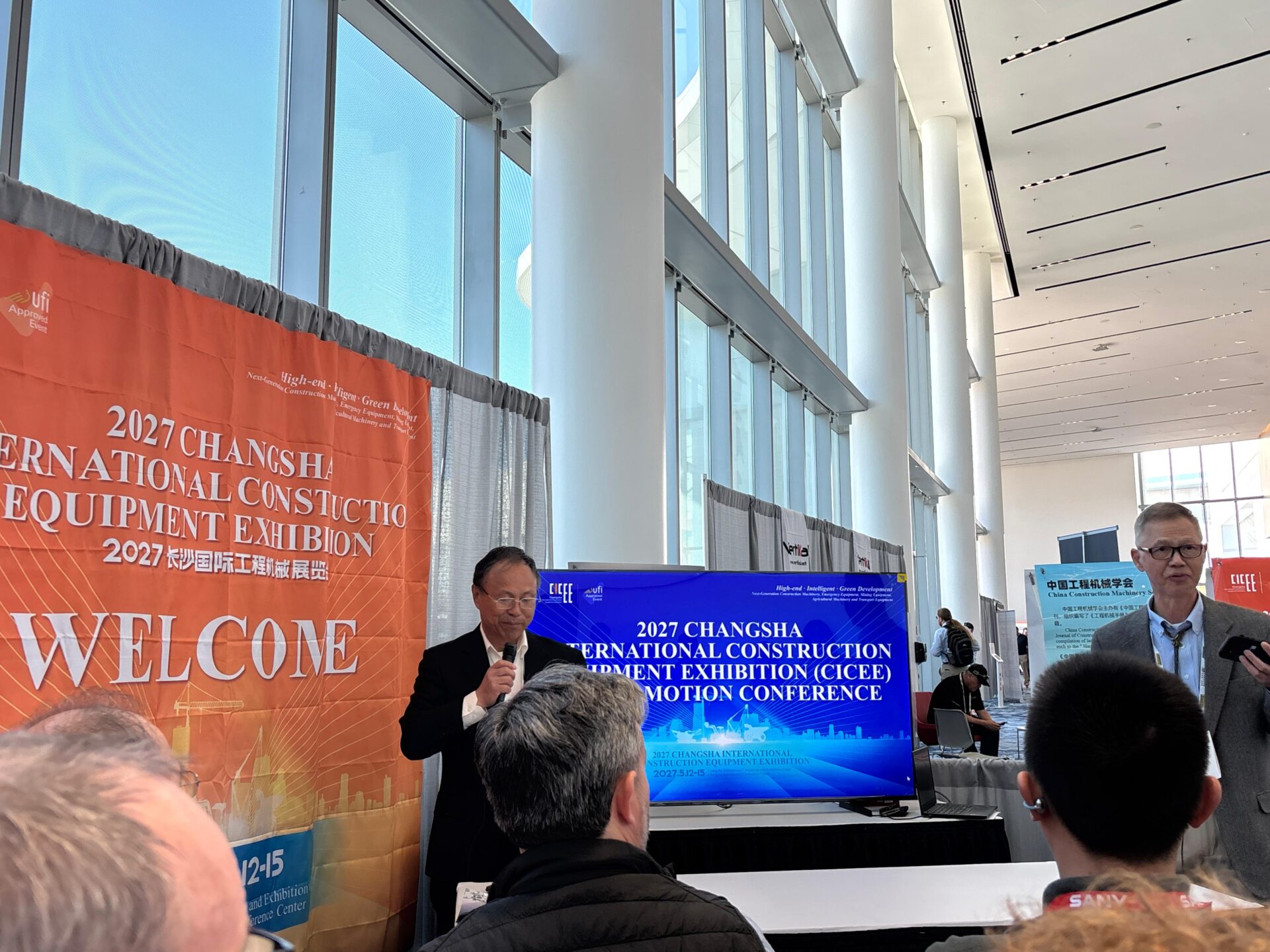
In Las Vegas, during the CONEXPO-CON/AGG week, a quieter meeting took place on March 5, 2026. It was a promotion event for Changsha’s next Changsha International Construction Equipment Exhibition, CICEE 2027, with delegations and industry groups from more than a dozen countries in the room. “Building Global Partnerships.” That phrase can sound like trade-show wallpaper. […] Why Changsha’s CICEE matters to the heavy equipment market as China’s innovation push sets the pace into 2027 published on The HeavyQuip Magazine.
 machineryasia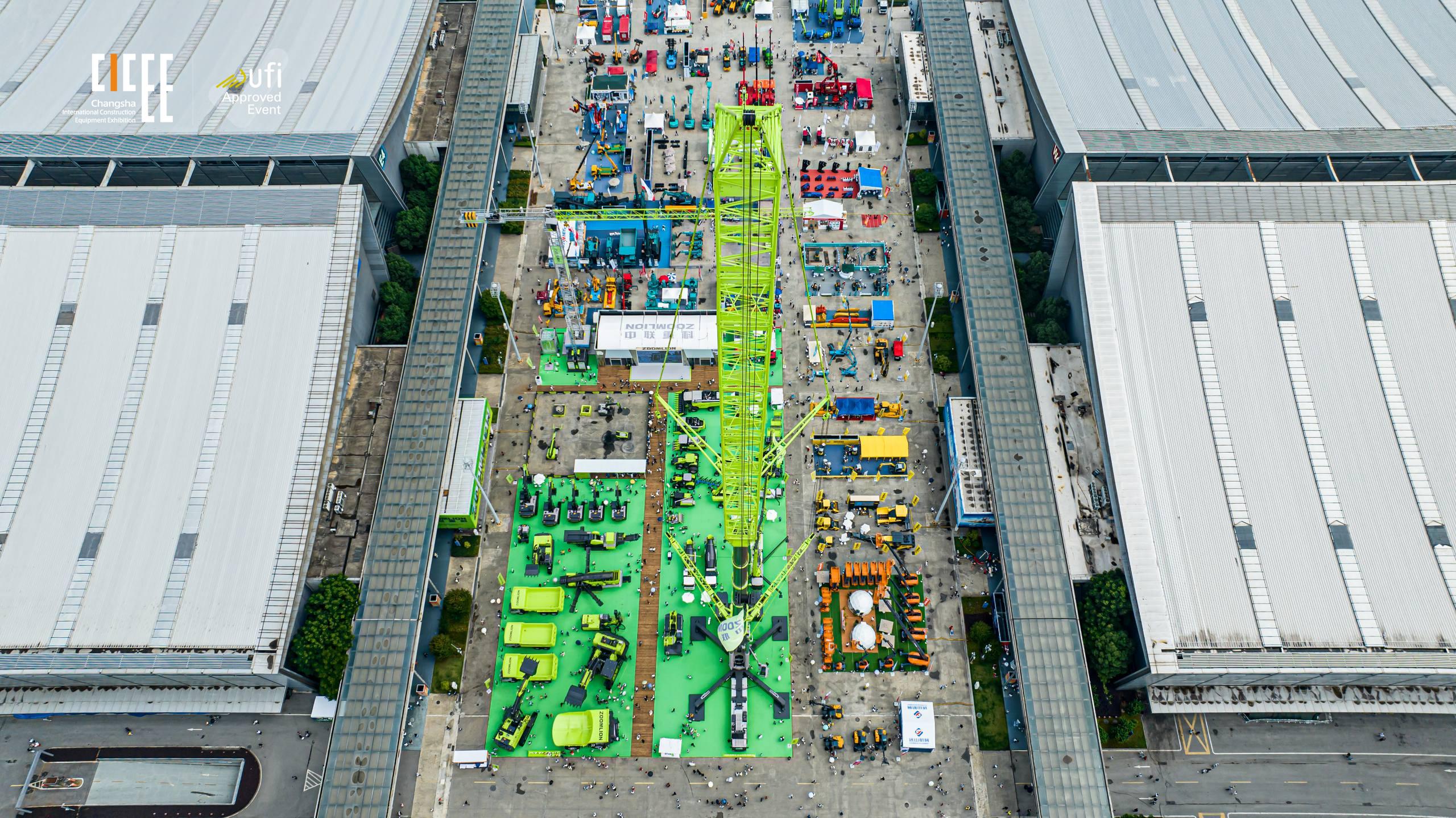
In Las Vegas, during the CONEXPO-CON/AGG week, a quieter meeting took place on March 5, 2026. It was a promotion event for Changsha’s next Changsha International Construction Equipment Exhibition, CICEE 2027, with delegations and industry groups from more than a dozen countries in the room.
“Building Global Partnerships.” That phrase can sound like trade-show wallpaper. Here, it points to something more concrete: Changsha is trying to turn its home show into a working node in the global equipment calendar, not just another regional exhibition with international branding.
And the timing matters. The buying cycle that will define 2028 fleets is being shaped now by three pressures: a faster technology shift, stricter emissions expectations, and tighter margins that reward productivity per hour. Changsha is positioning CICEE right in the middle of that.
Changsha is not a neutral venue.
If you land in Changsha for CICEE, you are not visiting a show in a random convention city. You are stepping into one of China’s densest construction machinery clusters, built around major OEMs and an ecosystem of suppliers, component makers, software teams, and test facilities.
China Daily described Changsha as a focal point for innovation, citing the presence of companies like Zoomlion and SANY and placing the city’s equipment sector in the context of a wider, policy-backed drive toward higher-value manufacturing.
There is also a formal industrial-policy layer to this. National and provincial planning in China has leaned hard on “innovation-driven development” and on upgrading high-end equipment manufacturing, including intelligent and advanced machinery. That language shows up across the 14th Five-Year Plan materials and related policy summaries.
So when CICEE tells visitors it is about “High-End, Intelligent, and Green Development,” it is not only a theme. It is a mirror of where local industry and national policy are already pushing capital and engineering talent.
The numbers matter, but the pattern matters more
CICEE’s scale is now hard to ignore. Independent industry reporting on CICEE 2025 put the event at 1,806 exhibitors, 300,000 square meters, and over 300,000 visitors from more than 60 countries and regions.
HeavyQuip’s own coverage of the 2025 edition reported similar figures and framed the show as a place where China’s export ambitions and product maturity were becoming easier to see in one walk.
For 2027, the organizers say the show will run May 12 to 15, 2027 in Changsha, again targeting an exhibition area exceeding 300,000 square meters, and projecting 2,000+ exhibitors, 400+ OEMs, and 150,000 registered professional visitors, with strong participation expected from global top manufacturers.
Those forward-looking figures are, by definition, claims. The more useful point is the direction: CICEE has moved into the small group of shows where global OEMs, dealers, and rental players can justify the travel because the crowd is large and the local industry base is real.
The real angle for 2027: China’s innovation push is changing what “new iron” looks like
The heavy equipment market is used to incremental change: a new cab, a new hydraulic option, another generation of emissions aftertreatment.
China’s push is different in feel. It is a combination of manufacturing scale and a deliberate push into electrification, automation, and connected jobsites. That is where Changsha becomes strategic.
For international buyers, that matters because the competitive comparison is shifting. It is no longer only about purchase price and steel. It is about:
-
energy strategy (diesel, hybrid, electric, charging logistics)
-
software and telematics as standard, not optional
-
automation features that reduce cycle time and smooth operator variability
-
service models that look more like fleet management than parts selling
CICEE’s planned “Smart Jobsite” demonstration zone, and its emphasis on “Full-Chain Intelligent Connectivity,” fits this narrative. The point is not the slogan. The point is that Changsha is trying to stage these ideas in a way that feels like a working environment, not a brochure.
That is worth paying attention to because it hints at what Changsha wants CICEE to become: a connector between markets that do not naturally share information well due to language, time zones, and travel costs.
If that alliance turns into an active pipeline for technical forums, delegations, and standards talk, it makes the show stickier for international players. If it stays symbolic, it will fade. Either way, it is a sign the organizers understand the problem: global equipment trade is no longer only about exporting machines. It is about exporting support, data practices, and trust.
What makes CICEE strategically interesting for HeavyQuip readers
A plain way to put it: Changsha gives you a concentrated view of where China is steering construction machinery, and that helps you understand what the global market may be buying by 2028.
Three reasons it is worth covering seriously:
-
It is a window into the “China stack”
Hardware, electrification, software, attachments, and supply chain partners in one place, inside the manufacturing region that builds a lot of it.
-
It is a buyer-meets-exporter crossroads at the direct source
The organizer push toward delegations from Belt and Road markets is not incidental. It matches where equipment demand is growing and where Chinese brands are competing hardest on total package, not only price.
-
It shows what “innovation” looks like when it is industrial policy
Changsha’s story sits inside a national push that has elevated innovation as a central development goal, backed by rising R&D spending and a stated focus on advanced manufacturing and intelligent systems.
Why Changsha’s CICEE matters to the heavy equipment market as China’s innovation push sets the pace into 2027 published on The HeavyQuip Magazine.