That Hardwood Court Under The March Madness Game You’re Watching is American-made
In Michigan's Upper Peninsula, Connor Sports manufacturers between 8- and 10-million square feet of basketball flooring per year.
 machineryasia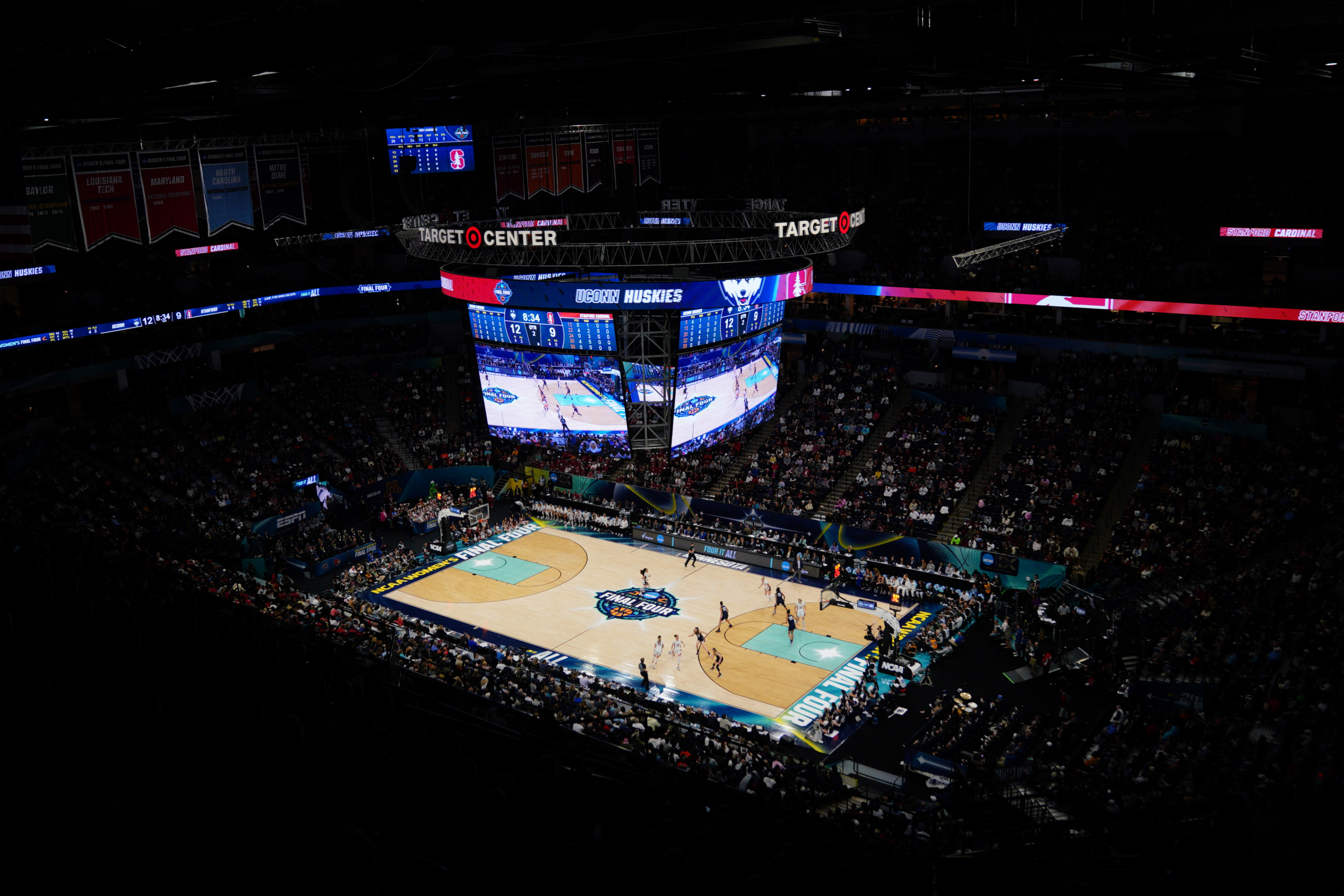
In Michigan’s Upper Peninsula, Connor Sports manufacturers between 8- and 10-million square feet of basketball flooring per year.
There is a tiny town in the Upper Peninsula of Michigan that plays a prodigious part in the NCAA basketball tournament, which gets underway today at locations across the United States.
Crystal Falls, Michigan, with a population of 1,598 residents, is home to Connor Sports, a 153-year-old company that manufactures the numerous hardwood basketball courts in play during March Madness.
What started out as a wood furniture manufacturer in 1872, Connor Sports, over the past 20 years, has become an industry leader in hardwood basketball court construction. From local elementary schools to NBA arenas, Connor Sports has provided precise playing surfaces for a nation of gym rats.
The company’s manufacturing facility is located where the lumber is; in rural outposts inhabited by what are affectionately known as Da Yoopers, as in U.P. or Upper Peninsula. Connor Sports also sources hardwood from Northern Lower Michigan, Northern Wisconsin and Minnesota.
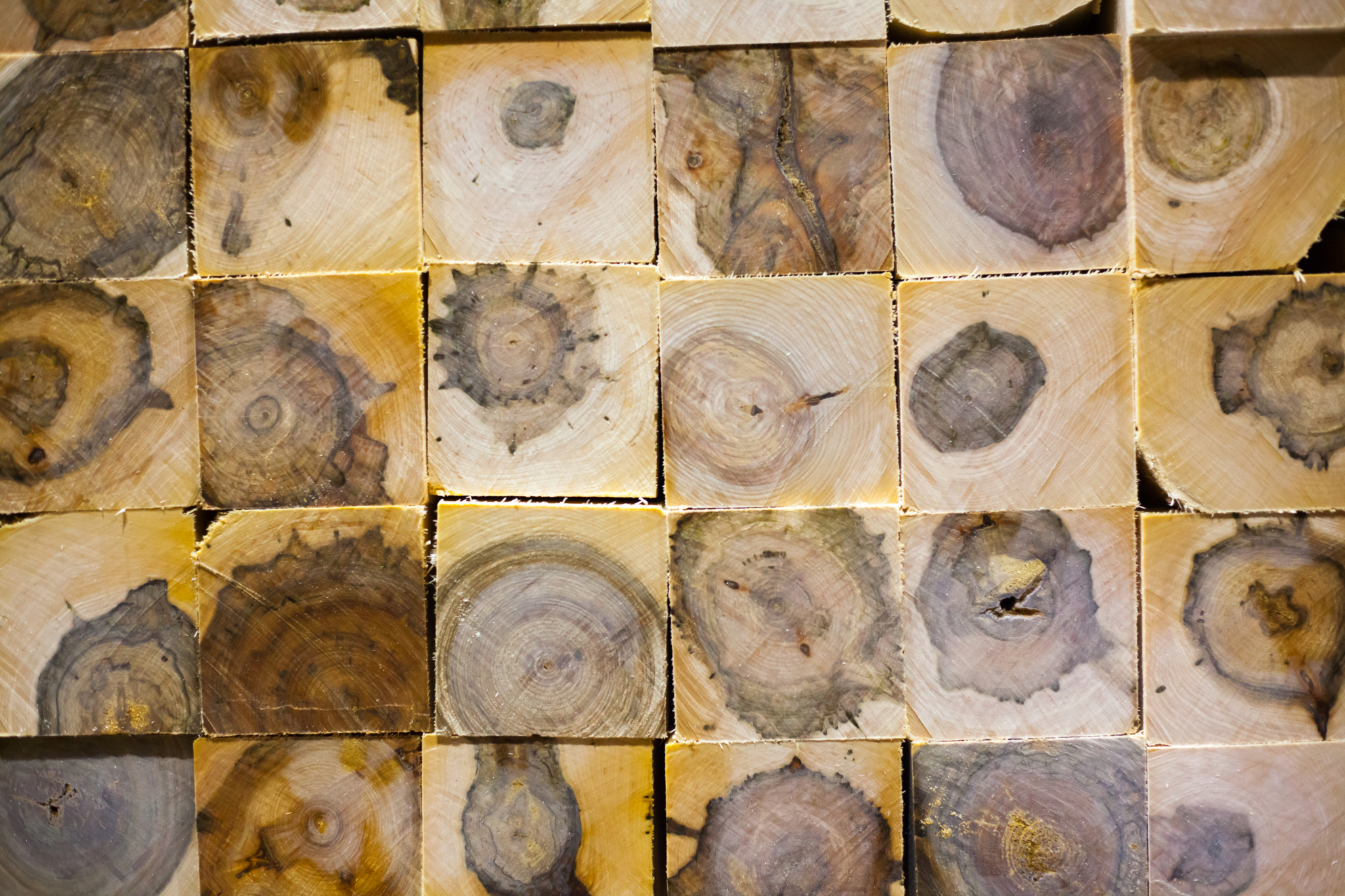
“It’s all sugar maple and it has to be grown in a certain area, which is why we get everything from those states,” said Zach Riberdy, Connor Sports’ marketing director. “It’s based off a number of years of different studies done to show that that specific type of maple from that part of the country has the strongest characteristics to hold up over time.
“There are some competitor mills of ours that do get it from other areas, but we get it from where we are because our R&D team has done an incredible job of making sure that we are sourcing the best possible maple that we can.”
When the wood is delivered to the Crystal Falls’ mill, it is placed in a dry yard to make sure the wood dries out to a certain percentage point of moisture. From there, the wood is placed into drying kilns, which are big ovens where another internal temperature point is realized.
“From the drying kilns, the wood goes into the milling process and gets cut down into various stages into the actual physical maple pieces you see on the basketball court,” said Riberdy. “It goes through all these checkpoints from there, based on the size and the scope of the project and whether it is a permanent or portable floor.”
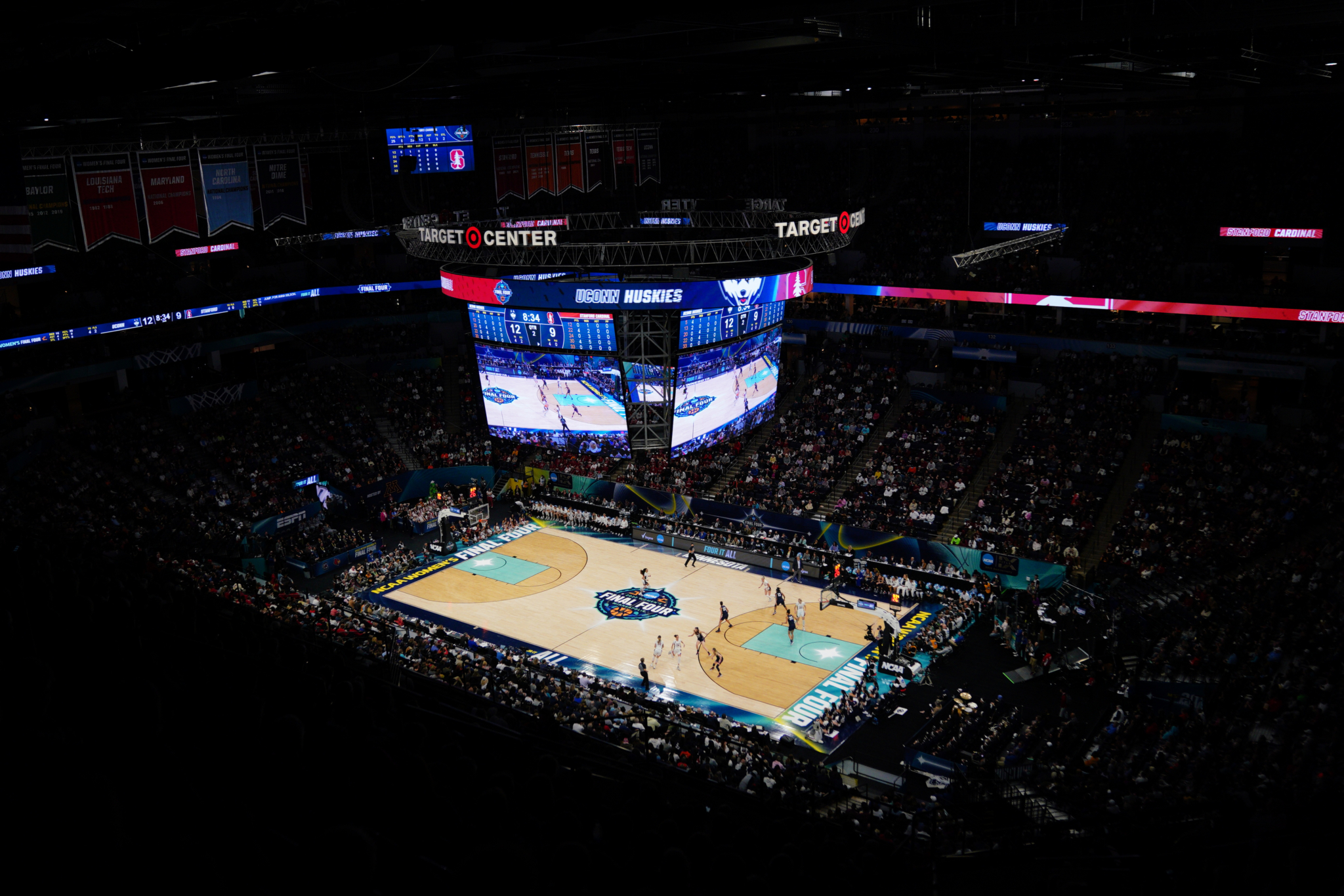
Most Connor Sports basketball floors are permanent installations despite the number of major arenas that must switch out their basketball surface for ice hockey or other events.
“A portable court is something you are going to install on a Saturday night to play a game on Sunday and then take up on a Monday morning,” said Riberdy. “You are putting it down for a small amount of time. For an arena like Detroit’s Little Caesar’s Arena that’s going to have the Pistons play on one night and the next night the Red Wings are going to play.
“Most of our floors are permanent. The portable division only makes up about 5 to 10% of our total business. We do brand new high schools, junior highs, elementary schools and mixed-use rec centers for Division 1 schools.
“These are all permanent floors. High schools are a very big part of our business because there are more high schools being built right now than there were in years past.”
Connor Sports began its direct relationship with the NCAA in 2006 having proven its high quality by supplying many Division 1 schools with flooring. It started with one floor for the NCAA; now the company provides 17 courts for the annual men’s and women’s basketball tournaments.
“When we originally formed a partnership with the NCAA, we were only providing floors for the Final Four,” said Riberdy. “And then year after year on top of that as the tournament expanded and they had what were known as neutral sites, meaning teams from all over the country would be coming to play at a specific arena in an East Regional or West Regional, we started getting involved with all the regional courts. And then the regional courts turned into the first and second round floors.”
These specific arenas maintain their everyday basketball flooring, but the floors are swapped out in an arena that was chosen as a March Madness site.
Connor Sports has a network of 54 preferred contractors across the U.S. that do floor insulation and installation.
“They will work with us and whoever the end party is, and they are responsible after the floor has been installed for putting all the graphics on it so that’s going to be game lines, logos or any kind of mascot or something like that,” said Riberdy.
Connor Sports has 145 employees manufacturing floors in rural Crystal Falls and an additional 15 people working in sales throughout the country. The team manufactures between 8- and 10-million square feet of basketball flooring every year.
A regulation basketball court is 94 feet long by 50 feet wide, but many surfaces come in at much larger sizes to allow for an apron and floor seating. Connor Sports basketball courts range in price from $175,000 to $300,000 for the more intricate Final Four courts. The men’s 2026 Final Four will be held at Lucas Oil Stadium in Indianapolis on April 4-6.
“The men’s Final Four court this year is 100% brand new,” said Riberdy. “We usually put the court up for sale to the winning teams of the men’s and women’s tournaments. If the court is purchased by the winning school, then we build it brand new. If it is not purchased, we do a full sand and refinish on it. Court life has about three to four full sands in it. The floor is used a maximum of three times before we build a brand new one.”
NCAA basketball champions may purchase the Final Four court as a practice floor or for use in a rec center.
“Other teams will purchase the floor and hire a company that specializes in making custom woodworking stuff and they will sell all those individual panels at alumni events or student auctions,” said Riberdy.
Connor Sports operates two full shifts at its manufacturing facility in Crytal Falls. The factory is at its busiest in January and February preparing for the men’s and women’s NCAA tournament games.
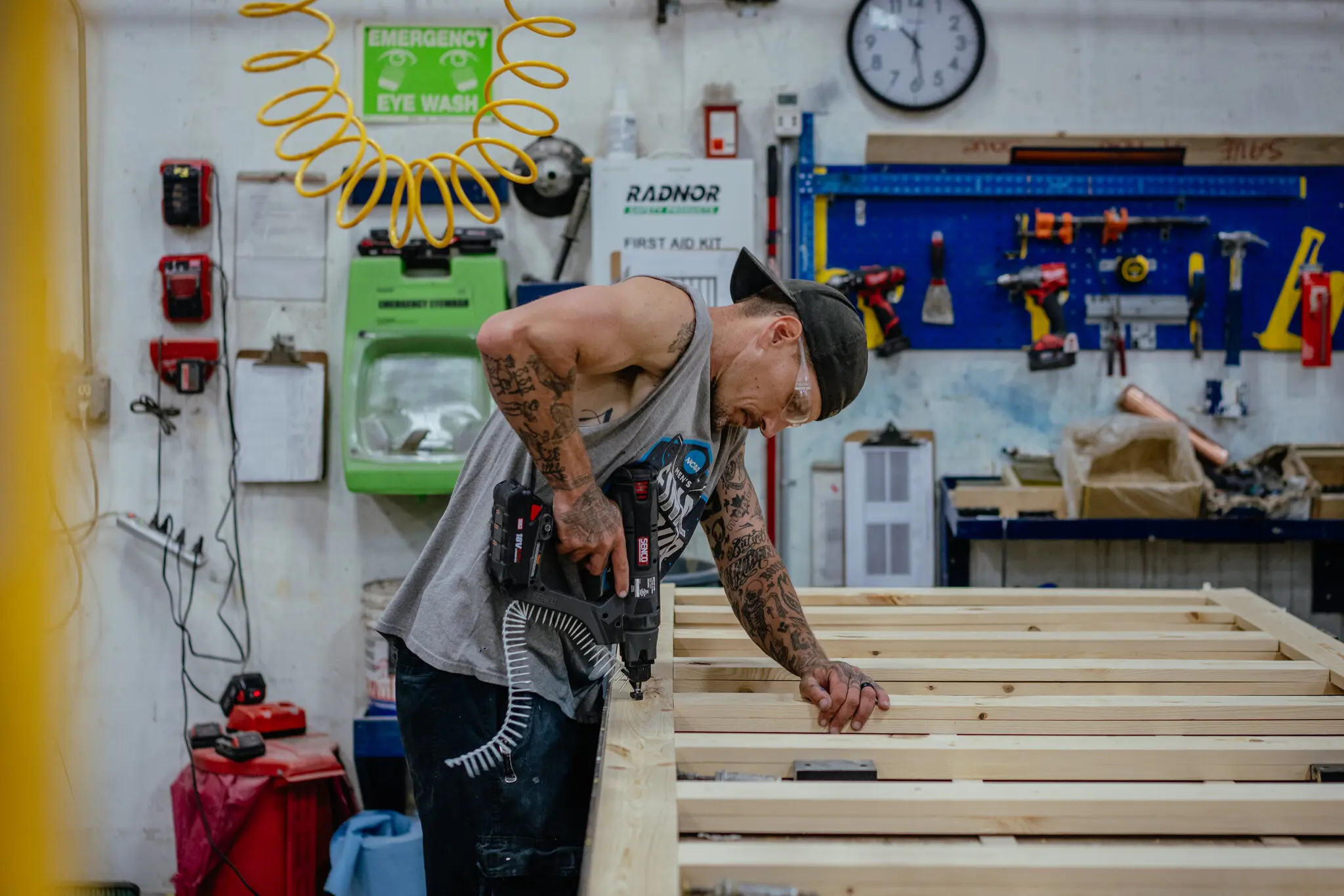
“The usual building time for a portable court is two weeks but the men’s Final Four court, being as big as it is, usually takes about four weeks to get done,” said Riberdy.
Connor Sports also manufactures wood courts for indoor volleyball and has recently expanded into making dance flooring. The company will also cater to your needs if you want a hardwood basketball court in your home.
“The three bigger names we’ve done courts for recently are Bar Stool Sports who built their headquarters in Chicago, and we installed a basketball floor,” said Riberday. “MrBeast, who has a massive YouTube following, just put in a new floor in his house in North Carolina and then Drake, the hip-hop artist, just put a new floor in his home.”
From children to adult millionaires, Connor Sports provides athletes with a place to play, from right here in America.
“We’re proud to say everything we do is made in America and even further we are proud to say everything is made in Michigan,” added Riberdy. “We are proud to be American-based. Our team in the Upper Peninsula of Michigan (Da Yoopers) is extremely proud to be manufacturing where they are from.”