Liebherr Upgrades Mobile Crane with LICCON3 Control
Updated 110-ton crane features improved telescopic boom capacity, driver assistance systems, and fleet connectivity capabilities for construction and heavy lifting operations. www.liebherr.com Mobile cranes used in infrastructure, construction, and industrial lifting increasingly rely on advanced digital control systems to improve precision, safety, and operational efficiency. New control architectures also enable integration with fleet management platforms and telematics systems used in modern construction fleets. In this context, Liebherr has introduced the LTM 1090-4.3 mobile crane with the third-generation LICCON3 control system, presented at Conexpo 2026 (March 3–7) in Las Vegas. Transition to the third generation of crane control The new LICCON3 (Liebherr Computed Control) platform represents the third generation of the company’s crane control architecture. The system introduces a new software environment and programming language, combined with a faster data bus, increased memory capacity, and higher computing performance compared with earlier versions. Despite these internal changes, the operating concept remains consistent with previous systems, allowing experienced operators to transition without extensive retraining. Existing hardware components such as the BTT mobile operating and display unit remain part of the control architecture. A new touchscreen display in the superstructure cab simplifies crane operation and presents operational information through a revised interface. LICCON3 cranes are also prepared for telemetry and fleet management, enabling contractors to access operational data through the MyLiebherr customer portal. Modernized operator and driver cabins The introduction of LICCON3 coincides with a redesigned driver’s cab and crane operator cab. The updated cabin integrates a multifunction steering wheel, revised instrument layout, and larger displays to improve usability. Additional features include a central locking system with remote control and a “Coming and Leaving Home” lighting function. Both cabins also feature a new automatic heating and air-conditioning system. A sun sensor adjusts climate settings based on external sunlight conditions to maintain consistent cabin comfort. Lighting systems across the vehicle, including the crane cab, telescopic boom, vehicle rear, and front headlights, can be equipped with LED technology. LED lighting improves visibility while offering longer service life compared with conventional lighting systems. Upgrading an established crane platform The LTM 1090-4.3 replaces the earlier LTM 1090-4.2, continuing Liebherr’s approach of upgrading existing crane models when introducing new control systems and design updates. In this naming convention, the final digit of the model number increases when a major technology upgrade is introduced. The four-axle crane remains in the 110 US-ton (90-tonne) lifting class and retains the 197-foot (60-meter) telescopic boom used in the previous model. However, lifting performance has been increased, particularly when the boom is extended and positioned at steep angles. These operating conditions are common in applications such as the installation of tower cranes. Mobility and ballast flexibility Mobility remains a central design requirement for cranes used on international construction projects. The LTM 1090-4.3 can operate on roads with several different axle load configurations: 10 tonnes, 12 tonnes, and 16 tonnes. The crane uses a quick-change ballast system that allows operators to switch between configurations quickly depending on transport regulations or site conditions. With a 12-tonne axle load, the crane can carry up to 8.8 tonnes of counterweight, a configuration that allows many lifting tasks to be performed without transporting additional ballast. Efficiency and drivetrain technologies Several technologies introduced in earlier Liebherr cranes remain part of the platform. ECOdrive and ECOmode help reduce fuel consumption and noise emissions during crane operation. The crane also uses the VarioBallast® adjustable ballast radius and the VarioBase® variable support base, which adapt the crane’s stability configuration to the available setup area on site. These systems allow improved lifting performance while maintaining operational safety. Power is transmitted through the ZF TraXon transmission with the DynamicPerform clutch module, which uses an oil-cooled plate pack to enable wear-free starting and maneuvering without overheating. Driver assistance and remote operation capabilities The LTM 1090-4.3 incorporates new driver assistance systems designed to improve road safety. These include the Blind Spot Information System (BSIS) and the Moving Off Information System (MOIS), which support drivers by detecting nearby pedestrians and cyclists. The crane is also prepared for RemoteDrive, a radio remote control system that allows the machine to be maneuvered from outside the vehicle. This
 machineryasia
Updated 110-ton crane features improved telescopic boom capacity, driver assistance systems, and fleet connectivity capabilities for construction and heavy lifting operations.
www.liebherr.com
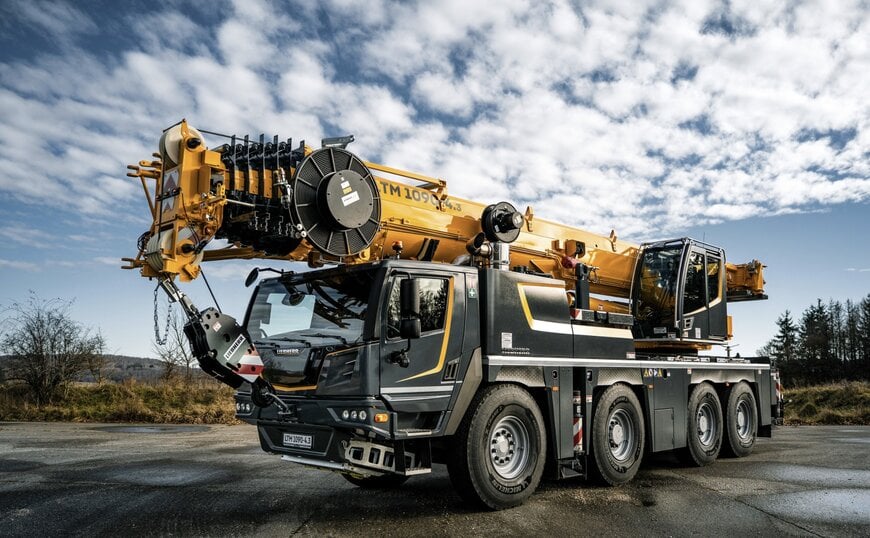
Mobile cranes used in infrastructure, construction, and industrial lifting increasingly rely on advanced digital control systems to improve precision, safety, and operational efficiency. New control architectures also enable integration with fleet management platforms and telematics systems used in modern construction fleets. In this context, Liebherr has introduced the LTM 1090-4.3 mobile crane with the third-generation LICCON3 control system, presented at Conexpo 2026 (March 3–7) in Las Vegas.
Transition to the third generation of crane control
The new LICCON3 (Liebherr Computed Control) platform represents the third generation of the company’s crane control architecture. The system introduces a new software environment and programming language, combined with a faster data bus, increased memory capacity, and higher computing performance compared with earlier versions.
Despite these internal changes, the operating concept remains consistent with previous systems, allowing experienced operators to transition without extensive retraining. Existing hardware components such as the BTT mobile operating and display unit remain part of the control architecture.
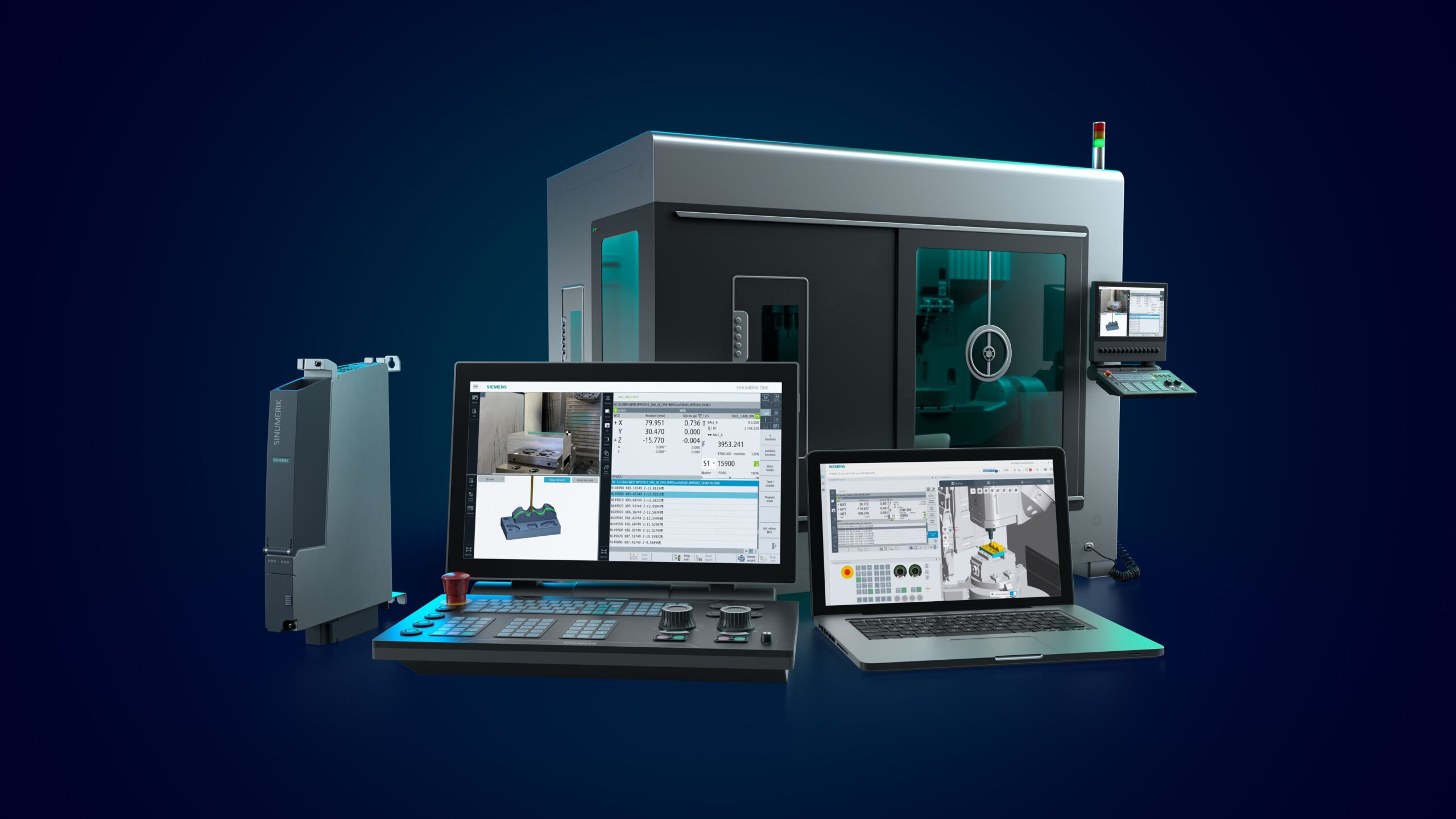
A new touchscreen display in the superstructure cab simplifies crane operation and presents operational information through a revised interface. LICCON3 cranes are also prepared for telemetry and fleet management, enabling contractors to access operational data through the MyLiebherr customer portal.
Modernized operator and driver cabins
The introduction of LICCON3 coincides with a redesigned driver’s cab and crane operator cab. The updated cabin integrates a multifunction steering wheel, revised instrument layout, and larger displays to improve usability.
Additional features include a central locking system with remote control and a “Coming and Leaving Home” lighting function. Both cabins also feature a new automatic heating and air-conditioning system. A sun sensor adjusts climate settings based on external sunlight conditions to maintain consistent cabin comfort.
Lighting systems across the vehicle, including the crane cab, telescopic boom, vehicle rear, and front headlights, can be equipped with LED technology. LED lighting improves visibility while offering longer service life compared with conventional lighting systems.
Upgrading an established crane platform
The LTM 1090-4.3 replaces the earlier LTM 1090-4.2, continuing Liebherr’s approach of upgrading existing crane models when introducing new control systems and design updates. In this naming convention, the final digit of the model number increases when a major technology upgrade is introduced.
The four-axle crane remains in the 110 US-ton (90-tonne) lifting class and retains the 197-foot (60-meter) telescopic boom used in the previous model. However, lifting performance has been increased, particularly when the boom is extended and positioned at steep angles. These operating conditions are common in applications such as the installation of tower cranes.
Mobility and ballast flexibility
Mobility remains a central design requirement for cranes used on international construction projects. The LTM 1090-4.3 can operate on roads with several different axle load configurations: 10 tonnes, 12 tonnes, and 16 tonnes.
The crane uses a quick-change ballast system that allows operators to switch between configurations quickly depending on transport regulations or site conditions. With a 12-tonne axle load, the crane can carry up to 8.8 tonnes of counterweight, a configuration that allows many lifting tasks to be performed without transporting additional ballast.
Efficiency and drivetrain technologies
Several technologies introduced in earlier Liebherr cranes remain part of the platform. ECOdrive and ECOmode help reduce fuel consumption and noise emissions during crane operation.
The crane also uses the VarioBallast® adjustable ballast radius and the VarioBase® variable support base, which adapt the crane’s stability configuration to the available setup area on site. These systems allow improved lifting performance while maintaining operational safety.
Power is transmitted through the ZF TraXon transmission with the DynamicPerform clutch module, which uses an oil-cooled plate pack to enable wear-free starting and maneuvering without overheating.
Driver assistance and remote operation capabilities
The LTM 1090-4.3 incorporates new driver assistance systems designed to improve road safety. These include the Blind Spot Information System (BSIS) and the Moving Off Information System (MOIS), which support drivers by detecting nearby pedestrians and cyclists.
The crane is also prepared for RemoteDrive, a radio remote control system that allows the machine to be maneuvered from outside the vehicle. This capability is particularly useful in confined construction environments where direct visibility from the driver’s cab may be limited.
Additional optional systems include a central lubrication system for the undercarriage and a digital tire pressure monitoring system, both intended to simplify maintenance and increase equipment availability for crane operators.
www.liebherr.com
Powered by
Induportals Media Publishing