Underground EV Charging with Dynamic Power Distribution
Epiroc introduces a modular charging system to support heavy-duty mining electrification with flexible deployment and OEM-agnostic compatibility. www.epiroc.com Epiroc has introduced a next-generation charging system designed for battery-electric vehicles in underground mining and heavy-duty industrial environments. The solution combines ruggedized hardware, dynamic power allocation, and flexible infrastructure design to support high-utilization operations. Addressing electrification challenges in mining Underground mining environments impose constraints on charging infrastructure due to dust, humidity, confined spaces, and variable fleet movement. Electrification of mining fleets requires charging systems that can operate reliably under continuous load while minimizing operational disruptions. The new system is engineered with an IP65-rated enclosure, ensuring protection against dust ingress and water exposure. This enables consistent performance in harsh underground conditions, where equipment is exposed to particulate matter and moisture during daily operations. A key design objective is OEM-agnostic compatibility, allowing mixed fleets of battery-electric vehicles from different manufacturers to use a unified charging infrastructure. This reduces integration complexity and supports scalable deployment across mines transitioning to electrified operations. Decentralized charging architecture The system supports a distributed charging model, where remote charge posts can be installed up to 300 meters from a central power cabinet. This architecture enables mines to position charging points closer to active working areas, reducing vehicle travel distance (tramming) and minimizing queuing at centralized stations. Charge posts can be configured as pedestal-mounted or wall-mounted units, allowing adaptation to site-specific layouts. This flexibility supports optimization of underground logistics and improves equipment availability by reducing idle time during charging cycles. Dynamic power management for fleet efficiency To address fluctuating energy demand, the system incorporates dynamic power distribution across multiple charging points. A single cabinet can support up to eight charge posts, with available electrical capacity allocated in real time based on vehicle demand. This approach enables load balancing across the charging network, ensuring that power is directed to active charging events rather than being statically assigned. As a result, mines can maintain higher utilization of battery-electric fleets, particularly during peak operational periods. Integration into a digital supply chain for energy management The charging solution includes telematics capabilities for monitoring charging sessions, enabling data-driven optimization of energy usage and fleet scheduling. This supports integration into a broader digital supply chain, where charging data, vehicle status, and operational planning are interconnected. In addition, the use of plug-and-play power electronics simplifies installation, maintenance, and system scaling. Modular components allow faster replacement and configuration, reducing downtime and service complexity in remote mining environments. Application scope and operational impact The system is designed for underground mining operations transitioning to battery-electric equipment, as well as other heavy-duty industrial applications requiring robust charging infrastructure. By enabling decentralized charging and adaptive power management, the solution addresses key bottlenecks in electrified fleet operations. Improved charging efficiency contributes to reduced reliance on diesel-powered equipment, supporting efforts to lower emissions and mitigate exposure to fuel price volatility and supply constraints. Edited by an industrial journalist Sucithra Mani with AI assistance. www.epiroc.com Powered by Induportals Media Publishing
 machineryasia
Epiroc introduces a modular charging system to support heavy-duty mining electrification with flexible deployment and OEM-agnostic compatibility.
www.epiroc.com
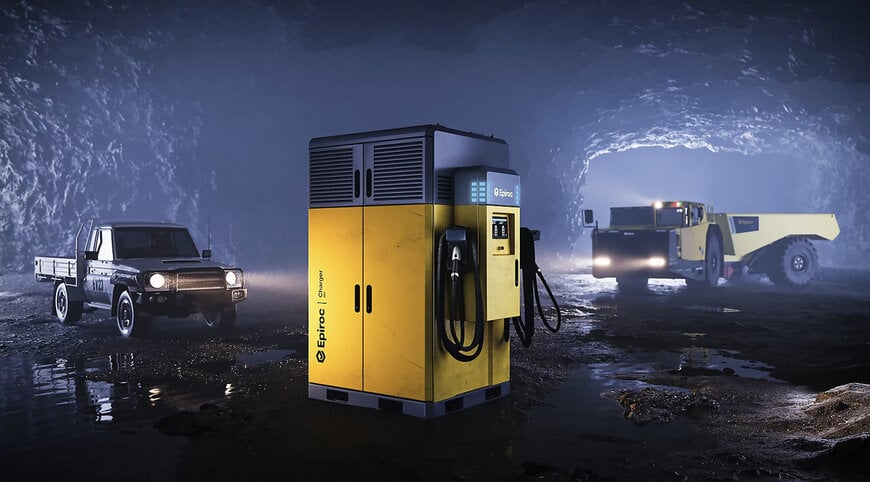
Epiroc has introduced a next-generation charging system designed for battery-electric vehicles in underground mining and heavy-duty industrial environments. The solution combines ruggedized hardware, dynamic power allocation, and flexible infrastructure design to support high-utilization operations.
Addressing electrification challenges in mining
Underground mining environments impose constraints on charging infrastructure due to dust, humidity, confined spaces, and variable fleet movement. Electrification of mining fleets requires charging systems that can operate reliably under continuous load while minimizing operational disruptions.
The new system is engineered with an IP65-rated enclosure, ensuring protection against dust ingress and water exposure. This enables consistent performance in harsh underground conditions, where equipment is exposed to particulate matter and moisture during daily operations.
A key design objective is OEM-agnostic compatibility, allowing mixed fleets of battery-electric vehicles from different manufacturers to use a unified charging infrastructure. This reduces integration complexity and supports scalable deployment across mines transitioning to electrified operations.
Decentralized charging architecture
The system supports a distributed charging model, where remote charge posts can be installed up to 300 meters from a central power cabinet. This architecture enables mines to position charging points closer to active working areas, reducing vehicle travel distance (tramming) and minimizing queuing at centralized stations.
Charge posts can be configured as pedestal-mounted or wall-mounted units, allowing adaptation to site-specific layouts. This flexibility supports optimization of underground logistics and improves equipment availability by reducing idle time during charging cycles.
Dynamic power management for fleet efficiency
To address fluctuating energy demand, the system incorporates dynamic power distribution across multiple charging points. A single cabinet can support up to eight charge posts, with available electrical capacity allocated in real time based on vehicle demand.
This approach enables load balancing across the charging network, ensuring that power is directed to active charging events rather than being statically assigned. As a result, mines can maintain higher utilization of battery-electric fleets, particularly during peak operational periods.
Integration into a digital supply chain for energy management
The charging solution includes telematics capabilities for monitoring charging sessions, enabling data-driven optimization of energy usage and fleet scheduling. This supports integration into a broader digital supply chain, where charging data, vehicle status, and operational planning are interconnected.
In addition, the use of plug-and-play power electronics simplifies installation, maintenance, and system scaling. Modular components allow faster replacement and configuration, reducing downtime and service complexity in remote mining environments.
Application scope and operational impact
The system is designed for underground mining operations transitioning to battery-electric equipment, as well as other heavy-duty industrial applications requiring robust charging infrastructure. By enabling decentralized charging and adaptive power management, the solution addresses key bottlenecks in electrified fleet operations.
Improved charging efficiency contributes to reduced reliance on diesel-powered equipment, supporting efforts to lower emissions and mitigate exposure to fuel price volatility and supply constraints.
Edited by an industrial journalist Sucithra Mani with AI assistance.
www.epiroc.com
Powered by
Induportals Media Publishing