President Trump Delays his China Trip, but are Chinese Autos in the U.S. on the Table?
Market access for Chinese automakers would be a big mistake, AAM's Scott Paul argues in a Detroit News opinion.
 machineryasia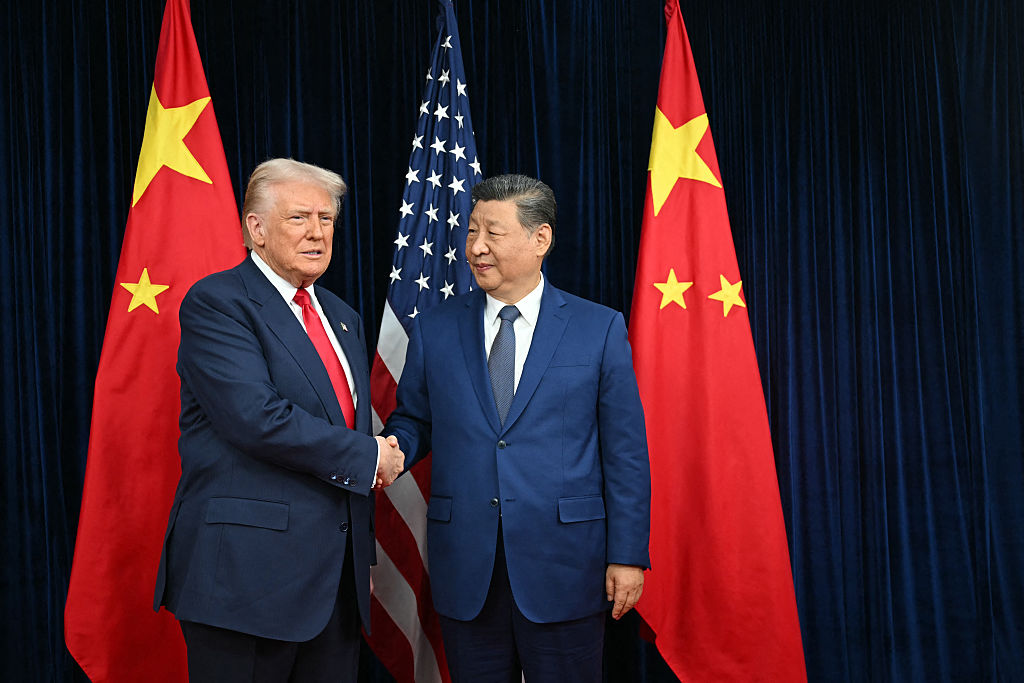
Market access for Chinese automakers would be a big mistake, AAM’s Scott Paul argues in a Detroit News opinion.
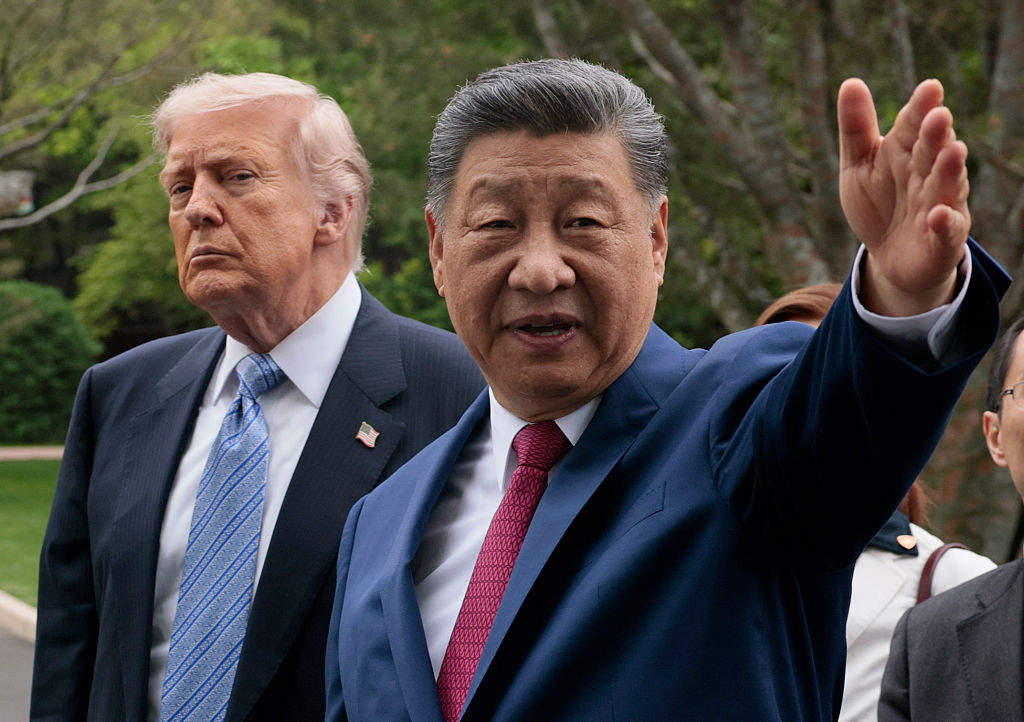
President Trump announced on Tuesday he was postponing a trip to China planned for the end of this month by five or six weeks. The reason, he said, was because the U.S. and Israeli war against Iran demands his attention. It certainly does. But observers are saying the delay serves a joint purpose: It allows both sides to firm up what they’ll offer in a trade deal.
Indeed, they’re working toward just that. Delay or not, U.S. Treasury Secretary Scott Bessent and U.S. Trade Representative Jamieson Greer met Chinese officials in Europe last weekend for the kind of table-setting governments do before big state visits. That means outlining buzzy new frameworks – Bloomberg says the new “managed” approach to US-China trade “harkens back to a long tradition of the US coming up with mechanisms to put some specific parameters around problematic bilateral commercial ties” – and it also means hashing out firm trade commitments for purchases of things like agriculture, airplanes and energy.
This dealmaking is a much different approach to Chinese trade than the demands for structural reform that animated the first Trump administration, notes the Wall Street Journal:
Perhaps the most striking departure from the first trade war is a renewed openness to bilateral investment. While previous policies suggested a tightening, some American companies are pushing for more joint ventures.
Some China skeptics warn that a massive Chinese investment deal—perhaps something even bigger than the $550 billion investment commitment Trump struck with Japan last year—could blow up the national security protocols used to vet Chinese investment. If Beijing offers a trillion-dollar commitment, those skeptics worry, the U.S. might be tempted to trade its regulatory guardrails for the optics of a historic win.
To someone only casually following President Trump’s positions and opinions relating to China, a big trade deal like the one imagined above might seem out of the question. The first Trump administration self-initiated a Section 301 investigation into Chinese IP theft and forced technology transfer that significantly raised tariffs on Chinese imports. Trump ratcheted up tariffs again on Chinese imports shortly after returning to office last year, and new 301 investigations are likely to keep high tariffs in place. These are the kinds of things that dominate headlines and set narratives.
But this is also the president who wrote a book called The Art of the Deal and prides himself on his business acumen. It’s also the president who cut a “phase one” trade deal with China in 2020, and it was mostly purchasing commitments! So, when our loquacious commander in chief tells the Detroit Economic Club that the U.S. should “let China come in” – referring to the burgeoning Chinese auto industry and its desire to enter the American market – we should pay attention.
The domestic auto industry certainly is. Last week, before the China visit was postponed, it wrote the president a letter outlining its “serious concerns about China’s ongoing efforts to dominate global automotive manufacturing and to gain access to the U.S. market. These actions pose a direct threat to America’s global competitiveness, national security, and automotive industrial base.”
Those concerns aren’t unfounded. China’s auto industry is primed for export and expansion. If it’s allowed into the United States – if imported Chinese cars or Chinese cars made in joint-venture U.S. factories are soon to be seen on U.S. highways – the automotive industry in the United States and the millions of jobs it supports will likely experience a severe and unpleasant shock.
Alliance for American Manufacturing President Scott Paul made this specific argument at length in an opinion this week for the Detroit News. “Letting in China will not strengthen American automakers. It will inevitably weaken them,” he wrote:
The domestic auto industry is the heartbeat of American manufacturing, supporting job-rich supply chains in steel, aluminum, glass, auto parts, electronics and rubber. Forcing it into competition with vertically integrated rivals that are focused on seizing market share would, from an employment perspective, trigger a disaster on par with the China Shock of the 2000s. Then, China’s auto export platform was virtually nonexistent. In 2025, it exported 7 million units. China’s production capacity now exceeds its combined exports and internal demand by 19 million units, almost double what the U.S. produces in a year.
You can read the whole opinion here. And we’ll continue watching for new developments in US-China talks before President Trump’s visit to Beijing, now scheduled for sometime this spring.