Montenegro’s Key Coal Mine Deploys Hitachi’s First Electric Ultra-large Excavator in South East Europe
Montenegro’s Key Coal Mine Deploys Hitachi’s First Electric Ultra-large Excavator in South East Europe
In March 2026, authorised Hitachi dealer West Balkans Machinery (WBM) delivered the first electric Hitachi EX2600-7E ultra-large excavator in Europe to Rudnik uglja Pljevlja. The 250-tonne excavator will be deployed at the Pljevlja coal mine in northern Montenegro, where it will support coal production at an operation central to the country’s energy system. The new […]
Montenegro’s Key Coal Mine Deploys Hitachi’s First Electric Ultra-large Excavator in South East Europe published on The HeavyQuip Magazine.
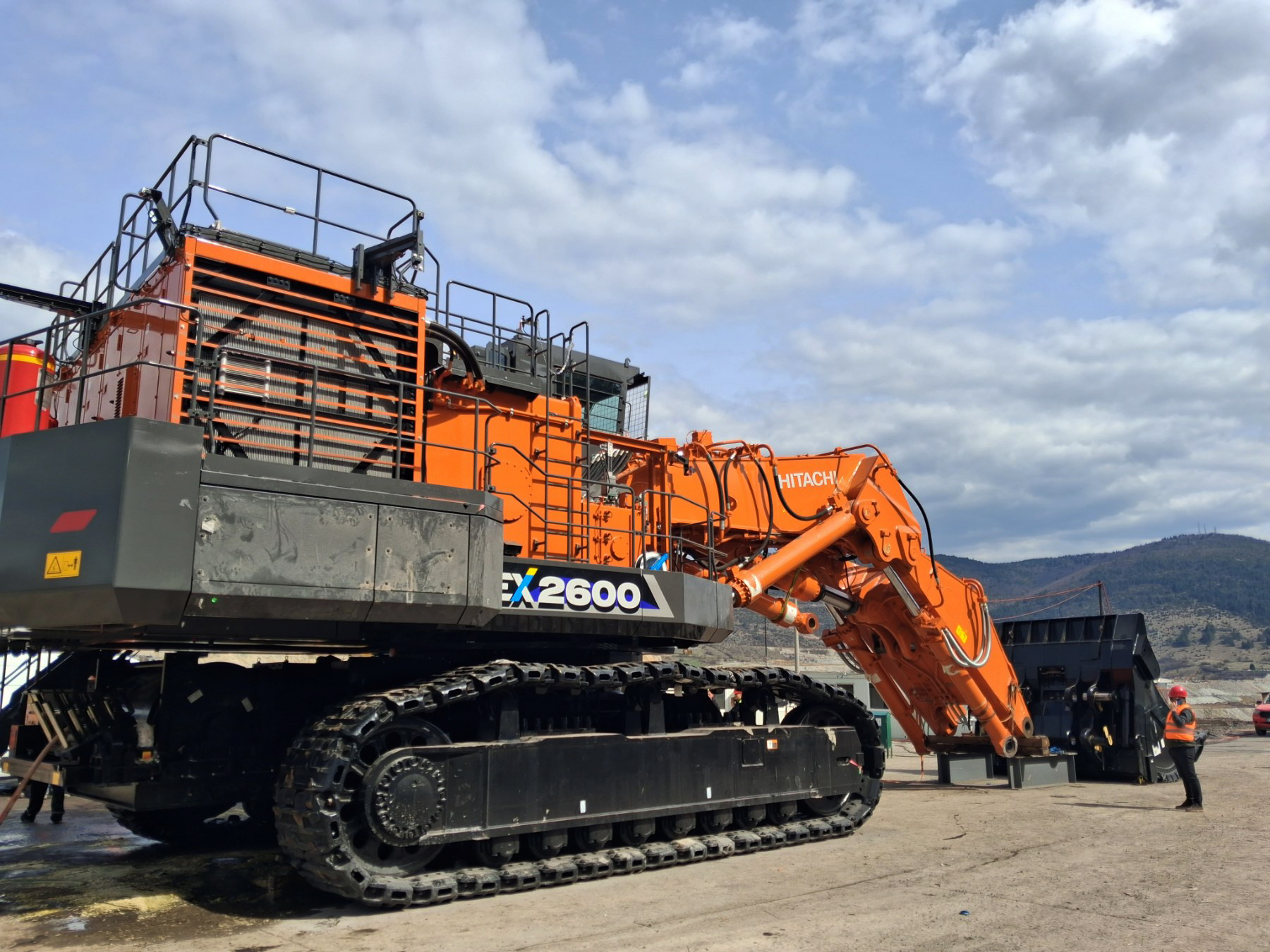
In March 2026, authorised Hitachi dealer West Balkans Machinery (WBM) delivered the first electric Hitachi EX2600-7E ultra-large excavator in Europe to Rudnik uglja Pljevlja. The 250-tonne excavator will be deployed at the Pljevlja coal mine in northern Montenegro, where it will support coal production at an operation central to the country’s energy system.
The new unit, a Hitachi EX2600-7E, is described by Hitachi Construction Machinery as the first electric ultra-large excavatorof its kind delivered into South East Europe. The machine uses an 860 kW electric motor, a configuration that avoids local diesel exhaust emissions at the point of operation and delivers constant torque for digging and loading cycles.
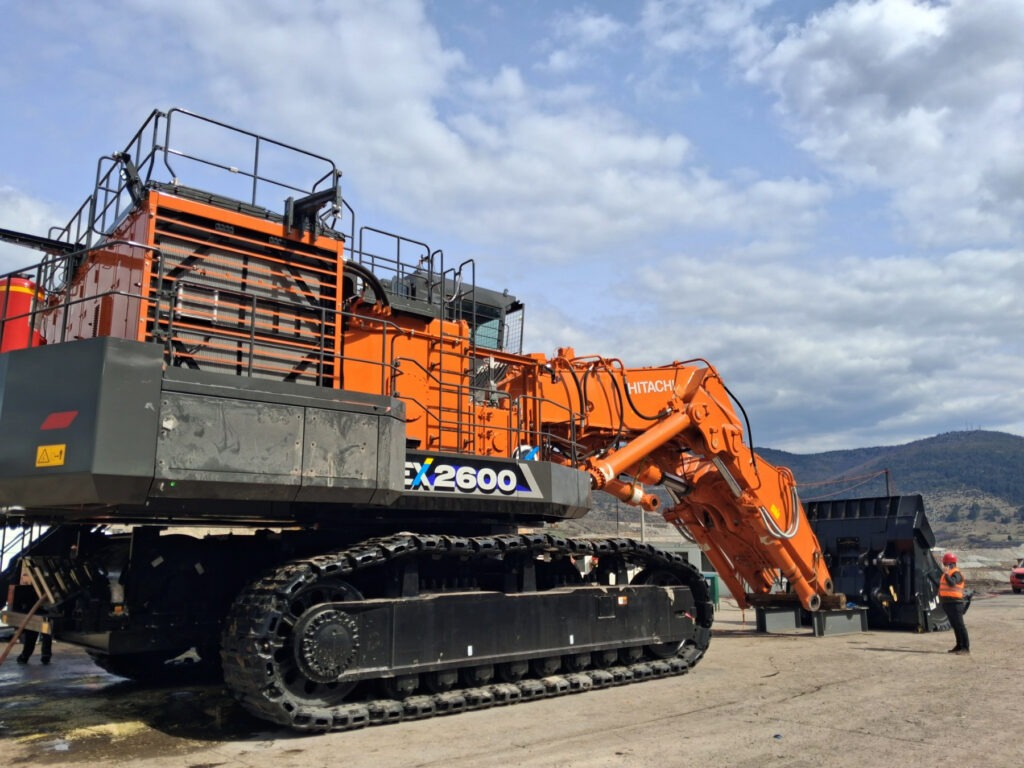
Hitachi’s EX2600 ultra-large excavator at the Pljevlja coal mine, Montenegro.
From diesel and draglines to electric drive
Pljevlja has historically relied on diesel hydraulic excavators and older dragline systems. Over the last few years, the mine has been renewing its loading equipment with Hitachi ultra-large units, including an EX2600-6 delivered in 2019 and two EX1200 models delivered in 2019 and 2022. Hitachi previously highlighted the mine’s use of the EX1200-6 and EX2600-6 as part of its production plan at Montenegro’s only coal mine.
The shift to electric drive is tied to two practical factors in Pljevlja: Montenegro’s push to align with EU environmental rules, and the availability of nearby grid power from the Pljevlja thermal power plant complex. By using locally produced electricity, the mine can reduce reliance on imported diesel, an issue that becomes more visible when fuel prices spike or supply chains tighten.
Why electricity matters at Pljevlja
Montenegro’s energy system is unusually dependent on one plant. The Pljevlja coal-fired power station is the country’s only coal plant and produces around 40 per cent of national electricity output, varying by year and hydrology.
That tight mine-to-power-plant link also shows up in coal flows. Public reporting on the region notes that most of the mine’s output is supplied to the power station, with additional volumes sold domestically and, increasingly, through regional contracts.
On-site assembly and local support
As a first-of-its-kind delivery for the region, the EX2600-7E was assembled on site with support from Hitachi service technicians and the local dealer, West Balkans Machinery (WBM). WBM has been Hitachi’s authorised dealer for Serbia since 2016 and supports regional customers with parts and service.
Hitachi and WBM say the support package for the machine includes a two-year warranty or 8,000 operating hours, along with ongoing parts and service coverage through the dealer network.
A brand change coming in 2027
Hitachi Construction Machinery has also confirmed a corporate rebrand that will roll out in parallel with new product and solutions messaging. The company will change its corporate name and brand to LANDCROS effective April 2027.

 machineryasia