Electric crane enables emission-free construction site
Infrastructure contractor Van der Ven B.V. deployed an electric crane during construction of an electric bus depot in Breda to reduce emissions near a protected nature reserve. www.sennebogen.com Van der Ven B.V., a Dutch infrastructure construction company with more than 55 years of experience, was responsible for building a new depot for electric buses in Breda, in the province of North Brabant, Netherlands. The facility, completed in 2025, is designed to house, charge, and maintain electric buses as part of the region’s transition toward low-emission public transport. The construction site is located directly next to a protected nature reserve. This proximity imposed strict environmental requirements, particularly regarding nitrogen emissions and noise levels. The contractor therefore needed construction equipment capable of maintaining productivity while minimizing environmental impact. To meet these requirements, the company adopted a strategy combining emission-reduction technologies such as NOx filters with emission-free construction machinery. A battery-electric telescopic crawler crane was selected as a key component of this approach. Electric crane supports sustainable construction operations At the center of the project was a battery-powered 50-ton telescopic crawler crane equipped with a main boom length of 30.4 meters. The machine was used for lifting and positioning structural components during construction of the bus depot infrastructure. The crane provides performance levels comparable to conventional diesel-powered equipment while eliminating local exhaust emissions and reducing noise. These characteristics made the solution particularly suitable for operating close to environmentally sensitive areas. Electric drive technology also allowed the crane to operate for extended periods on a single charge when working from the same location. In typical daily operations, the machine could complete a full workday without interruption, and in some cases operate for up to two days before recharging. From the operator’s perspective, the transition to electric equipment did not change operational procedures. According to feedback from the site team, the performance difference between hydraulic systems powered by diesel engines and those powered by electric motors was not noticeable during lifting operations. Operator comfort and operational reliability The crane operator reported positive feedback regarding working conditions and machine usability. High cab visibility supports safe lifting operations, while intuitive control systems simplify handling during daily tasks. Operational comfort was also supported by the low noise level associated with electric drive technology. Reduced vibration and quieter operation contribute to improved working conditions for operators and nearby personnel. These characteristics helped maintain productivity levels comparable to conventional lifting equipment while supporting the environmental objectives of the project. Dealer support and digital monitoring The local equipment dealer Van den Heuvel provided technical support during the project. Quick machine availability and on-site advisory services ensured the crane could be integrated smoothly into the construction workflow. Digital monitoring tools were also used to support equipment management. An integrated machine application allows operators and site managers to monitor machine status, charging levels, and potential malfunctions in real time. This contributes to reliable operation and simplifies maintenance planning. The equipment’s design also facilitates straightforward servicing, supporting long-term reliability in demanding construction environments. Enabling emission-free infrastructure projects The deployment of electric lifting equipment on the Breda bus depot project demonstrates how emission-free construction machinery can support infrastructure projects in environmentally sensitive locations. By combining electric equipment with conventional emission-reduction technologies, the contractor was able to maintain operational efficiency while reducing environmental impact. The project illustrates how battery-electric machinery can contribute to sustainable construction site operations, particularly in regions where environmental regulations and ecological considerations influence equipment selection. www.sennebogen.com Powered by Induportals Media Publishing
 machineryasia
Infrastructure contractor Van der Ven B.V. deployed an electric crane during construction of an electric bus depot in Breda to reduce emissions near a protected nature reserve.
www.sennebogen.com
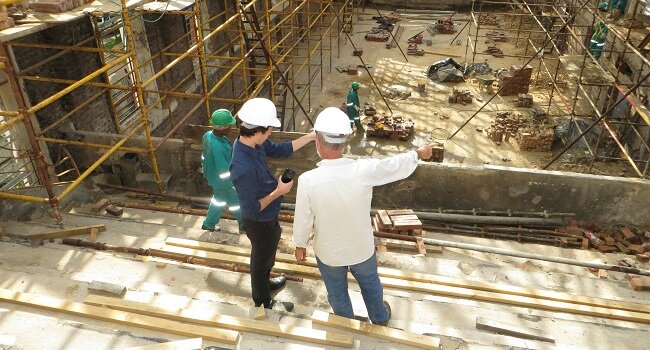
Van der Ven B.V., a Dutch infrastructure construction company with more than 55 years of experience, was responsible for building a new depot for electric buses in Breda, in the province of North Brabant, Netherlands. The facility, completed in 2025, is designed to house, charge, and maintain electric buses as part of the region’s transition toward low-emission public transport.
The construction site is located directly next to a protected nature reserve. This proximity imposed strict environmental requirements, particularly regarding nitrogen emissions and noise levels. The contractor therefore needed construction equipment capable of maintaining productivity while minimizing environmental impact.
To meet these requirements, the company adopted a strategy combining emission-reduction technologies such as NOx filters with emission-free construction machinery. A battery-electric telescopic crawler crane was selected as a key component of this approach.
Electric crane supports sustainable construction operations
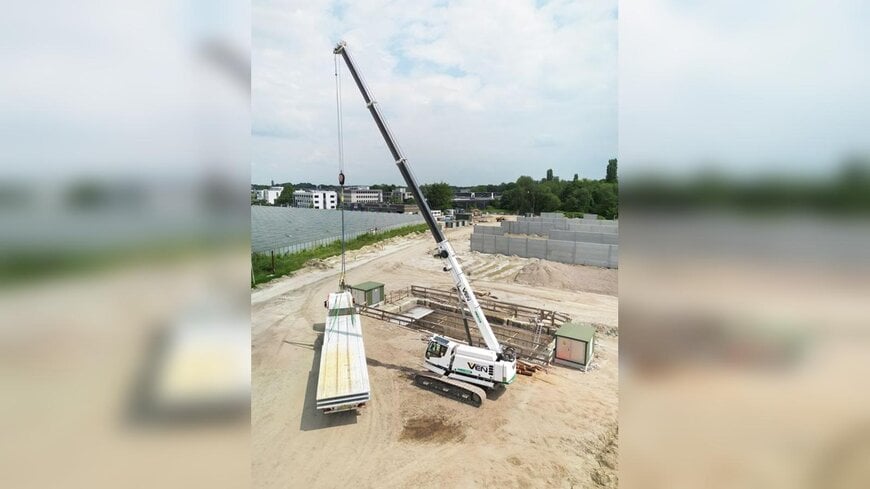
At the center of the project was a battery-powered 50-ton telescopic crawler crane equipped with a main boom length of 30.4 meters. The machine was used for lifting and positioning structural components during construction of the bus depot infrastructure.
The crane provides performance levels comparable to conventional diesel-powered equipment while eliminating local exhaust emissions and reducing noise. These characteristics made the solution particularly suitable for operating close to environmentally sensitive areas.
Electric drive technology also allowed the crane to operate for extended periods on a single charge when working from the same location. In typical daily operations, the machine could complete a full workday without interruption, and in some cases operate for up to two days before recharging.
From the operator’s perspective, the transition to electric equipment did not change operational procedures. According to feedback from the site team, the performance difference between hydraulic systems powered by diesel engines and those powered by electric motors was not noticeable during lifting operations.
Operator comfort and operational reliability
The crane operator reported positive feedback regarding working conditions and machine usability. High cab visibility supports safe lifting operations, while intuitive control systems simplify handling during daily tasks.
Operational comfort was also supported by the low noise level associated with electric drive technology. Reduced vibration and quieter operation contribute to improved working conditions for operators and nearby personnel.
These characteristics helped maintain productivity levels comparable to conventional lifting equipment while supporting the environmental objectives of the project.
Dealer support and digital monitoring
The local equipment dealer Van den Heuvel provided technical support during the project. Quick machine availability and on-site advisory services ensured the crane could be integrated smoothly into the construction workflow.
Digital monitoring tools were also used to support equipment management. An integrated machine application allows operators and site managers to monitor machine status, charging levels, and potential malfunctions in real time. This contributes to reliable operation and simplifies maintenance planning.
The equipment’s design also facilitates straightforward servicing, supporting long-term reliability in demanding construction environments.
Enabling emission-free infrastructure projects
The deployment of electric lifting equipment on the Breda bus depot project demonstrates how emission-free construction machinery can support infrastructure projects in environmentally sensitive locations.
By combining electric equipment with conventional emission-reduction technologies, the contractor was able to maintain operational efficiency while reducing environmental impact. The project illustrates how battery-electric machinery can contribute to sustainable construction site operations, particularly in regions where environmental regulations and ecological considerations influence equipment selection.
www.sennebogen.com
Powered by
Induportals Media Publishing