Heavy-duty seating systems for construction machinery
FORVIA introduces modular and ergonomic seat technologies for construction and mining equipment at ConExpo 2026 to improve operator comfort, safety, and lifecycle serviceability. www.forvia.com FORVIA presented two new seating systems for construction and mining equipment at ConExpo-CON/AGG (March 3 - 7)2026 in Las Vegas. The designs target operator comfort, durability, and serviceability while supporting integration into heavy-duty commercial and industrial vehicles. Seating systems designed for construction environments Construction and mining machinery expose operators to continuous vibration, long working hours, and harsh environmental conditions. Seating systems therefore play a critical role in ergonomics, fatigue reduction, and operational safety. FORVIA’s two new seat designs address these requirements through reinforced metal structures, configurable comfort functions, and modular architectures that simplify integration into heavy equipment platforms. The technologies target machinery used in sectors such as earthmoving, mining, material handling, and large agricultural equipment. The products were introduced as part of the company’s strategy to expand into the global commercial and industrial vehicle market. Ergonomic platform with configurable comfort features The first seating system is built on a heavy-duty metal platform engineered for industrial machinery and designed for straightforward integration into existing vehicle cabins. The architecture allows manufacturers to configure multiple ergonomic and comfort functions without modifying the core structure. Available technologies include: adjustable side bolsters and lumbar support seat heating massage functionality configurable seat geometry An integrated swivel system with an electronic locking mechanism allows operators to rotate and secure the seat position based on operational needs, improving visibility and control in machines where operators frequently change orientation. The seat also integrates Vibe, a vibration-based operator alert system. The technology generates in-seat vibration signals to warn the operator of hazards or obstacles detected by machine systems, providing an additional human-machine interface for safety alerts. These features aim to reduce operator fatigue and maintain concentration during extended machine operation. Modular architecture designed for repairability The second seating concept focuses on serviceability and lifecycle management. The design separates the cushion and backrest into modular units that can be individually replaced or upgraded. This modular architecture enables equipment manufacturers and service providers to repair or upgrade seats without replacing the entire assembly. The approach reduces machine downtime and lowers lifecycle maintenance costs. The seat incorporates a structural seatbelt-in-seat system, where the restraint mechanism is integrated into the seat frame rather than the vehicle chassis. This configuration ensures that the belt geometry remains aligned with the operator’s seating position, improving restraint performance and occupant safety. Additional features supporting operator wellbeing include: active lumbar support adjustable cushion length massage options thermal comfort control These functions aim to reduce musculoskeletal strain and fatigue during long operating shifts common in construction and mining environments. Both seat designs incorporate materials intended to support sustainability objectives in commercial vehicle interiors. Expansion into the commercial and industrial vehicle sector The unveiling of these seating technologies at ConExpo-CON/AGG 2026 in Las Vegas represents FORVIA Seating’s first participation in the event and reflects the company’s expansion strategy in the commercial vehicle sector. The global commercial and industrial vehicle market accounted for approximately 7 million units in 2025, including around 4.6 million units in agricultural, construction, and material-handling equipment. FORVIA’s presence at the exhibition is supported by the experience of FORVIA HELLA, which has an established supply base in the construction equipment sector. According to Sébastien Limousin, Executive Vice President of FORVIA Seating, the company expects commercial and industrial vehicles to represent around 10% of its global sales by 2030, indicating a growing strategic focus on heavy-duty machinery and off-highway equipment applications. www.forvia.com Powered by Induportals Media Publishing
 machineryasia
FORVIA introduces modular and ergonomic seat technologies for construction and mining equipment at ConExpo 2026 to improve operator comfort, safety, and lifecycle serviceability.
www.forvia.com
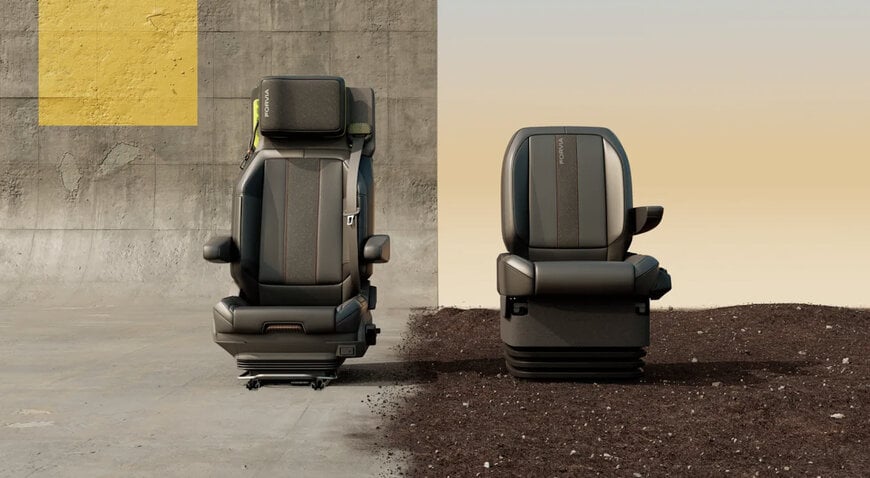
FORVIA presented two new seating systems for construction and mining equipment at ConExpo-CON/AGG (March 3 - 7)2026 in Las Vegas. The designs target operator comfort, durability, and serviceability while supporting integration into heavy-duty commercial and industrial vehicles.
Seating systems designed for construction environments
Construction and mining machinery expose operators to continuous vibration, long working hours, and harsh environmental conditions. Seating systems therefore play a critical role in ergonomics, fatigue reduction, and operational safety.
FORVIA’s two new seat designs address these requirements through reinforced metal structures, configurable comfort functions, and modular architectures that simplify integration into heavy equipment platforms. The technologies target machinery used in sectors such as earthmoving, mining, material handling, and large agricultural equipment.
The products were introduced as part of the company’s strategy to expand into the global commercial and industrial vehicle market.
Ergonomic platform with configurable comfort features
The first seating system is built on a heavy-duty metal platform engineered for industrial machinery and designed for straightforward integration into existing vehicle cabins.
The architecture allows manufacturers to configure multiple ergonomic and comfort functions without modifying the core structure. Available technologies include:
- adjustable side bolsters and lumbar support
- seat heating
- massage functionality
- configurable seat geometry
An integrated swivel system with an electronic locking mechanism allows operators to rotate and secure the seat position based on operational needs, improving visibility and control in machines where operators frequently change orientation.
The seat also integrates Vibe, a vibration-based operator alert system. The technology generates in-seat vibration signals to warn the operator of hazards or obstacles detected by machine systems, providing an additional human-machine interface for safety alerts.
These features aim to reduce operator fatigue and maintain concentration during extended machine operation.
Modular architecture designed for repairability
The second seating concept focuses on serviceability and lifecycle management. The design separates the cushion and backrest into modular units that can be individually replaced or upgraded.
This modular architecture enables equipment manufacturers and service providers to repair or upgrade seats without replacing the entire assembly. The approach reduces machine downtime and lowers lifecycle maintenance costs.
The seat incorporates a structural seatbelt-in-seat system, where the restraint mechanism is integrated into the seat frame rather than the vehicle chassis. This configuration ensures that the belt geometry remains aligned with the operator’s seating position, improving restraint performance and occupant safety.
Additional features supporting operator wellbeing include:
The seat also integrates Vibe, a vibration-based operator alert system. The technology generates in-seat vibration signals to warn the operator of hazards or obstacles detected by machine systems, providing an additional human-machine interface for safety alerts.
These features aim to reduce operator fatigue and maintain concentration during extended machine operation.
Modular architecture designed for repairability
The second seating concept focuses on serviceability and lifecycle management. The design separates the cushion and backrest into modular units that can be individually replaced or upgraded.
This modular architecture enables equipment manufacturers and service providers to repair or upgrade seats without replacing the entire assembly. The approach reduces machine downtime and lowers lifecycle maintenance costs.
The seat incorporates a structural seatbelt-in-seat system, where the restraint mechanism is integrated into the seat frame rather than the vehicle chassis. This configuration ensures that the belt geometry remains aligned with the operator’s seating position, improving restraint performance and occupant safety.
Additional features supporting operator wellbeing include:
- active lumbar support
- adjustable cushion length
- massage options
- thermal comfort control
These functions aim to reduce musculoskeletal strain and fatigue during long operating shifts common in construction and mining environments.
Both seat designs incorporate materials intended to support sustainability objectives in commercial vehicle interiors.
Expansion into the commercial and industrial vehicle sector
The unveiling of these seating technologies at ConExpo-CON/AGG 2026 in Las Vegas represents FORVIA Seating’s first participation in the event and reflects the company’s expansion strategy in the commercial vehicle sector.
The global commercial and industrial vehicle market accounted for approximately 7 million units in 2025, including around 4.6 million units in agricultural, construction, and material-handling equipment.
FORVIA’s presence at the exhibition is supported by the experience of FORVIA HELLA, which has an established supply base in the construction equipment sector.
According to Sébastien Limousin, Executive Vice President of FORVIA Seating, the company expects commercial and industrial vehicles to represent around 10% of its global sales by 2030, indicating a growing strategic focus on heavy-duty machinery and off-highway equipment applications.
www.forvia.com
Both seat designs incorporate materials intended to support sustainability objectives in commercial vehicle interiors.
Expansion into the commercial and industrial vehicle sector
The unveiling of these seating technologies at ConExpo-CON/AGG 2026 in Las Vegas represents FORVIA Seating’s first participation in the event and reflects the company’s expansion strategy in the commercial vehicle sector.
The global commercial and industrial vehicle market accounted for approximately 7 million units in 2025, including around 4.6 million units in agricultural, construction, and material-handling equipment.
FORVIA’s presence at the exhibition is supported by the experience of FORVIA HELLA, which has an established supply base in the construction equipment sector.
According to Sébastien Limousin, Executive Vice President of FORVIA Seating, the company expects commercial and industrial vehicles to represent around 10% of its global sales by 2030, indicating a growing strategic focus on heavy-duty machinery and off-highway equipment applications.
www.forvia.com
Powered by
Induportals Media Publishing