Mobile hydrogen refuelling system for off-grid operations
HYKIT launches a trailer-mounted hydrogen refuelling system with integrated storage and dispensing to support on-site refuelling for hydrogen-powered vehicles, machinery and generators. www.jcb.com HYKIT has introduced a modular, trailer-mounted refueling system to provide zero-emission energy infrastructure for construction and industrial sites independent of fixed networks. The partnership involves a joint venture between HYCAP, HydraB Group, and JCB to deploy rapidly repositionable hydrogen supply systems. This technological approach utilizes a unified storage and dispensing unit to eliminate logistical dependencies on permanent refueling stations in remote operating environments. Technical Integration of Modular Hydrogen Supply Chains The relevance of this system stems from the current infrastructure constraints limiting the adoption of zero-emission alternatives to diesel in the digital supply chain. Known as the MHR–X75, the unit provides a total capacity of 75kg of hydrogen and is engineered to support up to seven vehicles simultaneously. By utilizing a trailer-mounted configuration, the system integrates into the automotive data ecosystem as a mobile node capable of rapid setup with standard site equipment. Performance Monitoring and Safety Standards A central technical application of the MHR–X75 is the reduction of refueling turnaround times to approximately 10–15 minutes. The system architecture incorporates cloud-connected diagnostics and real-time performance monitoring to provide remote visibility of operational status. To justify safety claims in demanding environments, the unit is certified to TPED, ADR, and UK CDG standards. These mechanisms include integrated leak detection and emergency shutdown systems, ensuring that automated data validation remains consistent with stringent transport regulations. Additional Context This section details technical specifications and competitive benchmarking not included in the original product announcement. In comparison to traditional stationary hydrogen dispensers, the MHR–X75 utilizes a modular compression and storage architecture that allows for 70kg of usable hydrogen for generators and 50kg for vehicles. While many current industrial solutions rely on centralized high-pressure hubs, this federalized mobile approach mirrors the EDC-based architectures of other high-tech sectors by enabling localized data and resource management. Benchmarks indicate that mobile refueling units of this class can reduce site-related CO2 emissions by 100% at the point of use compared to diesel equivalents, provided the hydrogen is sourced via green electrolysis pathways. Edited by Romila DSilva, Induportals editor, with AI assistance. www.jcb.com Powered by Induportals Media Publishing
 machineryasia
HYKIT launches a trailer-mounted hydrogen refuelling system with integrated storage and dispensing to support on-site refuelling for hydrogen-powered vehicles, machinery and generators.
www.jcb.com
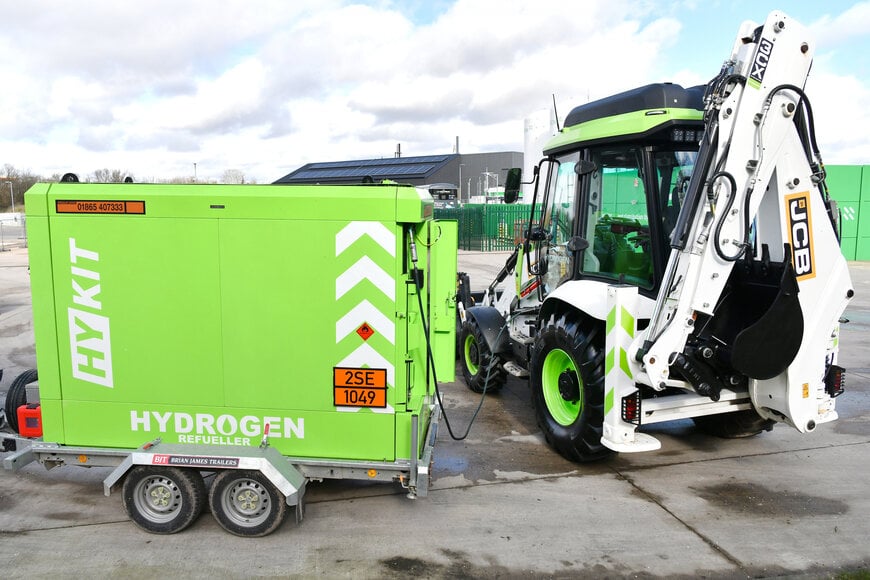
HYKIT has introduced a modular, trailer-mounted refueling system to provide zero-emission energy infrastructure for construction and industrial sites independent of fixed networks.
The partnership involves a joint venture between HYCAP, HydraB Group, and JCB to deploy rapidly repositionable hydrogen supply systems. This technological approach utilizes a unified storage and dispensing unit to eliminate logistical dependencies on permanent refueling stations in remote operating environments.
Technical Integration of Modular Hydrogen Supply Chains
The relevance of this system stems from the current infrastructure constraints limiting the adoption of zero-emission alternatives to diesel in the digital supply chain. Known as the MHR–X75, the unit provides a total capacity of 75kg of hydrogen and is engineered to support up to seven vehicles simultaneously. By utilizing a trailer-mounted configuration, the system integrates into the automotive data ecosystem as a mobile node capable of rapid setup with standard site equipment.
Performance Monitoring and Safety Standards
A central technical application of the MHR–X75 is the reduction of refueling turnaround times to approximately 10–15 minutes. The system architecture incorporates cloud-connected diagnostics and real-time performance monitoring to provide remote visibility of operational status. To justify safety claims in demanding environments, the unit is certified to TPED, ADR, and UK CDG standards. These mechanisms include integrated leak detection and emergency shutdown systems, ensuring that automated data validation remains consistent with stringent transport regulations.
Additional Context
This section details technical specifications and competitive benchmarking not included in the original product announcement.
In comparison to traditional stationary hydrogen dispensers, the MHR–X75 utilizes a modular compression and storage architecture that allows for 70kg of usable hydrogen for generators and 50kg for vehicles. While many current industrial solutions rely on centralized high-pressure hubs, this federalized mobile approach mirrors the EDC-based architectures of other high-tech sectors by enabling localized data and resource management. Benchmarks indicate that mobile refueling units of this class can reduce site-related CO2 emissions by 100% at the point of use compared to diesel equivalents, provided the hydrogen is sourced via green electrolysis pathways.
Edited by Romila DSilva, Induportals editor, with AI assistance.
www.jcb.com
Powered by
Induportals Media Publishing