Australia’s Export Machine Has an Ageing Equipment Problem
Hatch warns that orphaned bulk-handling assets in mines and ports are becoming a growing risk for operators, as OEM support, spare parts and legacy engineering knowledge disappear. Australia’s export economy depends on machines that rarely make headlines. Bucket wheel stacker-reclaimers, shiploaders and other bulk-handling systems move vast volumes of iron ore and coal through mines […] Australia’s Export Machine Has an Ageing Equipment Problem published on The HeavyQuip Magazine.
 machineryasia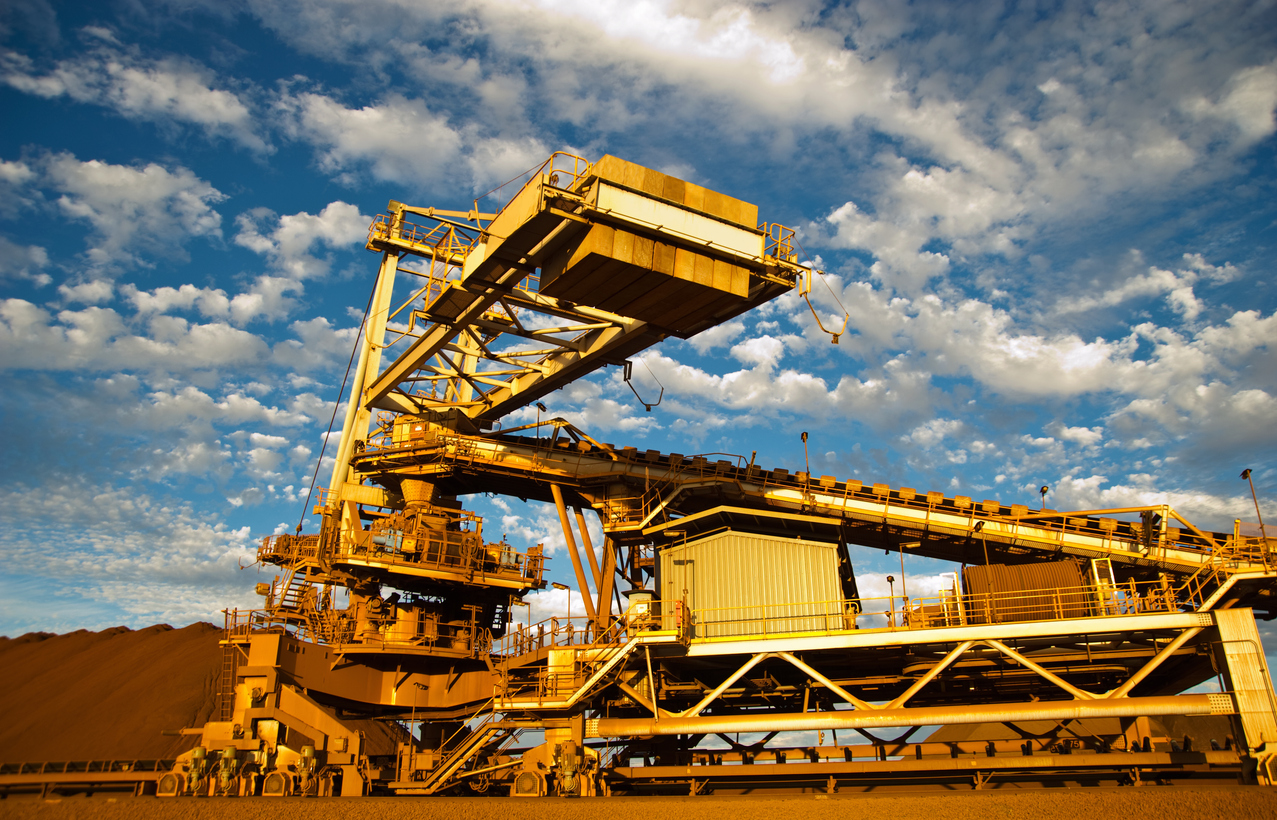
Hatch warns that orphaned bulk-handling assets in mines and ports are becoming a growing risk for operators, as OEM support, spare parts and legacy engineering knowledge disappear.
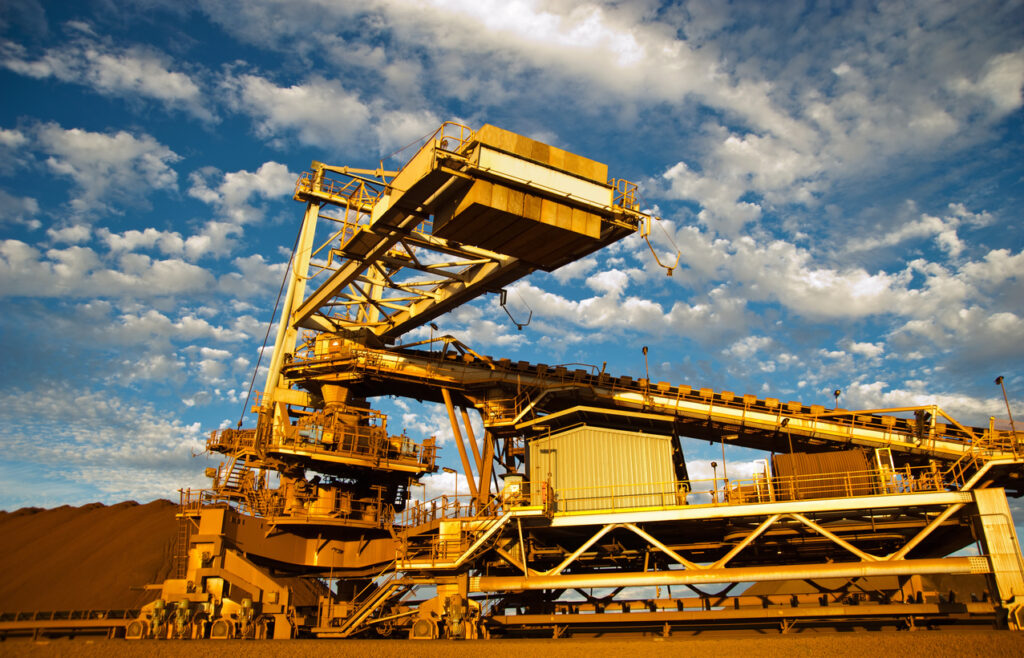
Australia’s export economy depends on machines that rarely make headlines. Bucket wheel stacker-reclaimers, shiploaders and other bulk-handling systems move vast volumes of iron ore and coal through mines and ports every year. But many of these multi-million-dollar assets are now operating beyond their original design life, creating a growing reliability challenge for operators.
Hatch, a professional services and engineering firm with specialist expertise in bulk materials handling, is warning that ageing infrastructure is becoming harder to support as original manufacturers disappear from the market or stop servicing older equipment. The result is a growing fleet of “orphaned assets” operating in critical export industries with limited access to original drawings, spare parts or legacy engineering knowledge.
That matters because the scale of Australia’s export system leaves little room for prolonged disruption. According to the material provided by Hatch, Australia exported $132.3 billion in goods in the March quarter alone, with mining contributing 62% of revenue and around 10% of national GDP. When a critical machine fails at a mine or port, the impact can move quickly through production schedules, vessel loading operations and export revenue.
The issue is especially significant in mining, ports and heavy industry, where large bulk-handling machines can cost well into the millions to design, build and install. These assets were often engineered to operate for decades, but many are now being asked to handle different throughput rates, heavier operational loads or changing material conditions compared with their original design assumptions.
Matthias Goeing, Hatch’s Director of Bulk Materials Handling Products in Germany, says a major part of the problem is the loss of industrial knowledge across the sector:
“Over the past two decades, the number of original equipment manufacturers capable of supporting large bulk-handling systems has declined significantly. Today, only a small number of suppliers remain globally, leaving operators with ageing infrastructure but limited access to original design knowledge, spare parts or specialist engineering support.”
The challenge is not limited to OEM support. Many asset owners have also reduced their internal engineering capacity, while experienced technical specialists are retiring and taking decades of machine-specific knowledge with them.
“Many operators have reduced their in-house engineering teams over the past decade, which has caused a huge – and growing – loss of technical knowledge in the area”
Goeing says.
Simon Nitschke, Hatch’s Brisbane-based Managing Director of Technologies, says the issue is already visible across Australia’s export infrastructure:
“Across Australia alone, there are dozens of multi-million-dollar machines operating in mines and ports that were supplied by companies that no longer exist or no longer support older equipment.”
For operators, the business case is complex. Replacing a complete bulk-handling system can involve costs in the tens or hundreds of millions, long procurement cycles and major disruption to production. Yet continuing to operate ageing machines without accurate documentation, fatigue analysis or structural assessment can increase the risk of major mechanical or structural failure.
This is pushing more mining, port and shipping operators toward modernisation rather than full replacement. Hatch says the focus is shifting to structural integrity assessments, redesign work, reverse engineering, rebuilt documentation, fatigue analysis and risk-based maintenance strategies.
In practical terms, that can mean redesigning components, reverse-engineering parts where original drawings no longer exist, analysing loads across ageing structures, or adapting machines to meet new operating requirements. In some cases, Hatch says its engineers are also redesigning entire machine sections originally supplied by overseas manufacturers where performance or support is no longer adequate.
One recent example involved a bucket wheel stacker-reclaimer that suffered a major structural failure. Hatch’s team helped the operator identify the root cause and avoid a multi-million-dollar machine replacement through a rebuild.
Beyond mechanical redesign, the company is also working on condition assessments, automation and digital modernisation to improve reliability and performance across ageing infrastructure.
For Australia’s export industries, the message is increasingly clear: keeping bulk-handling assets productive will not depend only on new equipment investment. As more machines outlive their original manufacturers, specialist engineering support may become central to keeping mines, ports and export supply chains moving.
Australia’s Export Machine Has an Ageing Equipment Problem published on The HeavyQuip Magazine.