Hybrid RTG Expansion for Low-Emission Container Yards
Konecranes supplies additional hybrid RTG cranes to Operaciones Portuarias Canarias to improve energy efficiency and reduce emissions in port operations. www.konecranes.com Canarias S.A. (OPCSA) has ordered four additional diesel-hybrid rubber-tired gantry cranes for container handling at the Port of Las Palmas de Gran Canaria. The systems are designed to improve yard efficiency and reduce fuel consumption through energy recovery mechanisms. Scaling hybrid container handling capacity The order, booked in Q1 2026 with delivery scheduled for Q4 2026, expands OPCSA’s hybrid crane fleet following a previous 2025 order of eight units. With this addition, the total number of Konecranes RTGs deployed at the terminal will reach 18 units. OPCSA operates a key container terminal serving regional and transatlantic trade flows. Increasing throughput requirements and environmental constraints have driven investments in equipment modernization, particularly in yard operations where diesel-powered machinery contributes significantly to emissions. Hybrid drive system and energy recovery The diesel-hybrid RTGs integrate an energy storage system that captures power generated during hoisting and lowering cycles. This recovered energy is reused to support subsequent lifting operations, reducing reliance on the diesel engine. In practical terms, this results in measurable reductions in fuel consumption and associated emissions compared to conventional diesel RTGs. The hybrid architecture also lowers operating costs by improving energy utilization efficiency during repetitive load cycles typical in container stacking operations. Such systems are particularly relevant in high-throughput terminals, where frequent lifting movements create continuous opportunities for energy regeneration. Operational performance and safety systems The cranes are designed to maintain lifting performance while improving energy efficiency. In addition to the hybrid powertrain, the units include integrated safety systems such as an anti-truck lift prevention mechanism, which reduces the risk of unintended lifting of vehicles during container handling. A gas-based fire prevention system is also included, providing protection for both equipment and cargo in enclosed or high-risk operational environments. These features address both operational reliability and compliance with safety standards in container terminals. Integration into modern port infrastructure The deployment forms part of a broader strategy to modernize port equipment and align with decarbonization targets. Hybrid RTGs serve as an intermediate step between conventional diesel systems and fully electrified or zero-emission alternatives. This approach reflects a wider transition within the material handling sector toward a digital supply chain, where equipment efficiency, emissions monitoring, and lifecycle service agreements are increasingly interconnected. OPCSA has also entered into a five-year service agreement covering maintenance and operational support, indicating a lifecycle-based approach to equipment performance and availability. Positioning within port decarbonization pathways Hybrid RTG technology is widely recognized as a transitional solution in container terminal electrification strategies. Compared to fully diesel-powered cranes, hybrid systems offer quantifiable reductions in fuel use and emissions without requiring full electrification infrastructure such as grid connections or cable reels. Within broader decarbonization frameworks, hybrid RTGs complement other technologies including renewable diesel, battery-electric systems, and emerging hydrogen-based solutions. This staged approach allows terminal operators to balance capital investment, operational continuity, and environmental performance improvements. By expanding its hybrid fleet, OPCSA continues to align operational efficiency with emissions reduction targets while maintaining throughput capacity in a high-demand port environment. Edited by an industrial journalist Sucithra Mani with AI assistance. www.konecranes.com Powered by Induportals Media Publishing
 machineryasia
Konecranes supplies additional hybrid RTG cranes to Operaciones Portuarias Canarias to improve energy efficiency and reduce emissions in port operations.
www.konecranes.com
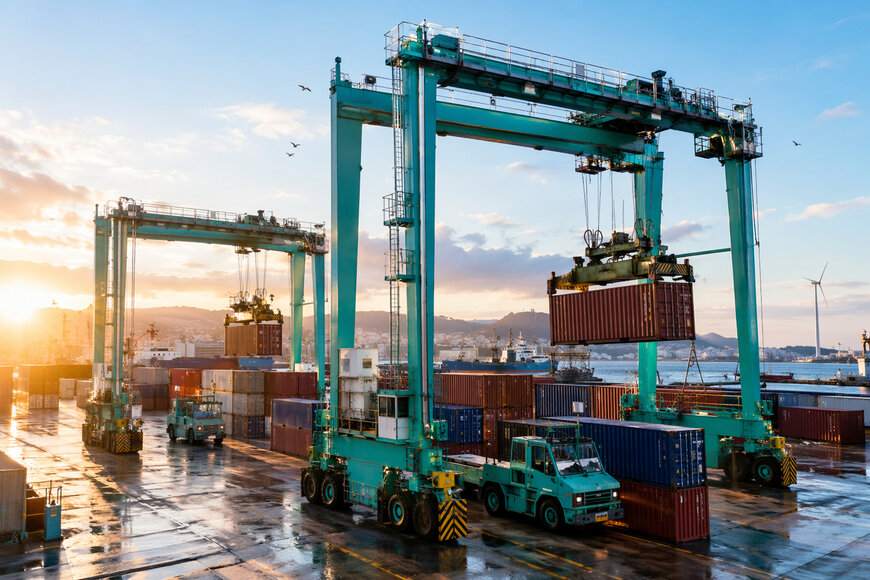
Canarias S.A. (OPCSA) has ordered four additional diesel-hybrid rubber-tired gantry cranes for container handling at the Port of Las Palmas de Gran Canaria. The systems are designed to improve yard efficiency and reduce fuel consumption through energy recovery mechanisms.
Scaling hybrid container handling capacity
The order, booked in Q1 2026 with delivery scheduled for Q4 2026, expands OPCSA’s hybrid crane fleet following a previous 2025 order of eight units. With this addition, the total number of Konecranes RTGs deployed at the terminal will reach 18 units.
OPCSA operates a key container terminal serving regional and transatlantic trade flows. Increasing throughput requirements and environmental constraints have driven investments in equipment modernization, particularly in yard operations where diesel-powered machinery contributes significantly to emissions.
Hybrid drive system and energy recovery
The diesel-hybrid RTGs integrate an energy storage system that captures power generated during hoisting and lowering cycles. This recovered energy is reused to support subsequent lifting operations, reducing reliance on the diesel engine.
In practical terms, this results in measurable reductions in fuel consumption and associated emissions compared to conventional diesel RTGs. The hybrid architecture also lowers operating costs by improving energy utilization efficiency during repetitive load cycles typical in container stacking operations.
Such systems are particularly relevant in high-throughput terminals, where frequent lifting movements create continuous opportunities for energy regeneration.
Operational performance and safety systems
The cranes are designed to maintain lifting performance while improving energy efficiency. In addition to the hybrid powertrain, the units include integrated safety systems such as an anti-truck lift prevention mechanism, which reduces the risk of unintended lifting of vehicles during container handling.
A gas-based fire prevention system is also included, providing protection for both equipment and cargo in enclosed or high-risk operational environments.
These features address both operational reliability and compliance with safety standards in container terminals.
Integration into modern port infrastructure
The deployment forms part of a broader strategy to modernize port equipment and align with decarbonization targets. Hybrid RTGs serve as an intermediate step between conventional diesel systems and fully electrified or zero-emission alternatives.
This approach reflects a wider transition within the material handling sector toward a digital supply chain, where equipment efficiency, emissions monitoring, and lifecycle service agreements are increasingly interconnected.
OPCSA has also entered into a five-year service agreement covering maintenance and operational support, indicating a lifecycle-based approach to equipment performance and availability.
Positioning within port decarbonization pathways
Hybrid RTG technology is widely recognized as a transitional solution in container terminal electrification strategies. Compared to fully diesel-powered cranes, hybrid systems offer quantifiable reductions in fuel use and emissions without requiring full electrification infrastructure such as grid connections or cable reels.
Within broader decarbonization frameworks, hybrid RTGs complement other technologies including renewable diesel, battery-electric systems, and emerging hydrogen-based solutions. This staged approach allows terminal operators to balance capital investment, operational continuity, and environmental performance improvements.
By expanding its hybrid fleet, OPCSA continues to align operational efficiency with emissions reduction targets while maintaining throughput capacity in a high-demand port environment.
Edited by an industrial journalist Sucithra Mani with AI assistance.
www.konecranes.com
Powered by
Induportals Media Publishing