The Last Pencil Manufacturer in Pencil City, USA Continues Making a Mark
Musgrave Pencil Company of Shelbyville, Tenn., finds its niche in a market saturated by imports.
 machineryasia
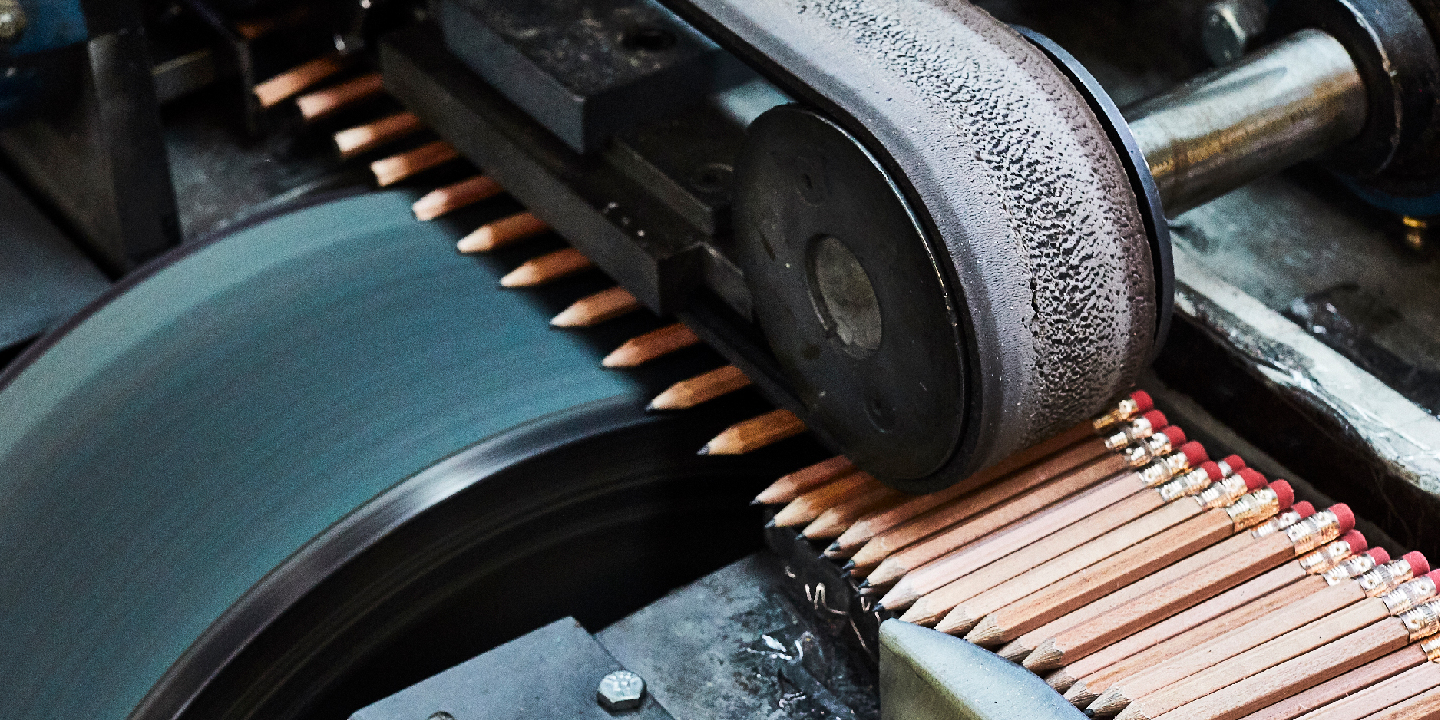
Musgrave Pencil Company finds its niche in a market saturated by imports.
In the 1950s, then-Tennessee Governor Buford Ellington dubbed the small Volunteer State town of Shelbyville, “Pencil City U.S.A.” With a population of less than 10,000 residents at the time, the city was home to six major pencil manufacturing companies.
Today, only one remains.
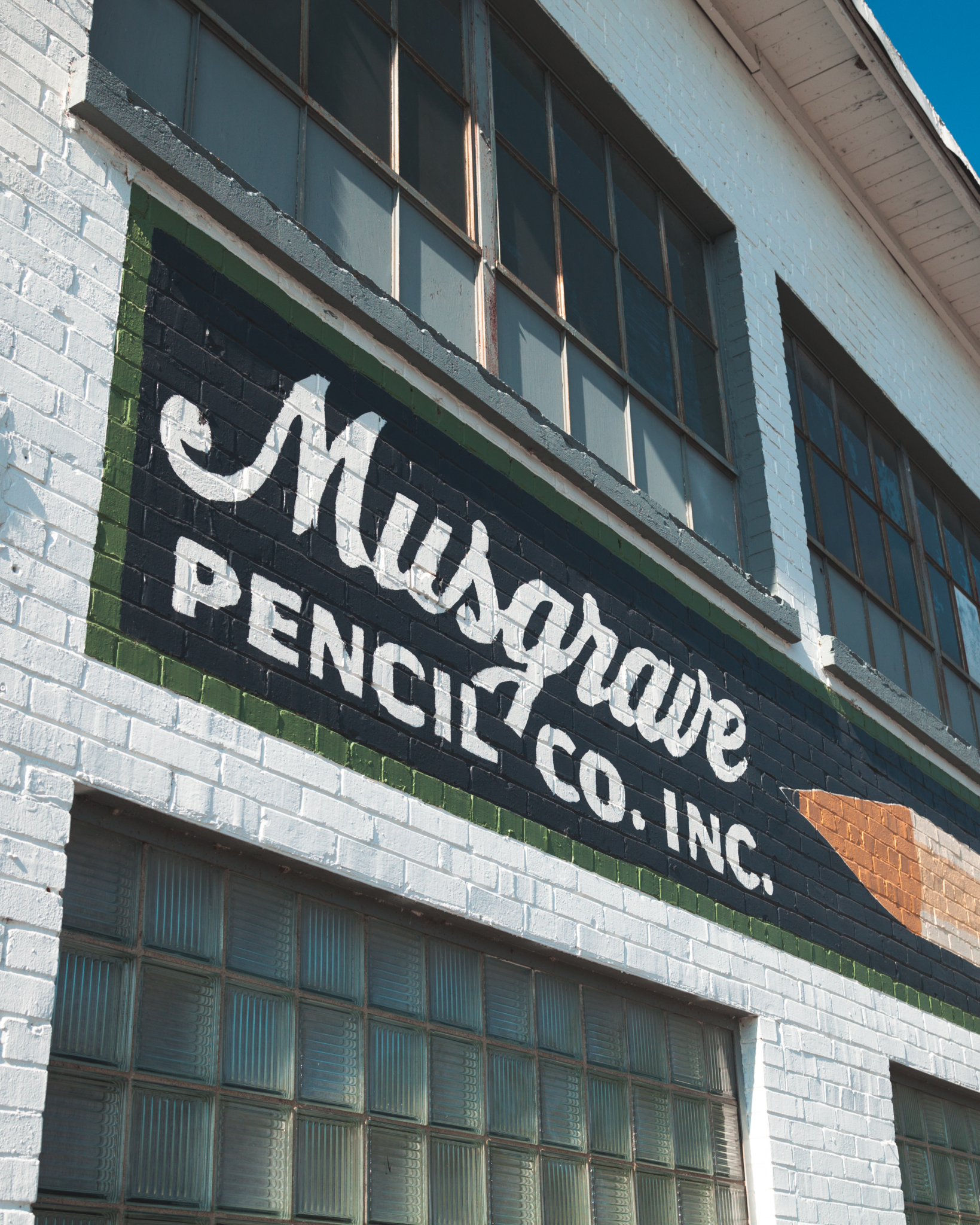
The family-owned Musgrave Pencil Company has been manufacturing pencils in Shelbyville since 1923. It is the only remaining pencil manufacturer in Shelbyville and one of three that retain manufacturing in the entire United States.
During the 1990s, most pencil manufacturing, like a huge amount of American manufacturing, was moved offshore to China and other countries in Southeast Asia.
But the Musgrave Pencil Company has been able to find its niche in a marketplace crowded with overseas pencil makers.
The company is well known for its variety of pencils that are printed with names of companies or organizations. As Musgrave President Scott Johnson likes to say, “We are the world’s smallest billboard.”
The Musgrave company began in 1916 as a maker of wood slats that were shipped to pencil manufacturers in Germany. The red cedar trees of Tennessee had the perfect composition for the pencil making process.
In 1923, the Musgrave family decided to just make the pencils themselves rather than be a supplier for other companies.
“We were in the cedar slat business and didn’t start making pencils until 1923,” said Johnson. “We started out as a lumber mill in 1916 and sold pencil slats to German pencil manufacturers. After World War I we traded a bunch of slats for pencil making machinery, and the rest is history.
“Imported pencils that come in is roughly 3.3 billion pencils a year. That’s why our highest and best market is in the custom lane which is harder to do overseas. Printing is our primary business. It’s a large majority of what we do.”
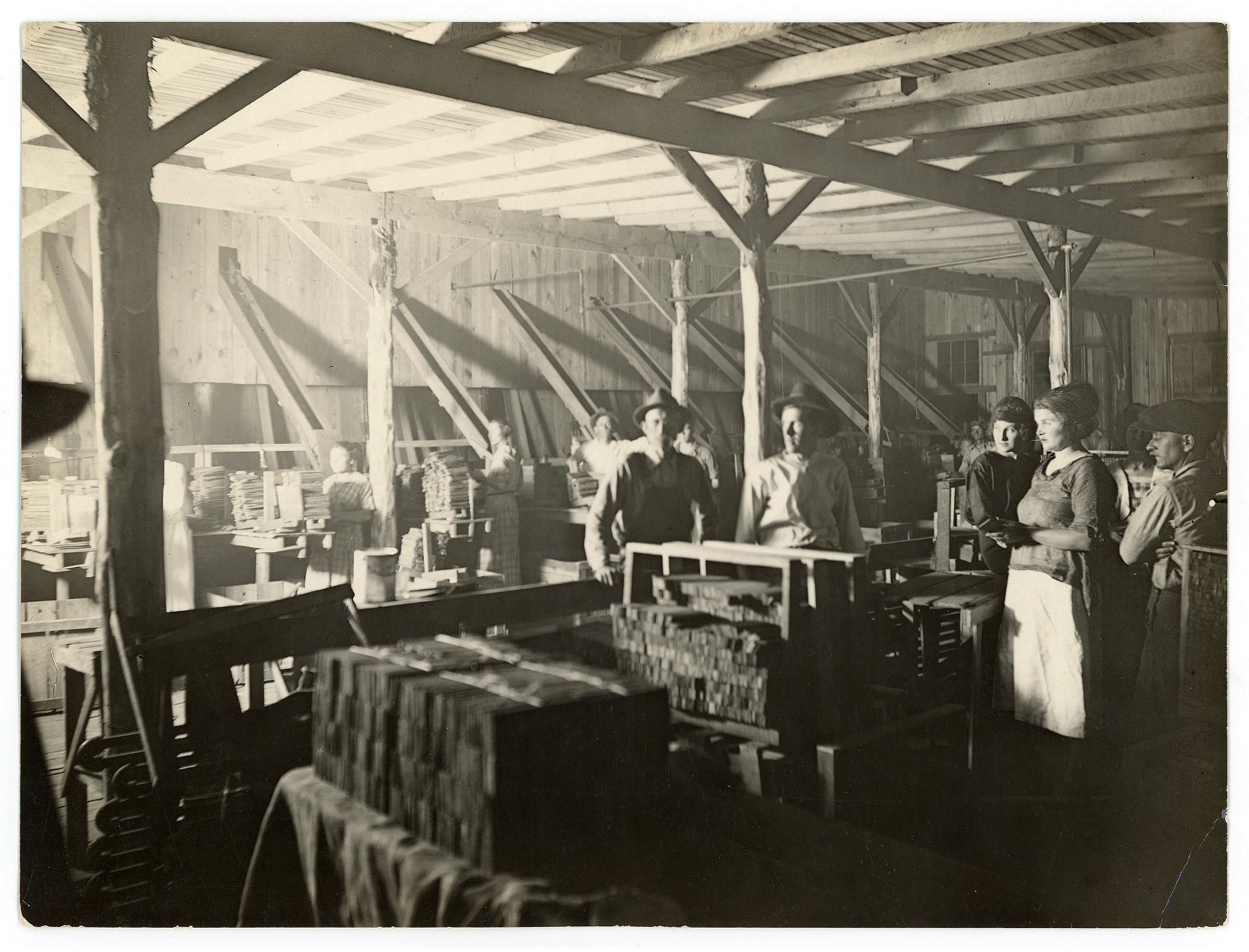
The Musgrave Pencil Company manufacturers between 80 and 90 million pencils each year at its Shelbyville factory. There are 85 full-time employees at the facility.
The longtime term “lead pencil” is a misnomer, Johnson explained. It is a mixture of graphite and clay that accounts for the pencil’s writing capabilities.
“It never was lead,” said Johnson. “It was referred to as lead because apparently lead was once used to mark sheep, so when graphite was discovered in the [United Kingdom] and it had the same marking qualities it was labeled lead. But lead has never been part of pencil writing.”
Wood slats used in the Musgrave pencil-making process are primarily basswood and poplar. A small percentage of pencils are constructed with incense cedar, which was originally the preferred timber but the sourcing today is cost-prohibitive.
The Musgrave manufacturing team takes wood slats and runs them through a molding machine, which cuts precision-dimensioned grooves that will house the graphite marking core. A mirror image is then grooved from the slat so that the two pieces sandwich the graphite. The two sides are clamped together with glue before returning to a molding machine to shape the pencil. Pencil shapes are round, hex (hexagon), carpenter and bridge.
Pencils are painted and then printed, a process that has allowed Musgrave to find its lane in the pencil marketplace. The metal that surrounds and attaches an eraser to the pencil is known as a ferrule and those are added to most pencils. They go through quality control and packaging before hitting the marketplace where they compete with hundreds of foreign-made writing implements.
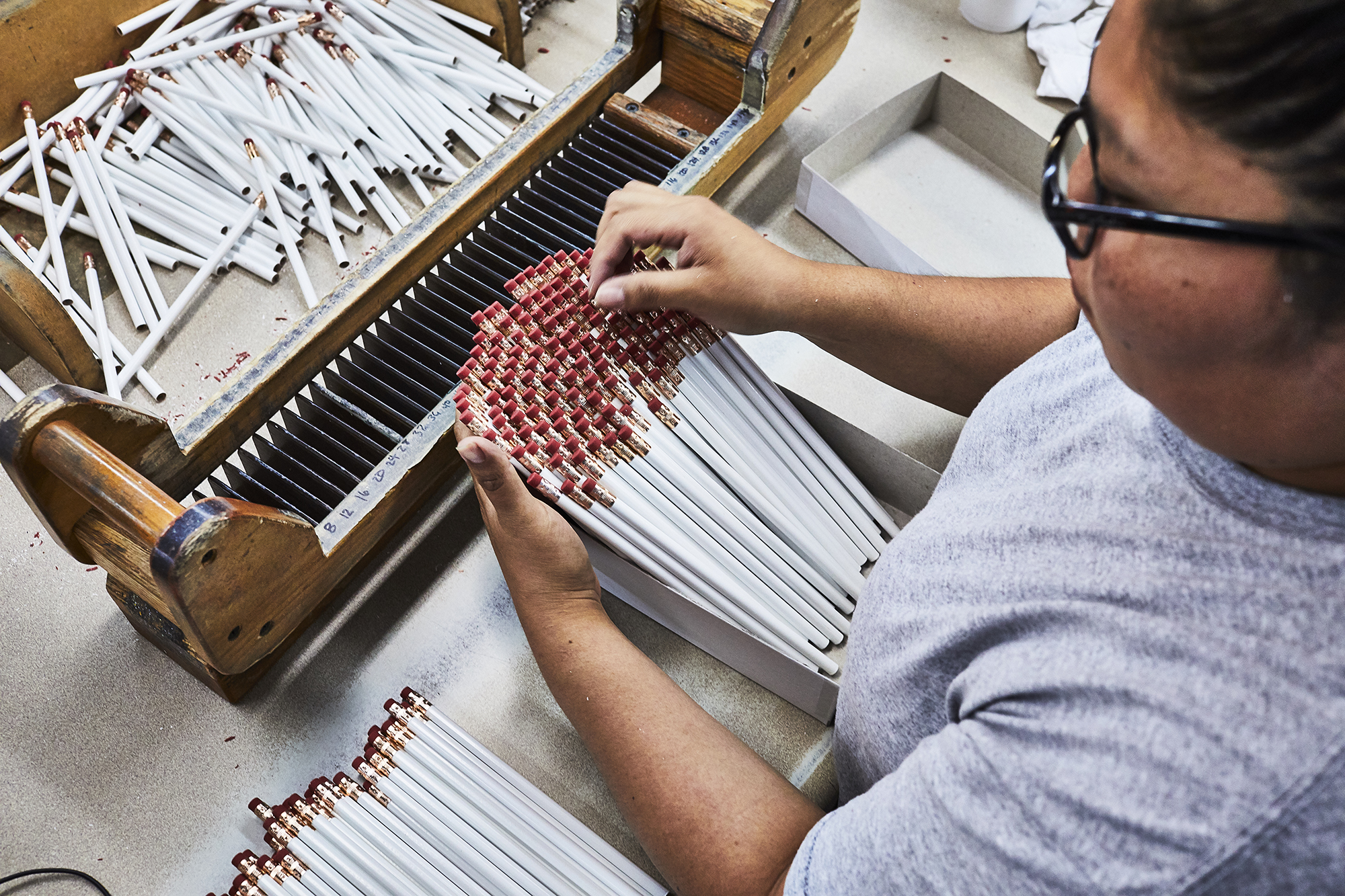
“Our competition is from imported pencils,” said Johnson. “They are made in India, Vietnam, Indonesia, Thailand, China, Mexico and Brazil. Imports dominate the pencil landscape.
“There are some major clients that are committed to U.S. manufacturing and, really, our business has stayed steady. Part of the reason for that is we are not in the commodity lane. You’re not going to find Musgrave on the store shelves of big box stores because the import price drives those economics.
“Our lane is custom pencils and that’s where we thrive. Specialty printing and specialty designer pencils that we do for both school kids and adults is what we do.”
One of the many specialty designs produced by Musgrave is the “America 250” line that is now part of our nation’s anniversary celebration. Musgrave is the only pencil manufacturer with a licensed America 250 designation.
“Our pencils are in the White House gift shop. They’re in the governor’s office in the state of Tennessee,” said Johnson. “We are celebrating America 250, and that’s a win for us. We plan to celebrate that.
“We are sought after by museums; we’re sought after by a lot of specialty applications. We do some cruise lines, we do hotels, we do a lot of lumber yards particularly in the construction space.”
All Musgrave pencils go through rigorous toxicological testing by the Pencil Makers of America (PMA) which is part of the Writing Instrument Manufacturers Association (WIMA).
“We have studied intensely the chemical construct of our products, along with some of our colleague member companies to make sure the pencils are good for the consumer,” said Johnson. “This is just super important in terms of product safety.”
Everyone knows the standard No. 2 pencils that were a part of their school days. When taking the SAT test, we were told to just bring our minds and two sharp No. 2 pencils.
“The lion’s share of everything we sell is the No. 2 pencil,” said Johnson. “Whether you customize a pencil and buy one of our Musgrave branded products it’s going to be that No. 2.”
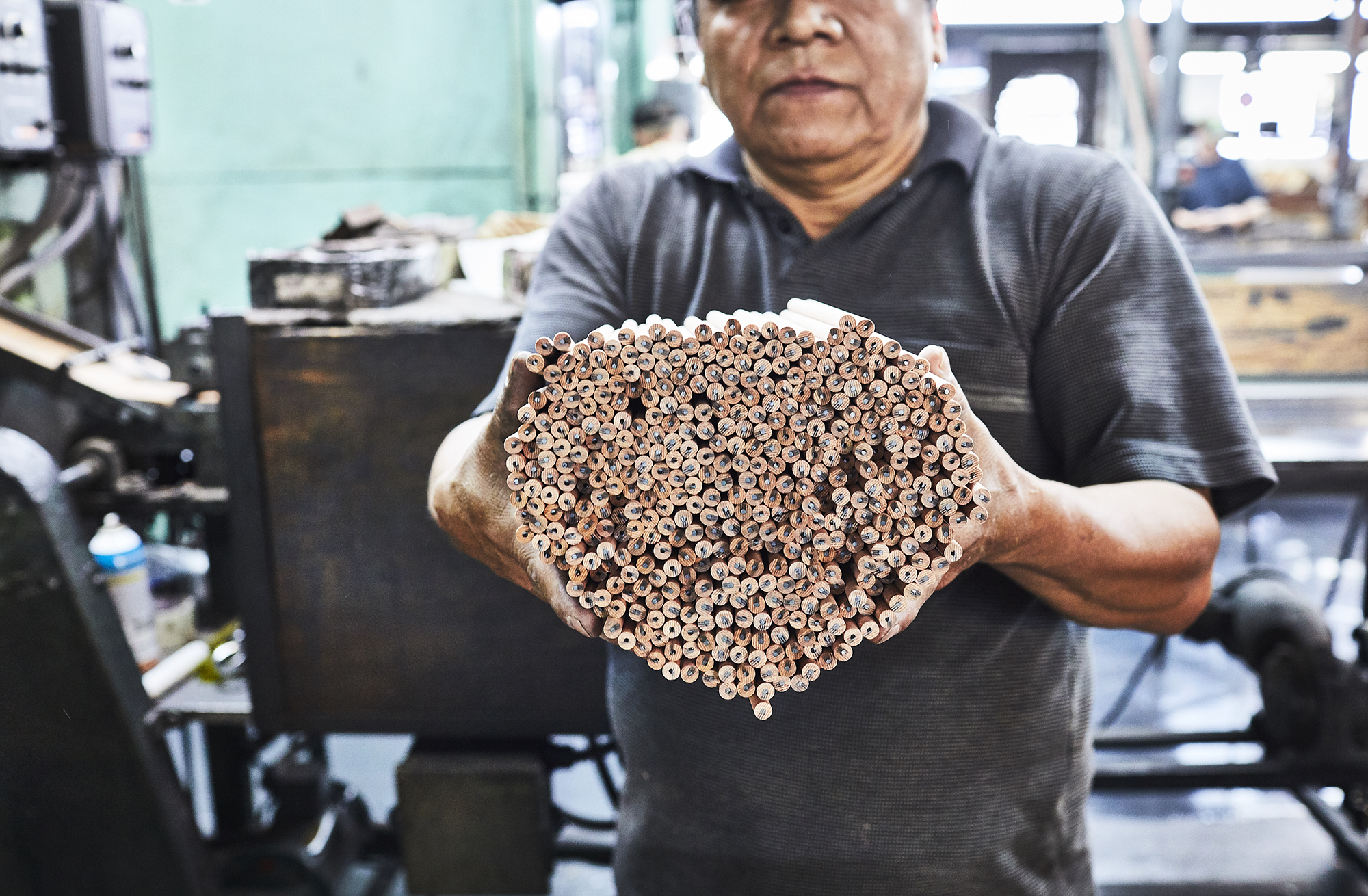
Musgrave’s biggest selling pencil is the carpenter’s pencil, which is also a No. 2 that is wider with flat sides.
“I think we are by far the leading manufacturer of carpenter pencils,” said Johnson. “The core of the carpenter pencil is the same hardness as the No. 2 core. Our biggest client is the home improvement and construction market groups. I would say the pencil market is dominated by what we all know as the yellow hex pencil. A hexagon.
“We also have songwriting pencils, which have a softer core for musicians writing on sheet music. Hard means it’s going to have less graphite and more clay and it will write lighter. Soft, as in the songwriter pencils, means it will have a higher ratio of graphite and a lower ratio of clay, which means it will write darker.”
Musgrave also makes golf pencils. Some even come equipped with an eraser if you are looking to improve your score.
Many Musgrave pencils are sold to distributors who then sell to schools and other institutions. The company also makes artist pencils and colored highlighting pencils. Musgrave pencils are also available with custom printing online at www.musgravepencil.com.
“You can get any color on the (Pantone Matching System) chart and we can customize any color,” said Johnson. “We’ve got to stay competitive and try to make it work and we’ve found a way.
“The pencil is fantastic because it is environmentally friendly and doesn’t dry out like ink and it’s much more renewable. We think there is always a place for that.”

The Alliance for American Manufacturing does not receive a commission from purchases made through the above links, nor was the organization or author paid for favorable coverage.
Labeling Note: This story is intended to highlight companies that support American jobs and that make great products in the United States. We rely on the companies listed to provide accurate information regarding their domestic operations and their products. Each company featured is individually responsible for labeling and advertising their products according to applicable standards, such as the Federal Trade Commission’s “Made in USA” standard or California’s “Made in USA” labeling law. We do not review individual products for compliance or claim that because a company is listed in the guide that their products comply with specific labeling or advertising standards. Our focus is on supporting companies that create American jobs.
For more on the Federal Trade Commission’s standards for “Made in USA” claims and California’s “Made in USA” labeling law, please also read this guest post by Dustin Painter and Kristi Wolff of Kelly Drye & Warren, LLP.