For our Fine Feathered Friends, American-made Gathering Spots to Hang Outside Your Home
JCS Wildlife in Evansville, Indiana builds birdhouses and feeders of various shapes and sizes ... depending on who you'd like to swoop in.
 machineryasia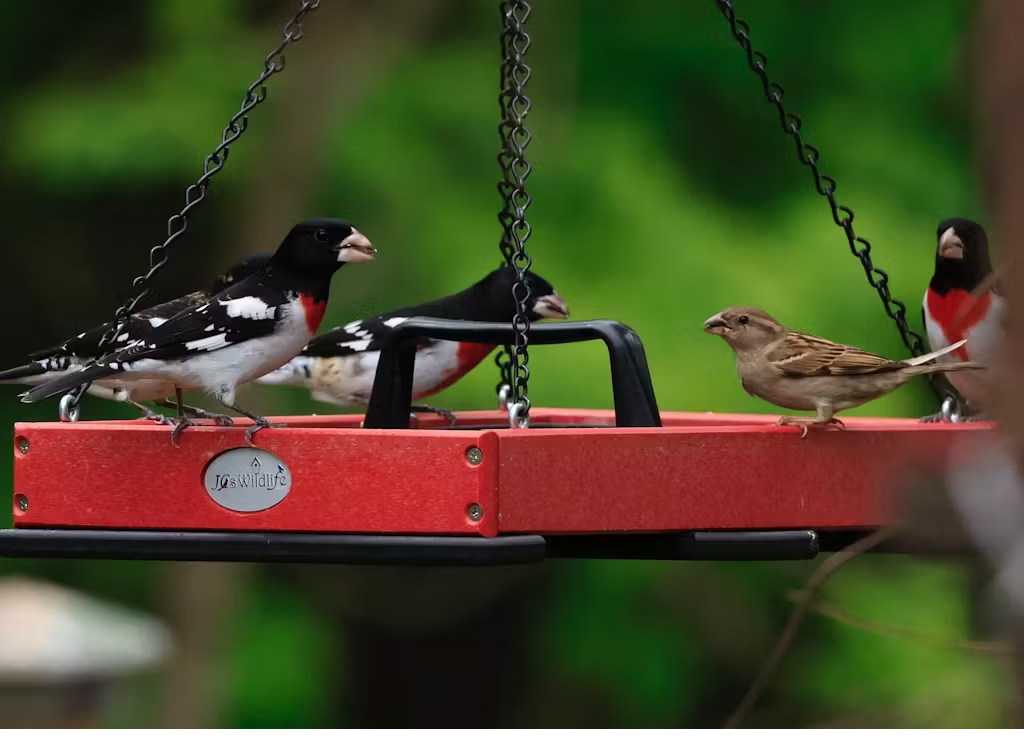
JCS Wildlife in Evansville, Indiana builds birdhouses and feeders of various shapes and sizes … depending on who you’d like to swoop in.
The euphonious singing and chirping of outdoor birds is an indication of an imminent spring season. With the vernal equinox comes the nesting, migrating and feeding of our feathered friends.
Whether they be local or migratory, the reappearance of the aviary set is as sure as the swallows returning to Capistrano.
You don’t have to be an ornithologist to appreciate the sounds and hues of our winged neighbors. For the eyes of serious birdwatchers to those who just enjoy their backyard company, birds are preparing for the coming months and we can help them, too.
JCS Wildlife is an Evansville, Indiana company that manufactures birdhouses and feeders of varied sizes and shapes that provide homes and nesting spots for birds during the March through August nesting season.
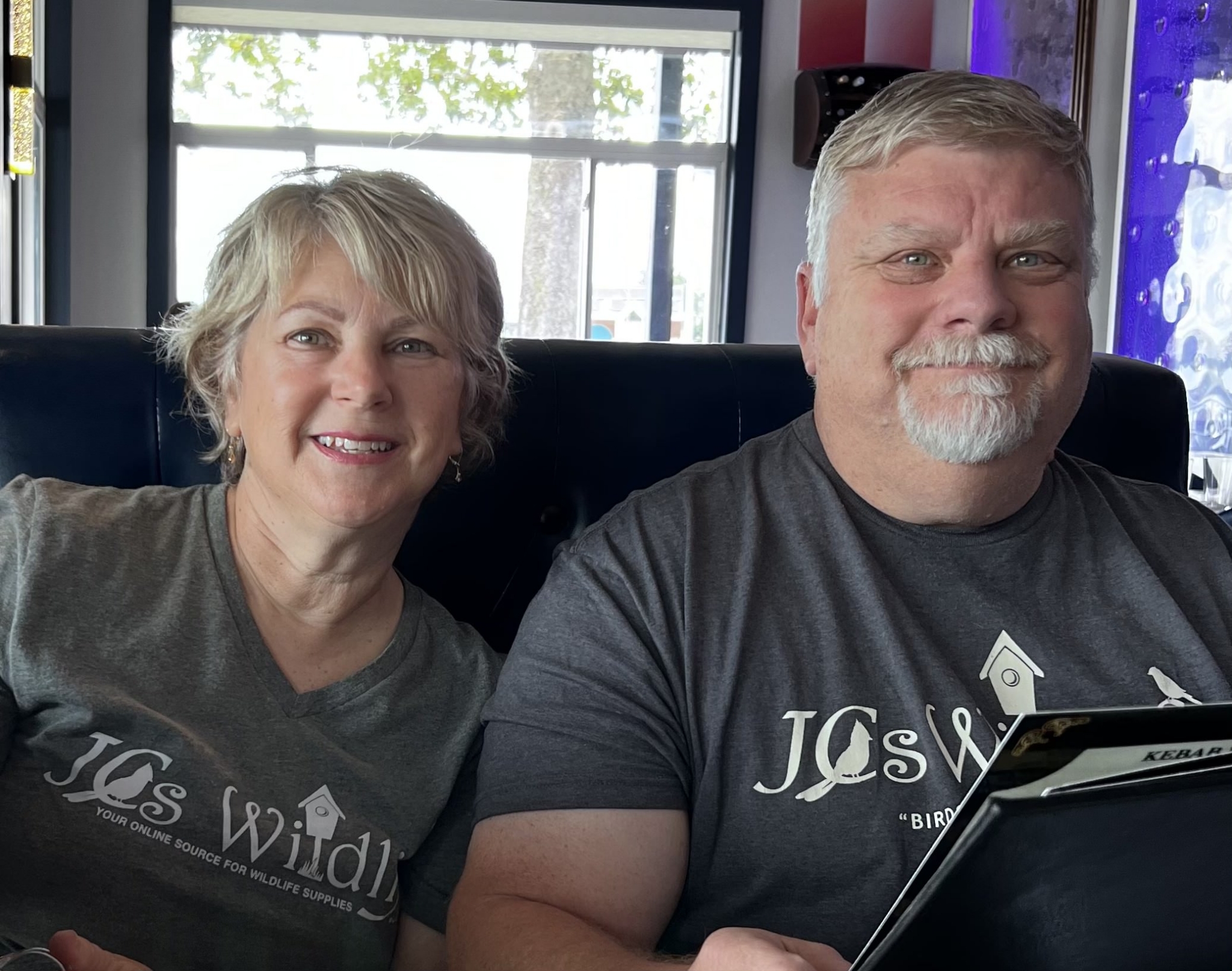
Jenn and Chris Briggs started a small company in the basement of their home in 2014. Today JCS Wildlife encompasses a 4,800 square foot woodshop and a 15,000 square foot warehouse in Southern Indiana.
“It started out as a hobby with my husband building stuff out of our basement,” said Jenn Briggs. “He was an executive with a really stressful job and he wanted to do something to relax. He was always very handy. So, he had all these tools and said he could just start making birdhouses and sell them on eBay.
“So, he started doing that and it became houses and bird feeders and then it just expanded to other birdhouses like owl houses which became a big thing. Except for 2024, business has increased year over year.”
What began as a husband-and-wife operation has grown into a ten-person staff; six of whom work building the houses and feeders and four who run a small retail store.
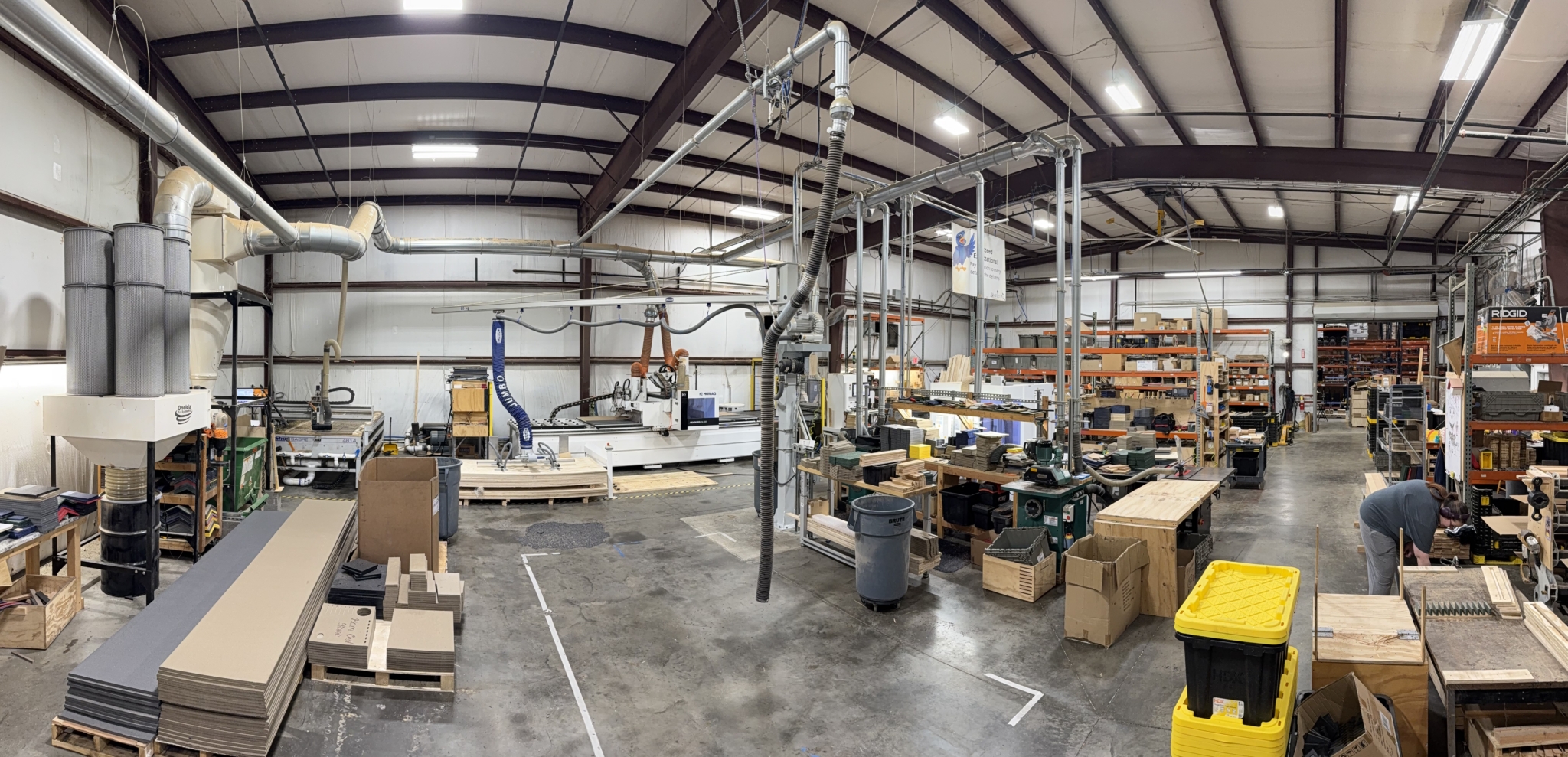
The woodshop has expanded to include four CNS machines for both cutting and drilling. March is the time of year that the woodshop is operating at full bore.
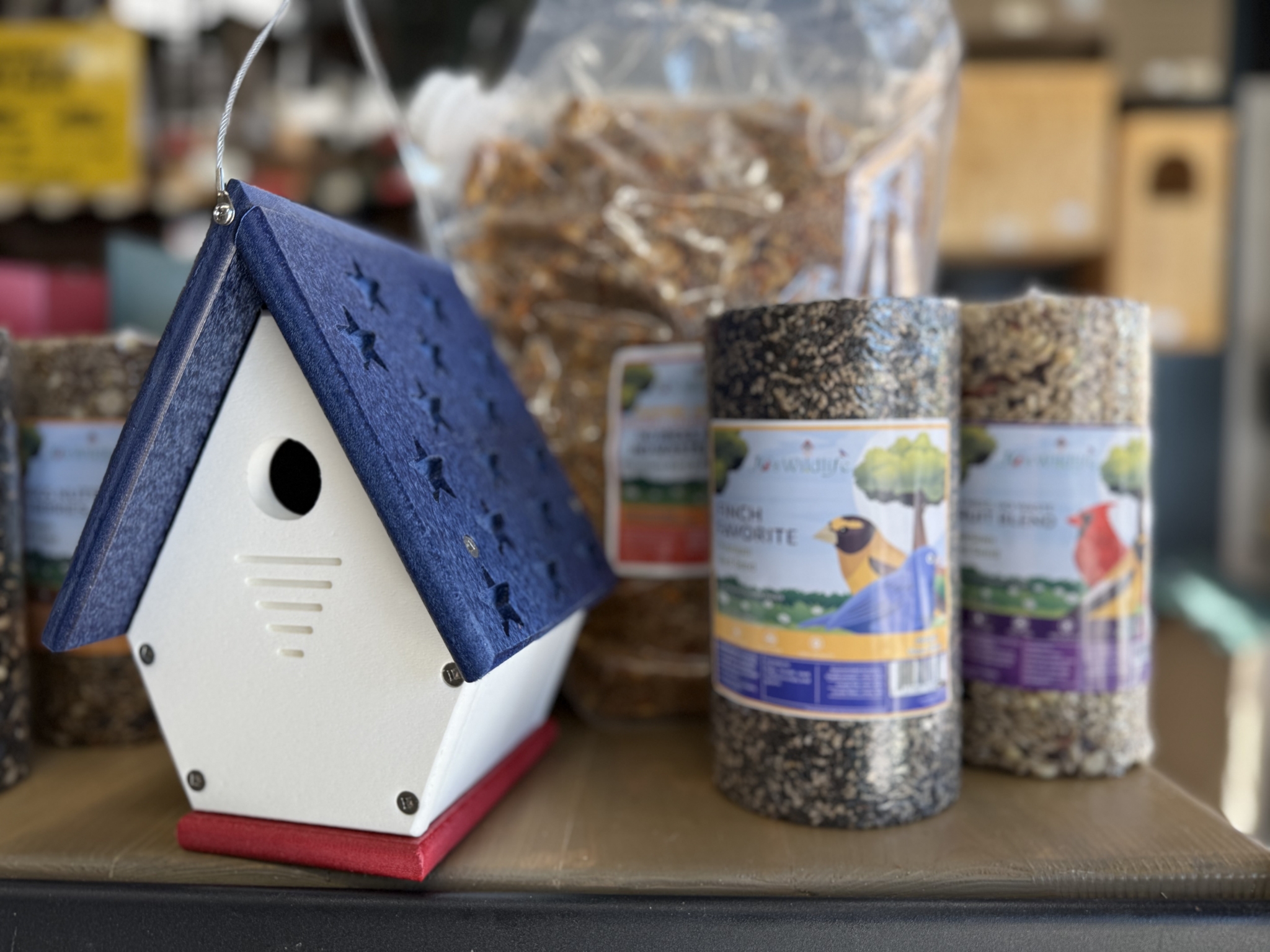
JCS Wildlife birdhouses are generally made from cedar, plywood and Polywood. The cedar is ideal because it doesn’t rot and is insect resistant.
“We use a really thick cedar so it’s going to last a long time,” said Jenn Briggs. “It has great insulating value. Our cedar is a white cedar that is almost an inch thick. It’s insulating, the insects are not going to get into it and it’s not going to rot. It will get a natural patina on it, and it will be beautiful for years and years to come.”
The Briggs also create with Polywood, a recycled material that mimics wood and is often used in backyard decks or furniture.
“It’s recycled milk jugs, basically,” said Jenn Briggs. “It doesn’t fade, it doesn’t split, it doesn’t discolor. It’s just going to look good for 20 years. Since it is plastic, it is going to stay clean so birds can stay healthy because you can clean it. It is a great material to work with, and it goes together like wood, so you drill it, you screw it.
“Some of our owl boxes are made of really high-grade plywood. And we use acrylic on some things. We do a lot of window feeders and hanging feeders that are made with acrylic. We get sheets of acrylic in, and we bend it as it lays on a heater to form those bird feeders.”
The Briggs source the cedar from the Northwestern United States and they bring in the Polywood from Chicago. All raw materials are sourced in the U.S. except for the long poles that are sometimes used to keep the birds and their nests away from squirrels.
The biggest sellers are the screech owl and squirrel houses, with each taking the number one spot depending on the time of year. Then comes the barn owl, the barred owl and the bluebird house.
“Bluebirds are so beautiful and loved and people want to do everything they can for them because their population was decimated back in the ’60s and ‘70s,” said Jenn Briggs. “They are native to North America, yet their nests were being destroyed and their numbers went down because of non-native birds.
“We were helping build that population by feeding them and building very specific houses. But the wren and chickadee are also so small and like a different type of house. With our feeders, people love to see orioles and we have specific feeders for them because they eat jelly and fruit and people want to attract them and keep them around.”
Birdhouse placement and the type of birds you will attract is not universal. Some birdhouses are displayed, yet never see a bird move in.
“It’s basically what part of the country do you live,” said Jenn Briggs. “What you have and providing a habitat for them is going to keep them around. Some birds just pass through, some birds are there for life, some birds nest in houses and some birds don’t.
“So, like robins, they will use a platform to build their nest, but they are not going to go into a house like a bluebird will. It’s trying to make sure you are providing that habitat for each of the different types of birds you have in your yard.
“Birds are very particular. They are particular to the hold size to get in, the shape of the house, the depth of the house. All that stuff matters. That’ why you will see the barred owl house is different from the barn owl house. You have to have the right type of house to attract what it is you are trying to attract.”
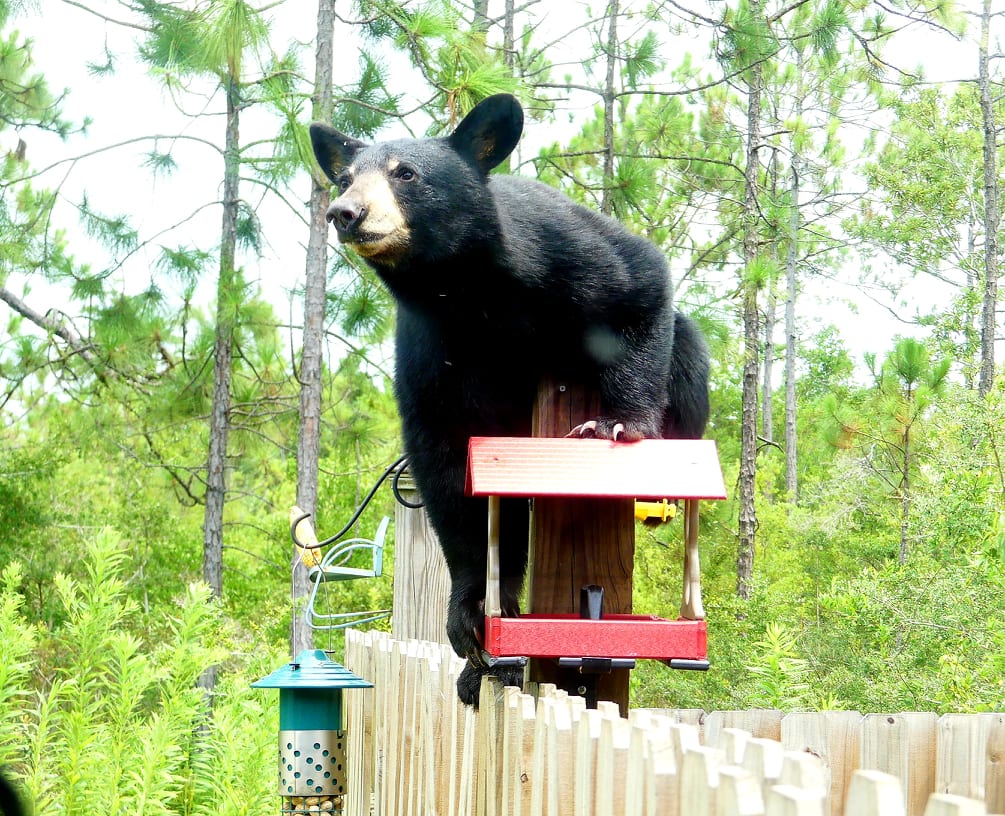
In addition to the bird abodes JCS Wildlife manufactures and sells squirrel houses, which have become a fun item with plenty of squirrels stopping in for visits. And it sells its own blend of bird feed that is purchased from an Amish-owned company in Ohio. This helps to prevent the squirrels from noshing on the bird feed.
“Say you want to feed the birds but don’t want to feed the squirrels,” said Jenn Briggs. “We have a squirrel stopper line of food. It is hot pepper food. It is really, really hot food and because the squirrels are mammals, and like us they have those same receptors in their tongue that feel the heat, they don’t like it and they won’t eat it. But the birds don’t have that. They can eat it all day long and it doesn’t bother them.”
JCS Wildlife also sells houses for bluebirds and squirrels that come equipped with a camera so you can watch them from anywhere at any time. Unfortunately, cameras, like many electronics, are not made in America.
Those are outliers. JCS Wildlife carries houses and feeders made by other companies but most of its products are made in Evansville. The company works with American manufacturer Aspects on many items and sells to other retail outlets like Wild Birds Unlimited.
“Aspects is a bird feeder manufacturer and everything of theirs is made in the U.S.,” explained Jenn Briggs. “We’ve seen a lot of manufacturers that used to be American-made but they sold and the new owners have taken the manufacturing overseas.
“Now is the time people get out with a new feeder or new house because birds are nesting right now,” she said. “People are going to want to put up a bluebird house now so they can nest.
“People are definitely getting out and getting stuff ready for their yard. Hummingbirds are coming back from Mexico so people are buying nesting material and feeders.
“I think as we get older, we learn how to slow down and really look and appreciate nature and so I tell people all the time that I am a lazy bird feeder. But I have customers that say they look forward every day to going out and feeding the birds.”
The Alliance for American Manufacturing does not receive a commission from purchases made through the above links, nor was the organization or author paid for favorable coverage.
Labeling Note: This story is intended to highlight companies that support American jobs and that make great products in the United States. We rely on the companies listed to provide accurate information regarding their domestic operations and their products. Each company featured is individually responsible for labeling and advertising their products according to applicable standards, such as the Federal Trade Commission’s “Made in USA” standard or California’s “Made in USA” labeling law. We do not review individual products for compliance or claim that because a company is listed in the guide that their products comply with specific labeling or advertising standards. Our focus is on supporting companies that create American jobs.
For more on the Federal Trade Commission’s standards for “Made in USA” claims and California’s “Made in USA” labeling law, please also read this guest post by Dustin Painter and Kristi Wolff of Kelly Drye & Warren, LLP.