Digital Energy Infrastructure for Electric Construction Sites
Liebherr Energy Solutions GmbH consolidates Liebherr’s storage and energy planning technologies to enable electrified construction sites through integrated hardware, software, and future energy services. www.liebherr.com The foundation of Liebherr Energy Solutions GmbH in Baden, Switzerland, expands the Liebherr Group’s capabilities in digital energy management for construction and commercial vehicle applications. The new entity integrates battery-based energy storage systems with browser-based planning and IoT-enabled monitoring tools to support the transition from fossil-fuelled to battery-electric machinery. Integrated Energy Storage and Planning Liebherr Energy Solutions GmbH emerges from the components division of the Liebherr Group and focuses on combining energy storage hardware with proprietary software for construction-site energy optimisation. At the core of the portfolio is a mobile, battery-based energy storage system designed to provide locally emission-free electricity for heavy construction equipment. The system is engineered for high power density and compact deployment, enabling flexible operation across sites with varying load profiles. Such mobile storage units can buffer peak loads, stabilise temporary grid connections, and reduce reliance on diesel generators—key factors in lowering on-site CO₂ emissions and improving compliance with tightening environmental regulations. Complementing the storage hardware is a browser-based Energy Planner platform. The software supports multi-phase energy modelling for construction projects, allowing planners to simulate load requirements, identify suitable grid connection points, and configure hybrid or fully off-grid systems. Target users include site managers, electrical engineers, dispatchers, and fleet operators managing electric machinery. By integrating storage assets, distributed energy resources, and connected consumers through IoT monitoring, the system establishes a site-level digital supply chain for electricity. The architecture is designed to enable future functions such as real-time monitoring and partial load control as more smart devices and distribution units are connected. Managing Electrification Complexity Electrification of construction equipment increases energy demand concentration on temporary or semi-permanent sites. Unlike conventional diesel-powered fleets, battery-electric machinery requires coordinated charging strategies, load balancing, and infrastructure planning. The integrated approach addresses this complexity through data-supported planning and operational visibility. Energy demand forecasting enables construction operators to avoid undersized grid connections or excessive infrastructure oversizing. In hybrid scenarios, battery storage can smooth demand peaks, reducing grid connection capacity requirements and associated connection costs. The system also supports photovoltaic (PV) integration. On-site PV arrays can be connected to the battery storage unit, increasing self-consumption rates and storing surplus generation for later use. This configuration enhances supply resilience and can maintain operations during periods without direct solar input, provided sufficient storage capacity is available. Applications in Construction and Fleet Depots Primary application areas include large-scale infrastructure projects, urban construction sites with emission constraints, and fleet depots transitioning to electric machinery. In depot environments, energy storage combined with structured planning tools allows operators to convert existing facilities for electric fleet charging without immediate large-scale grid reinforcement. By integrating planning, storage, and monitoring, the company positions its solution as a foundation for a scalable automotive data ecosystem within construction and commercial vehicle operations. The model supports staged electrification, where mixed fleets of diesel and electric machines operate during transition phases. Company Context Liebherr Energy Solutions GmbH was established in February 2026 in Baden, Switzerland. The parent company, the Liebherr Group, is a family-owned technology group founded in 1949 and headquartered in Kirchdorf an der Iller, Germany. The group operates more than 150 companies worldwide, employs over 50,000 people, and reported revenues exceeding €14 billion in 2024. Through the consolidation of storage technologies and energy management software under one organisational structure, Liebherr expands its portfolio toward infrastructure solutions that support measurable reductions in on-site energy consumption and CO₂ emissions while maintaining operational performance in construction environments. www.liebherr.com Powered by Induportals Media Publishing
 machineryasia
Liebherr Energy Solutions GmbH consolidates Liebherr’s storage and energy planning technologies to enable electrified construction sites through integrated hardware, software, and future energy services.
www.liebherr.com
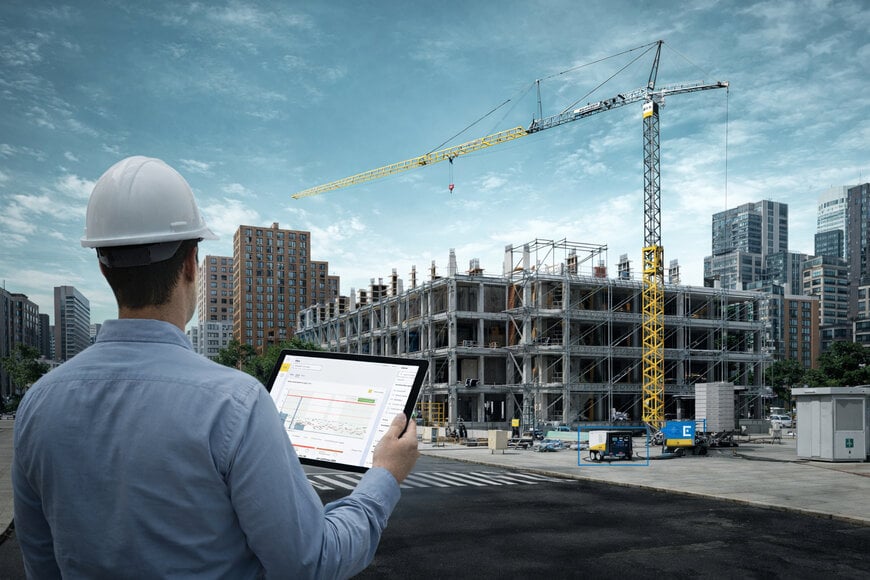
The foundation of Liebherr Energy Solutions GmbH in Baden, Switzerland, expands the Liebherr Group’s capabilities in digital energy management for construction and commercial vehicle applications. The new entity integrates battery-based energy storage systems with browser-based planning and IoT-enabled monitoring tools to support the transition from fossil-fuelled to battery-electric machinery.
Integrated Energy Storage and Planning
Liebherr Energy Solutions GmbH emerges from the components division of the Liebherr Group and focuses on combining energy storage hardware with proprietary software for construction-site energy optimisation.
At the core of the portfolio is a mobile, battery-based energy storage system designed to provide locally emission-free electricity for heavy construction equipment. The system is engineered for high power density and compact deployment, enabling flexible operation across sites with varying load profiles. Such mobile storage units can buffer peak loads, stabilise temporary grid connections, and reduce reliance on diesel generators—key factors in lowering on-site CO₂ emissions and improving compliance with tightening environmental regulations.
Complementing the storage hardware is a browser-based Energy Planner platform. The software supports multi-phase energy modelling for construction projects, allowing planners to simulate load requirements, identify suitable grid connection points, and configure hybrid or fully off-grid systems. Target users include site managers, electrical engineers, dispatchers, and fleet operators managing electric machinery.
By integrating storage assets, distributed energy resources, and connected consumers through IoT monitoring, the system establishes a site-level digital supply chain for electricity. The architecture is designed to enable future functions such as real-time monitoring and partial load control as more smart devices and distribution units are connected.
Managing Electrification Complexity
Electrification of construction equipment increases energy demand concentration on temporary or semi-permanent sites. Unlike conventional diesel-powered fleets, battery-electric machinery requires coordinated charging strategies, load balancing, and infrastructure planning.
The integrated approach addresses this complexity through data-supported planning and operational visibility. Energy demand forecasting enables construction operators to avoid undersized grid connections or excessive infrastructure oversizing. In hybrid scenarios, battery storage can smooth demand peaks, reducing grid connection capacity requirements and associated connection costs.
The system also supports photovoltaic (PV) integration. On-site PV arrays can be connected to the battery storage unit, increasing self-consumption rates and storing surplus generation for later use. This configuration enhances supply resilience and can maintain operations during periods without direct solar input, provided sufficient storage capacity is available.
Applications in Construction and Fleet Depots
Primary application areas include large-scale infrastructure projects, urban construction sites with emission constraints, and fleet depots transitioning to electric machinery. In depot environments, energy storage combined with structured planning tools allows operators to convert existing facilities for electric fleet charging without immediate large-scale grid reinforcement.
By integrating planning, storage, and monitoring, the company positions its solution as a foundation for a scalable automotive data ecosystem within construction and commercial vehicle operations. The model supports staged electrification, where mixed fleets of diesel and electric machines operate during transition phases.
Company Context
Liebherr Energy Solutions GmbH was established in February 2026 in Baden, Switzerland. The parent company, the Liebherr Group, is a family-owned technology group founded in 1949 and headquartered in Kirchdorf an der Iller, Germany. The group operates more than 150 companies worldwide, employs over 50,000 people, and reported revenues exceeding €14 billion in 2024.
Through the consolidation of storage technologies and energy management software under one organisational structure, Liebherr expands its portfolio toward infrastructure solutions that support measurable reductions in on-site energy consumption and CO₂ emissions while maintaining operational performance in construction environments.
www.liebherr.com
Powered by
Induportals Media Publishing