Crane remanufacturing extends equipment lifecycle
Manitowoc’s EnCORE remanufacturing program helps crane owners restore performance, extend service life, and improve return on investment across lifting operations. www.manitowoc.com A Grove GMK5275 before and after its EnCORE™ refurbishment. Crane fleet management, heavy equipment refurbishment, and lifecycle optimization are key concerns for contractors and rental companies facing rising capital costs. The Manitowoc Company addresses these challenges through its EnCORE remanufacturing program, which focuses on restoring crane performance while extending operational lifespan. Context: aging fleets and cost pressures Cranes are long-life assets, often operating for decades in construction and industrial lifting applications. Over time, however, mechanical wear, evolving safety requirements, and technological obsolescence reduce efficiency and increase maintenance demands. Fleet operators must balance uptime, compliance, and cost control. Replacing equipment involves significant capital expenditure, while continued operation of aging machines can lead to higher downtime and reduced productivity. Remanufacturing offers an alternative by restoring existing assets to near-original condition. OEM-led remanufacturing approach The EnCORE program is based on original equipment manufacturer (OEM) expertise, ensuring that refurbishment processes align with factory standards. Unlike independent rebuilds, OEM remanufacturing uses original design specifications, load charts, and engineering tolerances. Cranes such as those from Grove and Potain are refurbished using certified components and standardized procedures. Structural elements, hydraulics, and control systems are restored or replaced to meet updated technical and safety requirements. This approach reduces compatibility risks and ensures that system performance remains consistent with original specifications. It also allows integration of updated components where necessary to meet current regulatory standards. Performance restoration and lifecycle extension A completed remanufacturing process can extend a crane’s operational life by approximately 10 to 15 years. Lifting performance is restored to original levels, while reliability improvements reduce unplanned downtime. The process also supports compliance with current safety regulations, which may have evolved since the crane was first commissioned. Improved reliability and reduced maintenance requirements contribute to higher utilization rates in rental and project-based operations. Economic impact and asset value From a financial perspective, remanufacturing provides a cost-effective alternative to purchasing new equipment. Lower upfront investment combined with improved operational reliability results in a stronger return on investment. In addition, refurbished cranes benefit from higher residual value due to documented OEM service history and certification. The inclusion of the remanufacturing process in official service records enhances transparency for future buyers and supports resale potential. Documentation and operational assurance OEM remanufacturing includes full documentation and warranty coverage, which are typically not available through third-party rebuild providers. This ensures traceability of work performed and provides assurance regarding structural integrity and system performance. For crane owners, this translates into reduced operational risk and greater confidence in equipment reliability across demanding jobsite conditions. Edited by an industrial journalist, Lekshman Ramdas, with AI assistance. www.manitowoc.com Powered by Induportals Media Publishing
 machineryasia
Manitowoc’s EnCORE remanufacturing program helps crane owners restore performance, extend service life, and improve return on investment across lifting operations.
www.manitowoc.com
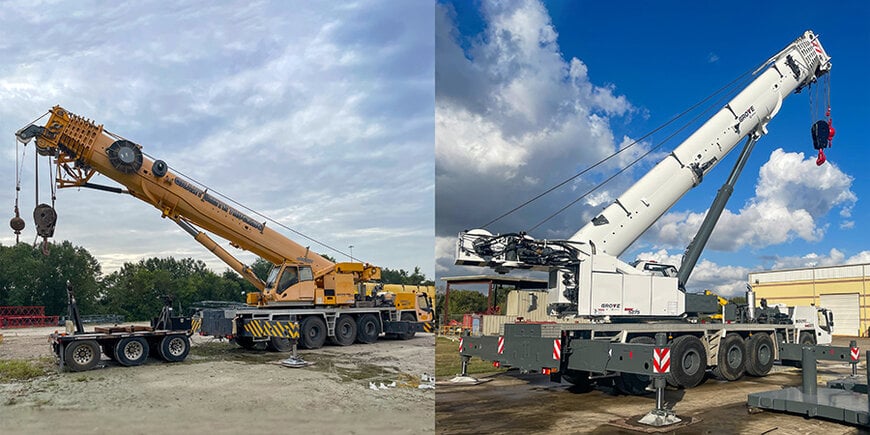
A Grove GMK5275 before and after its EnCORE™ refurbishment.
Crane fleet management, heavy equipment refurbishment, and lifecycle optimization are key concerns for contractors and rental companies facing rising capital costs. The Manitowoc Company addresses these challenges through its EnCORE remanufacturing program, which focuses on restoring crane performance while extending operational lifespan.
Context: aging fleets and cost pressures
Cranes are long-life assets, often operating for decades in construction and industrial lifting applications. Over time, however, mechanical wear, evolving safety requirements, and technological obsolescence reduce efficiency and increase maintenance demands.
Fleet operators must balance uptime, compliance, and cost control. Replacing equipment involves significant capital expenditure, while continued operation of aging machines can lead to higher downtime and reduced productivity. Remanufacturing offers an alternative by restoring existing assets to near-original condition.
OEM-led remanufacturing approach
The EnCORE program is based on original equipment manufacturer (OEM) expertise, ensuring that refurbishment processes align with factory standards. Unlike independent rebuilds, OEM remanufacturing uses original design specifications, load charts, and engineering tolerances.
Cranes such as those from Grove and Potain are refurbished using certified components and standardized procedures. Structural elements, hydraulics, and control systems are restored or replaced to meet updated technical and safety requirements.
This approach reduces compatibility risks and ensures that system performance remains consistent with original specifications. It also allows integration of updated components where necessary to meet current regulatory standards.
Performance restoration and lifecycle extension
A completed remanufacturing process can extend a crane’s operational life by approximately 10 to 15 years. Lifting performance is restored to original levels, while reliability improvements reduce unplanned downtime.
The process also supports compliance with current safety regulations, which may have evolved since the crane was first commissioned. Improved reliability and reduced maintenance requirements contribute to higher utilization rates in rental and project-based operations.
Economic impact and asset value
From a financial perspective, remanufacturing provides a cost-effective alternative to purchasing new equipment. Lower upfront investment combined with improved operational reliability results in a stronger return on investment.
In addition, refurbished cranes benefit from higher residual value due to documented OEM service history and certification. The inclusion of the remanufacturing process in official service records enhances transparency for future buyers and supports resale potential.
Documentation and operational assurance
OEM remanufacturing includes full documentation and warranty coverage, which are typically not available through third-party rebuild providers. This ensures traceability of work performed and provides assurance regarding structural integrity and system performance.
For crane owners, this translates into reduced operational risk and greater confidence in equipment reliability across demanding jobsite conditions.
Edited by an industrial journalist, Lekshman Ramdas, with AI assistance.
www.manitowoc.com
Crane fleet management, heavy equipment refurbishment, and lifecycle optimization are key concerns for contractors and rental companies facing rising capital costs. The Manitowoc Company addresses these challenges through its EnCORE remanufacturing program, which focuses on restoring crane performance while extending operational lifespan.
Context: aging fleets and cost pressures
Cranes are long-life assets, often operating for decades in construction and industrial lifting applications. Over time, however, mechanical wear, evolving safety requirements, and technological obsolescence reduce efficiency and increase maintenance demands.
Fleet operators must balance uptime, compliance, and cost control. Replacing equipment involves significant capital expenditure, while continued operation of aging machines can lead to higher downtime and reduced productivity. Remanufacturing offers an alternative by restoring existing assets to near-original condition.
OEM-led remanufacturing approach
The EnCORE program is based on original equipment manufacturer (OEM) expertise, ensuring that refurbishment processes align with factory standards. Unlike independent rebuilds, OEM remanufacturing uses original design specifications, load charts, and engineering tolerances.
Cranes such as those from Grove and Potain are refurbished using certified components and standardized procedures. Structural elements, hydraulics, and control systems are restored or replaced to meet updated technical and safety requirements.
This approach reduces compatibility risks and ensures that system performance remains consistent with original specifications. It also allows integration of updated components where necessary to meet current regulatory standards.
Performance restoration and lifecycle extension
A completed remanufacturing process can extend a crane’s operational life by approximately 10 to 15 years. Lifting performance is restored to original levels, while reliability improvements reduce unplanned downtime.
The process also supports compliance with current safety regulations, which may have evolved since the crane was first commissioned. Improved reliability and reduced maintenance requirements contribute to higher utilization rates in rental and project-based operations.
Economic impact and asset value
From a financial perspective, remanufacturing provides a cost-effective alternative to purchasing new equipment. Lower upfront investment combined with improved operational reliability results in a stronger return on investment.
In addition, refurbished cranes benefit from higher residual value due to documented OEM service history and certification. The inclusion of the remanufacturing process in official service records enhances transparency for future buyers and supports resale potential.
Documentation and operational assurance
OEM remanufacturing includes full documentation and warranty coverage, which are typically not available through third-party rebuild providers. This ensures traceability of work performed and provides assurance regarding structural integrity and system performance.
For crane owners, this translates into reduced operational risk and greater confidence in equipment reliability across demanding jobsite conditions.
Edited by an industrial journalist, Lekshman Ramdas, with AI assistance.
www.manitowoc.com
Powered by
Induportals Media Publishing