Bourbon, Mint and Made in America: The Mint Julep
The industry behind the Kentucky Derby’s Signature Drink. Every year on the first Saturday in May, the hats get bigger, the crowd gets louder, the silks get more colorful and one drink quietly steals the show at the Kentucky Derby: […]
 machineryasia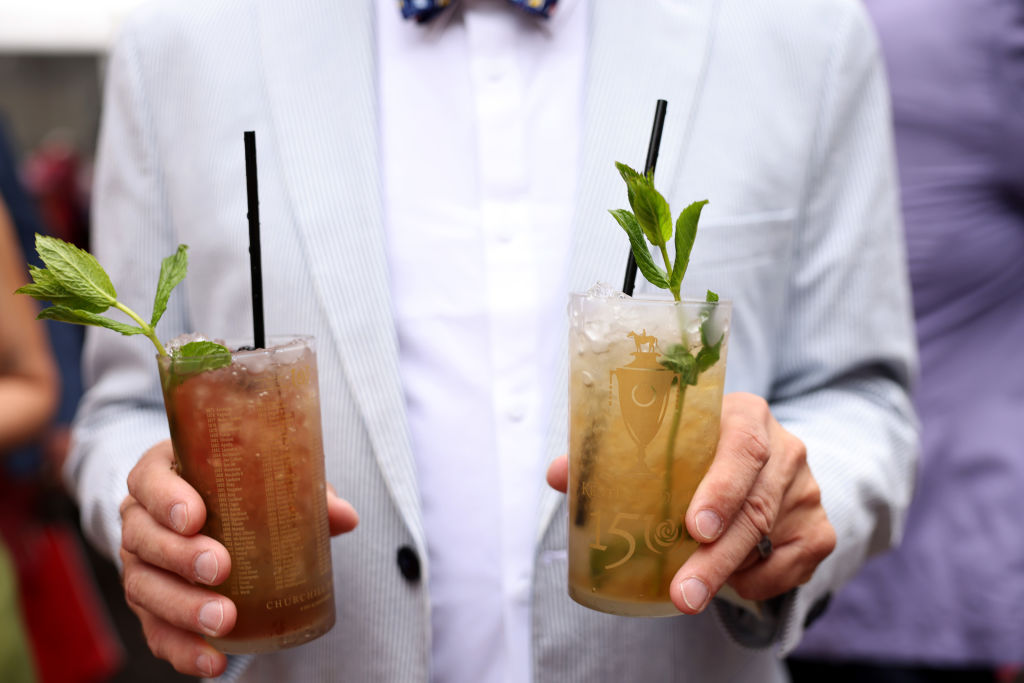
The industry behind the Kentucky Derby’s Signature Drink.
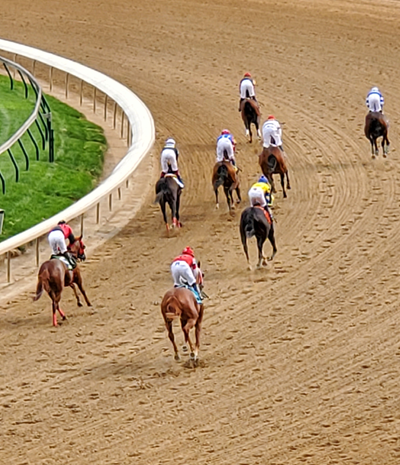
Every year on the first Saturday in May, the hats get bigger, the crowd gets louder, the silks get more colorful and one drink quietly steals the show at the Kentucky Derby: The Mint Julep.
It’s a simple recipe: Bourbon, mint, sugar and crushed ice. But like a lot of great American traditions, what looks simple is backed by something much bigger.
The Mint Julep dates back centuries, evolving from early medicinal tonics into a Southern staple. By the 1800s, it found its home in Kentucky, where bourbon replaced rum and brandy. By the 1930s it became the official drink of the Derby, and in 1937 Churchill Downs began serving it in souvenir cups. That small shift turned a cocktail into a tradition people could take home.
Today, the scale is hard to ignore: Over Derby weekend, more than 120,000 Mint Juleps are served. That means thousands of bottles of Kentucky bourbon, thousands of pounds of fresh mint and nearly half a million pounds of ice. It’s not just a drink. It’s a production.
And at the center of it all is American manufacturing.
Bourbon: The backbone of the julep
You can’t have a Mint Julep without bourbon and at the Derby, there’s an interesting twist.
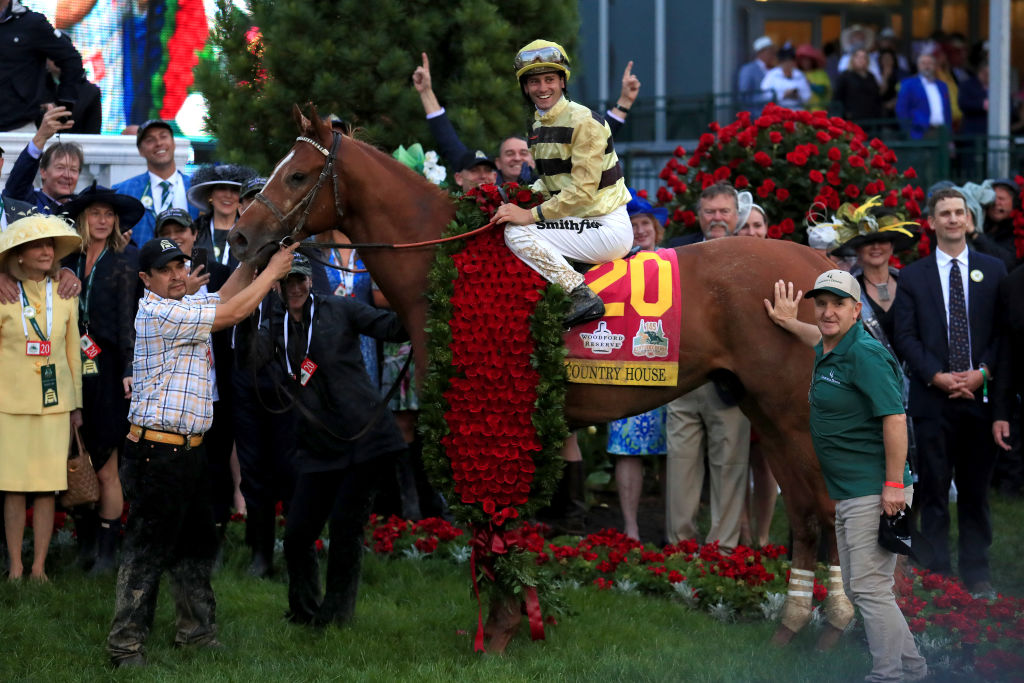
Woodford Reserve has been the official bourbon of the Kentucky Derby since 1999. Its distillery sits on historic Kentucky land dating back to 1812, where bourbon and thoroughbred culture have grown side by side. From grain to barrel, the process reflects a deeply American craft, including the use of new, charred American oak barrels, many made in-house.
But when you actually pick up a Mint Julep at Churchill Downs, the bourbon in your cup is Old Forester.
Produced by Brown-Forman Corporation and manufactured and bottled in Kentucky, Old Forester has deep roots in Louisville, including its home on Whiskey Row. It’s the bourbon poured into the ready-to-serve juleps handed to tens of thousands of fans each year.
Two bourbon makers. One iconic drink. Both grounded in American production.
From Farm to Glass
What I love about the Mint Julep is how clearly it reflects a full Made in America story.
Start with the mint. During Derby week, the spearmint used in the drinks comes from Nelson Family Agriculture in New Hope, Kentucky. The farm grows and harvests thousands of bunches each year to meet demand at Churchill Downs. It’s a small detail, but it ties the drink directly to American agriculture.
Then there’s the bourbon, distilled and aged in Kentucky.
Add in sugar, water and the sheer logistics of producing and transporting nearly half a million pounds of ice over a single weekend.
It all comes together in one glass, in one place, in one moment.
The Cup Is Part of the Craft
If you’ve ever held a proper Mint Julep, you know the cup matters.
Traditionally made from silver or pewter, these cups aren’t just for show. Metal chills quickly, creating that signature frosted exterior while keeping the drink cold. It’s design with a purpose.
Today, that tradition continues through American manufacturers like Salisbury Inc. and Danforth Pewter, which produce handcrafted julep cups right here in the United States. Many are spun, finished, and polished by hand, reflecting a level of craftsmanship that has been part of this tradition for generations.
Modern versions may use stainless steel or copper, but the core idea remains the same. A well-made cup that enhances the experience.
From Souvenir to Collectible
The Derby didn’t just create a drink. It created something people hold onto.
What began in the late 1930s with simple souvenir cups evolved into a long-running series of collectible glasses. Early versions were produced in smaller quantities. Wartime material shortages led to alternative designs. And over time, production variations and even small errors turned certain editions into highly sought-after collector’s items.
That tradition continues today.
The official Derby store still sells commemorative glasses each year, including the latest 12-ounce Mint Julep glass. Made in the United States and featuring detailed printed graphics, it’s a modern version of a decades-old idea. Something you don’t just drink from, but take with you!
A Tradition You Can Hold
There’s something about the Mint Julep on a Spring day in Kentucky that feels very American.
Maybe it’s the history. Maybe it’s the setting. Or maybe it’s the fact that nearly every part of it, from the bourbon to the mint to the cup in your hand, is made here.
That drink in the hands of all those derby-goers is an example of American industry working together. Farmers, distillers, designers, manufacturers – all contributing to something that shows up once a year and feels timeless every time.
So whether you’re watching from the stands (highly recommend!) or from home (throw a party!), the next time you pick up a Mint Julep, remember: You’re not just holding a cocktail, you’re holding a piece of American manufacturing.
The Alliance for American Manufacturing does not receive a commission from purchases made through the above links, nor was the organization or author paid for favorable coverage.
Labeling Note: This story is intended to highlight companies that support American jobs and that make great products in the United States. We rely on the companies listed to provide accurate information regarding their domestic operations and their products. Each company featured is individually responsible for labeling and advertising their products according to applicable standards, such as the Federal Trade Commission’s “Made in USA” standard or California’s “Made in USA” labeling law. We do not review individual products for compliance or claim that because a company is listed in the guide that their products comply with specific labeling or advertising standards. Our focus is on supporting companies that create American jobs.
For more on the Federal Trade Commission’s standards for “Made in USA” claims and California’s “Made in USA” labeling law, please also read this guest post by Dustin Painter and Kristi Wolff of Kelly Drye & Warren, LLP.