Engine integration for underground mining equipment efficiency
MacLean Engineering deployed Volvo Penta engines through Wajax to reduce ventilation requirements and lower total cost of ownership in subterranean operations. www.volvopenta.comVolvo Penta and Wajax work closely together to deliver full-system, customer-centric solutions that support long-term success. MacLean Engineering, a designer and manufacturer of underground mining equipment, required off-road propulsion systems capable of functioning reliably in demanding subterranean conditions. Underground mining applications present specific operational challenges, particularly concerning air quality management, equipment uptime, and operator safety. High exhaust emissions from heavy machinery require extensive and costly artificial ventilation systems to maintain safe breathing conditions for personnel. To address these parameters, the manufacturer sought an engine platform that could deliver consistent mechanical output while maintaining strict emissions compliance to decrease total operational expenditures for mine operators. Technical specifications and engine integration To meet these operational targets, MacLean Engineering integrated Volvo Penta D5 off-road engines, which are supplied in both Tier 3 and Stage V emission configurations. By lowering engine emissions, the equipment directly reduces the baseline ventilation load required in mine shafts, decreasing the energy consumption associated with industrial air circulation. “Mining equipment demands a certain level of safety, productivity and emissions performance,” says John Botelho, product manager, MacLean Engineering. The engineering phase involved hardware testing, system validation, and mechanical implementation, managed through integration frameworks provided by Wajax, an industrial equipment distributor and engineering partner. MacLean Engineering is integrating Volvo Penta’s mining engines into its full equipment line-up. Implementation and field deployment The transition to the new engine architecture required collaborative engineering to ensure the propulsion solution accommodated the spatial and mechanical constraints of the customized mining vehicles. Wajax provided localized engineering support and aftermarket service structures to stabilize the equipment deployment. The established distribution network comprises over 100 branches across Canada, supplying necessary component availability and technical training for maintenance personnel. Following the hardware validation phases, MacLean Engineering integrated the D5 engines into its broader production lineup. The initial operational vehicle utilizing this specific engine configuration commenced field operations at a mining site in Quebec. Edited by an industrial journalist, Lekshman Ramdas, with AI assistance. www.volvopenta.com Powered by Induportals Media Publishing
 machineryasia
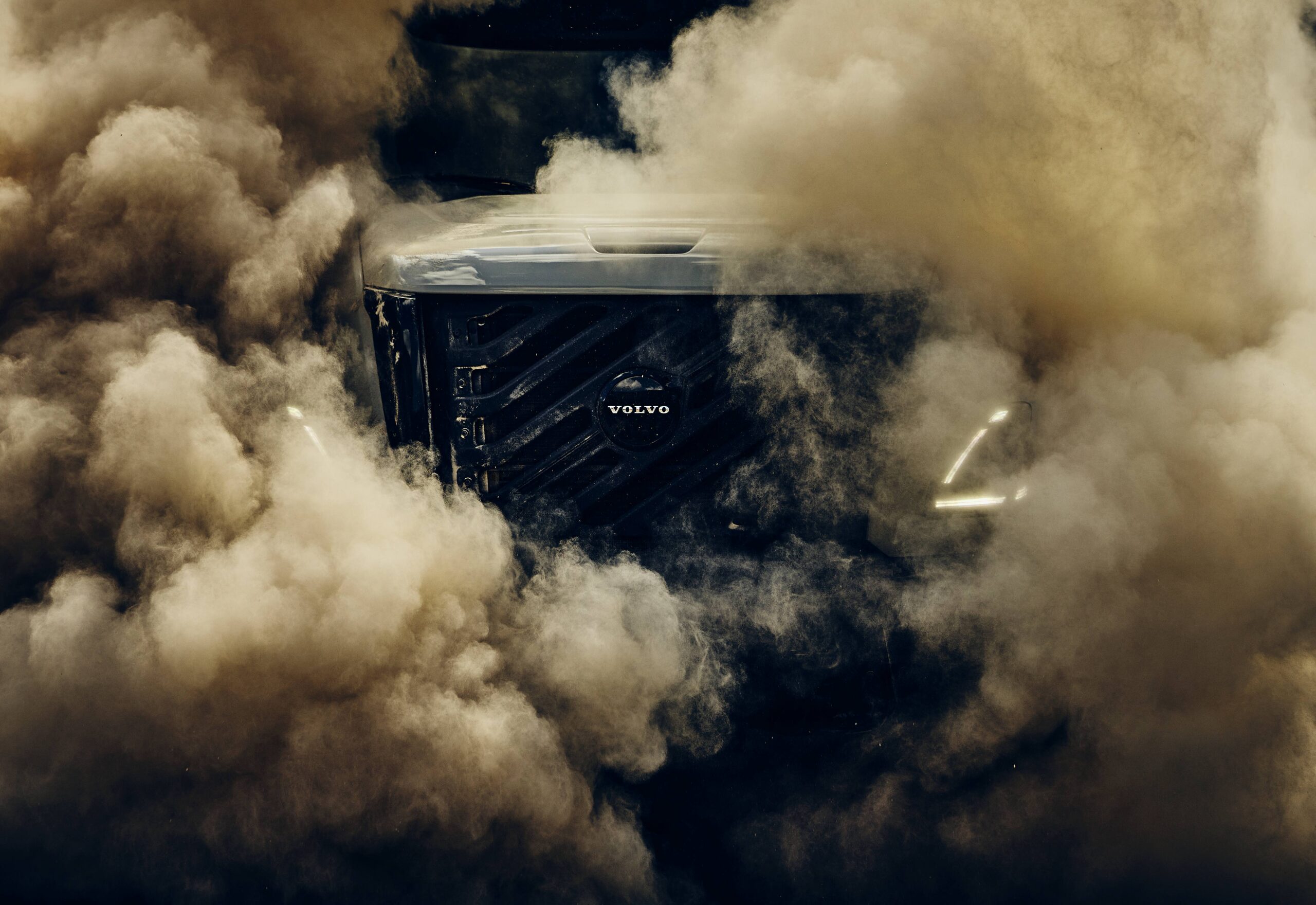
MacLean Engineering deployed Volvo Penta engines through Wajax to reduce ventilation requirements and lower total cost of ownership in subterranean operations.
www.volvopenta.com
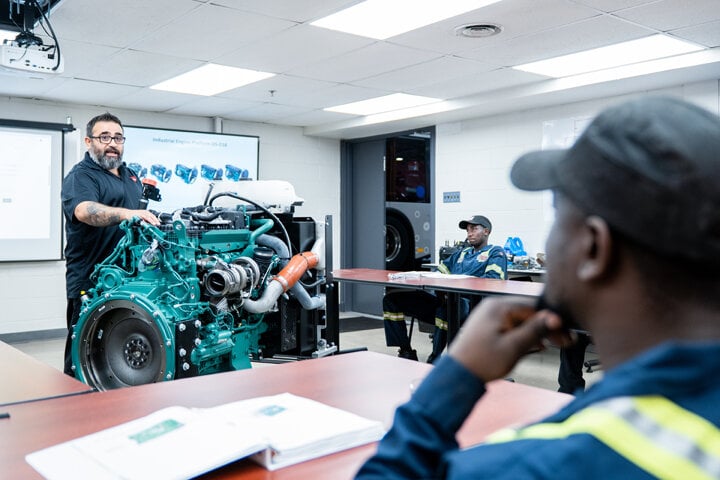
MacLean Engineering, a designer and manufacturer of underground mining equipment, required off-road propulsion systems capable of functioning reliably in demanding subterranean conditions. Underground mining applications present specific operational challenges, particularly concerning air quality management, equipment uptime, and operator safety. High exhaust emissions from heavy machinery require extensive and costly artificial ventilation systems to maintain safe breathing conditions for personnel. To address these parameters, the manufacturer sought an engine platform that could deliver consistent mechanical output while maintaining strict emissions compliance to decrease total operational expenditures for mine operators.
Technical specifications and engine integration
To meet these operational targets, MacLean Engineering integrated Volvo Penta D5 off-road engines, which are supplied in both Tier 3 and Stage V emission configurations. By lowering engine emissions, the equipment directly reduces the baseline ventilation load required in mine shafts, decreasing the energy consumption associated with industrial air circulation. “Mining equipment demands a certain level of safety, productivity and emissions performance,” says John Botelho, product manager, MacLean Engineering. The engineering phase involved hardware testing, system validation, and mechanical implementation, managed through integration frameworks provided by Wajax, an industrial equipment distributor and engineering partner.
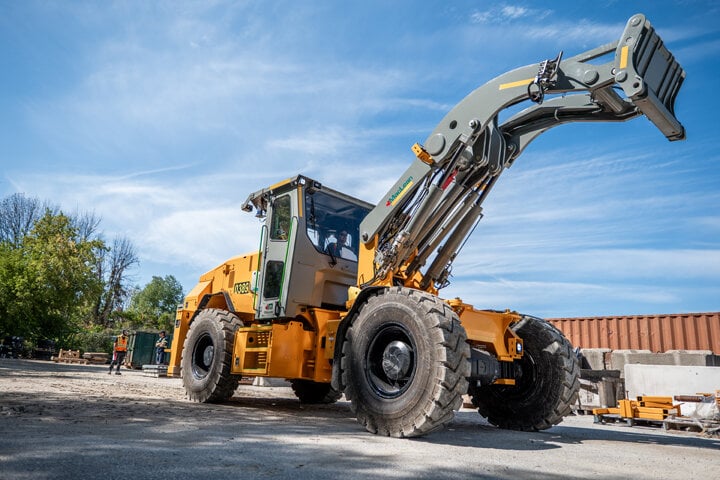
MacLean Engineering is integrating Volvo Penta’s mining engines into its full equipment line-up.
Implementation and field deployment
The transition to the new engine architecture required collaborative engineering to ensure the propulsion solution accommodated the spatial and mechanical constraints of the customized mining vehicles. Wajax provided localized engineering support and aftermarket service structures to stabilize the equipment deployment. The established distribution network comprises over 100 branches across Canada, supplying necessary component availability and technical training for maintenance personnel. Following the hardware validation phases, MacLean Engineering integrated the D5 engines into its broader production lineup. The initial operational vehicle utilizing this specific engine configuration commenced field operations at a mining site in Quebec.
Edited by an industrial journalist, Lekshman Ramdas, with AI assistance.
www.volvopenta.com
Powered by
Induportals Media Publishing