Witmer Furniture: Built in Wisconsin, Built to Last
Do you know the story behind where your furniture came from? In a world of flat-pack boxes and fast furniture, it’s a question most of us never think to ask. I was just a mom standing in my local furniture […]
 machineryasia
Do you know the story behind where your furniture came from?
In a world of flat-pack boxes and fast furniture, it’s a question most of us never think to ask.
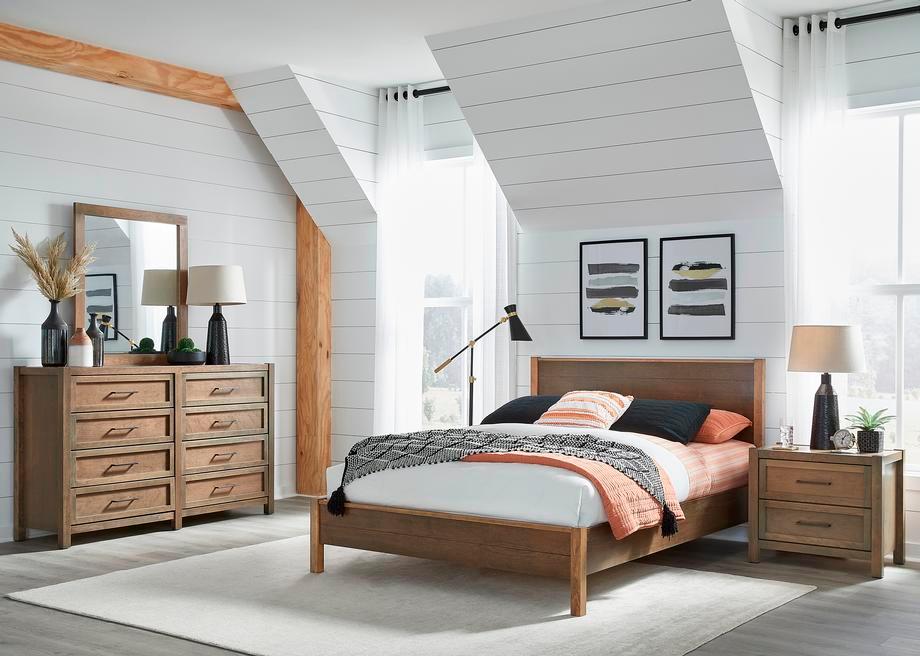
I was just a mom standing in my local furniture store, helping my son pick out a new bedroom set. We’ve done the college-apartment route. We’ve wrestled with Allen wrenches. We’ve watched drawers wobble and veneers bubble and peel. This time we wanted something that would last.
That’s when we found Witmer Furniture.
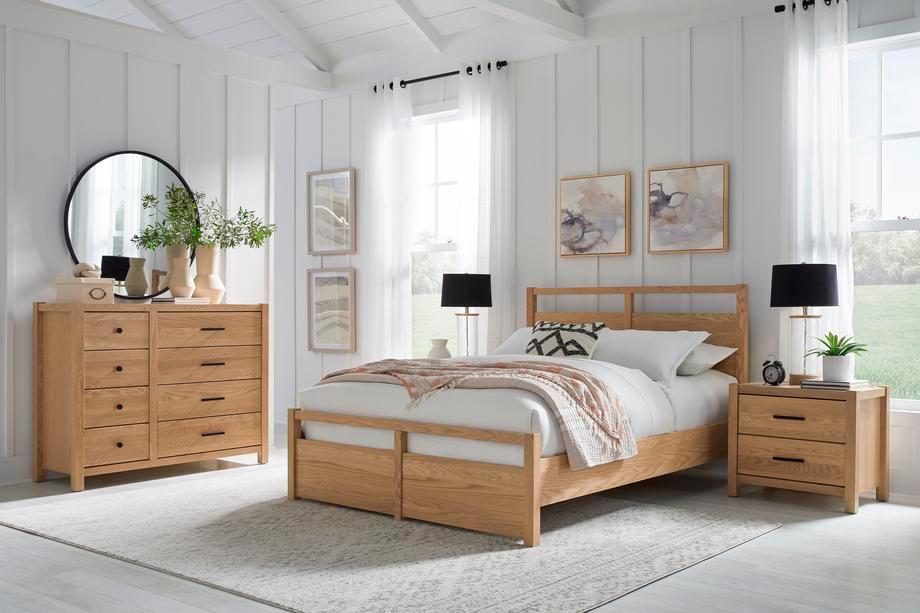
My son loved that he could customize the hardware, choosing handles that fit his personality. I loved the weight of the drawers and the smooth glide. These weren’t stapled panels. They were solid wood, built with English dovetail joints, full-extension glides and a finish designed to hold up to real life.
Later, I had the chance to interview Kevin Schlinkmann, President and CEO of Witmer Furniture. When he picked up the phone, he was in Michigan’s Upper Peninsula looking at logs. That told me a lot; this is a company that starts at the source.
Built in Wisconsin. Built to Last.
Witmer Furniture has been building solid wood furniture in Abbotsford, Wisc. since 1981. Back then, Ken Witmer started the company with only a few employees. Fast forward to 1993, Schlinkmann purchased the company when it was still making solid wood waterbeds. Within a few years, it had transitioned to residential bedroom furniture and it has since expanded into home office pieces, entertainment units, coffee and end tables, fireplace mantels and custom-made commercial projects like library and school furniture.
“We always stay with solid wood. That’s our thing,” Schlinkmann told me.
And they mean it. Incoming lumber is moisture-tested to prevent warping or splitting. Boards are hand-sorted for beauty. Most of their oak, poplar, and birch is sourced within 200 miles of their facility, while some birch comes from Canada. When plywood is needed, they use only domestic supplier mills from Columbia Forest Products and Murphy Plywood.
“Our carbon footprint is pretty small compared to others,” Schlinkmann said.
At a time when millions of tons of furniture end up in landfills each year, that matters.
“You can keep that bedroom set and in 10 years, sand it down, stain it another color, paint over the top. It’ll last forever,” he said with a laugh.
Made to Order, Not Made to Sit
One thing that sets Witmer apart is that they don’t build for stock.
“Your stuff was built specifically for you,” Schlinkmann emphasized. “We don’t build it, leave it unfinished, and wait for somebody to order it. Everything is built to order.”
That means customers can choose their wood, stain color, and hardware. About 30% of their business is special orders. And they deliver in four weeks.
They’ve grown too. In 2021, Witmer was purchased by Wisconsin River Partners, a private investment group focused exclusively on keeping Wisconsin companies in Wisconsin. Since then, the company has completed a 100,000-square-foot expansion and invested in new equipment, all while staying true to their founding principles: build quality, keep it affordable, and build it in the USA. The added space has allowed the team to get more product out the door.
“We’ve never looked at something and said, ‘How can we build it cheaper?'” Schlinkmann told me. “It’s always, ‘How can we build it better and be a better value?”
The People Behind the Product
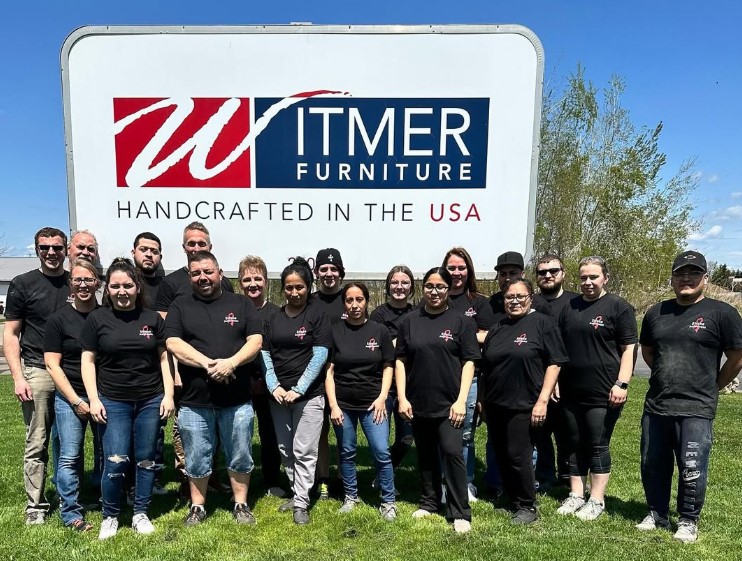
Witmer employs around 75 to 80 people, many from the local community. Some have been there for 30 years.
“We treat our people well and respectfully,” Schlinkmann said. “Our stuff is still handmade. We have to have people capable of reading a tape measure.”
They work a single shift from 6:30 a.m. to 2:30 p.m., so parents can be home when their kids get off the bus from school. Employees can increase their pay by learning additional skills and cross-training. Promotions happen from within.
It feels less like a factory and more like a family business that just happens to run in a state-of-the-art facility.
Why It Matters
When I asked Schlinkmann about why manufacturing in the U.S. is still worth it, despite global competition, he didn’t hesitate.
“You can’t be a feasible country and outsource everything,” Schlinkmann said. “You want to still have some industry in your country.”
He talked about how schools once pushed students away from the trades and manufacturing, and how that’s starting to shift back. Skilled tradespeople today can earn competitive wages without massive student debt. Manufacturing isn’t what it used to be; many facilities are clean, high-tech, and deeply rooted in their communities.
When I asked Schlinkmann whether customers actively seek out Witmer because of their Made in USA label, he answered honestly. “I hope so,” he said. “Obviously, some customers purchase only on price, and they’re going to be drawn toward imports because they’re cheaper. But we try to maintain a mid-price point. We’re under the Amish product. And with the tariffs that have come through, we’re probably a little more price competitive to imports.”
He was realistic about it. Markets fluctuate and trade policies shift. You can’t build a business counting on that. What you can build, he believes, is quality and trust. And over time, that’s what brings his customers back.
Where to Shop
Witmer Furniture is sold through independent retailers across the Midwest and beyond. In Wisconsin, they partner with the state’s largest furniture retailer, Steinhafels. For retailer information, customers can contact Witmer directly.
Standing in my son’s newly transformed bedroom, I see more than furniture. I see solid wood that won’t warp in a year. I see the people behind Witmer Furniture and the story behind my purchase. I see a company that chose quality over shortcuts. And there’s something deeply satisfying about buying a piece of furniture that feels like it will outlast you.
The Alliance for American Manufacturing does not receive a commission from purchases made through the above links, nor was the organization or author paid for favorable coverage.
Labeling Note: This story is intended to highlight companies that support American jobs and that make great products in the United States. We rely on the companies listed to provide accurate information regarding their domestic operations and their products. Each company featured is individually responsible for labeling and advertising their products according to applicable standards, such as the Federal Trade Commission’s “Made in USA” standard or California’s “Made in USA” labeling law. We do not review individual products for compliance or claim that because a company is listed in the guide that their products comply with specific labeling or advertising standards. Our focus is on supporting companies that create American jobs.
For more on the Federal Trade Commission’s standards for “Made in USA” claims and California’s “Made in USA” labeling law, please also read this guest post by Dustin Painter and Kristi Wolff of Kelly Drye & Warren, LLP.