Understanding Legal Height and Weight Limits in Transport

Moving heavy freight starts with the rules. When you know the legal height and weight limits in equipment transport, you can plan the right trailer, lane, and schedule. The post Understanding Legal Height and Weight Limits in Transport appeared first on Heavy Equipment Transport.

Understanding Legal Height and Weight Limits in Transport

Understanding Legal Height and Weight Limits in Transport

Heavy Equipment Transport Logo
Facebook
Twitter
LinkedIn


Moving heavy freight starts with the rules. When you know the legal height and weight limits in equipment transport, you can plan the right trailer, lane, and schedule. We build every move around those legal dimensions and axle limits, so your project stays on time and on budget.

Why Height and Weight Limits Matter in Freight Transport

“Noncompliance brings delays, fines, and damage risk you don’t need.”

Height and weight limits shape everything from the type of transport trailer choice to travel windows. They decide which roads are open, where turns are possible, and how bridges are crossed. Noncompliance brings delays, fines, and damage risk you don’t need. Our team confirms federal and state rules before pickup. We handle permits, escorts, and routing so your cargo moves safely and on schedule.

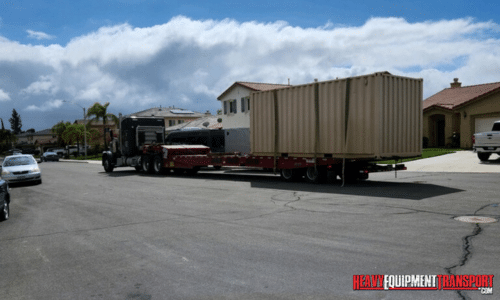
Transport Your Containers Today

Heavy Equipment Transport is always available for a quote. Fill out the form or give us a call now! (888) 730-2951

Why Height and Weight Limits Matter

These limits protect highways, bridges, and the public. They also protect your project plan. Staying compliant helps you avoid transport fines, impoundments, and denied routes. It keeps your insurance in play and reduces the chance of infrastructure damage. We bake compliance checks into every quote and dispatch plan.

Standard Legal Dimensions and Weight Limits (Without Permits)

Most states follow the same baseline for nonpermitted, open-deck moves. If your freight or equipment exceeds these legal dimensions or weights, you’re in oversize or overweight load territory and need permits.

  • Width: 8 ft 6 in, or 102 in.
  • Height: 13 ft 6 in.
  • Length: Ranges from 48 to 53 ft, depending on trailer type and state rules.
  • Single axle limit: 20,000 pounds.
  • Tandem axle limit: 34,000 pounds.
  • Gross vehicle weight limit: 80,000 pounds.

Any load over these marks needs approval from the state in the form of permits. We obtain these permits right away to prevent surprise violations.

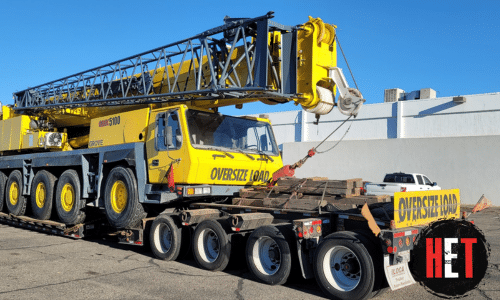
2015 Grove GMK 5100 Crane Truck loaded for transport

When a Load Becomes Oversize or Overweight

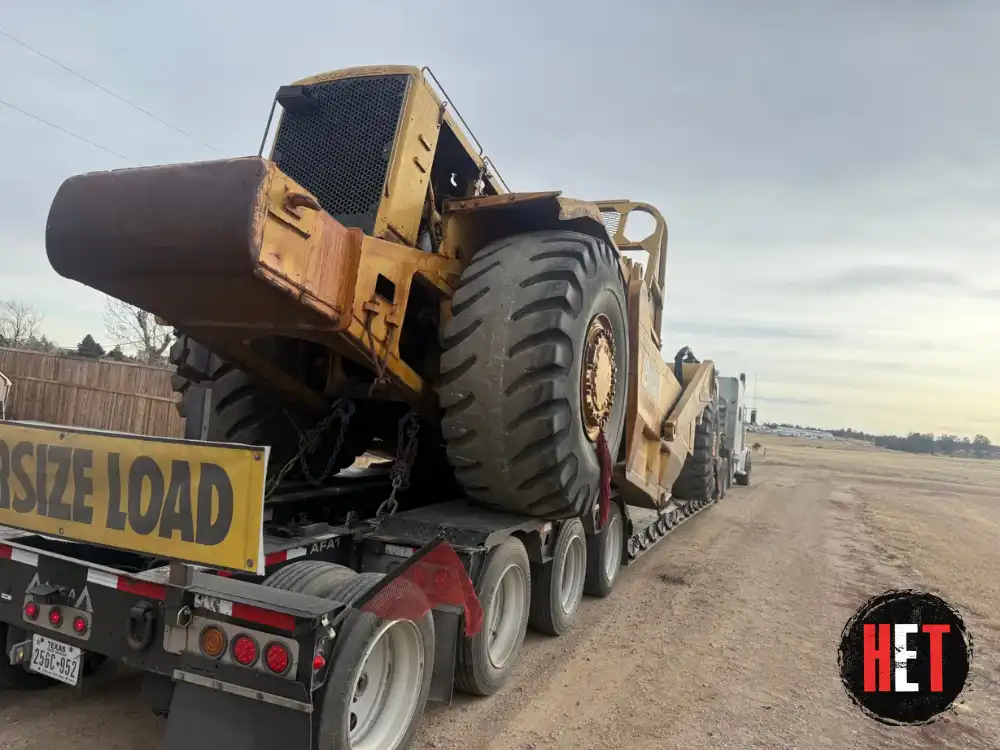
A shipment is oversize when it exceeds the legal dimensions above. A shipment is overweight when it exceeds 80,000 pounds gross or breaks axle group limits. Hitting either threshold changes how we plan the job.

Common examples of oversize or overweight loads include:

  • Construction cranes and bulldozers.
  • Industrial tanks, silos, and generators.
  • Wind turbine components.
  • Prefabricated bridge and steel sections.

We verify measurements and weight before dispatch. For multi-state routes, we apply for permits across all jurisdictions at the same time.

State-by-State Variations

Legal limits are similar, but state transport rules add layers. Time-of-day, holiday blocks, and escort thresholds change at each border. We maintain current rules for all 50 states and Canadian provinces.

Some variations include:

  • Texas permits allow heights up to 14 feet in many cases, with escorts once widths reach 17 feet or more.
  • California requires escorts for loads over 12 feet wide or 17 feet tall.
  • Michigan and Wisconsin frost laws reduce axle weights during spring thaw.
  • Florida restricts oversize movement on certain holidays and weekends.

Our routing accounts for these details so trucks don’t sit at state lines.

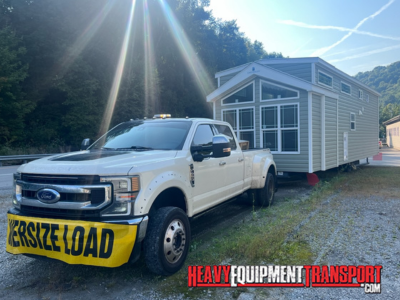
Tiny House transport

Consequences of Ignoring Legal Height and Weight Limits

Skipping the rules costs more than a fine. It risks your timeline and your equipment.

  • Texas permits allow heights up to 14 feet in many cases, with escorts once widths reach 17 feet or more.
  • Vehicle impoundment or forced offload on the shoulder.
  • Cargo damage and missed delivery windows.
  • Liability for roadway or bridge damage.
  • Project downtime and liquidated damages from contracts.

Why Choose Heavy Equipment Transport

We approach compliance like an engineering task. We verify dimensions, set up an axle plan, and design a route. We coordinate permits, escorts, and police when required. Our dispatch keeps you updated with clear ETAs and any restrictions ahead. You get a single point of contact who owns the move from quote to delivery.

FAQ — Legal Height and Weight Limits in Transport

1. What are the standard legal height and weight limits for freight transport?

Most open-deck moves without permits follow 8 ft 6 in width, 13 ft 6 in height, and up to 80,000 pounds gross, with 20,000 per single axle and 34,000 per tandem.

You need permits once you exceed legal dimensions or the gross and axle limits. That applies even if only one axle group is over.

We collect verified specs, then request all state permits together, aligned to a shared pickup date and lane plan to avoid timing gaps.

Yes. States set their own rules and thresholds, and trailer selection changes axle spacing and load distribution. We plan both at the same time.

We measure, weigh, and model the load. We pick the right trailer and axle configuration, secure permits and escorts, and map a route that meets legal limits and travel windows.

William Thomas

William Thomas

Heavy Transport Specialist

Being able to lead a team of such talented logistics agents has been a wonderful experience over the past ten years. If you would like to know anything more about the heavy equipment transport services we offer, don't hesitate to give us a call!

The post Understanding Legal Height and Weight Limits in Transport appeared first on Heavy Equipment Transport.