Recycling Machinery Advances Efficiency and Electrification
Liebherr presents new material handling machines and digital solutions at IFAT 2026 to support evolving recycling and waste management operations. www.liebherr.com Liebherr will showcase a range of machines and digital technologies for recycling and waste management at IFAT 2026, held from 4–7 May in Munich. The portfolio reflects increasing demand for specialised equipment, electrification, and automation in the recycling industry. Adapting Machinery to a Specialised Recycling Sector The recycling sector is undergoing structural change, with operators shifting from general waste handling to specialised material recovery processes. This transition requires equipment capable of handling diverse materials while maintaining efficiency and safety. Liebherr’s exhibition focuses on machines designed for these evolving requirements, combining mechanical performance with digital assistance systems to improve operational reliability and throughput. New Generation 8 Material Handling Machines Two prototypes from Liebherr’s Generation 8 series will be presented for the first time. The machines reflect a technology-neutral approach, offering both conventional and electric drive options depending on application requirements. The new generation introduces an adaptive operating concept that allows customisation of machine functions. Integrated into an updated cab design, the system improves ergonomics and operator accessibility. Increased glass surface area enhances visibility, contributing to safer operation in environments with high machine and pedestrian interaction. Wheel Loaders for Demanding Recycling Applications The portfolio includes multiple wheel loader models designed for material handling in recycling operations. These machines incorporate kinematic systems that enable efficient lifting and fast cycle times, supporting high-throughput workflows. Advanced assistance systems enhance safety by detecting potential hazards and alerting operators through visual and acoustic signals. Such features are particularly relevant in recycling facilities, where complex material flows and confined working areas increase operational risks. A battery-electric wheel loader is also presented, offering zero local CO₂ emissions and reduced noise levels. This supports applications in urban or indoor environments where emissions and sound constraints are critical. Digital Solutions for Battery Recycling Liebherr is also introducing automation systems for handling end-of-life high-voltage batteries. These include technologies for non-destructive disassembly and controlled discharge, addressing safety and process challenges associated with battery recycling. Modular system architectures enable integration of automated and manual workstations, supporting flexible processing of different battery types and conditions. Energy recovered during discharge can be fed back into the grid, improving overall process efficiency. Camera-Based Safety and Monitoring Systems Digital camera-monitor systems provide enhanced visibility around large machines operating in confined environments. By combining multiple camera inputs into a unified view, operators can monitor surroundings more effectively and detect obstacles or personnel at an early stage. Additional AI-based detection functions support real-time identification of people in the working area, contributing to improved safety and reduced accident risk. These systems can be integrated into both new machines and existing fleets. Liebherr’s portfolio highlights how equipment design is evolving to meet the technical and environmental requirements of modern recycling. By combining electrification, automation, and operator assistance systems, the technologies support safer, more efficient, and adaptable waste management processes. Edited by Romila DSilva, Induportals Editor, with AI assistance. www.liebherr.com Powered by Induportals Media Publishing
 machineryasia
Liebherr presents new material handling machines and digital solutions at IFAT 2026 to support evolving recycling and waste management operations.
www.liebherr.com
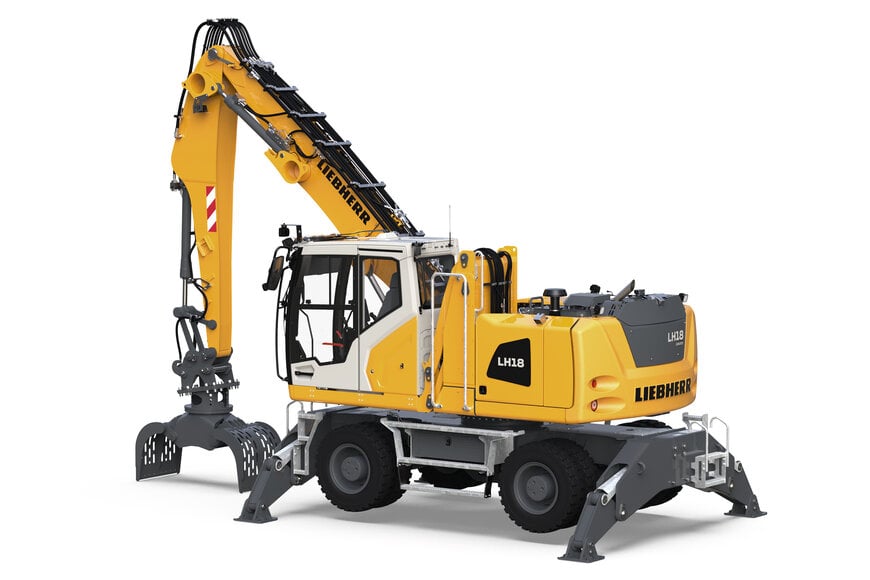
Liebherr will showcase a range of machines and digital technologies for recycling and waste management at IFAT 2026, held from 4–7 May in Munich. The portfolio reflects increasing demand for specialised equipment, electrification, and automation in the recycling industry.
Adapting Machinery to a Specialised Recycling Sector
The recycling sector is undergoing structural change, with operators shifting from general waste handling to specialised material recovery processes. This transition requires equipment capable of handling diverse materials while maintaining efficiency and safety.
Liebherr’s exhibition focuses on machines designed for these evolving requirements, combining mechanical performance with digital assistance systems to improve operational reliability and throughput.
New Generation 8 Material Handling Machines
Two prototypes from Liebherr’s Generation 8 series will be presented for the first time. The machines reflect a technology-neutral approach, offering both conventional and electric drive options depending on application requirements.
The new generation introduces an adaptive operating concept that allows customisation of machine functions. Integrated into an updated cab design, the system improves ergonomics and operator accessibility. Increased glass surface area enhances visibility, contributing to safer operation in environments with high machine and pedestrian interaction.
Wheel Loaders for Demanding Recycling Applications
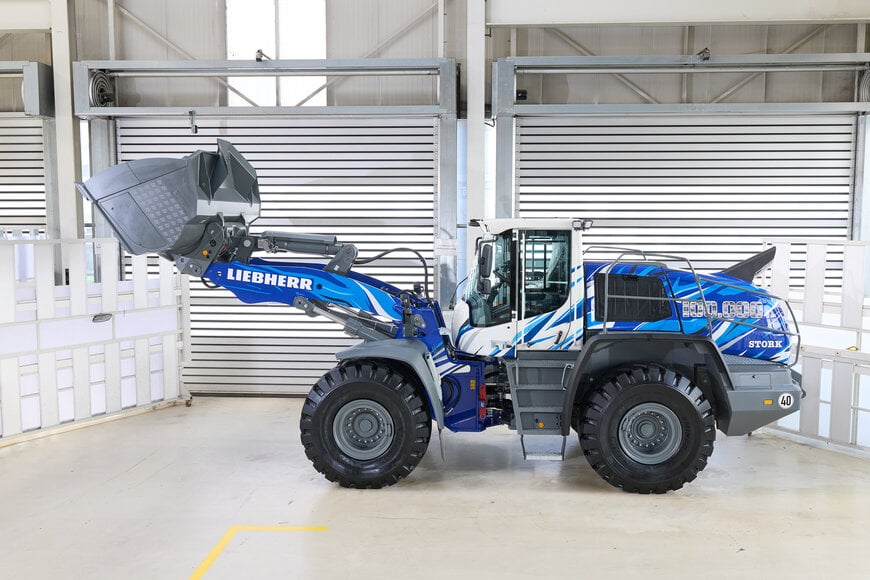
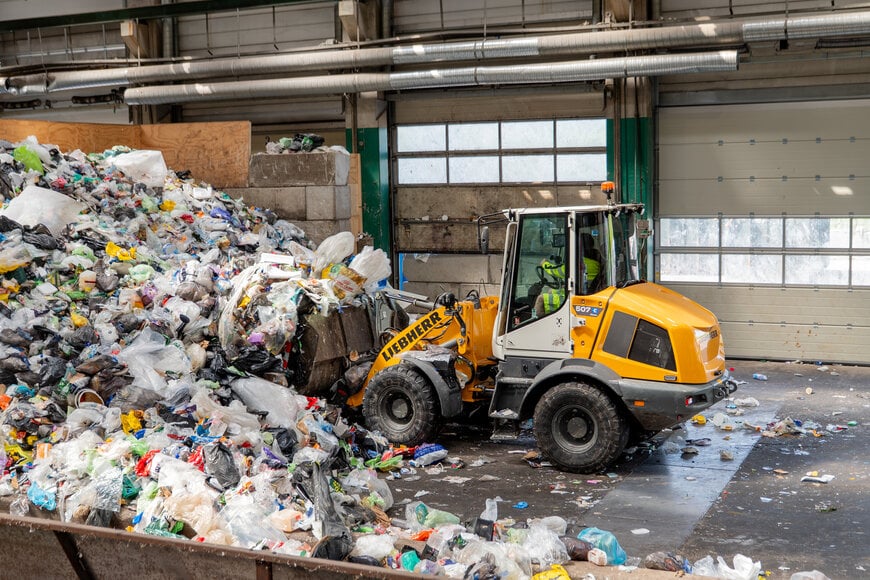
The portfolio includes multiple wheel loader models designed for material handling in recycling operations. These machines incorporate kinematic systems that enable efficient lifting and fast cycle times, supporting high-throughput workflows.
Advanced assistance systems enhance safety by detecting potential hazards and alerting operators through visual and acoustic signals. Such features are particularly relevant in recycling facilities, where complex material flows and confined working areas increase operational risks.
A battery-electric wheel loader is also presented, offering zero local CO₂ emissions and reduced noise levels. This supports applications in urban or indoor environments where emissions and sound constraints are critical.
Digital Solutions for Battery Recycling
Liebherr is also introducing automation systems for handling end-of-life high-voltage batteries. These include technologies for non-destructive disassembly and controlled discharge, addressing safety and process challenges associated with battery recycling.
Modular system architectures enable integration of automated and manual workstations, supporting flexible processing of different battery types and conditions. Energy recovered during discharge can be fed back into the grid, improving overall process efficiency.
Camera-Based Safety and Monitoring Systems
Digital camera-monitor systems provide enhanced visibility around large machines operating in confined environments. By combining multiple camera inputs into a unified view, operators can monitor surroundings more effectively and detect obstacles or personnel at an early stage.
Additional AI-based detection functions support real-time identification of people in the working area, contributing to improved safety and reduced accident risk. These systems can be integrated into both new machines and existing fleets.
Liebherr’s portfolio highlights how equipment design is evolving to meet the technical and environmental requirements of modern recycling. By combining electrification, automation, and operator assistance systems, the technologies support safer, more efficient, and adaptable waste management processes.
Edited by Romila DSilva, Induportals Editor, with AI assistance.
www.liebherr.com
Powered by
Induportals Media Publishing