Funding the Future with the Workforce Pell Grant
New federal program aims to make financial aid for those enrolled in short-term workforce training programs.
 machineryasia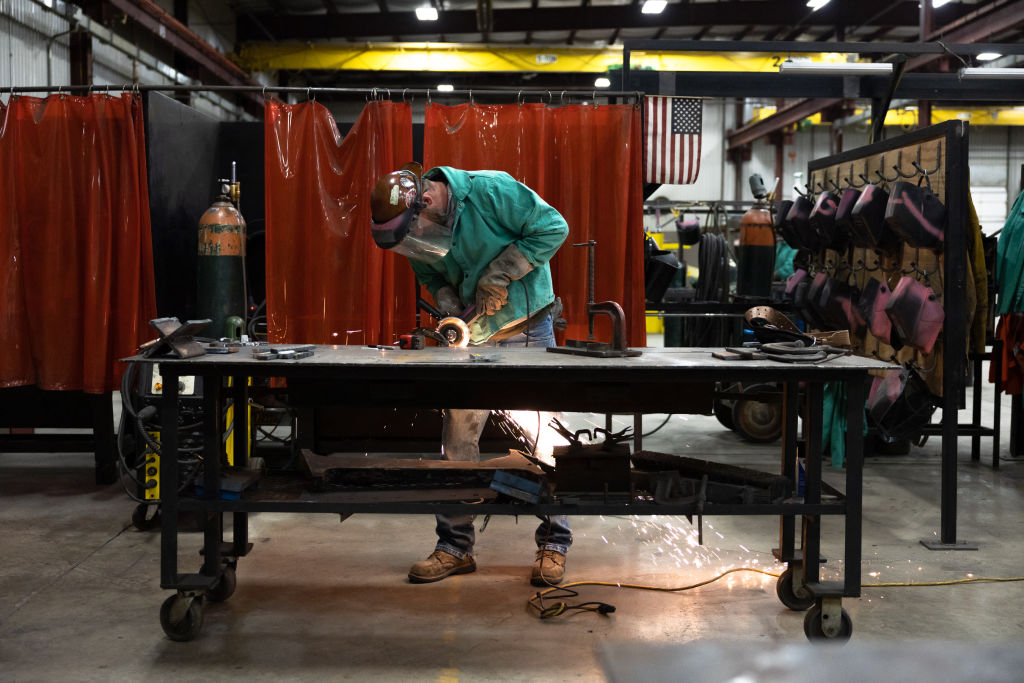
New federal program aims to make financial aid for those enrolled in short-term workforce training programs.
Gone are the days of a college degree being the gold standard of success. As the cost of undergraduate tuition continues to rise, new entrants to the American workforce are trading in the pursuit of a college degree for skilled trades. While college enrollment has seen a 15% decline in the past decade, apprenticeships have increased by more than 50%. Meeting students where they are and making these opportunities even more affordable, the Trump administration has introduced the Workforce Pell Grant program.
Previously, Federal Pell Grants have only been available to qualifying students enrolled in long-term undergraduate programs. The new Workforce Pell makes financial aid available to those enrolled in short-term workforce training programs. Rather than spending upwards of $100,000 on a four-year degree, the Workforce Pell allows students to graduate with little-to-no debt in as little as eight weeks in fields with high career outcomes, like manufacturing. These short-term trade programs have an average cost of $7,000 (without financial aid) at public institutions, providing a quicker, more affordable path toward successful careers.
Acting U.S. Secretary of Labor Keith Sonderling stated: “No more forcing Americans to choose between long, expensive degrees or no training at all. This opens doors for Registered Apprenticeships, career and technical education, and targeted-skills training — programs that lead to good-paying jobs, fast.”
This Pell Grant addition not only provides new opportunities for America’s workforce but also meets the country’s labor needs. As older trade workers begin to retire, millions of new workers are needed to maintain the nation’s manufacturing capabilities. Within the next seven years, an expected 3.9 million new net employees will be needed to fill manufacturing positions, creating a 1.9 million labor shortfall if the talent shortage is not remedied. Strict guidelines on the Workforce Pell ensure that funding is only granted to students training to enter high-demand fields, paving the way to meet the ever-growing needs of American manufacturing.
Introducing this program should strengthen the blue-collar workforce and also support the desires of Generation Z. Now being called the “Toolbelt Generation,” Gen Z is showing a desire to pursue skilled trades for their job security, high pay and the low debt accrued to attain them. While overall enrollment in colleges and universities continues to fall, vocational enrollment has continued to rise. In the past year alone, enrollment rose 16% among vocational-focused community colleges.
Even more appealing is that between 2022 and 2024, the average salary of manufacturing apprentices rose 9.76% to $46,321 annually. In contrast, The Wall Street Journal found “new hires in professional services earned an annual $39,520, up 2.7% from 2022, according to data from payroll-services provider ADP. In addition to stable, livable wages, blue-collar and trade careers offer greater perceived job security due to uncertainty surrounding the implementation of artificial intelligence in white-collar jobs.
Manufacturing work has often been thought of as dirty and dangerous. But modern manufacturing demands proficiency in technical skills to operate advanced equipment and maintain high safety standards — factors that ensure lucrative career paths. Some applicants may lack the advanced training needed to fill modern manufacturing roles. By making training more affordable and accessible through the Workforce Pell Grant, applicants can quickly enter the workforce with high-level technical training, and without financial burden.
The program is specifically designed to align students with high-skill, high-wage or in-demand occupations that consistently yield positive labor market outcomes. Additionally, the training must lead to a recognized postsecondary credential, much like a college diploma. Individual states will determine program eligibility, approval processes and any qualifying partnerships with higher education systems or out-of-state online programs. Each governor will collaborate with state workforce boards to determine which careers are considered “high-demand” to meet Pell criteria.
While the program launched on July 1, the legal start date is not until July 20, with the first Workforce Pells expected to be distributed in Fall 2026. Students wishing to enroll in job-training programs can apply using the Free Application for Federal Student Aid (FAFSA). Eighteen states have already created an operational approval process ranging from 18 to 364 approved occupations, with 24 states currently in the process of finalizing approvals.
Introducing the Workforce Pell Grant provides high-quality training to the nation’s essential workforce, proving that success no longer demands a college degree. Federal funding also recognizes the importance of vocational education while highlighting its family-sustaining employment opportunities. This is a long-term investment into generations of American manufacturers, paving the way for enduring economic success and a commitment to the trades.
“Pell Grants will now reach high-quality, short-term workforce programs in high-skill, high-wage, and in-demand fields,” said Acting Secretary of Labor Keith Sonderling. “No more forcing Americans to choose between long, expensive degrees or no training at all. This opens doors for Registered Apprenticeships, career and technical education, and targeted-skills training—programs that lead to good-paying jobs, fast.”