From Fishing String to Squash Rackets, a Rhode Island Manufacturer Unfurls Two Centuries in Business
Family-owned Ashaway Line & Twine has continued to evolve since its founding in the early 19th century.
 machineryasia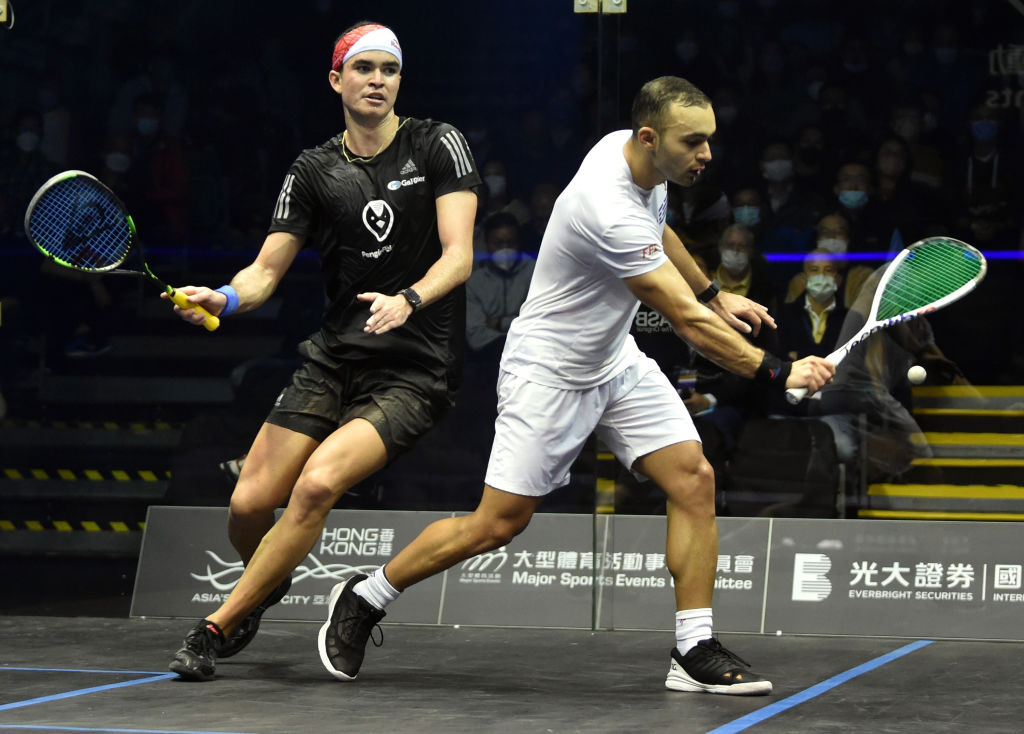
Family-owned Ashaway Line & Twine has continued to evolve since its founding in the early 19th century.
In 1824, the Ashaway Line & Twine Manufacturing Company was founded by noted Rhode Island fisherman Captain Lester Crandall, a well-respected angler along the Northeast American coast who was even more celebrated for crafting superior fishing line.
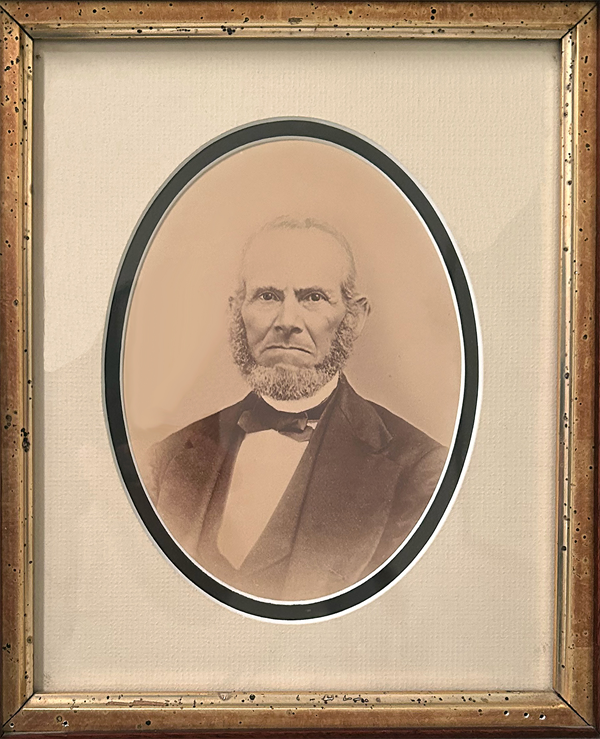
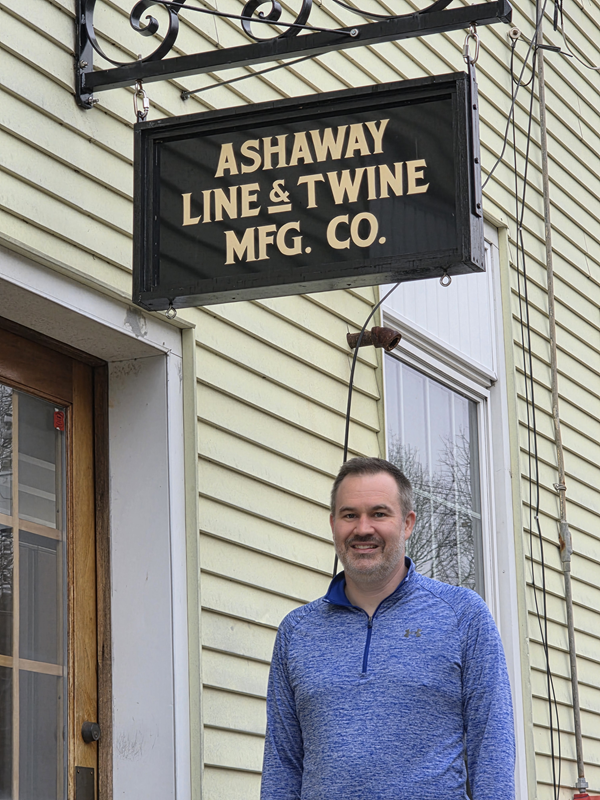
More than 200 years later, the company he founded is still at it in the small village of Ashaway, Rhode Island, located only 12 miles from the fishing waters of Rhode Island Sound and the Atlantic Ocean. And through it all, Ashaway Line & Twine has been owned and operated by a member of the Crandall family. Today the company is run by Julian Crandall who is seven generations removed from Captain Lester.
Not that there haven’t been a few changes. Its fishing line and specialty twine, once the foundation of Ashaway Line & Twine’s business, has taken a back seat to the company’s manufacturing of more in-demand items like medical sutures and racket strings.
“The biggest portion of our business now is suture threads,” said Julian Crandall, Ashaway Line & Twine’s president. “We make non-sterile suture threads, which are sold in bulk to medical supply companies that then do their chopping them into links, attaching the needles, packaging and sterilizing and all that.
“Our customers do the sterilizing. We basically do the textile work and they do the medical regulatory stuff, getting it approved to be on the market and all that testing. We have certain regulatory requirements that we have to follow but our customers do the heavy lifting because they are the ones that are putting it into the marketplace.”
All Ashaway Line & Twine’s products are manufactured with a braiding process. The company’s braiding machines produce precision lines, strings and suture materials that are strong and durable.
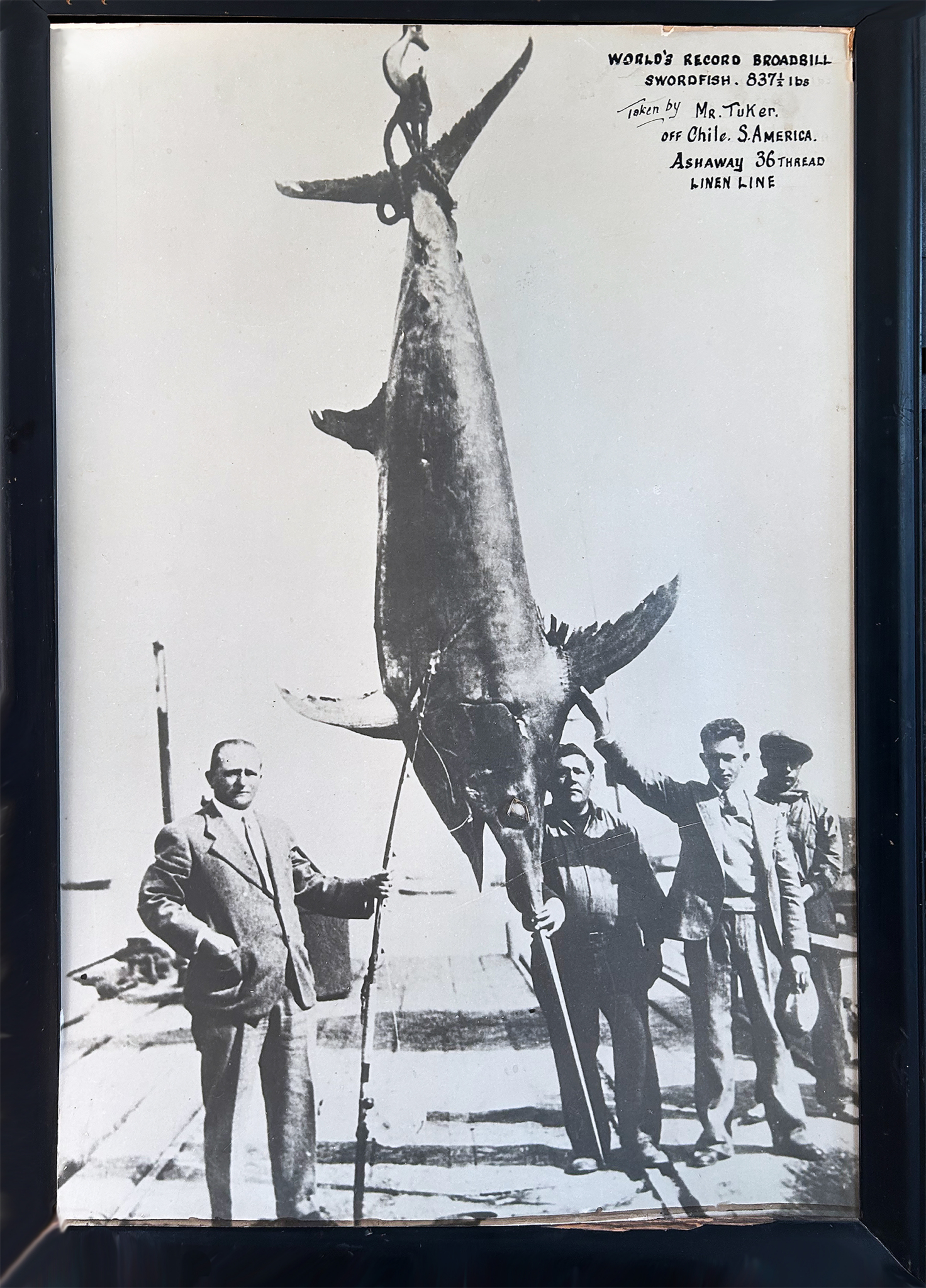
The company still makes fishing line used by hardcore fly fisherman and commercial tuna fishermen but its product is a braided multifilament line as opposed to the standard single thread monofilament that dominates the market.
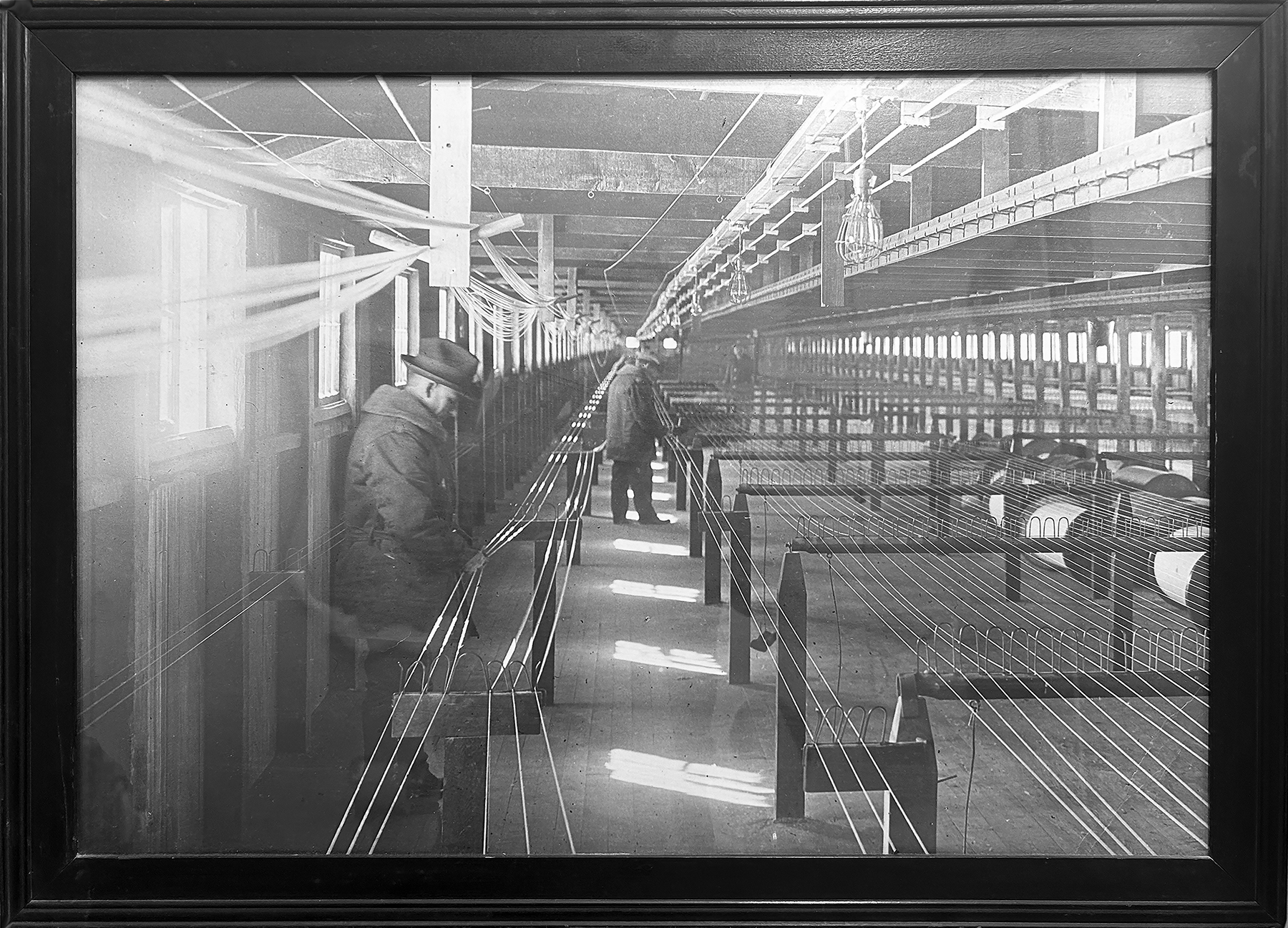
“We were the leader in the sport fishing industry in the early- to mid-20th century,” said Crandall. “We were definitely a leader in sport fishing. We are really a braiding company and as monofilament became popular, we were doing less and less fishing products at that point. We were using the braiders for specific types of fishing line but also for suture threads and racket strings.
“Monofilament is one solid piece that’s been extruded whereas multifilament – what we call multifilament yarn like polyester, nylon, polyethylene or silk, which is a natural fiber – are weaved into a pattern. They are multifilament yarns that we then braid into braided configurations.”
Nylon thread was developed by DuPont in 1935, becoming the first fully synthetic fiber in the market.
“The first product made from nylon on the commercial market was one of our fishing lines in the 1930s,” said Crandall. “We beat the panty hose to the marketplace by a couple of months. My great grandfather was friendly with the DuPont family and we had an in on that nylon as it was developed. They used to go fishing together.”
Today, the company’s suture thread, used by doctors for everything from closing a deep wound to internal procedures, dominates its manufacturing.
“The biggest portion of our business now is suture threads,” said 47-year-old Crandall. “Medical is about 55 to 60% of our business and the rest is racket strings, archery products and sporting goods products. We do a lot of fly-fishing braid. We sell it to our customers and they put the PVC or some other type of coating on the outside of it but we do the core braid.”
The braiding machines at Ashaway Line & Twine’s two factories located on the Ashaway River are manned by a team of 55 employees.
“The raw material we use is multifilament yarn, whether it be polyester, nylon, Kevlar, polyethylene, silk or things like that,” said Crandall. “We put the material onto wood bottoms that go on the braiders. The bottoms move around in a particular pattern to create the braid.
“The braiders can run for a while, anywhere from a day to a month depending on the size of the product and how many yards you are producing all at once. And there is the finishing process for more complex products like racket strings or suture threads where you give it various treatments or coatings.”
Perhaps the most visible product manufactured by Ashaway are the racket strings for tennis, badminton, racquetball and squash. The tennis string market is flooded with manufacturers but Ashaway still maintains a presence.
“Tennis has really gone the direction of monofilament more so than multifilament products,” said Crandall. “We are not huge in tennis. We have a couple of specialty products that some people swear by but we don’t do a huge volume of tennis strings.”
It’s squash strings, however, where Ashaway Line & Twine excels.
“We are big in squash. We are one of the top two racket string manufacturers for squash,” said Crandall. “Racquetball is kind of a dying sport but we do well with our badminton strings. We sell badminton string all over the world.
“Badminton, believe it or not, might be the most played racket sport. People might think it may be tennis but badminton, worldwide, more people play badminton than any other sport. More than tennis. It’s huge in Asia and Europe.
“Some of the world’s best squash players use our product. Diego Elias is from South America and he won the world championship in 2024. He is in the top three players in the world and he uses our strings.”
With the invention of synthetic thread material, the twisting of monofilament line is found in most applications. But the Ashaway braiding process is still preferred in many industries.
“The braiding gives you a more supple feel whereas monofilament has more memory and is stiffer,” added Crandall. “Our braided threads for certain types of surgeries, that supple braid is really what’s important.”
The Alliance for American Manufacturing does not receive a commission from purchases made through the above links, nor was the organization or author paid for favorable coverage.
Labeling Note: This story is intended to highlight companies that support American jobs and that make great products in the United States. We rely on the companies listed to provide accurate information regarding their domestic operations and their products. Each company featured is individually responsible for labeling and advertising their products according to applicable standards, such as the Federal Trade Commission’s “Made in USA” standard or California’s “Made in USA” labeling law. We do not review individual products for compliance or claim that because a company is listed in the guide that their products comply with specific labeling or advertising standards. Our focus is on supporting companies that create American jobs.
For more on the Federal Trade Commission’s standards for “Made in USA” claims and California’s “Made in USA” labeling law, please also read this guest post by Dustin Painter and Kristi Wolff of Kelly Drye & Warren, LLP.