Chandler Bats Hits an American-made Home Run
Purchased by former MLB All-Star Yoenis Céspedes in 2019, the Florida manufacturer crafts its bats for everyone, from professional players to Little Leaguers.
 machineryasia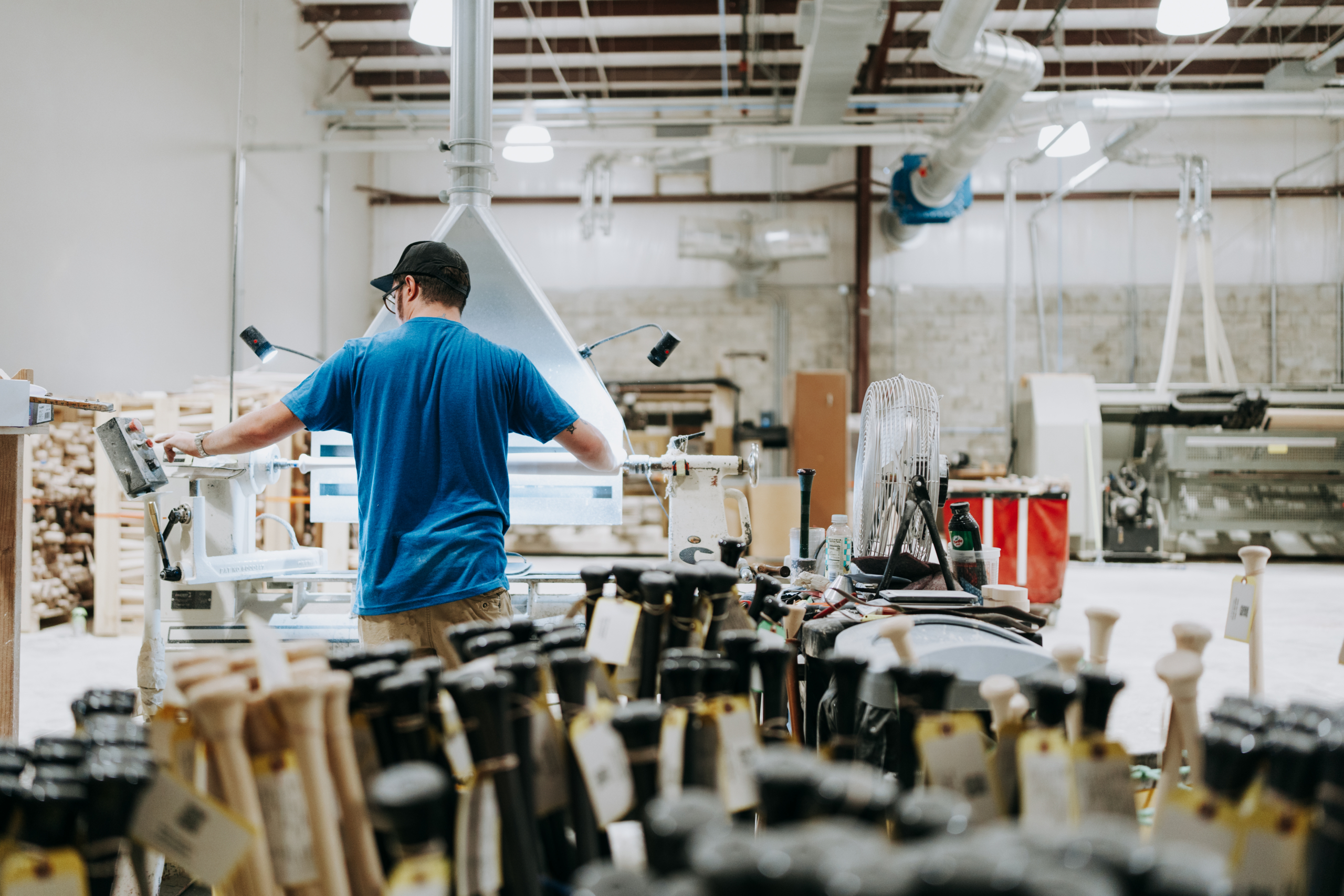
Purchased by former MLB All-Star Yoenis Céspedes in 2019, the Florida manufacturer crafts its bats for everyone, from professional players to Little Leaguers.
Now that the 2026 Major League Baseball (MLB) season is underway, the debate over the best hitter in baseball is once again heating up. The discussion annually revolves around the New York Yankees’ Aaron Judge and the Los Angeles Dodgers’ Shohei Ohtani.
Among the many similarities of both All-Star players is their prowess for hitting powerful home runs while maintaining excellent batting averages. They each have won numerous Most Valuable Player awards while guiding their teams to the playoffs and World Series.
And both power-hitting players share a piece of equipment in their hitting arsenals.
Judge (53 home runs in 2025) and Ohtani (55 homers) both swing Chandler Bats.
Chandler Bats has become the latest company to significantly break into the wood baseball bat market that has been dominated by brands such as Marucci, Victus and Louisville Slugger.
Chandler is owned by former MLB player Yoenis Céspedes, who was known for his long ball hitting having won the Home Run Derby in both 2013 and 2014. He was a two-time All-Star and played in the 2015 World Series as a member of the New York Mets.
Céspedes was an investor in Chandler bats, and as the company floundered through bankruptcy in 2019, he stepped up to the plate with further investment, essentially making him owner of the young company. After a year of upheaval in 2019, Céspedes and his young team got the company back on track, and it has grown every year since.
Chandler Bats began manufacturing for professional athletes in 2012, but, with Céspedes’ takeover, the company moved into the public marketplace so that every player from Little Leaguers to professionals can swing a model like Judge and other major-leaguers.
Ben Chase is the CEO of Chandler Bats and Dove Tails Bats, another fledgling company that was bought out by Céspedes.
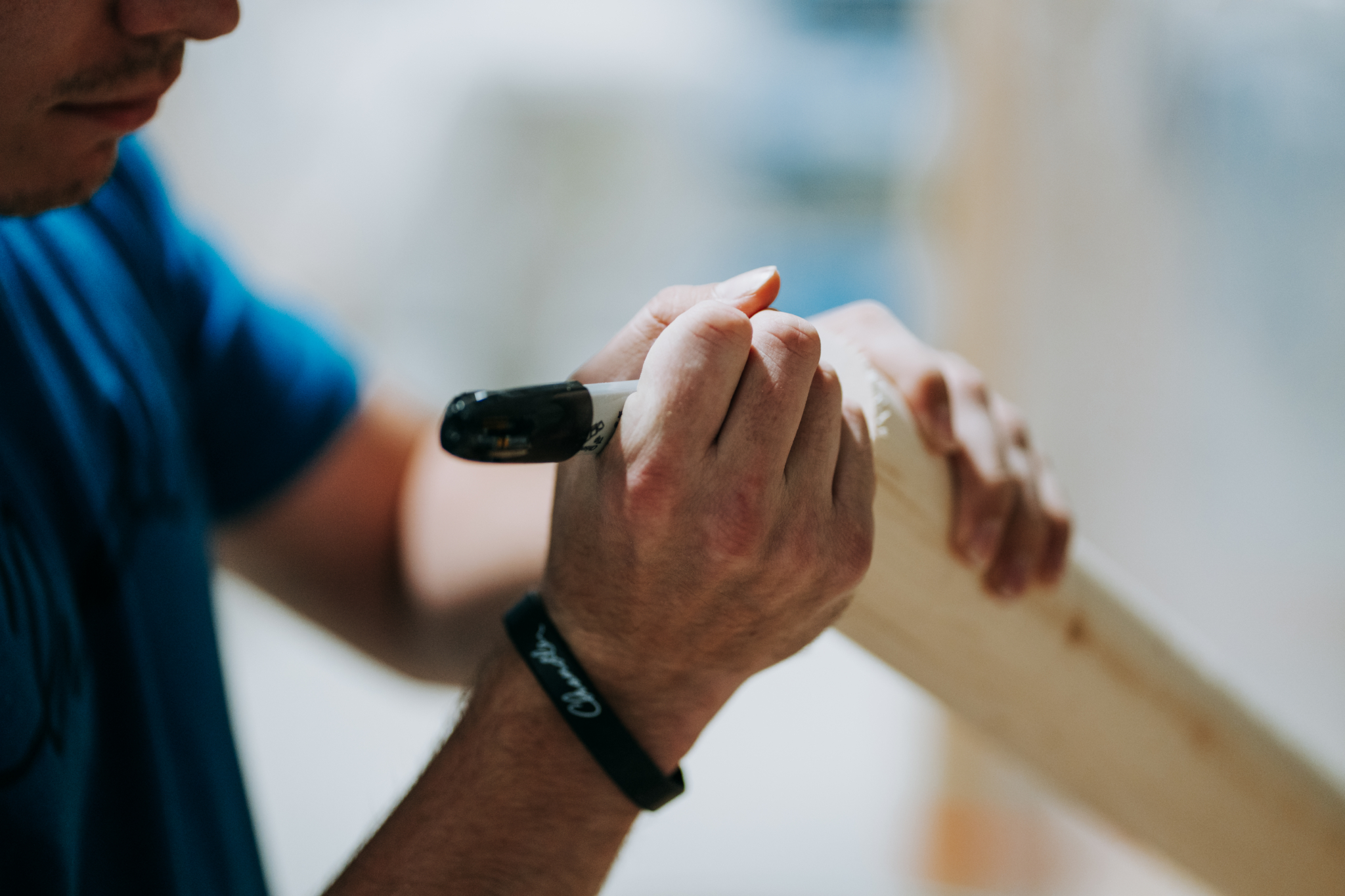
“Céspedes got involved in the bat business in 2019, and it was a very interesting time with contract disputes, the MLB lockout, a delayed season start, shortened season, MLB winter meetings canceled and no clubhouse access because of Covid,” said Chase. “It was really a crazy time to get involved.
“Chandler’s reach is in professional sports, but we’ve made great strides to try and increase the physical ability of our product throughout the country and the world. Everything I knew about Chandler before was that it was the best bat out there, but, at the retail market, you couldn’t get them.”
When Céspedes became the owner, his goal was to make Chandler Bats accessible to all baseball players. Professional baseball remains Chandler’s strongest customer, but today it is not its only customer.
“Professional sports is still slightly over 50% of our business, but direct-to-consumer takes up a solid 25% to 30%, and the rest would be specialty and wholesale,” said Chase. “We have a solid international business as well. South Korea, Japan, Australia, the Caribbean Latin America are all great markets for us.”
Chandler Bats have attracted attention from all over the world, but the bats are strictly American-made from American lumber.
Chandler Bats were originally manufactured in Pennsylvania before the company relocated to Céspedes’ hometown of Port St. Lucie, Fla., in 2021. A 17,000 square-foot manufacturing facility was built for the company’s 30 employees.
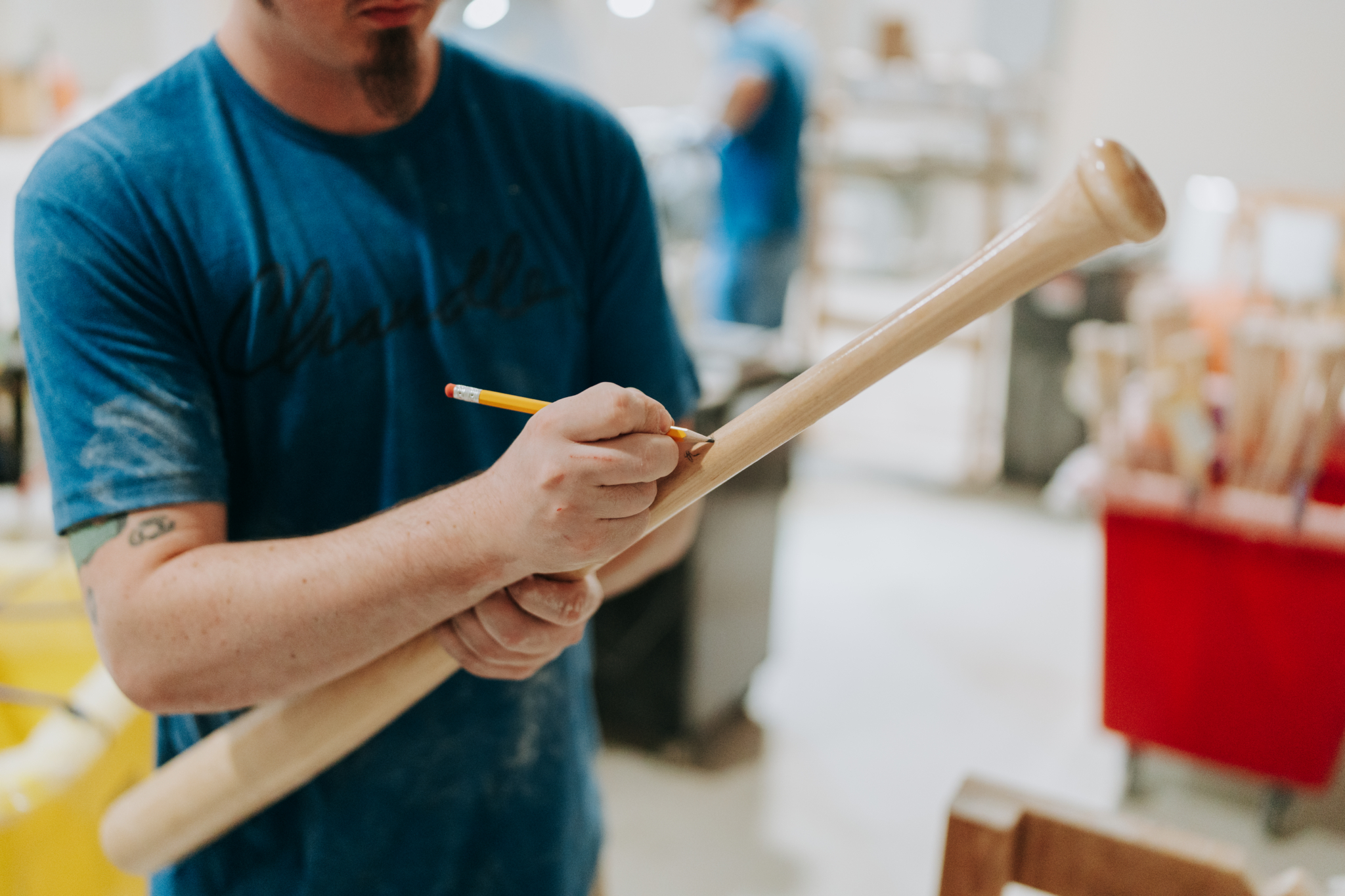
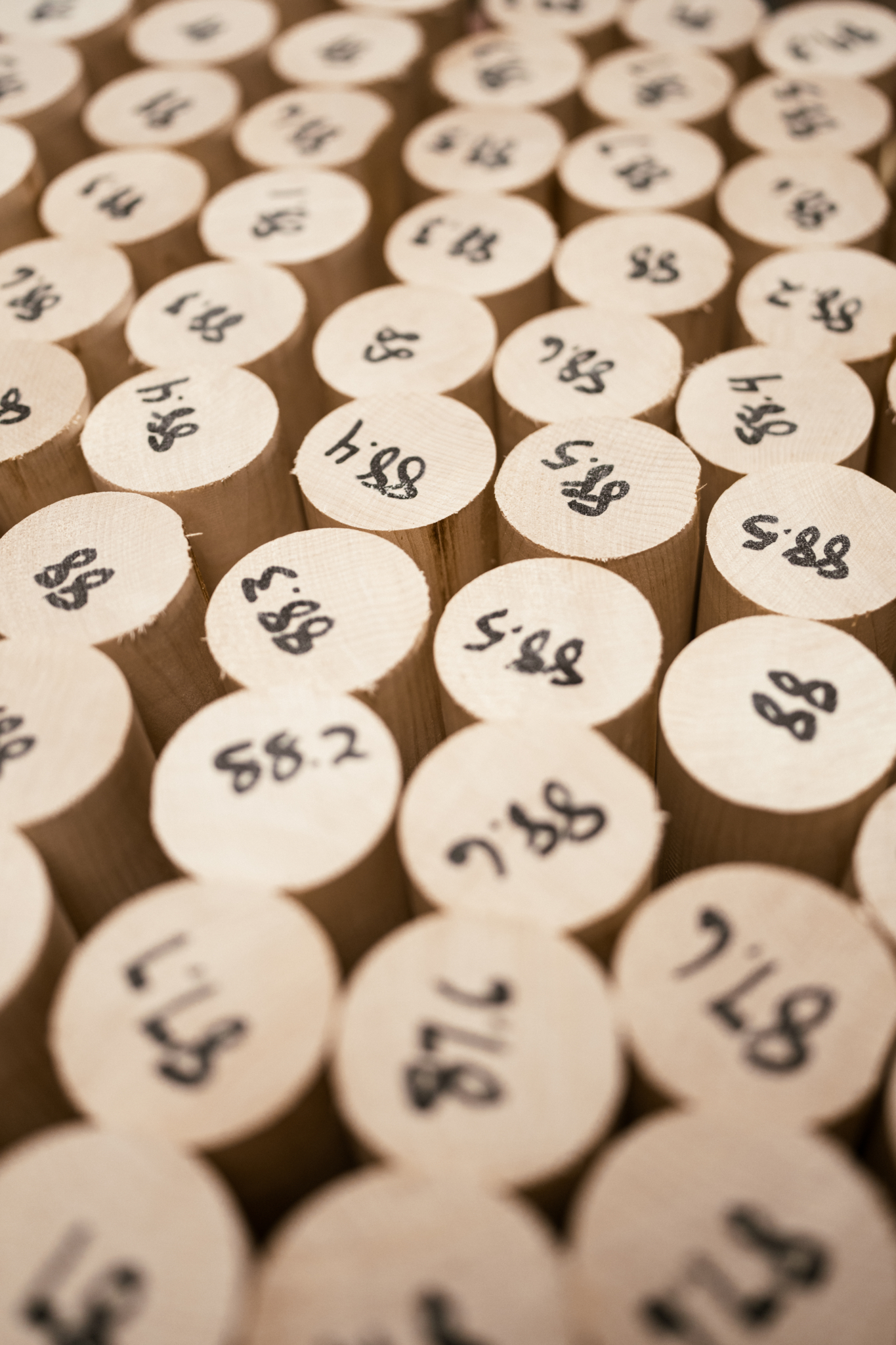
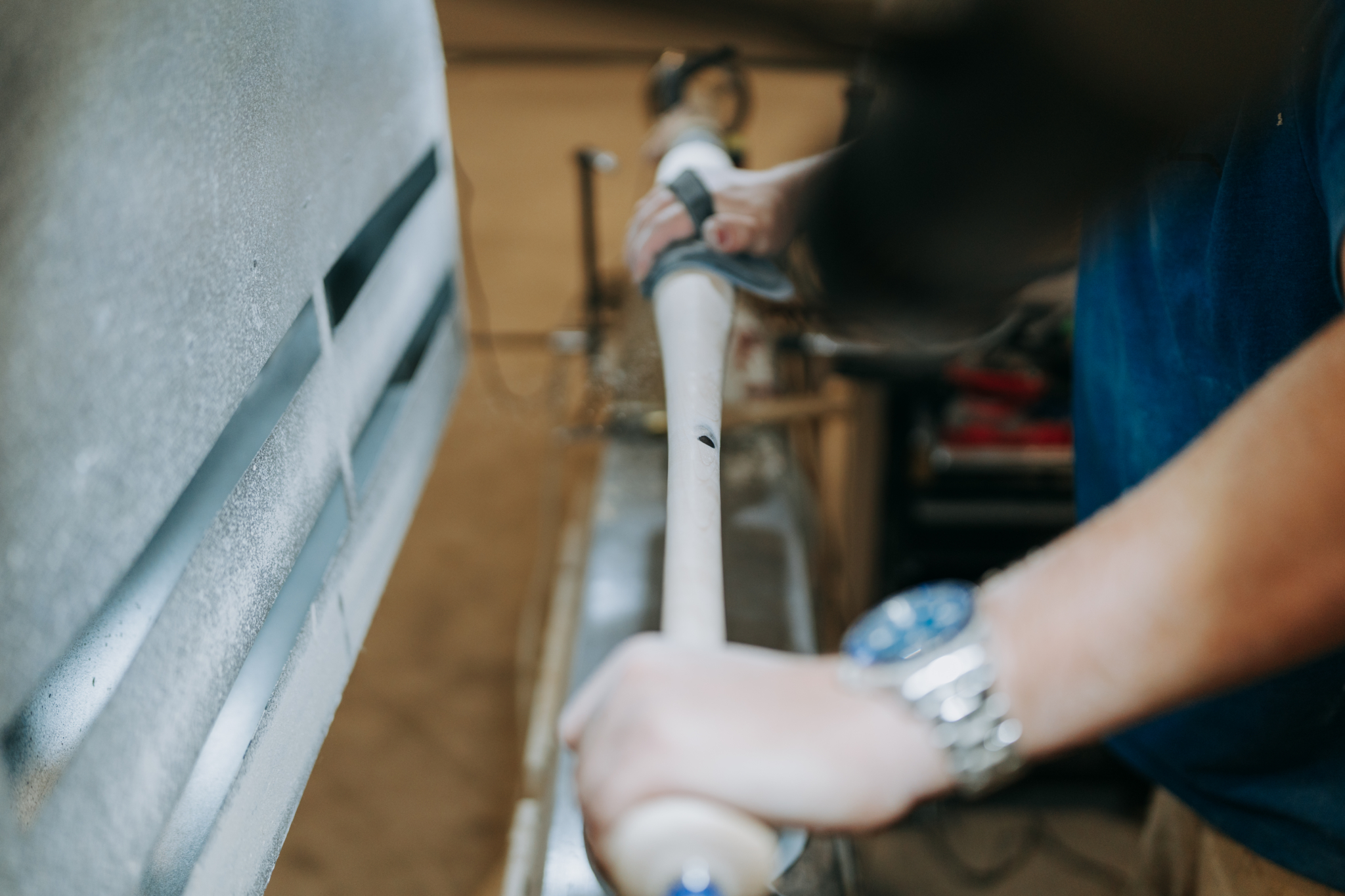
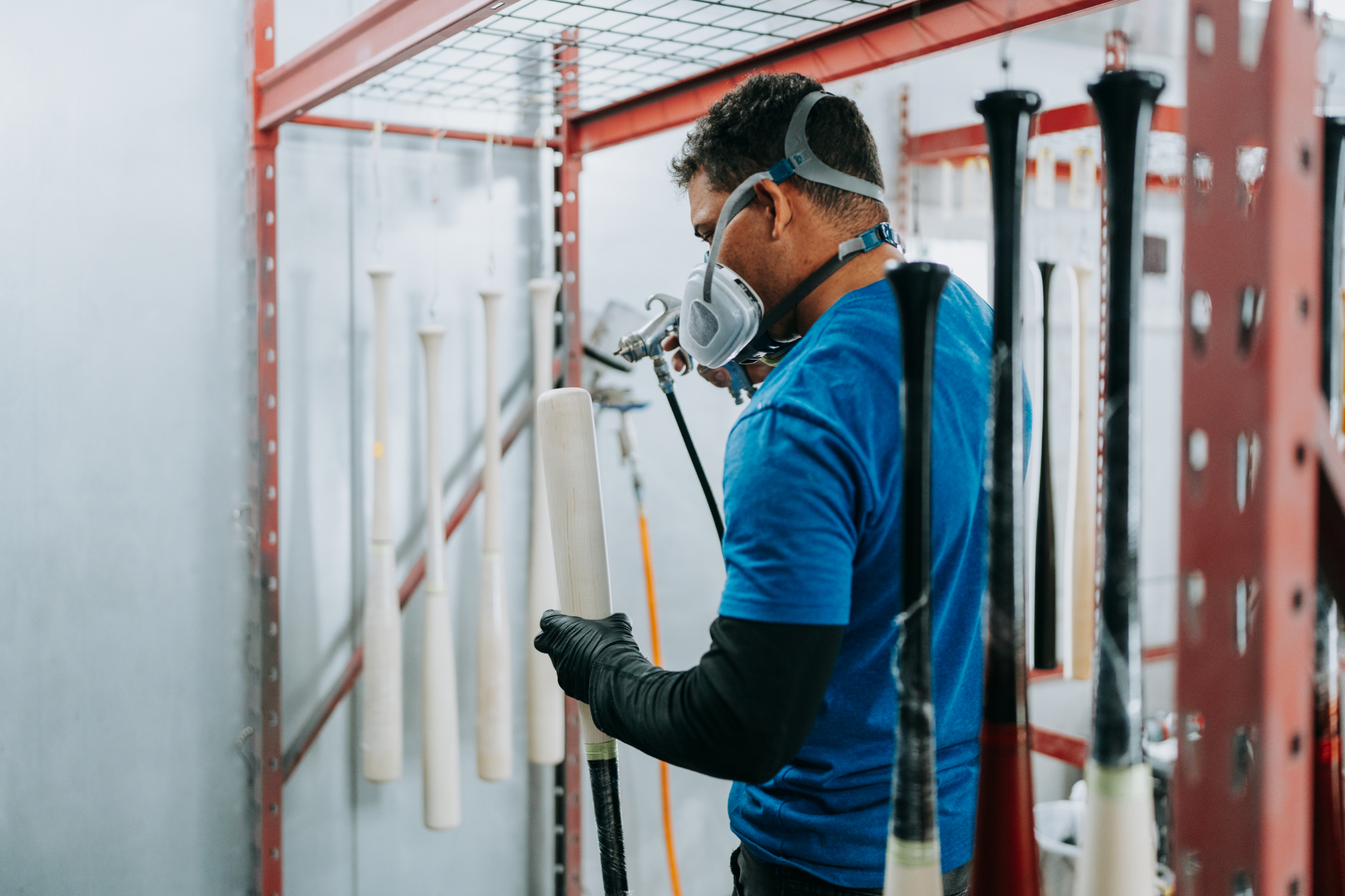
Nearly all the Chandler Bats are made of maple, which has become the preferred wood for batters because of its hardness. There are players that use birch wood bats, and you can find bats made from ash at some lower levels of play where metal bats are not mandatory.
“Chandler bats are 95% maple,” said Chase. “Dove Tail bats are birch. There is an interesting DNA of each brand. Maple is historically more popular. Maple still has 80% to 85% market share at the professional level. It is still the most popular.
“The maple all comes from the United States, where the Northeast is the biggest hotbed of where all that wood comes from. It comes from Pennsylvania, New York, Maine, of course, and a little bit out of the upper Midwest.”
The wood for the bats is shipped to the Florida manufacturing facility and put into a large humidor to combat the areas’ high humidity. The wood is all graded and weighed before the Chandler team begins the production process.
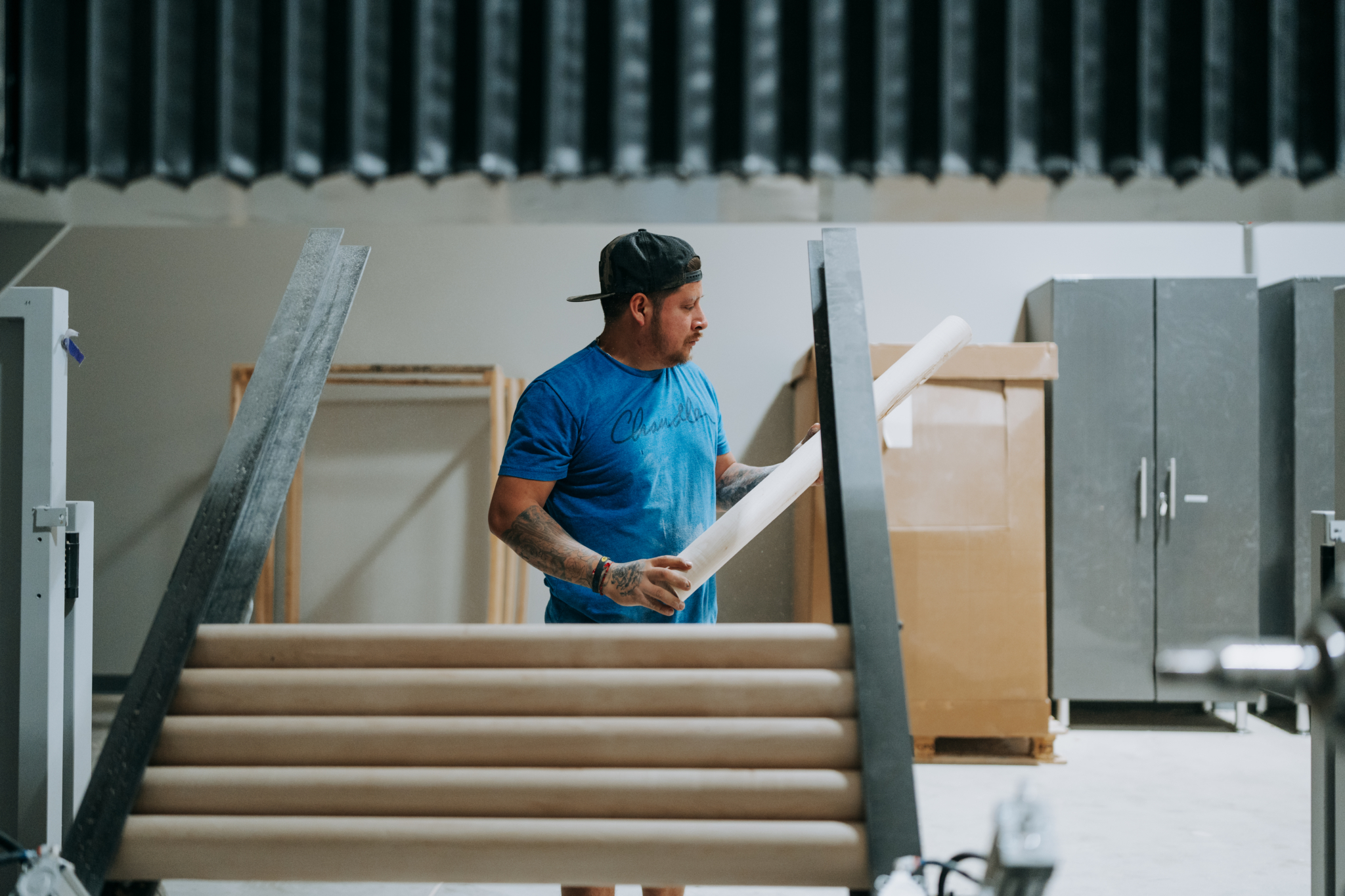
“The wood arrives in billets that range from 2.75- to 2.78 inches in diameter and the piece of wood itself is 37 inches long,” said Chase. “There are a variety of different knives attached to our CNC machines to form the bats.
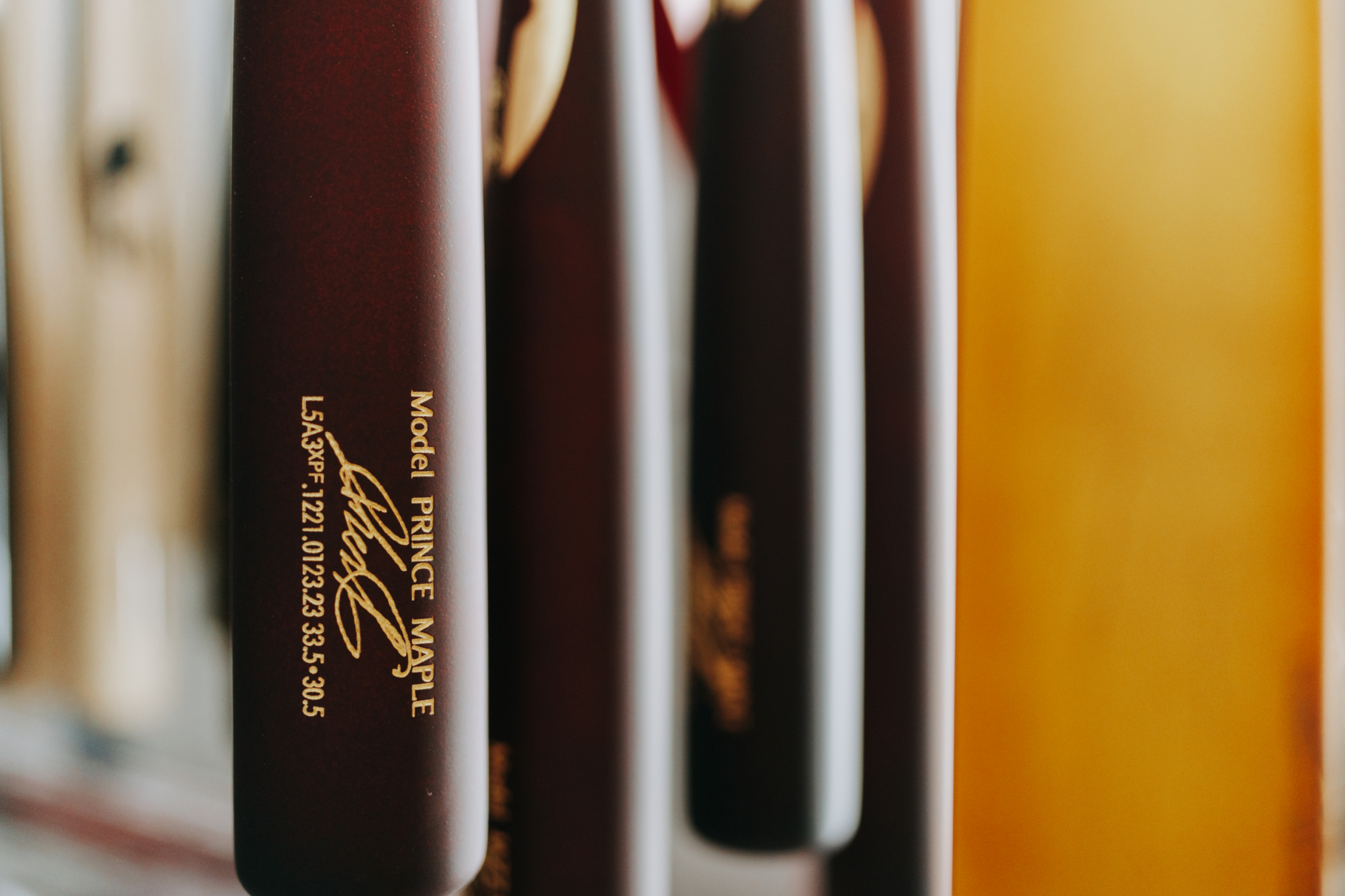
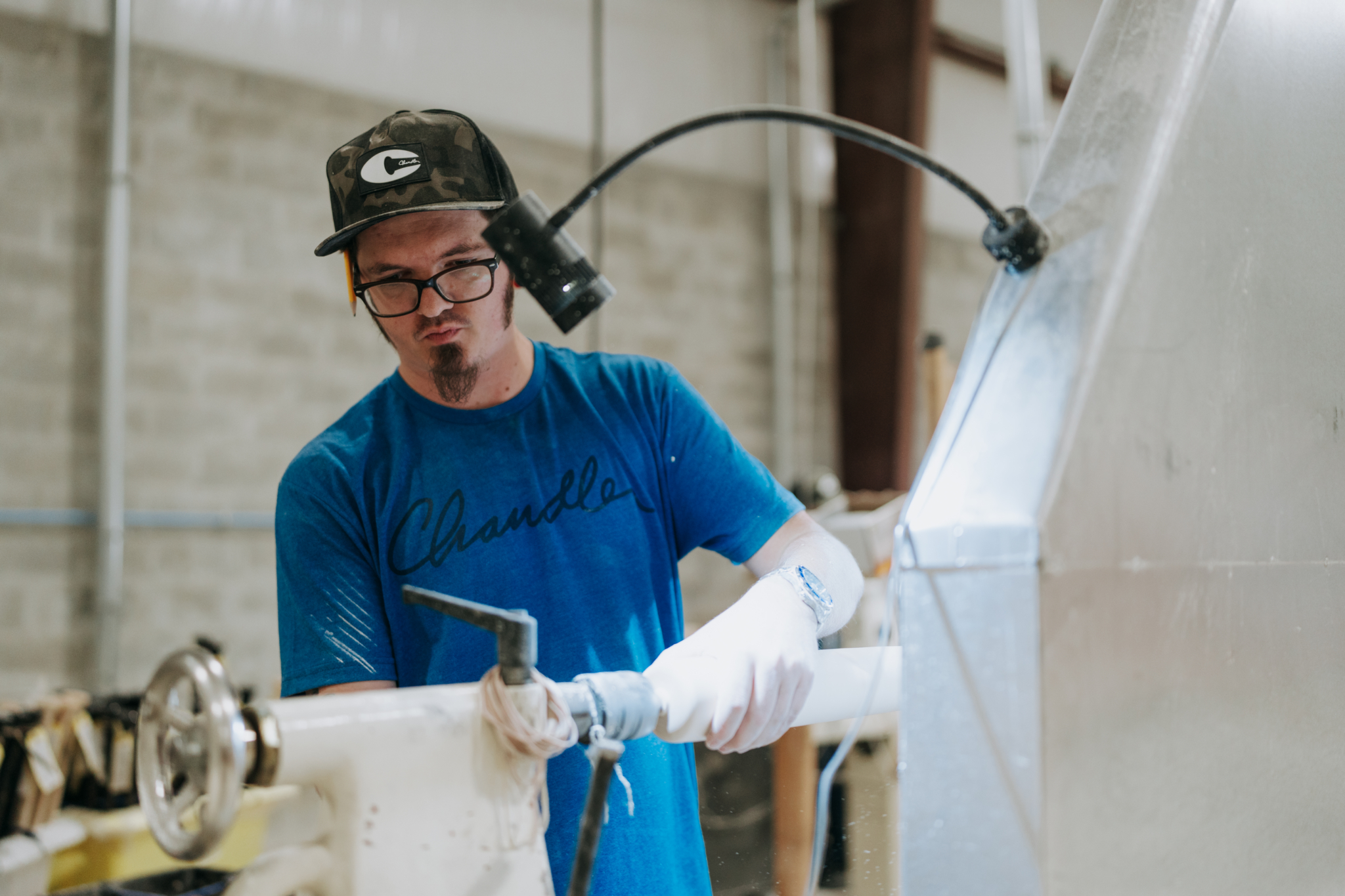
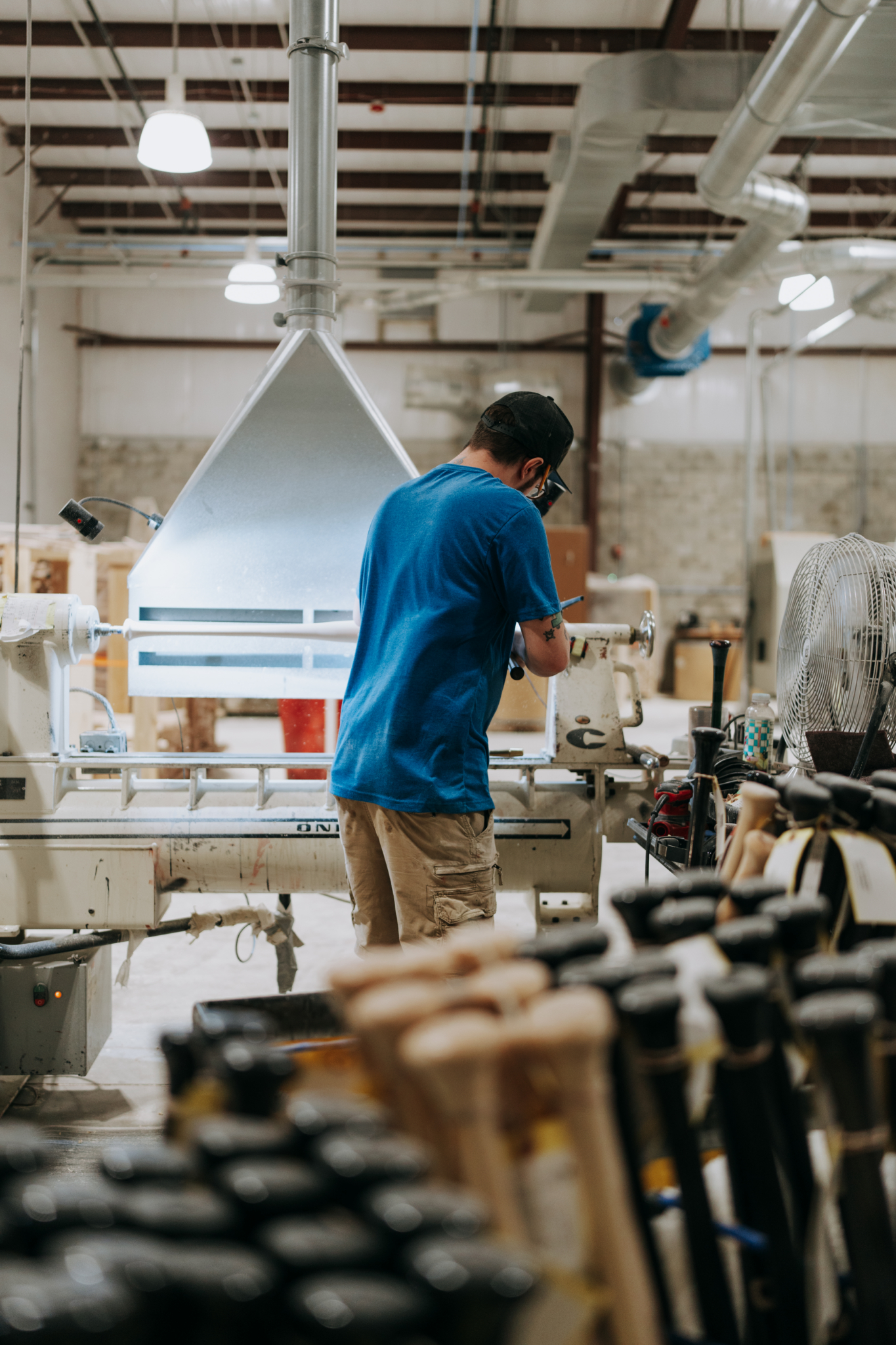
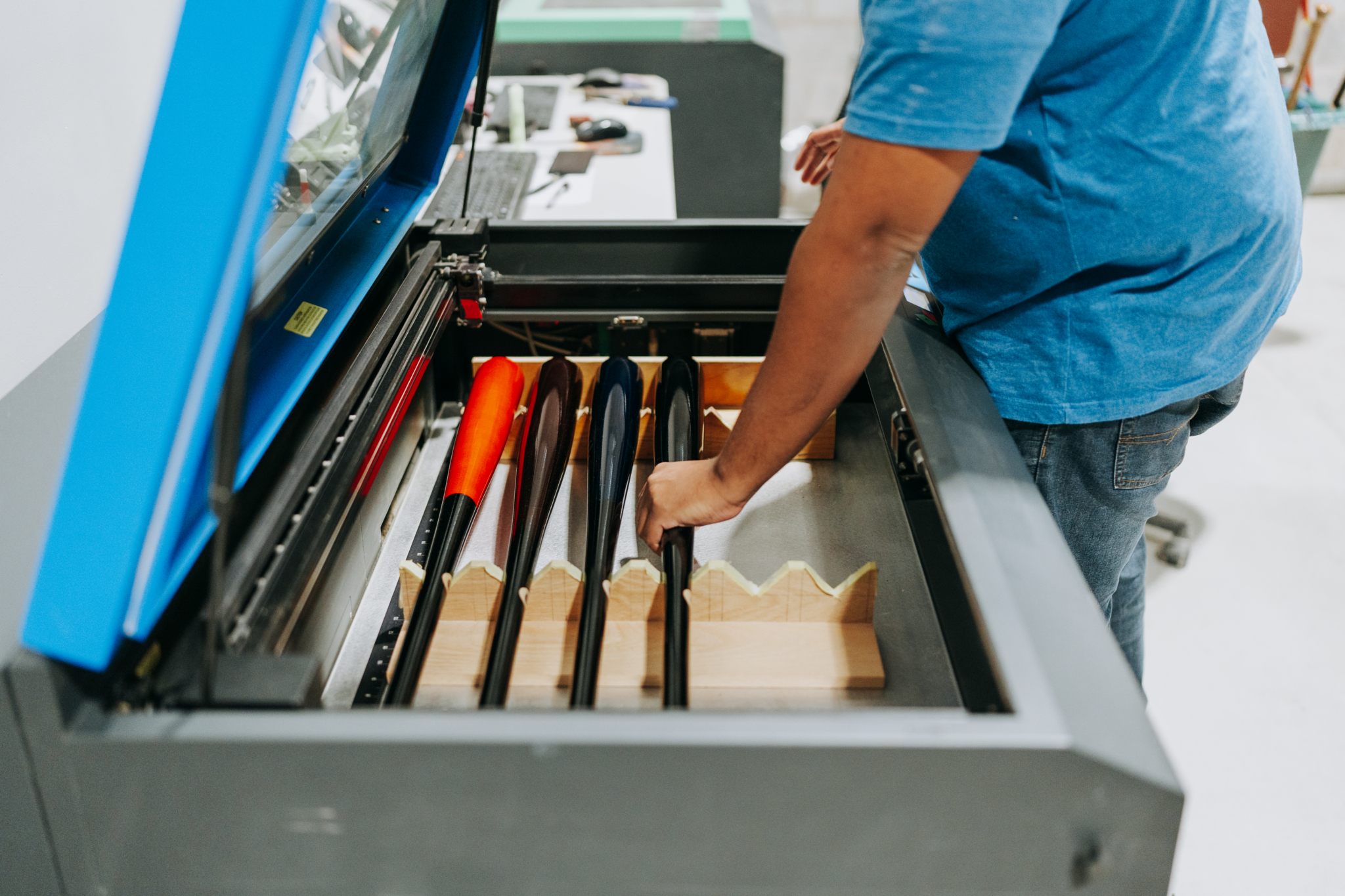
“Then it goes to our hand lathes. From there it is turning and sanding at a high rate and we are doing all of our sanding and additional shaping, getting the ends of the bats completely off and putting it into its final form and prepared for paint. We get the wood compressed to allow the barrel to be repeatedly striking a baseball.
“We have the most steps of making a bat. It is a highly engineered product.”
The Chandler team keeps thousands of bat profiles on file in case Judge or Ohtani want to tweak their sticks, the job can be done expeditiously.
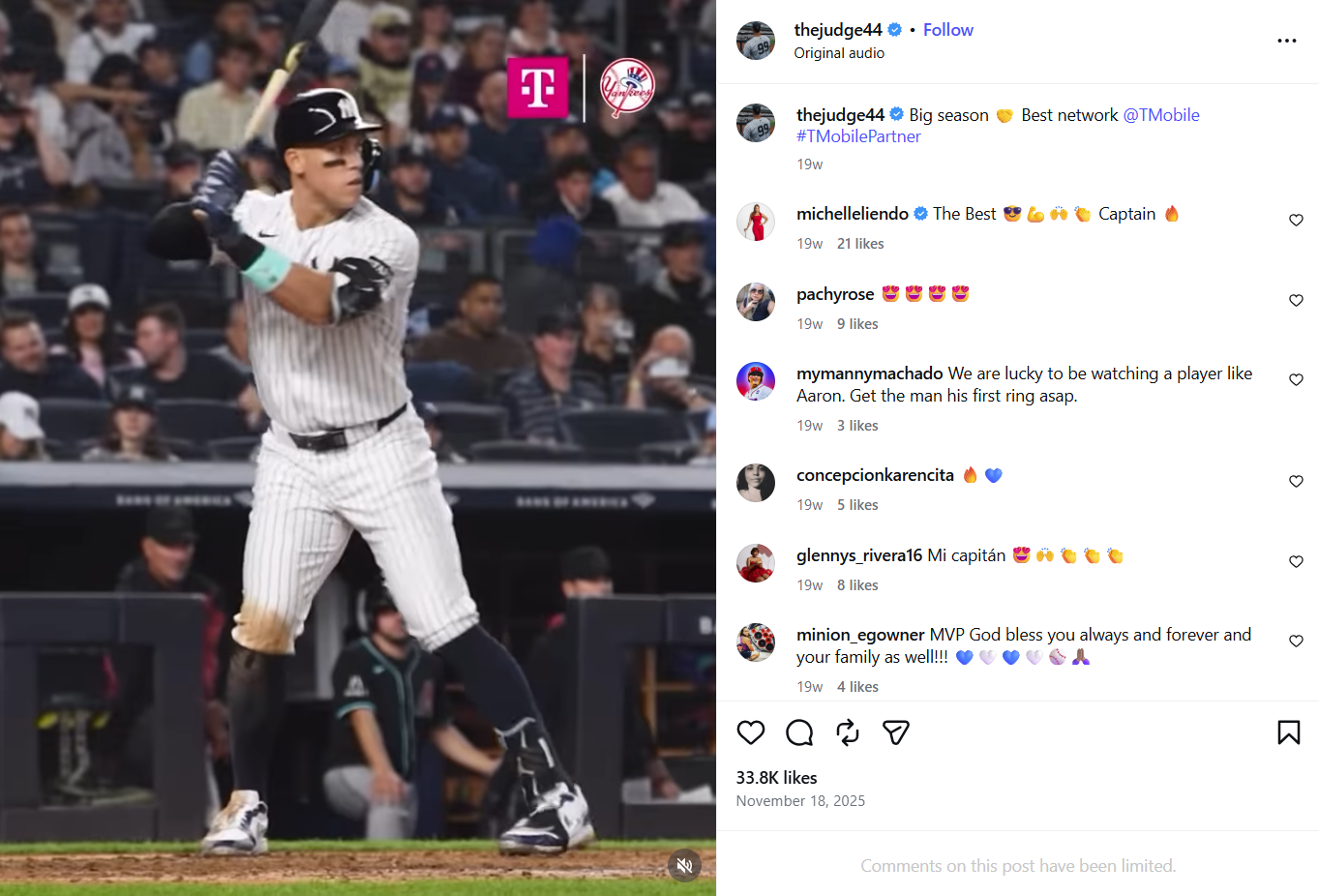
“Even for somebody like Aaron Judge, we have a variety of different versions of his model, depending on what he is looking for during that point and time during the season,” said Chase. “Each one is like versions of the same model.”
While the company has yet to make a bat for public consumption like the one Ohtani hits with, it has two Aaron Judge models that replicate what the “The Judge” swings. The Chandler models AJ-99 and AJ-99.2 are the same bats Judge uses. They can be sized accordingly to fit your needs.
Other players swinging popular Chandler model bats are the Phillies’ Bryce Harper, Jazz Chisolm of the Yankees, and Baltimore’s Gunnar Henderson.
“Everything is made to MLB specifications. Everything goes through the same supply chain,” said Chase. “When I first started here in 2020, we were making less than 10,000 bats a year, and now it’s three to five times that depending on the year and who’s ordering. We’ve experienced significant growth in the output.
“We were in a very significant hole in 2019. It was a really bad time in the industry for a company that was geared toward professional sports. We’ve made multiples of what it used to be, and we are very proud of that.
“We spend a lot of time engineering those bats. That’s the difficulty of making wood bats, doing the same thing over and over and over again from something that is constantly changing. “You’re not just pulling things from one tree, in one forest. There are a variety of different contributing factors that have gone into the production of that wood and that’s all God and nature. We just try to do the best we can once we get the wood in.”
The Alliance for American Manufacturing does not receive a commission from purchases made through the above links, nor was the organization or author paid for favorable coverage.
Labeling Note: This story is intended to highlight companies that support American jobs and that make great products in the United States. We rely on the companies listed to provide accurate information regarding their domestic operations and their products. Each company featured is individually responsible for labeling and advertising their products according to applicable standards, such as the Federal Trade Commission’s “Made in USA” standard or California’s “Made in USA” labeling law. We do not review individual products for compliance or claim that because a company is listed in the guide that their products comply with specific labeling or advertising standards. Our focus is on supporting companies that create American jobs.
For more on the Federal Trade Commission’s standards for “Made in USA” claims and California’s “Made in USA” labeling law, please also read this guest post by Dustin Painter and Kristi Wolff of Kelly Drye & Warren, LLP.