A Philadelphia Apparel Brand Made by an Athlete, for Athletes
You can find Boathouse Sports everywhere, from high schools to NFL sidelines — and it sells directly to consumers, too.
 machineryasia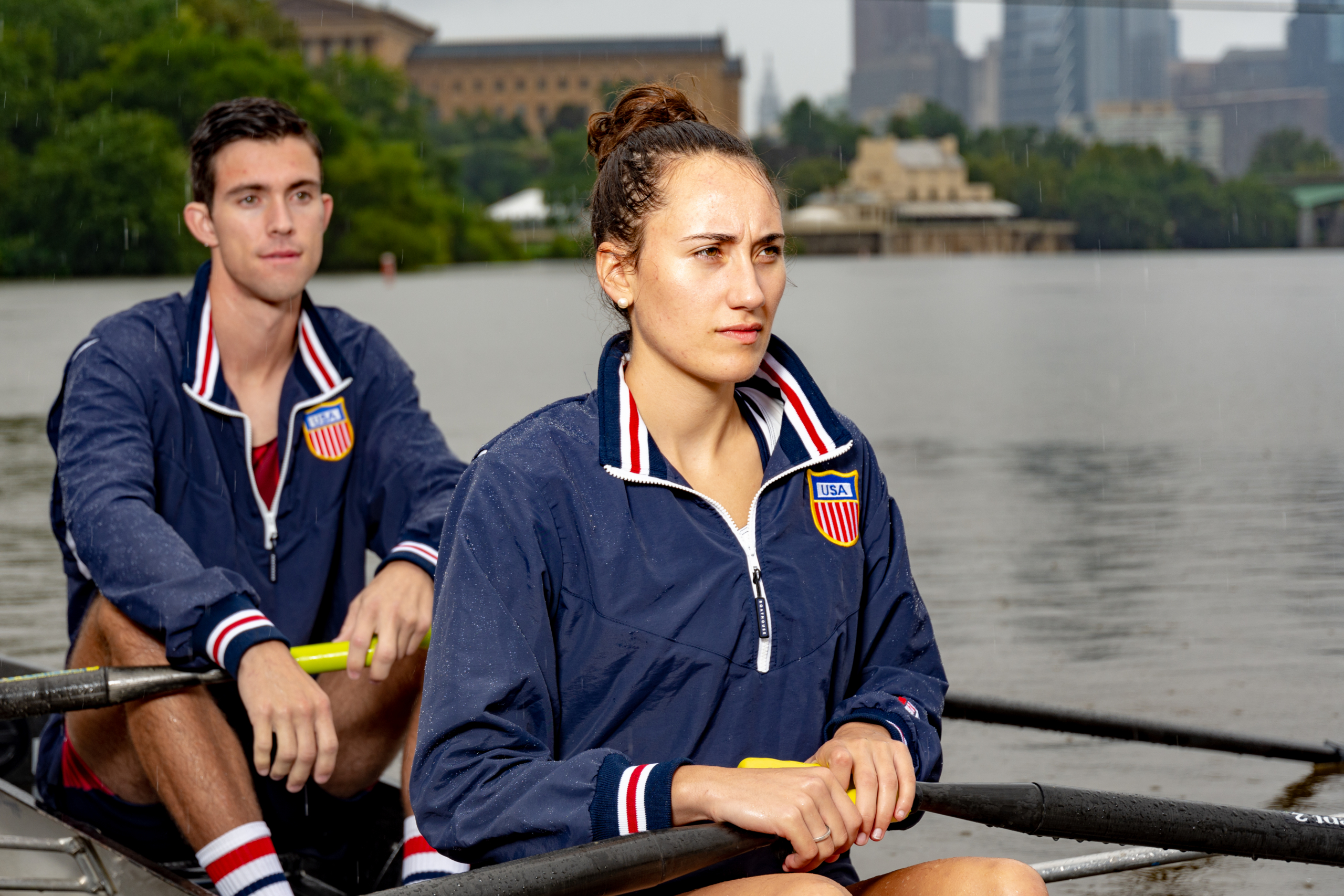
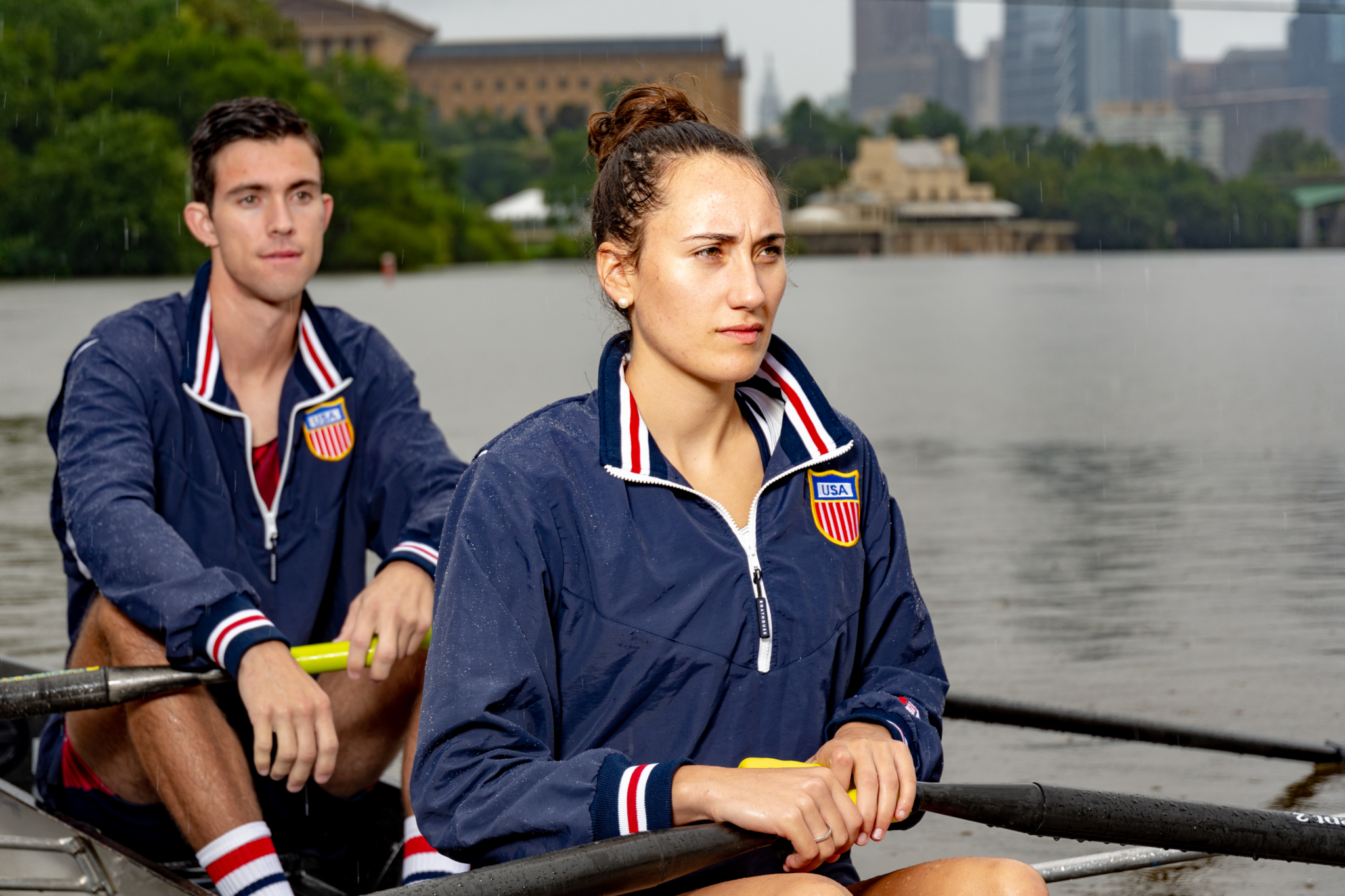
You can find Boathouse Sports everywhere, from high schools to NFL sidelines — and it sells directly to consumers, too.
United States Olympic Team rower John Strotbeck made a commitment in 1984 while walking into the Los Angeles Coliseum for the opening ceremony of the Summer Games.
“When I was walking into the Olympics in 1984, beneath the Coliseum, about 10 feet in front of Michael Jordan, I decided then and there to dedicate myself to building Boathouse and to building the best custom outerwear manufacturer on earth,” he recalled. “I found an open niche. There was nobody selling or marketing to the rowing business.”
More than 40 years later, Strotbeck continues to honor his pledge to American manufacturing.
Boathouse Sports is the Philadelphia manufacturing company launched by Strotbeck to produce American-made rowing apparel. The company has since expanded and today manufactures a wide variety of outdoor wear, which is worn by athletes from high school to the NFL.
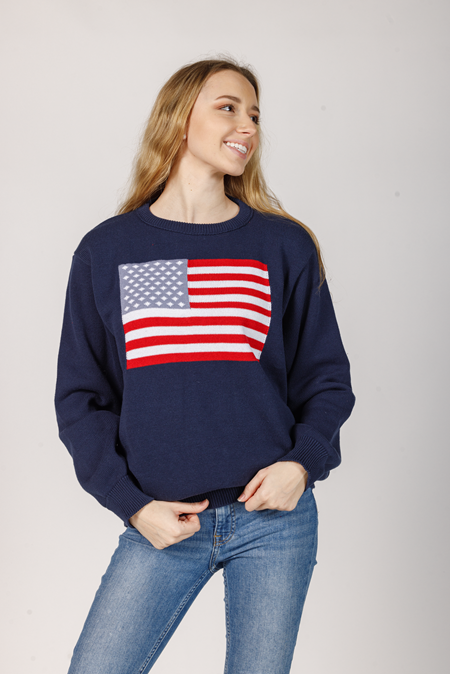
For many years, Boathouse Sports catered to a customized team-specific market. But in the last four years, Boathouse has tapped into the individual market, selling direct-to-consumer apparel via its website and specialty stores.
Strotbeck understands the apparel needs of athletes, having been a two-time member of the U.S. Olympic rowing team. He won seven national rowing titles, a gold medal at the 1983 Pan American Games and the 1987 World Championship before dedicating his life to American manufacturing.
Strotbeck was born and raised in Atlantic City, New Jersey, and as a youngster was a lifeguard in the oceanfront tourist community.
“That’s what got me into rowing,” said 68-year-old Strotbeck. “Then my goal was to move as far away from the I-95 corridor as I could and I was successful.”
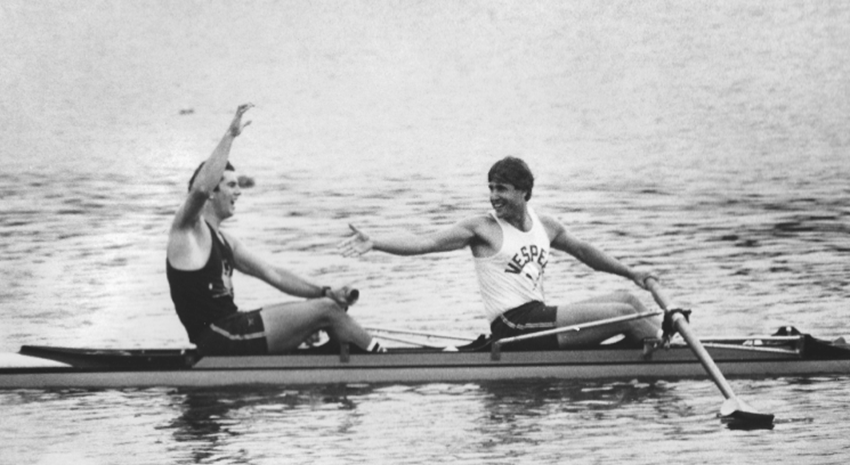
His travelogue features college in Ohio, a first job in Louisiana, then working on the northern coast of Scotland, followed by a stint in Vermont.
“My next job brought me to Philly, and I’ve been here since 1981,” said Strotbeck. “It’s been good to me. I made the Olympic teams training in Philly. I built this business over the last 40 years in Philly, and for the first time ever Made in USA matters, even though I’ve been doing it the whole time.”
It was Philadelphia’s renowned Boathouse Row that provided Strotbeck with the name for his company. He spent many hours there training for rowing competitions on the Schuylkill River, a proving ground for many an oarsman.
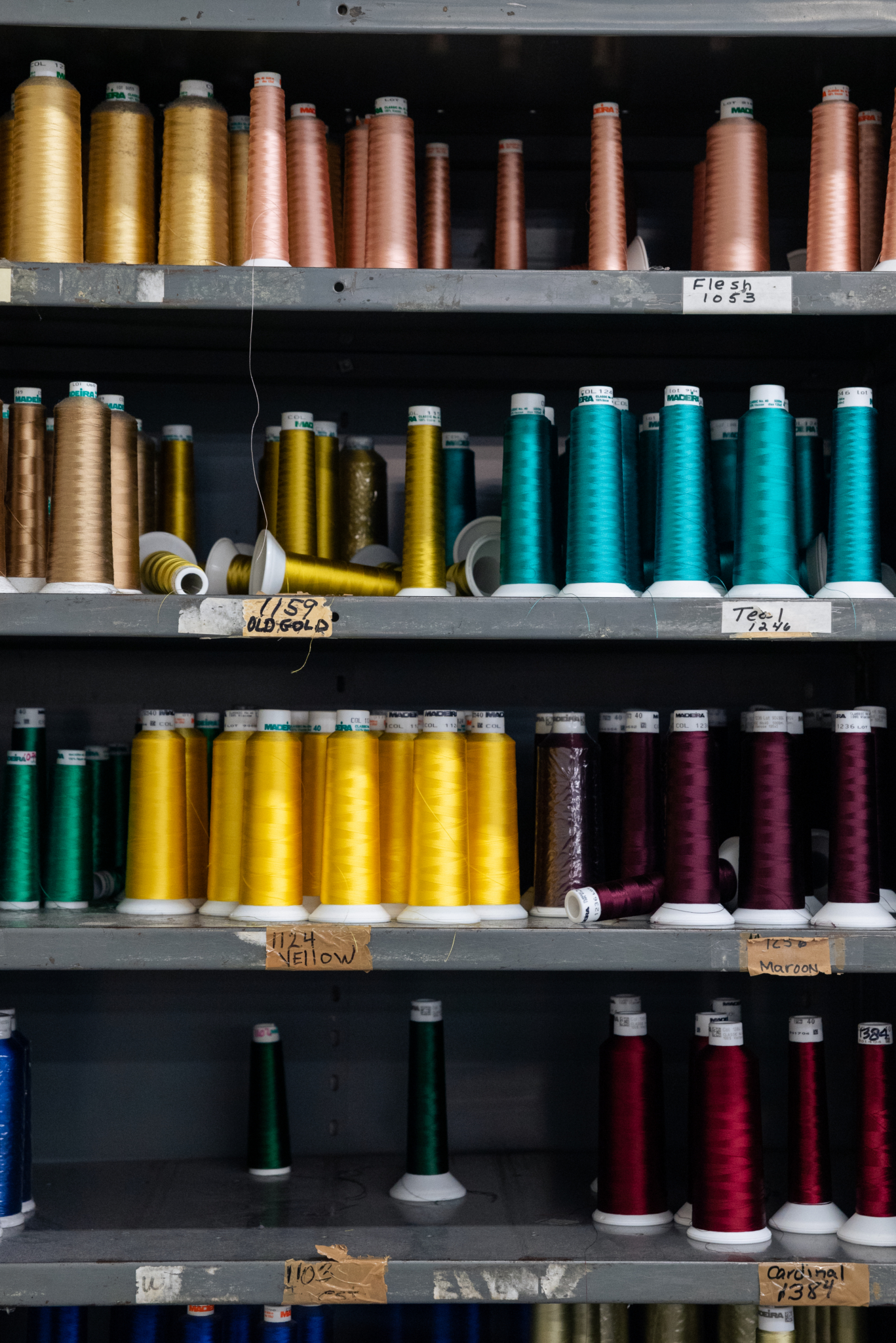
Boathouse Sports manufactures jackets, sweatshirts, shorts, tops and bottoms and crew apparel tailored to specific sports and the needs of the athletes. Materials range from lightweight wind suits to heavy-lined Gor-Tex jackets.
Watch any NFL game and on the sidelines; you will see Vortex raingear, parkas and capes manufactured by Boathouse Sports.
“From about 1995 to 2007 football was our largest market,” said Strotbeck. “It started with rowing sports and then we started pursuing all sports, mostly larger sports.”
But competition for team sports apparel has become more uncertain in recent years with the major athletic shoe companies taking over the market.
“After Covid, we decided the team business is challenging because the shoe brands – meaning Nike, Under Armour and adidas – have identified schools as their brick and mortar,” said Strotbeck. “They’re building most successfully around every school in the country, whether it’s a college or a high school.
That has made the team business very difficult in which to grow, so we pivoted and started building a retail product so individuals can buy Boathouse.”
Boathouse’s first product, the Stevenson jacket, is still immensely popular today.
American Hugh Stevenson, who rowed in the 1974 World Championships, procured the jacket from a Soviet competitor at the conclusion of the competition. He brought the jacket back to the U.S. and began manufacturing it in Philadelphia. Strotbeck bought Stevenson’s company in 1987 and took over his product.
Stevenson was rowing at the World Championships in Lucerne, Switzerland during a very cold and wet September. The U.S. team was on the water in their Russell jackets or their Champion sweats, feeling wet and bogged down. They saw the Soviet team cruising by them looking quite comfortable in the jackets they were wearing.
“At the end of the race, Stevenson traded a pair of blue jeans for one of the Soviet jackets,” said Strotbeck. “Back then you could trade a pair of Levi’s blue jeans with a Soviet and he’s giving you his car, or his house or his new girlfriend.”
An exaggeration, indeed, but that’s how coveted American-made blue jeans were by the closed-off Soviet people during the Cold War.
And as it turned out, the Stevenson jacket became a prized possession of American rowing athletes and, eventually, to anyone participating in outdoor activity.
“Everything you need to know about Boathouse is in that Stevenson jacket,” said Strotbeck. “The Stevenson was designed to allow rowers to train on the Schuylkill River, here in Philly, in the middle of winter. Because if you’re an athlete, you want to compete in your field of play.
“If you’re a basketball player, you want to be on the court. If you’re a soccer player, you want to be on the pitch, if you’re into track and field, you want to be on the track. And if you’re rowing, you want to be on the water. Back in the ’80s, rowing machines didn’t exist.
“The Stevenson jacket is designed to do two things primarily. It protects the athlete with waterproofing and it has gussets in the shoulders which separated the arms from the torso of the body and allowed the rower to extend and contract as much as he wanted without any restriction of the jacket while keeping him protected and warm.”
Of course, this flexible style can be an advantage in many sports like baseball, football, rugby and golf.
Boathouse Sports outerwear is manufactured in a 100,000-square-foot Philadelphia factory, the company’s fourth home since its inception. Pre-Covid there were 200 employees on the manufacturing floor, but that number has decreased to 110 as the company struggled through the declining business effects of the virus.
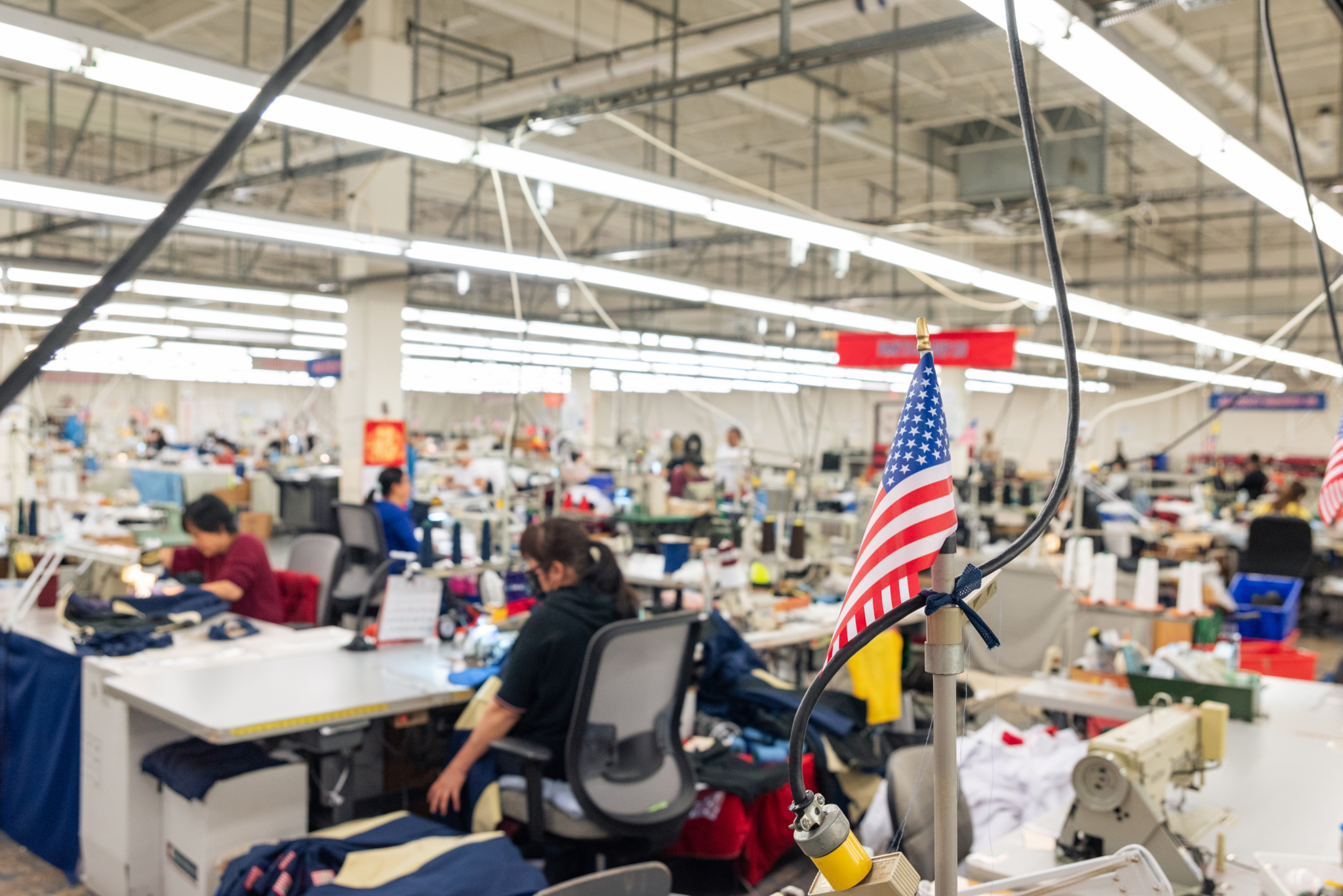
But Strotbeck is counting on a large resurgence with online sales and as Boathouse expands to the larger big box stores.
“Making it in America fits the strategy,” he said. “We are committed to it. I haven’t done it any other way. Theoretically it should be getting easier since now people are creating a demand for U.S.-made products.
“We thrive on our quality and our speed to market. Manufacturing in China is against our core competency, which is custom and fast. There definitely is a demand for Made in America. I’d say pre-Covid, in our market, maybe 1.5% of the customers cared. I’d say now probably 10% care and maybe 5% will actually open their wallet.
“The reality is that people think Made in the USA is expensive, but the outerwear we make we can make wholesale and compete against some of the better outerwear brands.”
The Alliance for American Manufacturing does not receive a commission from purchases made through the above links, nor was the organization or author paid for favorable coverage.
Labeling Note: This story is intended to highlight companies that support American jobs and that make great products in the United States. We rely on the companies listed to provide accurate information regarding their domestic operations and their products. Each company featured is individually responsible for labeling and advertising their products according to applicable standards, such as the Federal Trade Commission’s “Made in USA” standard or California’s “Made in USA” labeling law. We do not review individual products for compliance or claim that because a company is listed in the guide that their products comply with specific labeling or advertising standards. Our focus is on supporting companies that create American jobs.
For more on the Federal Trade Commission’s standards for “Made in USA” claims and California’s “Made in USA” labeling law, please also read this guest post by Dustin Painter and Kristi Wolff of Kelly Drye & Warren, LLP.