Welcome to Akron, the City that Rubber Built
Taking a tour around this northeast Ohio burg will teach you a lot about the history of American manufacturing in the 20th century.
 machineryasia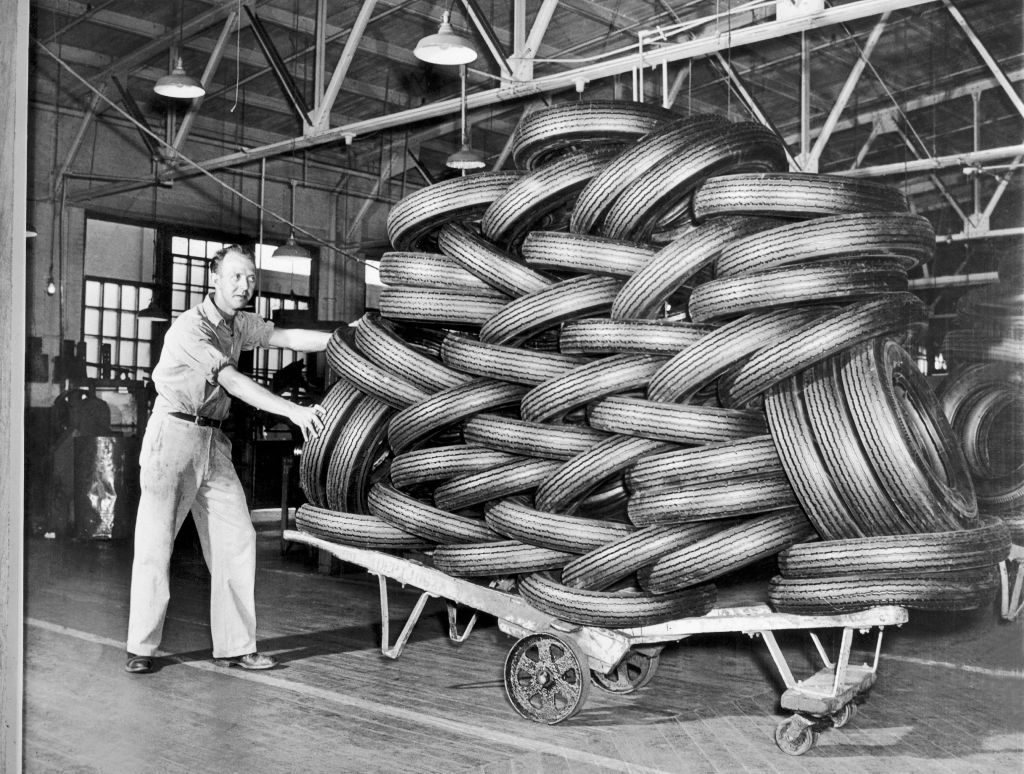
Taking a tour around this northeast Ohio burg will teach you a lot about the history of American manufacturing in the 20th century.
If you were intrigued by AAM’s recent 44 Manufacturing Destinations Worth the Detour but are looking for more of a historical perspective on a specific facet of American manufacturing, then we’ve got the guide for you!
About 40 miles south of Cleveland, Ohio, a city of 190,000 residents stands as a reminder and representation of the American tire manufacturing industry’s booming success. The city, Akron, is commonly referred to as the “Rubber Capital of the World” due to its key role as a hub for many global tire companies during the early 20th century. It’s hard to miss the large smokestacks and factories that were once bustling with tire industry activity. The city was formerly home to the Firestone Tire & Rubber Company, BFGoodrich and General Tire, and still serves as headquarters for the Goodyear Tire & Rubber Company.
Akron’s population peaked in the 1960s — attributable to the concurrent success of tire manufacturing — but as manufacturing moved away to the southern United States and abroad, so did the jobs, a tangible and significant blow to the industry. A 2024 report from the Alliance for American Manufacturing notes that foreign tire industries grew dramatically during the early 2000s, following China’s entry into the World Trade Organization in 2001. During this time, domestic tire manufacturing dropped from 226.8 million tires per year in 2004 to 186.4 million tires per year in 2008.
Despite this, much of Akron’s infrastructure and growth can still be attributed to the tire industry’s success. The industry’s impact remains evident to the city’s residents and visitors. Many manufacturing companies founded during the rubber boom still operate there, albeit after expanding their production capabilities elsewhere.
For visitors interested in learning more about the impact rubber companies had on the city, follow this guide to the best tire-themed landmarks and activities in the Rubber City.
Rubber Worker and Tire Statue, Downtown Akron
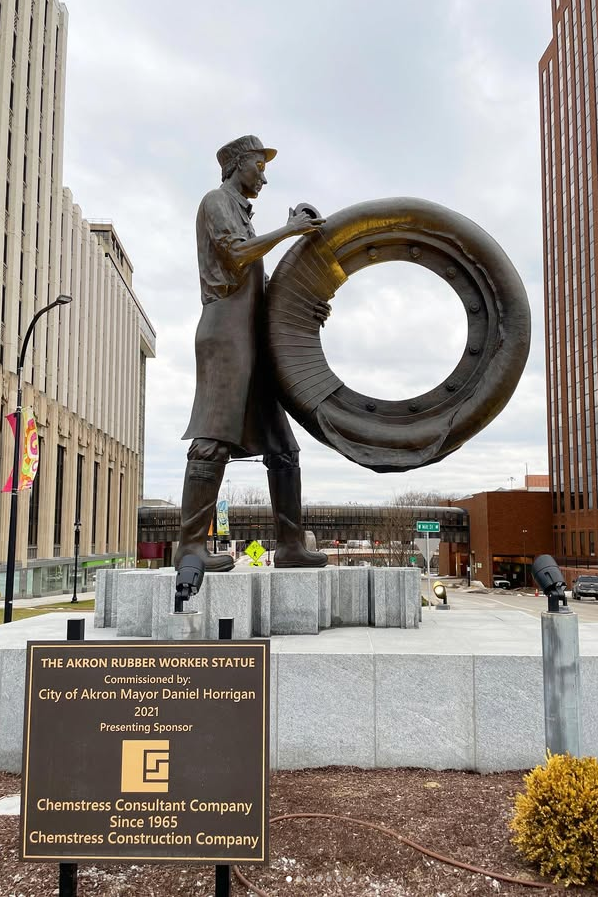
Standing tall in the center of a roundabout in Downtown Akron, the Rubber Worker and Tire Statue was unveiled in 2021 after being commissioned by then-mayor Dan Horrigan. The 12-foot statue depicts a rubber worker wrapping a freshly made tire in paper. The statue was modeled after the cover photo of a book by local authors: Wheels of Fortune: The Story of Rubber in Akron. Part of an initiative to revitalize the city’s Main Street area, the roundabout also features a corner laden with commemorative bricks engraved with the names of individuals and companies that poured their lives into the industry.
Akron History Center, Downtown Akron
Understanding why the rubber industry came to Akron at all is key to appreciating the impact it had on the area. At the Akron History Center (just a four-minute walk from the Rubber Worker Statue), multiple floors of history detail the tire manufacturers and other important factors that shaped Akron’s growth. One exhibit, called “Boomtown,” features a thorough recollection of the many tire companies that called Akron home. The floor of “Boomtown” is a large map of the BFGoodrich manufacturing plant circa 1950.
While the Akron History Center is a great source of manufacturing history, it also highlights the importance of Akron’s canals and local music scene (including Devo, which was formed in Akron in the 1970s). Another rock duo that got their start in Akron, the Black Keys, named their third album Rubber Factory as an homage to their Rubber City roots.
Stan Hywet Hall & Gardens, Northwest Akron
This historic 70-acre property was once the main residence of the affluent F.A. Seiberling and his family. Seiberling, who co-founded the Goodyear Tire & Rubber Company with his brother, commissioned the manor to be built as a space large enough to grow their family and host a wide variety of events. Stan Hywet was completed in 1915, and after Seiberling died in 1955, the estate became a non-profit museum open to the public. Today, the home is open for tours from April to December and holds annual activities such as the Father’s Day Car Show and Deck the Halls (a Christmas celebration).
Aside from its impeccable preservation and commitment to historical accuracy, Stan Hywet serves as a reminder of the wealth the tire manufacturing industry brought to the Greater Akron area. In the Carriage House and entryway to the estate, a display chronicles the history of Goodyear and the mansion side by side, highlighting the growth and development the Seiberling family directly supported during Goodyear’s peak.
The Goodyear Blimp Hangar, Wingfoot Lake State Park, Southeast Akron
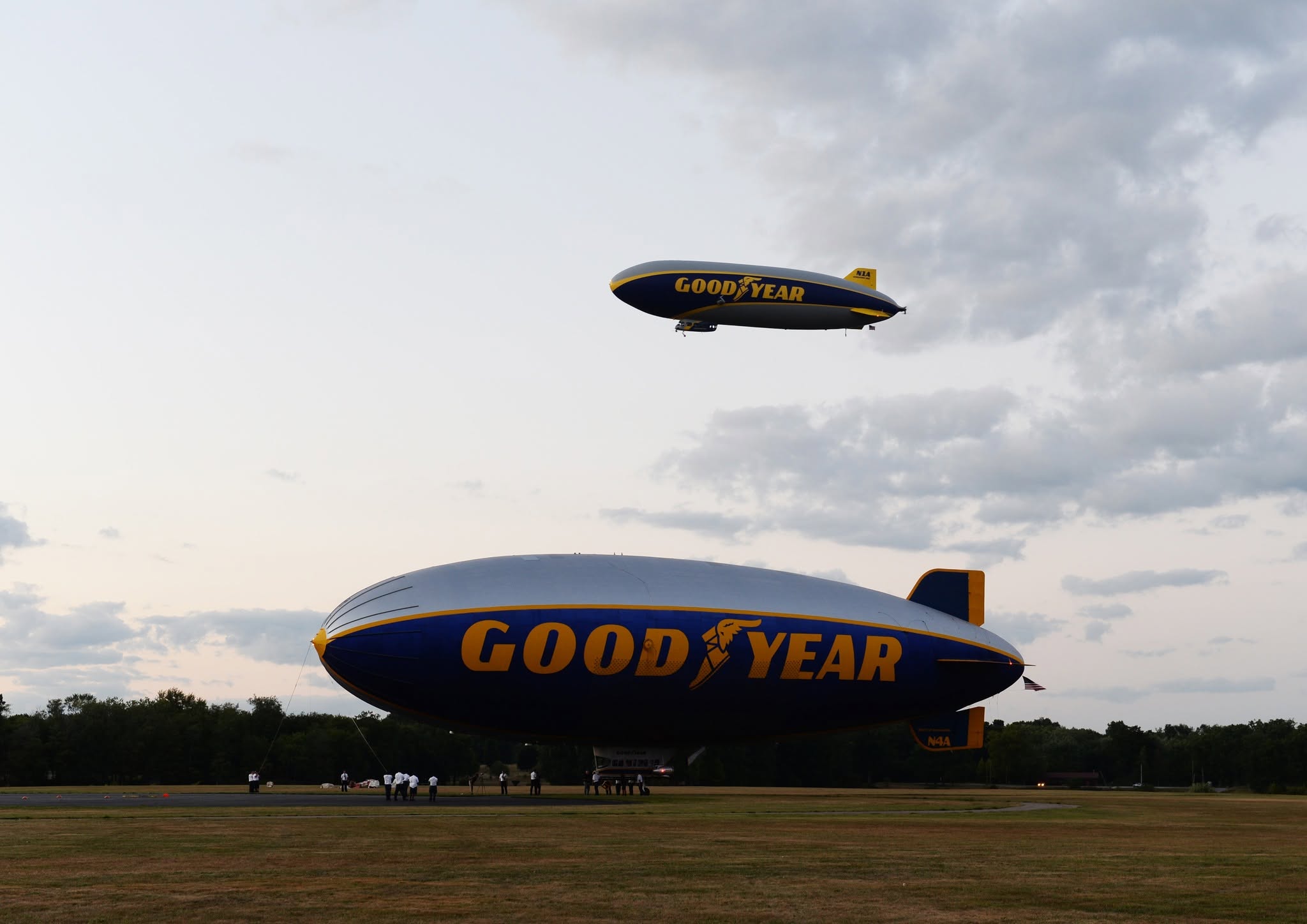
A common sight in American skies – and especially around Akron, Fort Lauderdale, Florida and Los Angeles, California, where Goodyear blimps are based – the blimp is a mainstay of sports events all over the United States. The Wingfoot Lake Hangar was originally built in 1917 to house Goodyear’s aircraft construction facilities and is the oldest airship facility in the world. Utilized heavily by the military during World War I and World War II, the facility has been recognized as an important historical landmark in Ohio.
While not open for public tours, the hangar’s nearby state park is a prime attraction for Akron visitors interested in Goodyear’s local impact. The hangar, which houses one of Goodyear’s four main blimps, can be seen from the park. On a lucky day, you might even see Wingfoot One preparing for takeoff!
Former Goodyear Headquarters Marker
Originally located on East Market Street in Downtown Akron, Goodyear’s global headquarters has since moved to a new, modernized building closer to Akron’s regional airport. The old building still stands, and a historical marker near the entrance tells the story of F.A. Seiberling and Goodyear’s manufacturing impact on the city.
1936 Akron Rubber Strike Marker
Just north of the Rubber Worker statue, a plaque marks the importance of the 1936 United Rubber Worker Strike (a union that merged with the United Steelworkers in 1995). The strike was regarded as the culmination of five Depression-era strikes, resulting in this monthlong “sit-down” that ended in the the union’s recognition by Goodyear as well as a settlement. The United Rubber Workers, who were striking for better wages and working conditions, were instrumental in triggering larger industrial unionization movements in the United States.
Now that you’re an expert on all things Northeast Ohio tire manufacturing, burn some rubber towards Akron! If you’re from the area, let us know if we missed any important landmarks that represent the tire industry’s impact on the Rubber City.