AAM at the Movies: Spider-Man’s Secret Weapon is Made in Delaware
Artificial web shooters are closer to fact than fiction. As a true Marvel fan, I watched “Spider-Man: Brand New Day” on the day of its release. Clearly, I wasn’t the only one, with the film boasting the biggest domestic opening weekend in history, even beating out “Avengers: Endgame.” Without spoiling […]
 machineryasia
Artificial web shooters are closer to fact than fiction.
As a true Marvel fan, I watched “Spider-Man: Brand New Day” on the day of its release. Clearly, I wasn’t the only one, with the film boasting the biggest domestic opening weekend in history, even beating out “Avengers: Endgame.”
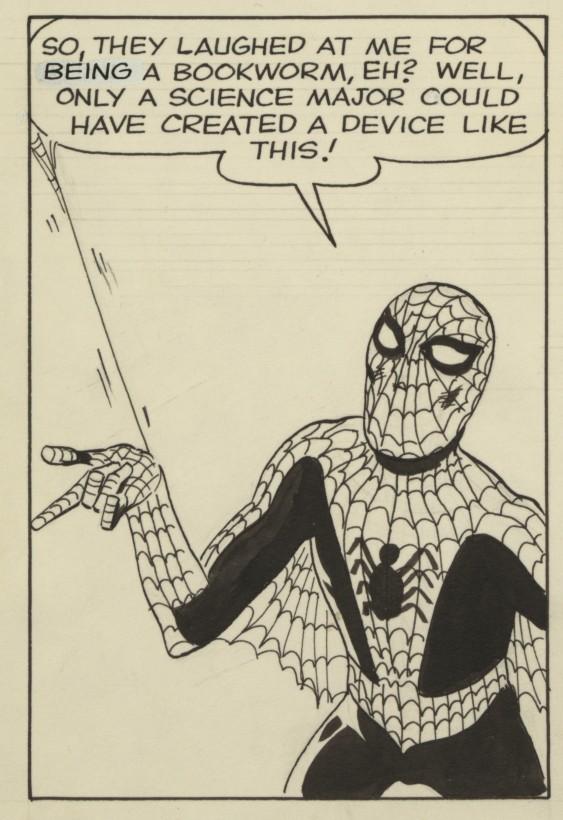
Without spoiling too much, Spider-Man experiences a bit of an arachnid evolution that interferes with the artificial web fluid he engineered in high school. Because, of course, Spider-Man doesn’t just fight neighborhood crime; he’s also a tech genius who manufactures his own world-saving equipment.
While it’s doubtful Spider-Man will ever reveal his secret for producing his own webs, “Brand New Day” revealed that his artificial webbing is likely made of nylon-like, advanced long-chain polymer. Peter Parker may be Made in Queens, but his nylon-inspired webs were first Made in Delaware.
The DuPont Company, located in Wilmington, Del., created nylon after hiring polymer researcher Wallace H. Carothers to make new scientific discoveries surrounding the construction of long-chain polymers. This followed the company’s shift away from researching rayon, known as “artificial silk.” Carothers left his role at Harvard University — the same alma mater as Spider-Man’s bioengineering mentor, Bruce Banner — and began to work with researchers and chemical engineers to produce commercially viable synthetic fibers.
After testing numerous formulas with varying intermediates and reaction stabilities, much like Spider-Man’s own chemical experiments, the first nylon entered production in 1938. Surpassing its predecessors, rayon and silk, nylon was praised for its affordability, sheerness and snag-resistance. The material became an overnight sensation in 1939 at the World’s Fair in New York City, where models showcased nylon stockings. The exhibit was such a success that by the time public sales opened in 1940, it only took four days to sell out the 4 million-pair supply. After two years in commercial production, DuPont’s nylon stockings dominated 30% of the full-fashioned hosiery market.
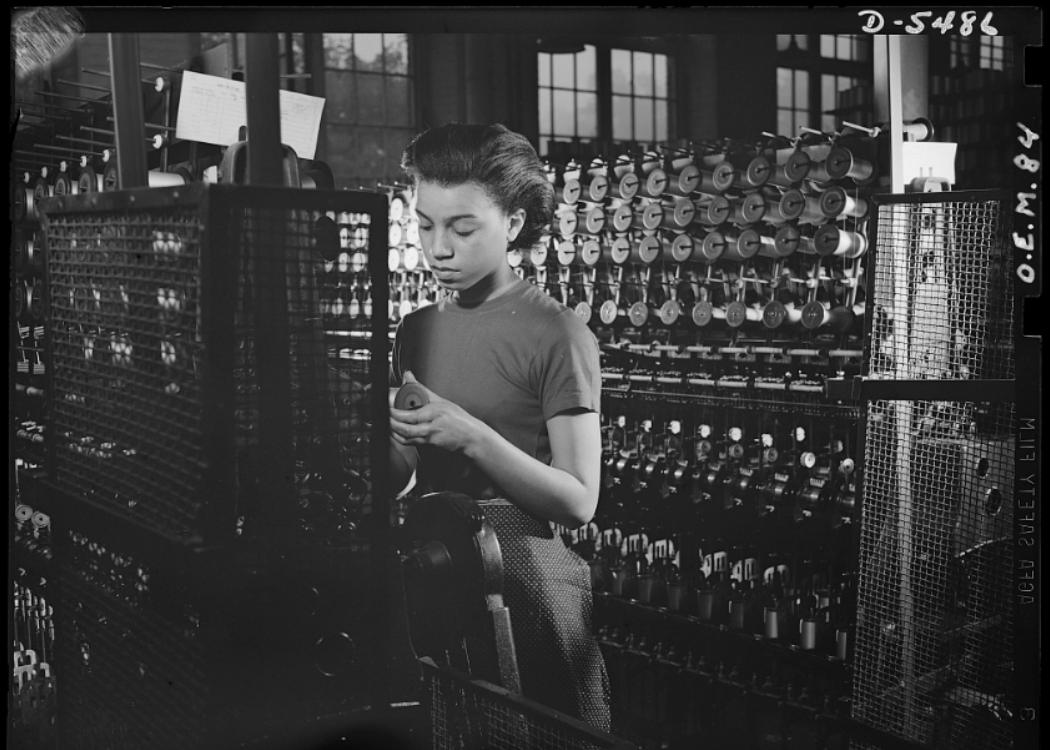
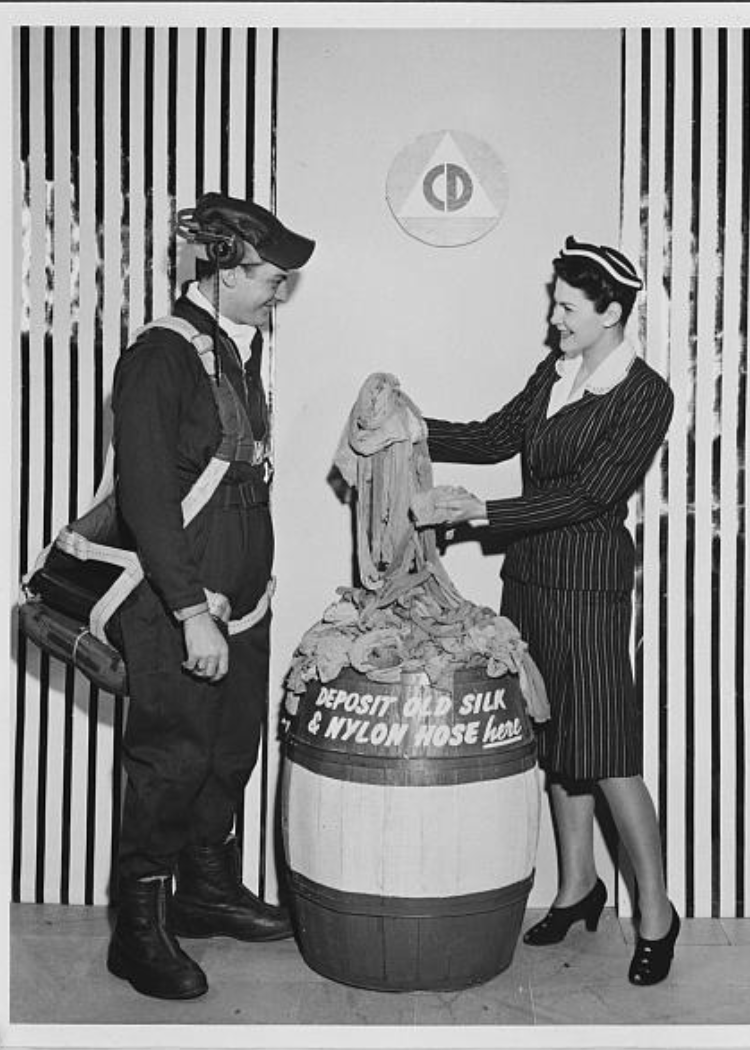
As soon as nylon became a women’s fashion staple, production immediately shifted away from consumer production. Spider-Man isn’t the only one who has used long-chain polymers to save the world, as DuPont began replacing Japanese silk with nylon in 1941 to support wartime manufacturing. Nylon’s durability and resistance to heat and water made it ideal for parachutes, cords and tents that supported the Allies in their victory in World War II.
Nearly as soon as WWII ended, a homefront fashion war erupted over the limited hosiery supply. Known as “nylon riots,” hundreds to thousands of women lined up to purchase DuPont’s nylon stockings as consumer production gradually resumed. In one riot in Pittsburgh, over 40,000 women lined the streets to purchase 13,000 pairs of nylons. A San Francisco riot was reported to have had several shoppers faint and brawl while storefront windows broke under the force of fashion-hungry crowds. Too early for the friendly neighborhood Spiderman to intervene, household robberies ensued in efforts to obtain nylons.
Within a year, production volumes increased, calming crowds and resulting in new consumer applications. The synthetic fibers created by DuPont were wrinkle-resistant, triggering the wane of ironing and the introduction of “wash-and-wear” wardrobes. This fashion shift tripled washing machine sales between 1950 and 1956 as consumers sought at-home ways to care for their low-maintenance nylon clothing.
While nylon clothing is now less frequent, it remains present in household carpets, suitcases, toothbrushes, 3D printers, and even the US flag on the moon. We can thank Carothers for his contribution to polymer research that changed the face of American textiles and inspired Peter Parker to chase his own STEM career with webs that keep him swinging from one skyscraper to the next.