The Dealmaking was Relatively Muted during the Trump-Xi Summit
No movement on currency manipulation, semiconductor chips, or U.S. market access for Chinese automakers.
 machineryasia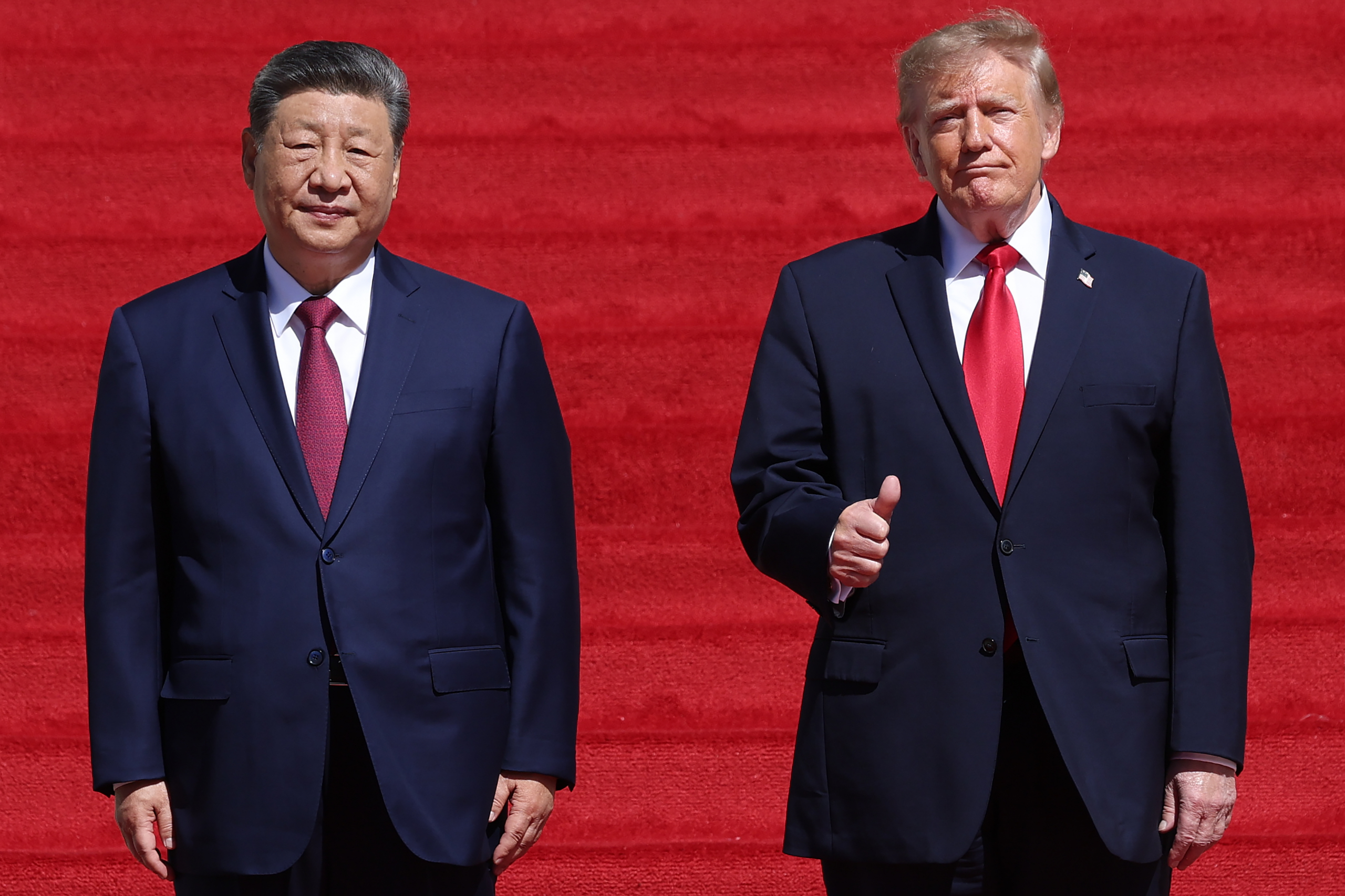
No movement on currency manipulation, semiconductor chips, or U.S. market access for Chinese automakers.
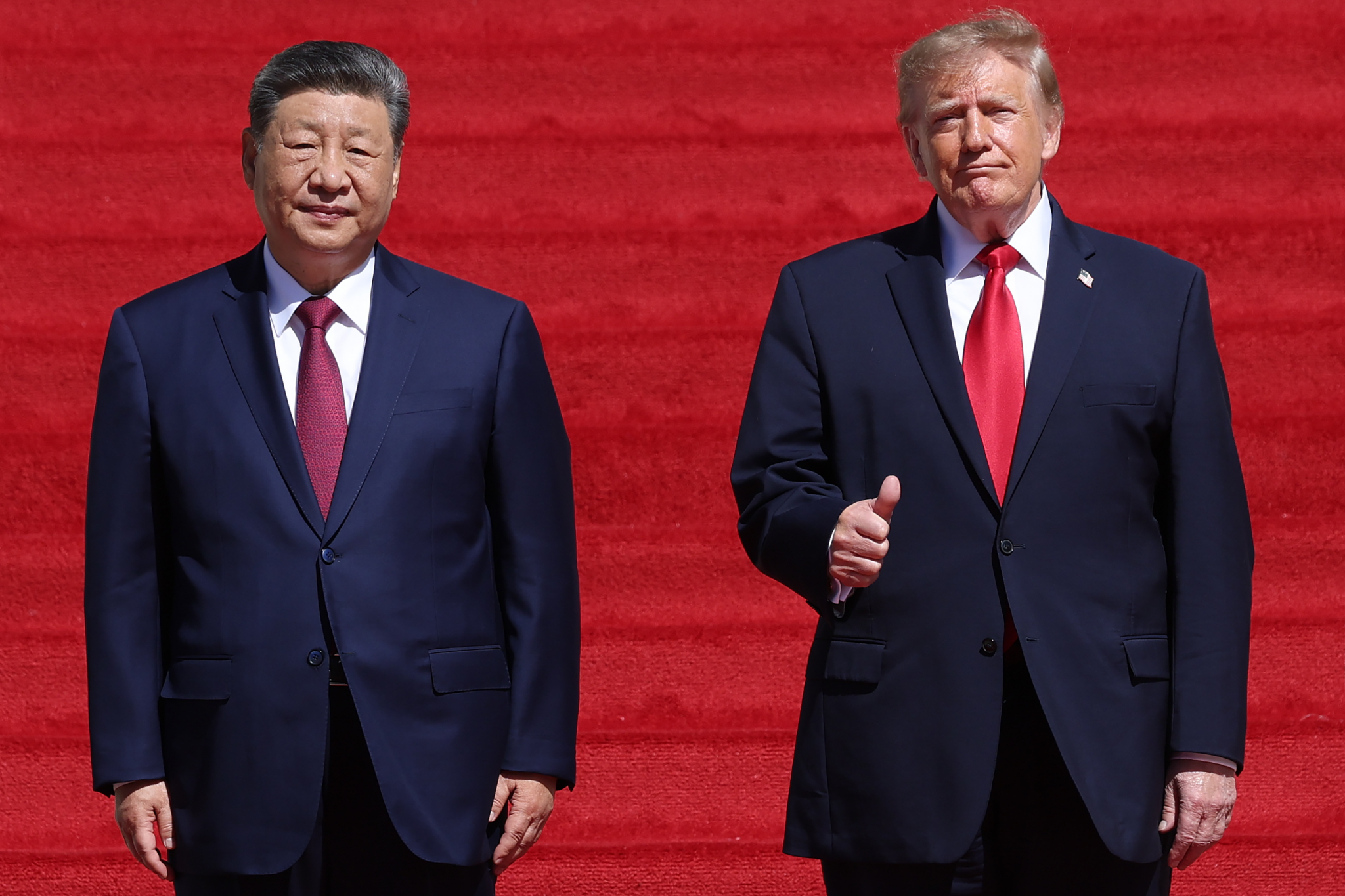
What did the Trump administration get out of hosting Chinese President Xi Jinping in Washington, DC, last week?
Before Xi’s plane landed, it was announced the two countries would extend a “trade truce” set to expire in November by two months. Following the visit, it was announced that each identified “$30 billion of trade in on-sensitive goods for more favorable tariff treatment,” according to Reuters. This would be facilitated under the US-China Board of Trade, which was proposed back in the spring when President Trump took his own state visit to Beijing. China will be buying a lot of agricultural products; the U.S. will be buying consumer goods, including fireworks and toys.
And beyond that? There may still be more announcements, but those appear to be the takeaways.
No mention of the application of fees for Chinese-linked or -built vessels docking at U.S. ports.
No soybeans on the reduced tariffs list (farmers won’t like that).
And, importantly: No cracking of the U.S. auto market. President Trump has repeatedly suggested willingness to invite Chinese investment in the U.S. auto industry, despite warnings from industry executives, labor leaders and elected officials of all stripes from U.S. auto states. But the U.S. auto market was not put on the table during Xi’s time in Washington.
That’s good because, as we have argued for months, the auto industry is a pillar of the greater U.S. industrial base and too important to risk direct competition with vertically integrated and state-backed Chinese automaker.
There were other important items left unaddressed, though: No movement on U.S. export controls of semiconductor chips. By one reading, it’s because China has poured resources into building its own chips domestically since an export ban on high-end chips was instituted in 2022 under U.S. President Joe Biden. By another, it’s because the semiconductor industry doesn’t want to be restricted from selling its high-end chips in China..
And no talk, it appears, over China’s interference in the value of its currency in order to boost its own export machine.
There are more opportunities for high level dialogue between the U.S. and Chinese governments. Trump and Xi will both attend an APEC meeting in China in November and a G20 summit in Miami in December. Lets see if anything else develops before then.