This California Olive Oil Producer is Proving Made in America Tastes Great
Award-winning ENZO Olive Oil Company practices vertical integration in the Golden State.
 machineryasia
Award-winning ENZO Olive Oil Company practices vertical integration in the Golden State.
Stretching through the heart of California, the San Joaquin Valley is one of the most productive agricultural regions in the world, supplying a significant share of the nation’s fruits, nuts and vegetables and serving as a cornerstone of America’s domestic food supply. In this region, where agriculture has shaped communities for generations, the Ricchiuti family is showing what it looks like when farming and manufacturing come together from grove to bottle.
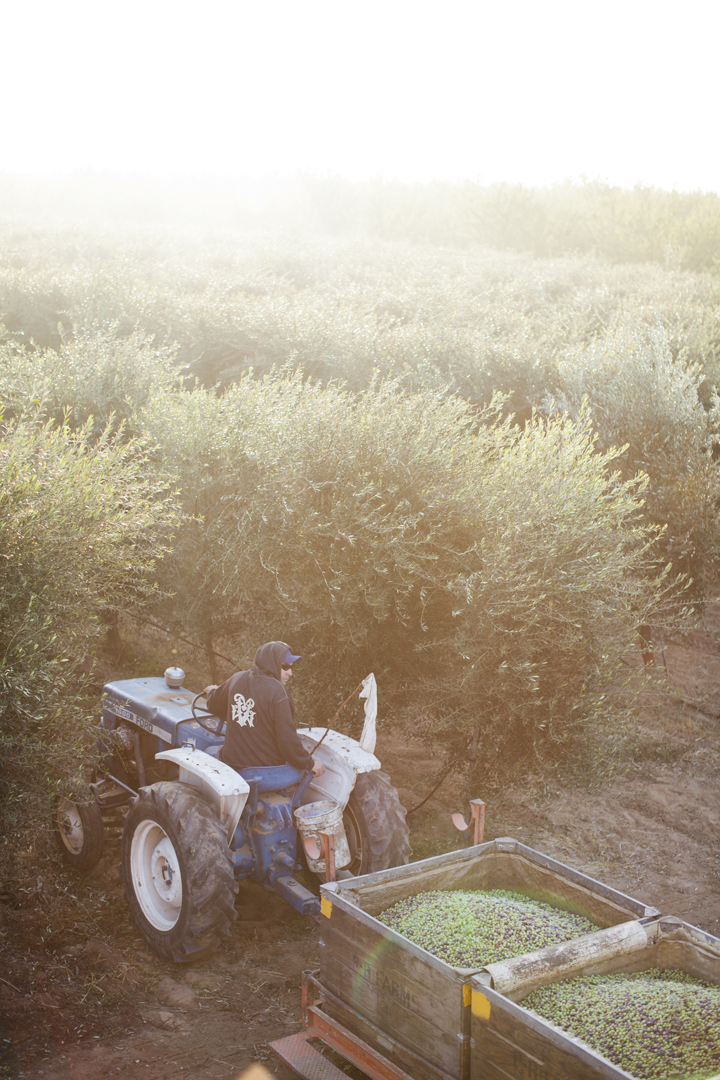
For more than a century, the Ricchiuti family has built its legacy in the San Joaquin Valley through agriculture. Today, through ENZO Olive Oil Company, that legacy has grown into something more: a fully integrated, Made-in-America operation that manages every step of production, from growing the olives to milling and bottling the oil, all on-site.
At a time when imported food products dominate store shelves, ENZO offers a different model. One rooted in domestic production, supply chain control and a commitment to quality that starts in the soil.
“Our family has been farming in California for over 100 years, and that legacy really shapes how I approach the business day to day,” said Vincent Ricchiuti, COO and Co-founder of ENZO Olive Oil. “At the end of it, it comes down to people. I try to treat our team members like family. That mindset creates a stronger culture.”
That culture shows up not just in how the company operates, but in how it has expanded. What began as traditional farming has grown into a diversified operation producing organic extra virgin olive oil, balsamic vinegar and a range of specialty foods.
Still, the foundation remains the same: grow it here, make it here, and stand behind it.
Why “Made in California“ Matters
Unlike many olive oils sold in the United States, ENZO’s products are 100% estate-grown and produced entirely on-site in California. That decision was intentional.
“Keeping everything in California and on our estate comes down to quality and control,” Ricchiuti said. “We’re able to oversee every step of the process, from how the olives are grown to how the oil is produced.”
That level of control is increasingly rare in today’s globalized food system. Many olive oils are blended, imported, or processed far from where the olives are grown.
ENZO’s approach ensures traceability, consistency and (something consumers are paying more attention to) knowing exactly where their food comes from.
And ENZO’s operation highlights an often-overlooked truth: Manufacturing plays a critical role in food processing. Its vertical integration allows it to move quickly and preserve quality.
That speed matters. In olive oil production, delays between harvest and processing can degrade quality. By keeping everything under one “roof”, ENZO can deliver a fresher, more consistent product.
Like much of American manufacturing, however, ENZO’s success depends on its workforce.
“The most important qualities are being hardworking and dependable,” Ricchiuti said. “You need people who show up and put in the effort.”
Those values reflect a broader reality across U.S. agriculture and manufacturing: Skilled, reliable workers remain essential to maintaining quality and consistency.
Competing Against Imports
Despite its success, ENZO operates in a challenging global market.
“The biggest challenge is price,” Ricchiuti noted. “Olive oil produced overseas is often cheaper than what we can produce here.”
Imported oils, often produced at scale and under different regulatory conditions, can undercut domestic producers. At the same time, building a reliable U.S. supply chain requires continued investment in domestic agriculture.
“California needs to continue growing more olives so we can build a stronger, more reliable supply chain domestically,” he said.
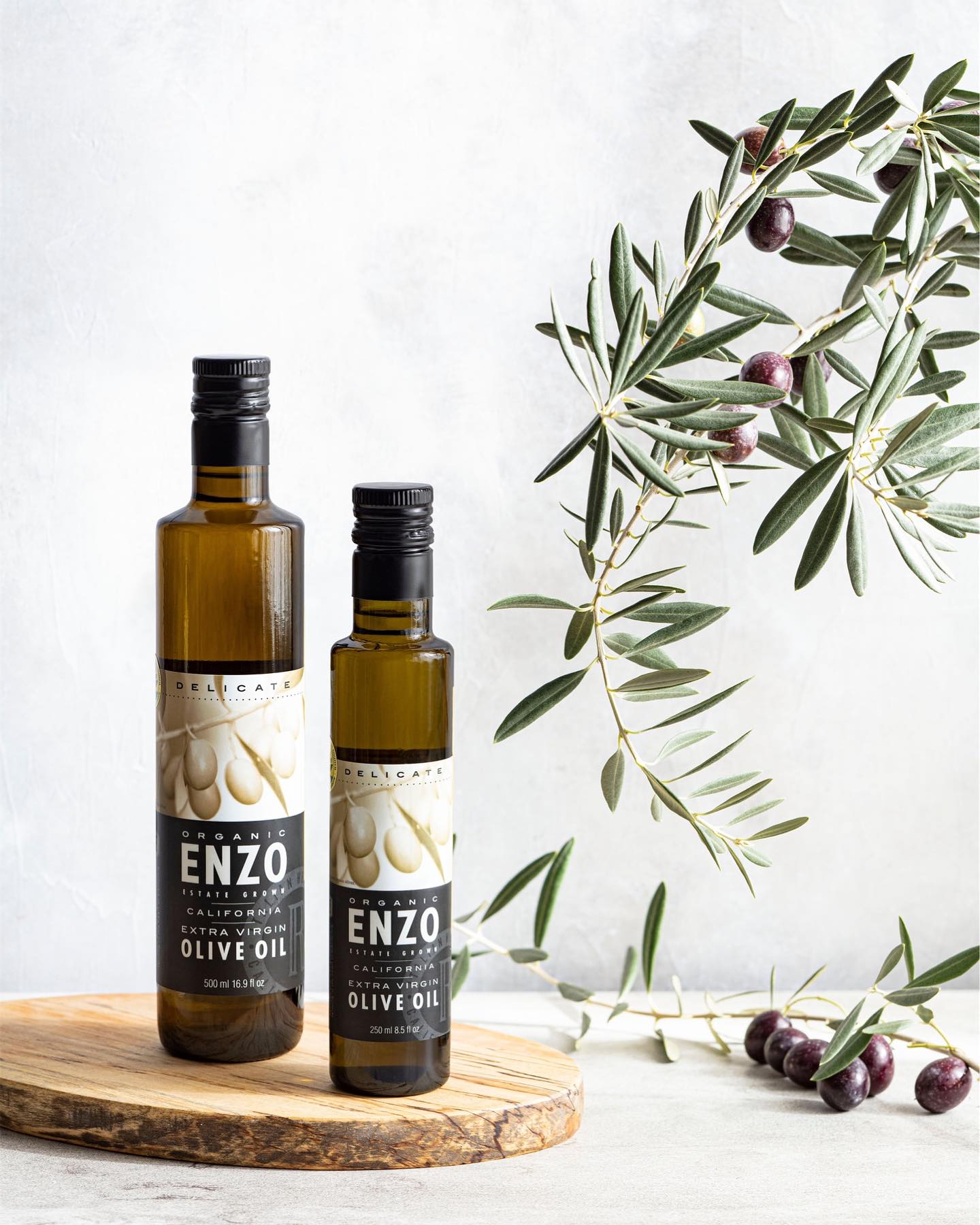
And operating in California, where water access and other environmental conditions are constant concerns, requires the company to focus on sustainability.
“That means focusing on organic farming practices and being responsible with our water use,” Ricchiuti said. “We’re always thinking about how to protect the land and ensure it’s productive for the long term.”
Being estate-grown gives ENZO an advantage here too. With full control over the land and production process, the company can implement sustainable practices at every stage.
Building Trust Through Transparency
In an era where consumers are increasingly skeptical about where their food comes from, ENZO has leaned into transparency. It is a visible business in the valley, which Ricchiuti says helps the brand.
“We’ve learned that customers really value knowing who is behind the product,” Ricchiuti said. “There’s a level of trust that comes with that transparency.”
That trust has helped fuel the company’s growth, including its retail operation, ENZO’S TABLE, which connects directly with consumers and showcases its products. It has also contributed to ENZO earning more than 200 awards, recognition that reflects both quality and consistency!
Looking ahead, ENZO sees opportunity in both expanding production and growing its direct-to-consumer business. But its core approach is unlikely to change.
“We hope people taste both our Italian heritage and our California story,” Ricchiuti said. “More than anything, we want that commitment to quality and craftsmanship to come through in every bottle.”
At a time when supply chains are under scrutiny and consumers are asking more questions about what they buy, ENZO offers a clear answer: Grow it here. Make it here. Stand behind it.
The Alliance for American Manufacturing does not receive a commission from purchases made through the above links, nor was the organization or author paid for favorable coverage.
Labeling Note: This story is intended to highlight companies that support American jobs and that make great products in the United States. We rely on the companies listed to provide accurate information regarding their domestic operations and their products. Each company featured is individually responsible for labeling and advertising their products according to applicable standards, such as the Federal Trade Commission’s “Made in USA” standard or California’s “Made in USA” labeling law. We do not review individual products for compliance or claim that because a company is listed in the guide that their products comply with specific labeling or advertising standards. Our focus is on supporting companies that create American jobs.
For more on the Federal Trade Commission’s standards for “Made in USA” claims and California’s “Made in USA” labeling law, please also read this guest post by Dustin Painter and Kristi Wolff of Kelly Drye & Warren, LLP.