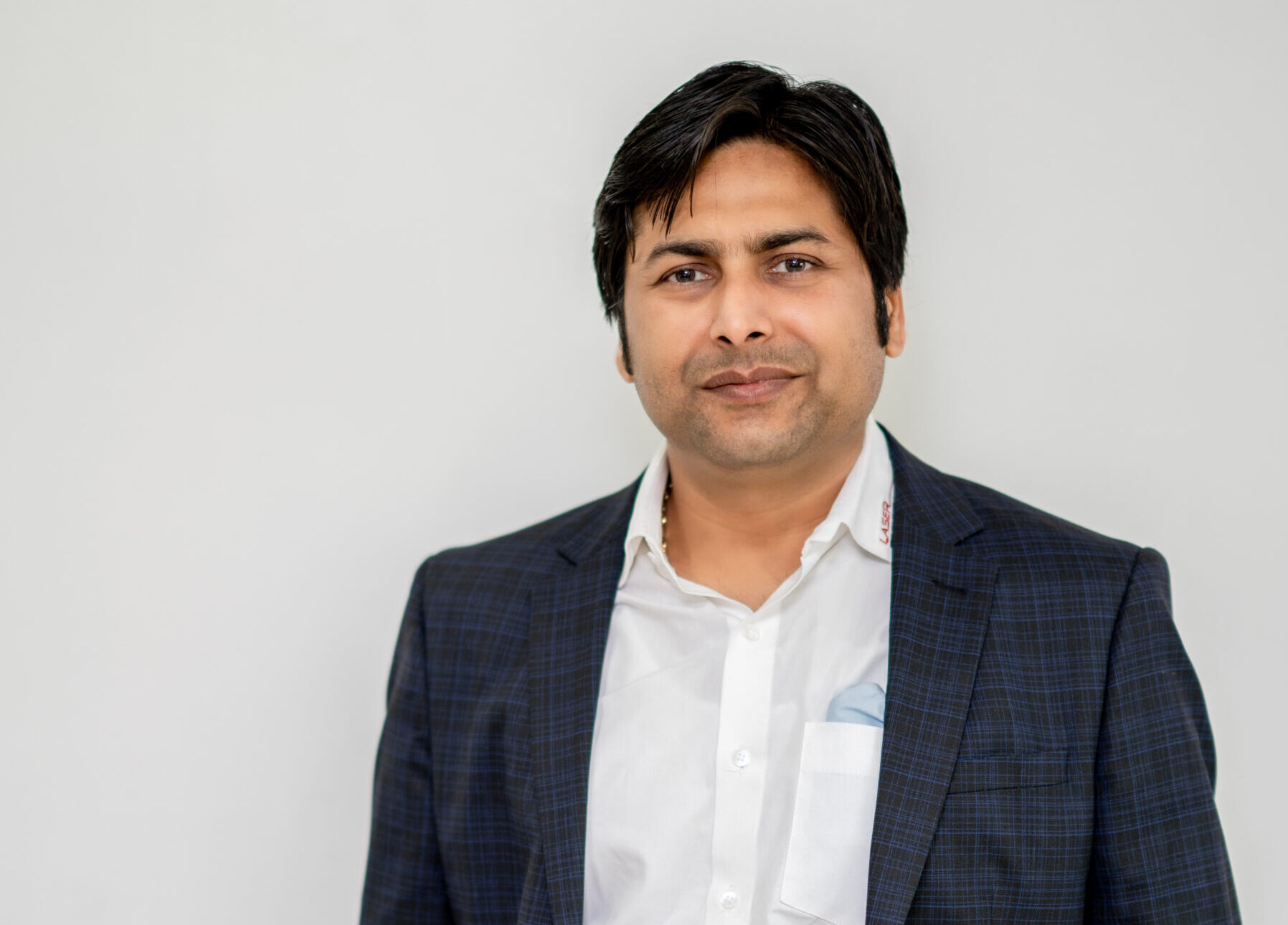
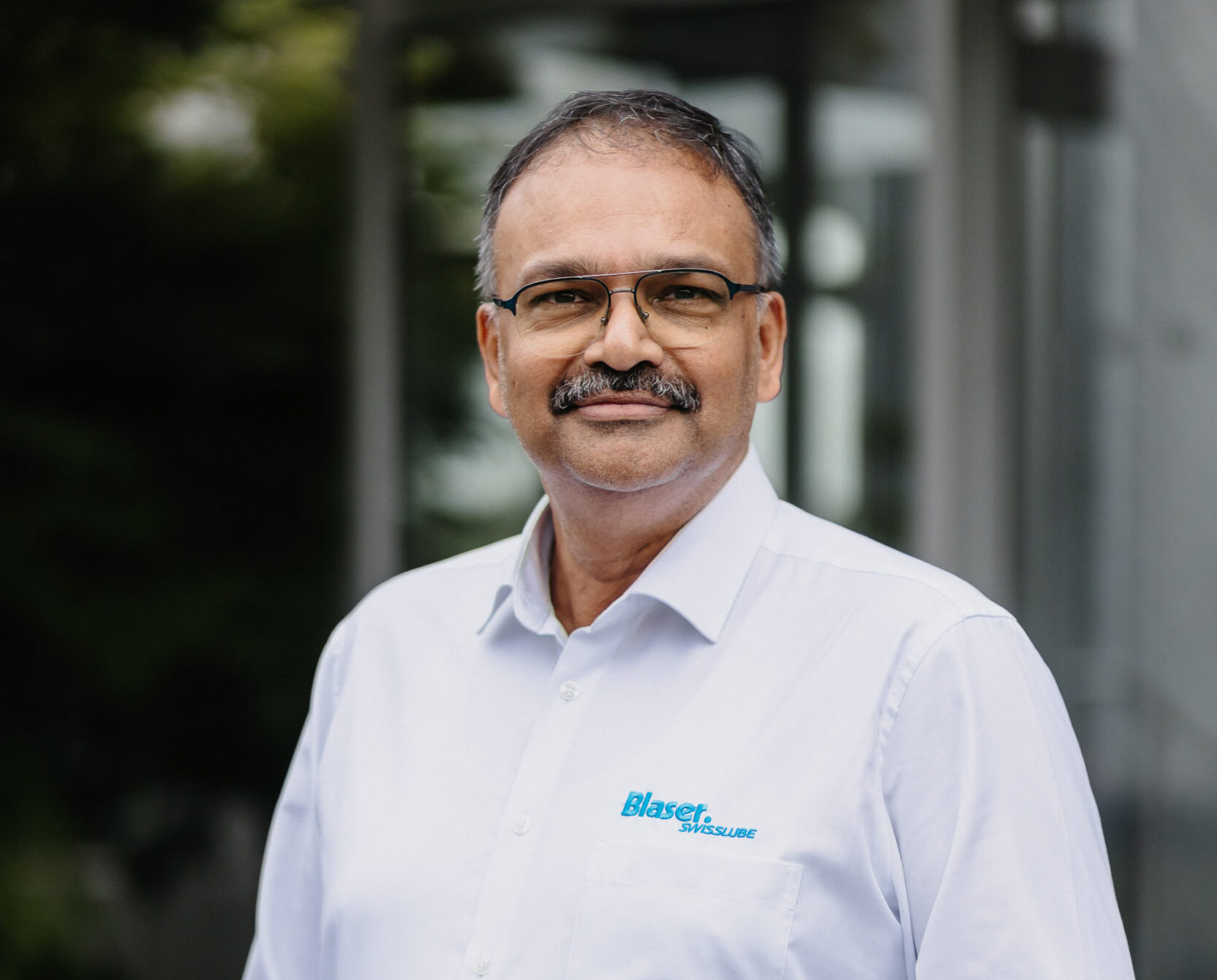
Shyam B. V.Managing Director, Blum-Novotest Measuring & Testing Technology Pvt. Ltd. – Advancing Precision for the Intelligent Factory
1. The machine tool industry is undergoing rapid transformation. Which technological trends—such as AI, automation, digital manufacturing or precision engineering—do you believe will have the greatest impact over the next five years, and how is your organisation preparing for them? Over the next five years, I believe the biggest transformation will come from the convergence … The post Shyam B. V.Managing Director, Blum-Novotest Measuring & Testing Technology Pvt. Ltd. – Advancing Precision for the Intelligent Factory appeared first on Machine Insider.
 machineryasia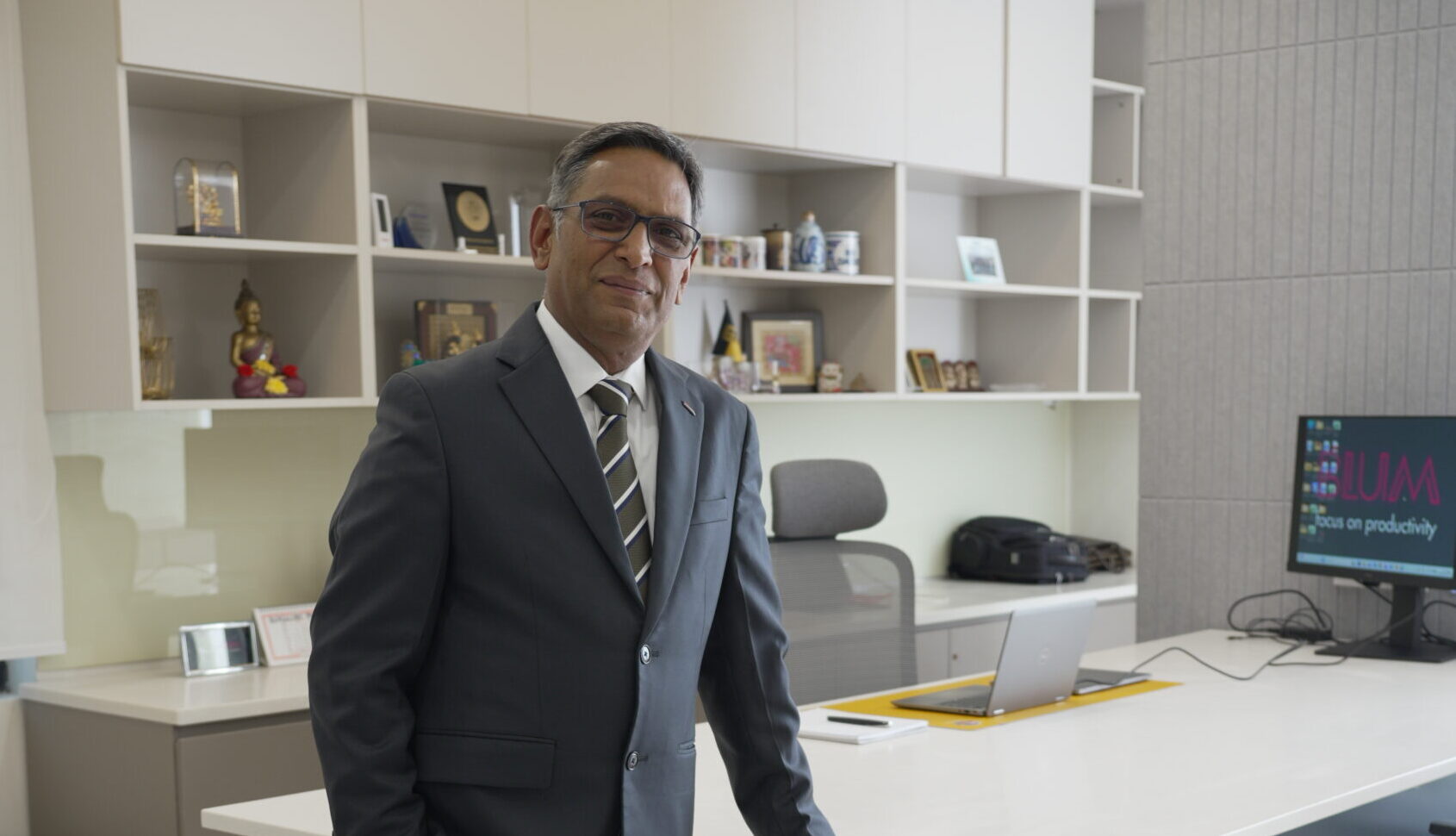
1. The machine tool industry is undergoing rapid transformation. Which technological trends—such as AI, automation, digital manufacturing or precision engineering—do you believe will have the greatest impact over the next five years, and how is your organisation preparing for them?
Over the next five years, I believe the biggest transformation will come from the convergence of precision measurement, automation, digital connectivity, data analytics and artificial intelligence.
Manufacturing is moving towards a model where machines are not simply producing components but are continuously monitoring and improving the manufacturing process. In this environment, measurement and process feedback become critical. The ability to know what is happening during machining—and to respond immediately—is essential for achieving consistent quality and productivity.
Technologies such as in-process measurement, tool monitoring, automatic tool setting, laser measurement, machine-integrated inspection and intelligent process control will play an increasingly important role. AI will further enhance these capabilities by helping manufacturers analyse large volumes of process data, identify deviations and make better decisions.
At Blum-Novotest, we are continuously developing our solutions around this transition. Our focus is on enabling manufacturers to bring measurement and process intelligence closer to the point of production, helping them reduce scrap, minimise machine downtime, improve process stability and maintain consistent component quality.
The future is not simply about making machines more automated. It is about creating closed-loop manufacturing processes where measurement, data and machining work together in real time.
2. India aspires to become a global manufacturing hub. What are the biggest opportunities and challenges for the Indian machine tool industry in achieving global competitiveness, and what changes are still required?
India has a tremendous opportunity to become a major global manufacturing hub. The growth of automotive, electric vehicles, aerospace, defence, electronics, semiconductors, medical technology and precision engineering is creating strong demand for advanced manufacturing capabilities.
However, global competitiveness requires much more than producing components at a competitive cost. Indian manufacturers must consistently deliver quality, precision, productivity, reliability and repeatability at globally accepted standards.
One of the areas where I see significant opportunity is process control. As Indian companies move towards higher-value and more complex components, the cost of poor quality becomes increasingly significant. Manufacturers must therefore shift from detecting defects after production to preventing defects during the process itself.
This requires greater adoption of automation, in-process measurement, digital technologies and data-driven process control.
Another important requirement is the development of skilled manpower. Advanced machines and technologies can deliver enormous benefits, but organisations need engineers and operators who understand both the technology and the manufacturing process.
India must also strengthen its ecosystem for precision components, sensors, controls, software, automation and metrology, while increasing investment in R&D and application engineering.
Ultimately, India should aim not merely to become a low-cost manufacturing destination, but a country recognised for precision, engineering excellence and process capability.
3. Innovation today extends beyond products. How is your organisation driving innovation across manufacturing processes, customer experience, sustainability, workforce development or digital transformation?
Innovation at Blum-Novotest goes beyond developing individual measurement products. Our objective is to understand the customer’s manufacturing process and identify where measurement and process intelligence can create measurable value.
For example, an in-process measurement system can help a manufacturer identify dimensional deviations while the component is still being machined. Tool-setting and tool-monitoring technologies can help reduce setup errors, improve tool utilisation and minimise the risk of producing defective components.
This approach transforms measurement from a final inspection activity into an active part of the manufacturing process.
Digitalisation is another important area. As machines become connected, measurement systems generate valuable process information. This data can support better process understanding, traceability, predictive maintenance and continuous improvement.
Customer experience is equally important. We work closely with machine tool builders, system integrators and end users to understand specific applications and develop solutions that are technically appropriate and commercially viable.
We also believe strongly in workforce development. Advanced manufacturing requires people who understand machining, measurement, automation and digital technologies together. Developing application expertise and continuously upgrading technical skills will therefore remain an important part of our approach.
Sustainability is also closely connected to process control. Every scrap component represents wasted material, energy, machine time and manpower. By improving process capability and preventing defects, precision measurement can make a direct contribution to more sustainable manufacturing.
4. Manufacturing success increasingly depends on collaboration across OEMs, suppliers, technology providers, academia and startups. How do you see partnerships shaping the future of manufacturing, and what role does your organisation play in this ecosystem?
The complexity of modern manufacturing makes collaboration essential. No single organisation can develop all the technologies required to build the factory of the future.
Machine tool builders, cutting tool companies, automation providers, robotics companies, metrology specialists, software developers, system integrators, academia and end users each bring different expertise to the manufacturing ecosystem.
At Blum-Novotest, we see ourselves as a technology and process partner. Our role is to bring precision measurement and process control into the broader manufacturing environment.
We work closely with machine tool manufacturers and customers to understand applications and integrate measurement solutions into machining processes. This collaboration is particularly important when dealing with complex components, demanding tolerances and high-value production.
The future will increasingly depend on interconnected systems where machine tools, measurement equipment, tooling, automation and software communicate with each other.
We also see considerable potential in closer cooperation with educational institutions and technology companies. India has a strong engineering talent pool, and bringing students and young engineers closer to real manufacturing technologies will be critical for developing the skills required by tomorrow’s factories.
Strong partnerships can shorten the journey from technology development to practical industrial application. Ultimately, the customer benefits when different technology providers work together to solve a manufacturing problem rather than operating in isolated technology silos.
5. Looking ahead to 2030, what will define a successful machine tool company? Which capabilities, technologies or leadership qualities will differentiate the industry’s future leaders?
By 2030, successful machine tool companies will be defined not only by the machines they manufacture, but by the manufacturing outcomes they deliver.
Customers will increasingly expect machines that are connected, automated, energy efficient, flexible and capable of communicating with other systems across the factory.
Precision and process capability will remain fundamental. However, these will increasingly be combined with in-process measurement, AI, data analytics, digital twins, predictive maintenance and intelligent automation.
The successful companies will also have strong application engineering capabilities. They will understand not only how their technology works, but how it contributes to the customer’s complete manufacturing process.
Another important differentiator will be lifecycle support. Customers will increasingly evaluate technology based on total cost of ownership, productivity, uptime, quality and long-term serviceability, rather than simply the initial purchase price.
Leadership will also play a critical role. Future leaders must be willing to invest in R&D, people and technology while remaining closely connected to customer needs.
For me, the defining principle is simple:
The machine tool of the future will not operate in isolation. It will be part of an intelligent manufacturing ecosystem where machining, measurement, automation and data continuously interact to improve the process.
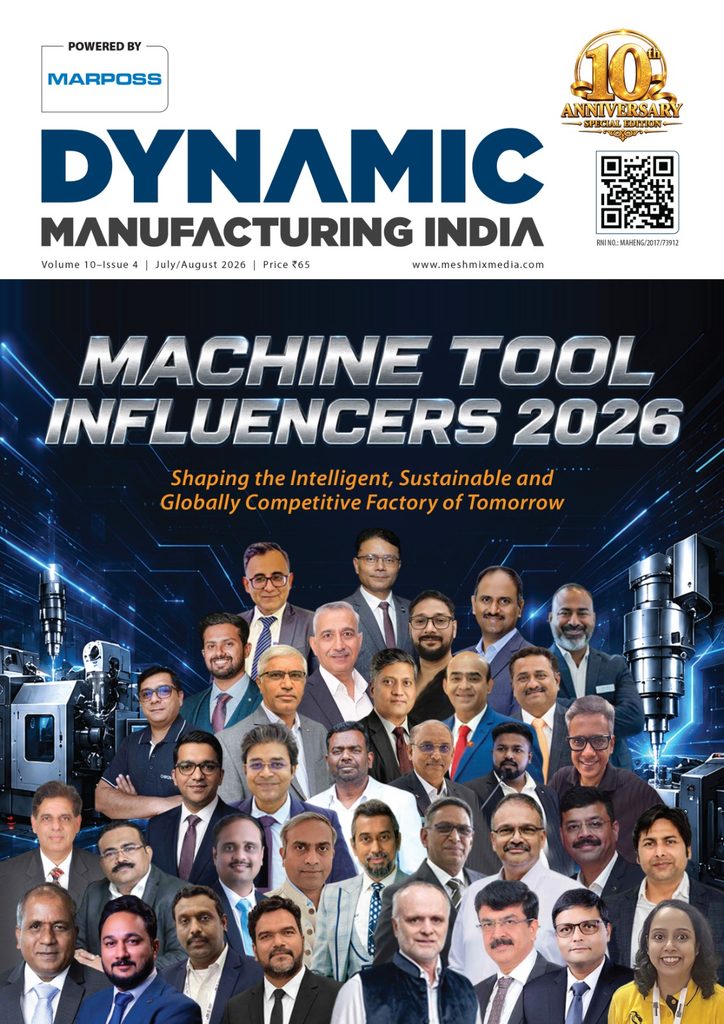
6. As one of the Machine Tool Influencers 2026, what message would you like to share with the next generation of manufacturing professionals and entrepreneurs who will shape India’s industrial future?
My message to the next generation is: build strong fundamentals, stay curious and never stop learning.
Manufacturing is changing rapidly, but the fundamentals of engineering remain extremely important. Young professionals should understand materials, machining processes, tolerances, measurement, quality and production before trying to transform these processes through digital technologies.
At the same time, they must embrace new technologies. The engineer of tomorrow will need to understand not only mechanical engineering but also data, automation, sensors, software, AI and connected manufacturing.
I would also encourage young engineers to spend as much time as possible on the shop floor. Real manufacturing problems cannot always be understood from a presentation or a software simulation. The best solutions often emerge by observing machines, operators, components and processes directly.
India has the talent and scale to become one of the world’s leading manufacturing nations. But our ambition should go beyond manufacturing more products. We should focus on manufacturing better products, with greater precision, higher productivity and world-class consistency.
The next generation has an opportunity to create technologies that will influence manufacturing not only in India but globally.
Do Visit – https://www.blum-novotest.com/in/
The post Shyam B. V.Managing Director, Blum-Novotest Measuring & Testing Technology Pvt. Ltd. – Advancing Precision for the Intelligent Factory appeared first on Machine Insider.