Kobelco Clears Debris Near Kyiv Without an Operator in the Cab
A local operator ran a Kobelco excavator at a debris site near Kyiv from a K-DIVE cockpit in an office, in a test under Kobelco's MoU with UNDP. Kobelco Clears Debris Near Kyiv Without an Operator in the Cab published on The HeavyQuip Magazine.
 machineryasia
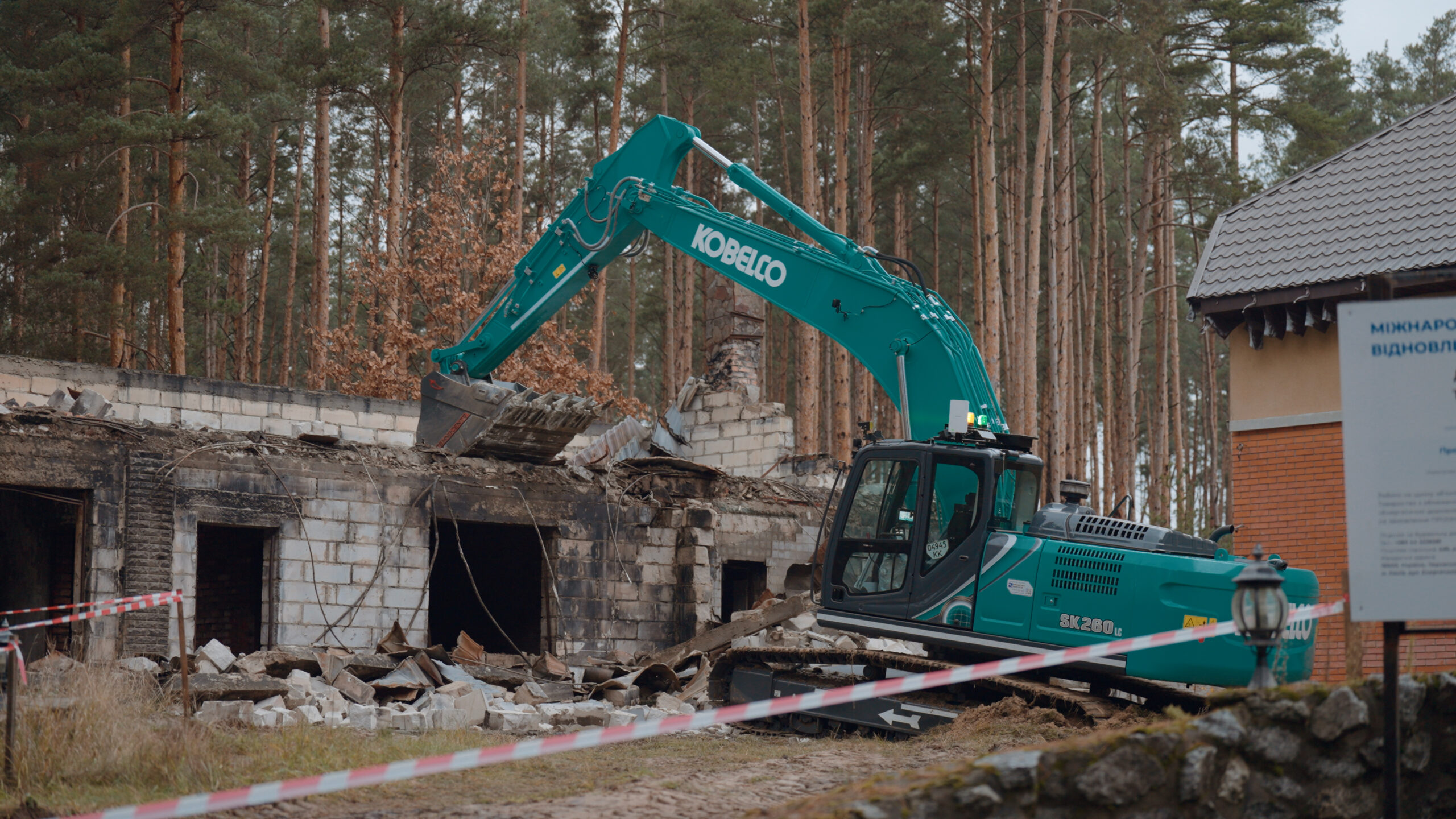
A local operator ran an excavator at a Ukrainian debris site from a K-DIVE cockpit in an office away from the worksite, the first field step under Kobelco’s agreement with UNDP
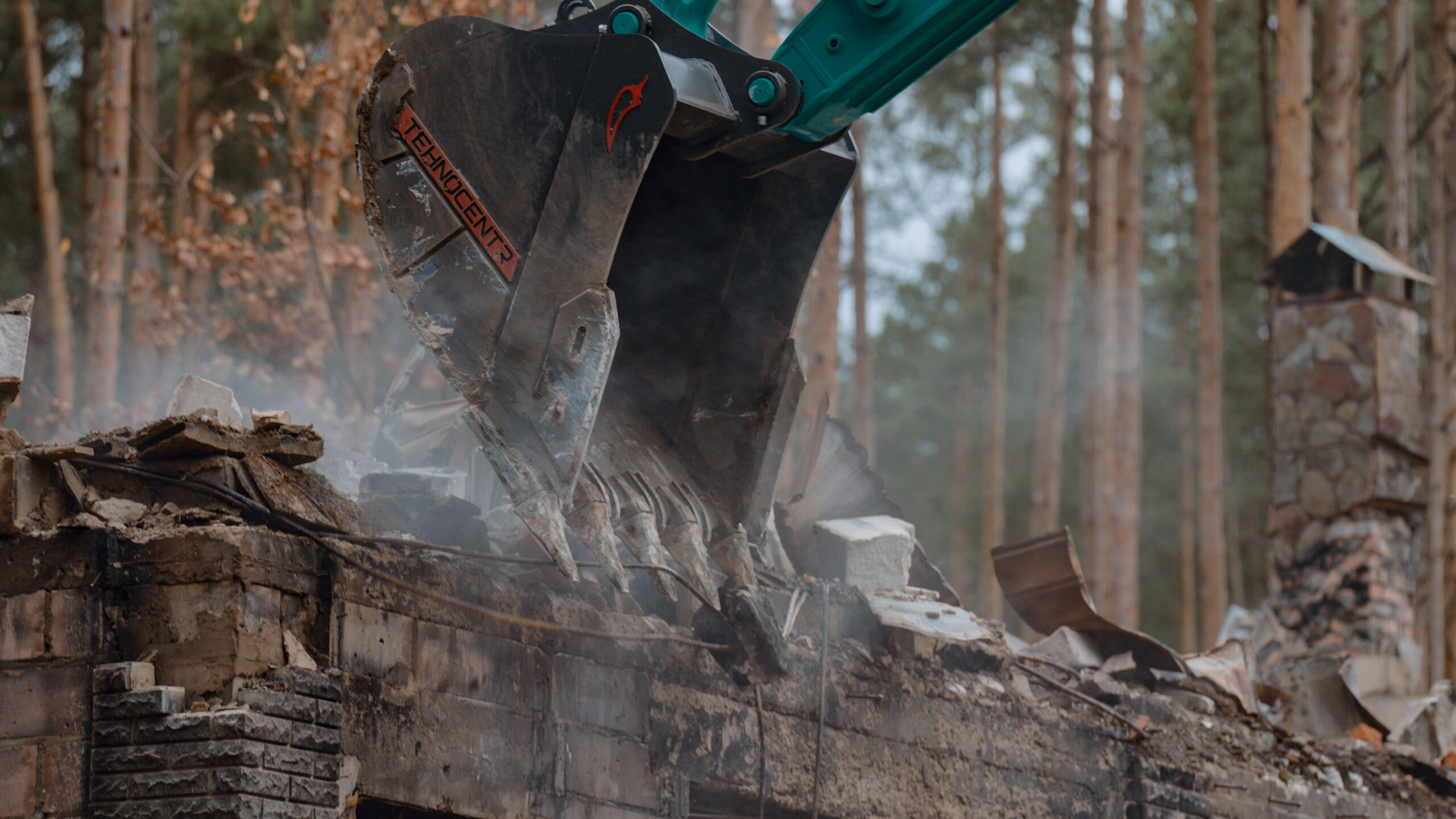
Kobelco Construction Machinery and its European subsidiary KCME ran a two-day verification test of the K-DIVE teleoperation system at a debris removal site near Kyiv on 11 and 12 November, the company said on 17 November. The test took place under the Memorandum of Understanding that Kobelco signed with the United Nations Development Programme (UNDP) in June 2026.
The test matters because debris removal in Ukraine combines heavy workloads with health risks for the people on site. Kobelco describes it as the first step toward deploying K-DIVE at recovery and reconstruction sites in the country.
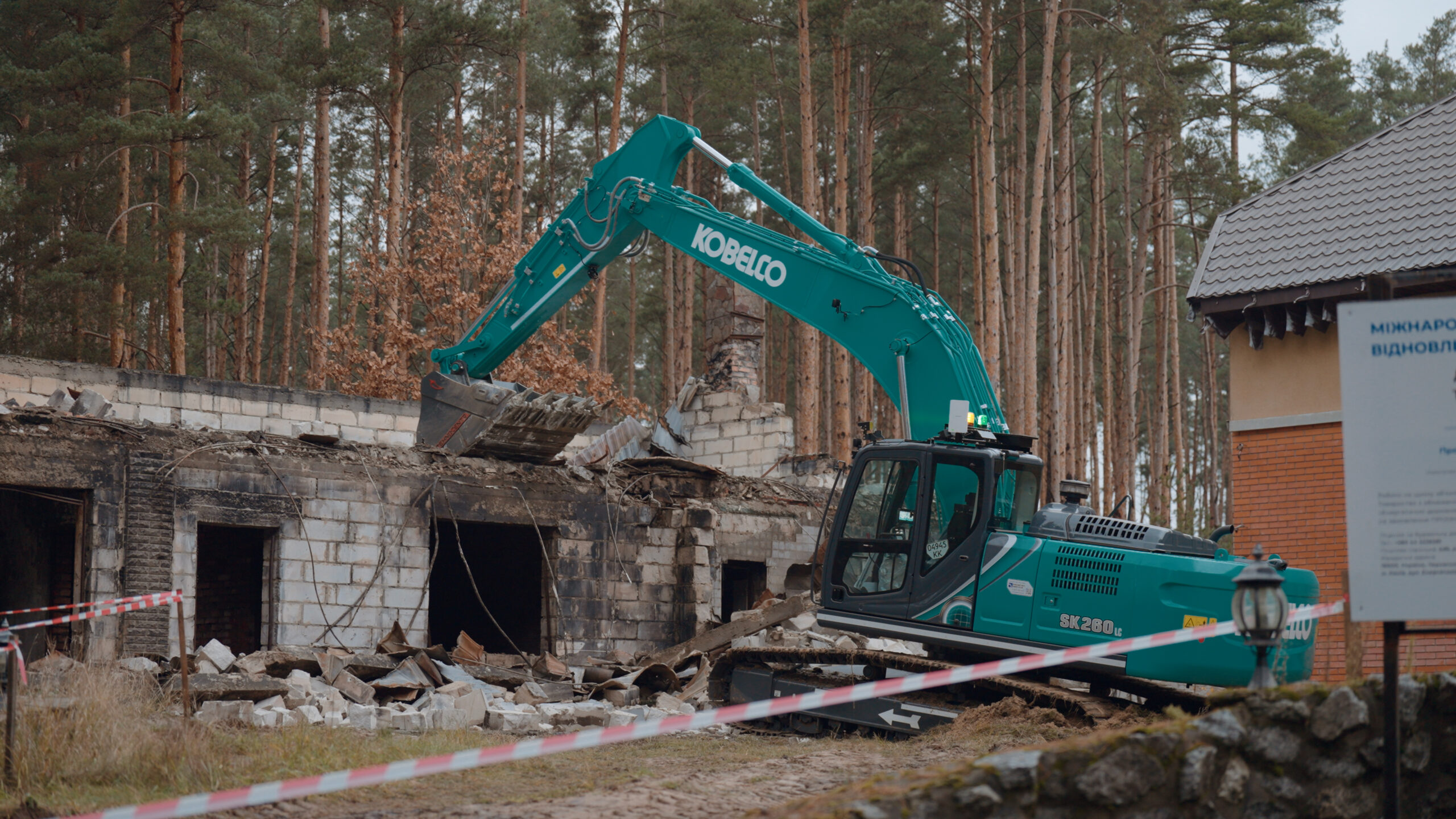
A local operator, a remote cockpit, a planned sequence of work
During the test, a local operator controlled a hydraulic excavator on the debris site from a dedicated K-DIVE cockpit installed at the office of a local partner company. As in K-DIVE operations in Japan, the operator completed the planned debris removal sequence remotely.
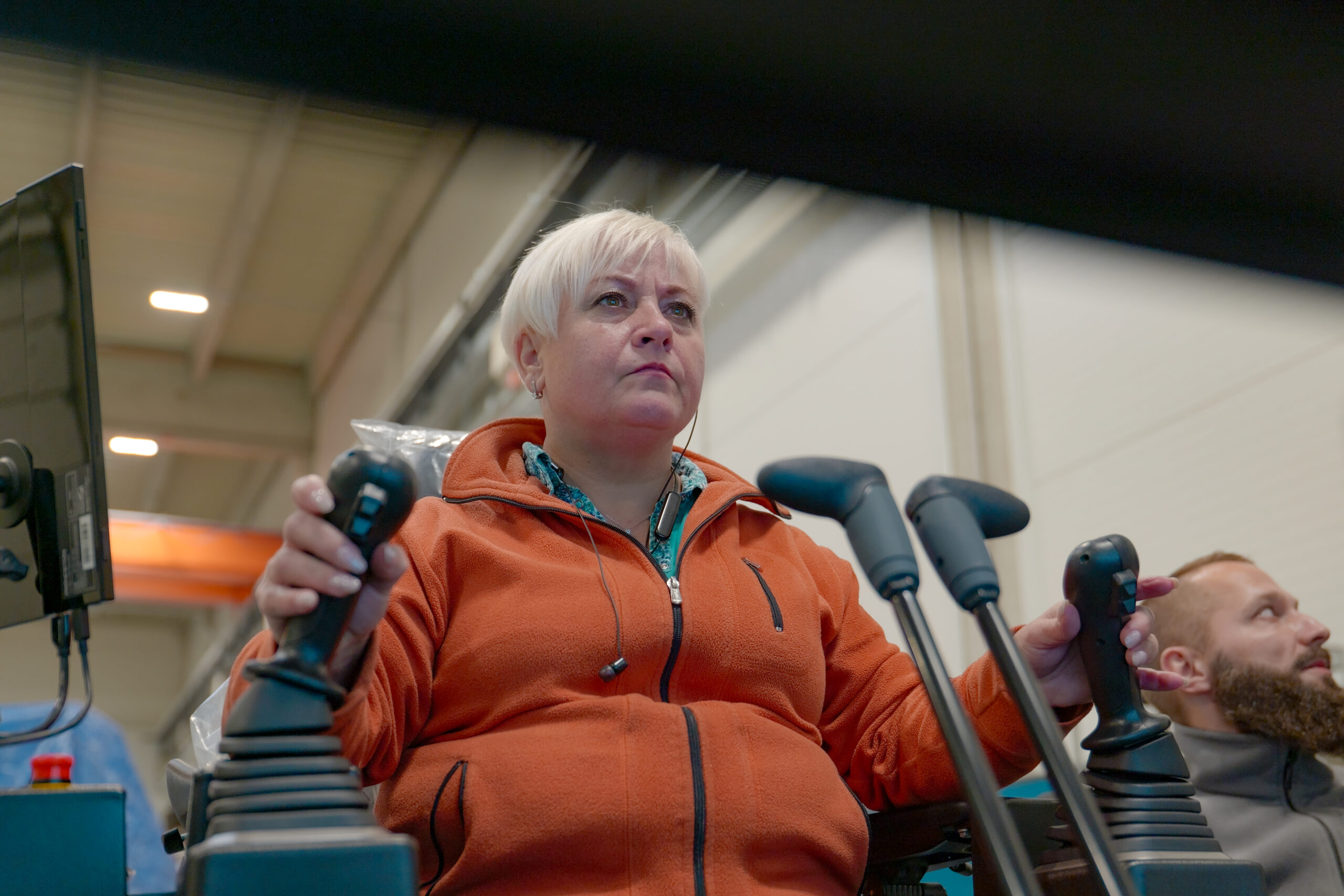
The test also covered local operating procedures and operator training, with a demonstration for stakeholders. Kobelco said the feedback indicated strong interest in remote construction technology in Ukraine.
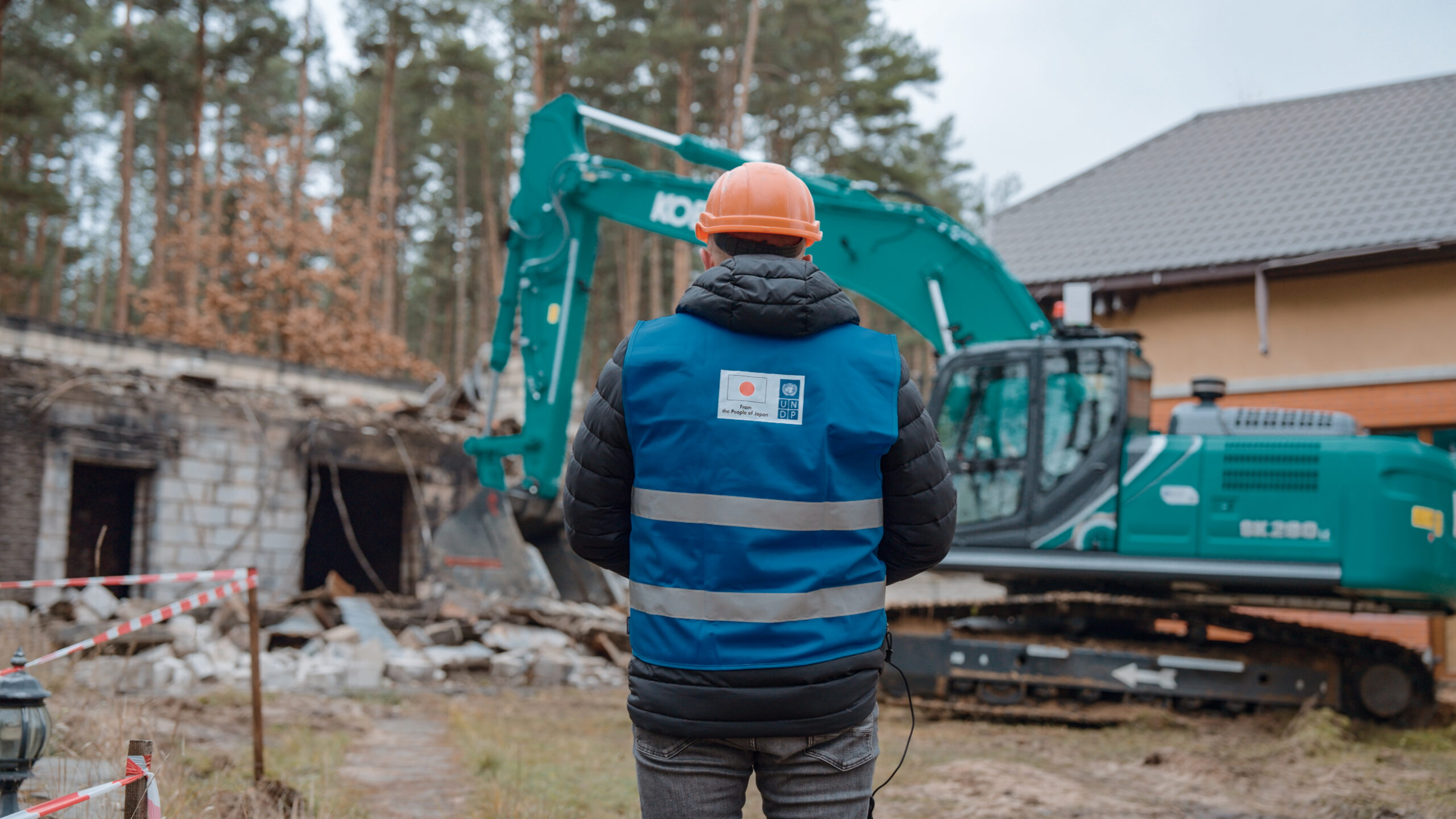
Asbestos, labour shortages, and the case for remote operation
In Ukraine, processing large volumes of war debris quickly and safely remains an urgent task. Kobelco points to two pressures in particular: health and safety risks from asbestos contained in the debris, and a shortage of labour. Remote operation addresses both by keeping operators out of hazardous areas and by allowing people to work from a different location.
K-DIVE has been on the market since 2022. It lets operators control hydraulic excavators from a cockpit away from the worksite without boarding the machine. Kobelco says the system has reduced the need for personnel to enter hazardous work areas and opens machine operation to a more diverse workforce.
From an 8,000 km Remote Test to Work on Site
In October 2025, Kobelco demonstrated K-DIVE by connecting Taras Shevchenko National University of Kyiv with construction machinery operating in Kobe, Japan, approximately 8,000 km away.
The latest test near Kyiv moves the technology from a long-distance demonstration to a real debris removal site. It follows the agreement signed with UNDP in June 2026 to assess K-DIVE’s potential for reconstruction work in Ukraine.
Kobelco and KCME plan further on-site testing as they work with Ukrainian partners to establish the support needed for wider deployment of K-DIVE in recovery and reconstruction operations.
Kobelco Clears Debris Near Kyiv Without an Operator in the Cab published on The HeavyQuip Magazine.