Open-Pit Collision Prevention Reaches Level 9 Certification
Hexagon’s latest Vehicle Intervention System meets University of Pretoria TRL4 requirements, validating automated collision prevention performance in open-pit mining operations. hexagon.com Hexagon’s latest generation of its Vehicle Intervention System (VIS) has passed the University of Pretoria’s Collision Prevention System (CPS) Technology Readiness Level 4 (TRL4) test specification. The system is designed for open-pit mining environments, where it enables automatic intervention to prevent vehicle collisions and improve operational safety. TRL4 verification under controlled conditions The TRL4 verification, conducted by the University of Pretoria under the Minerals Council South Africa framework, evaluates the standalone functionality of collision prevention technologies in controlled laboratory and proving ground environments. The testing ensures that systems demonstrate reliable and repeatable performance before integration into active mining operations. The test specification includes compliance with ISO 21815-2:2021 and assesses key functional parameters such as object detection and tracking, warning effectiveness, system diagnostics, and intervention capability. It also verifies logging functions required for traceability and performance validation. Level 9 intervention within EMESRT framework The VIS operates at Level 9, the highest classification defined by the Earth Moving Equipment Safety Round Table (EMESRT). Within this framework, control systems progress from basic site-level measures to advanced automation. At Level 9, systems are required to automatically intervene if an operator fails to respond to a hazard. The VIS achieves this through direct machine control functions, including propulsion inhibition, retarder or service brake activation, and enforcement of safe following distances. The system also manages overspeed conditions, including on ramps, and is designed to bring the vehicle to a safe state in the event of system failure. Evolution from field-proven architecture The VIS platform was initially introduced in 2017 following more than 10,000 hours of testing in operational mining environments. The latest generation builds on this foundation with updated system architecture aligned to current Minerals Council South Africa requirements. Enhancements focus on improving detection accuracy, system responsiveness, and integration with broader mine safety systems. These updates reflect evolving regulatory and operational expectations in open-pit mining, where higher levels of automation are increasingly required to reduce human exposure to hazards. Role in connected mining systems The system contributes to the development of a digital supply chain within mining operations by integrating real-time vehicle data, sensor inputs, and control actions. This enables continuous monitoring of machine interactions and supports data-driven safety management strategies. By combining detection, warning, and automated intervention in a single system, the VIS provides a layered approach to collision prevention. Its validated TRL4 performance indicates readiness for further deployment and integration into site-wide safety architectures. Position within collision prevention technologies Compared to lower-level collision avoidance systems that rely on operator alerts or advisory functions, Level 9 solutions introduce automated control as a final safeguard. This reduces reliance on human response time and enables consistent intervention under high-risk conditions. The TRL4 certification confirms that Hexagon’s VIS meets defined technical and performance criteria for collision prevention systems, supporting its deployment in safety-critical mining applications. Edited by Romila DSilva, Induportals Editor, with AI assistance. www.hexagon.com Powered by Induportals Media Publishing
 machineryasia
Hexagon’s latest Vehicle Intervention System meets University of Pretoria TRL4 requirements, validating automated collision prevention performance in open-pit mining operations.
hexagon.com
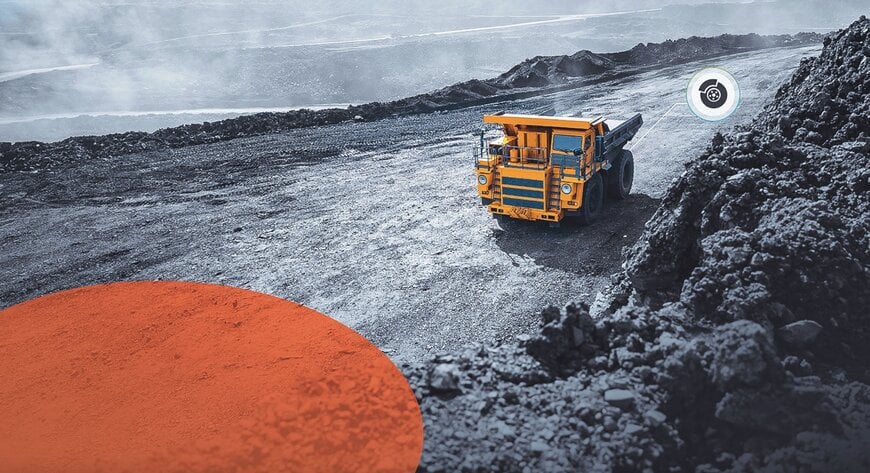
Hexagon’s latest generation of its Vehicle Intervention System (VIS) has passed the University of Pretoria’s Collision Prevention System (CPS) Technology Readiness Level 4 (TRL4) test specification. The system is designed for open-pit mining environments, where it enables automatic intervention to prevent vehicle collisions and improve operational safety.
TRL4 verification under controlled conditions
The TRL4 verification, conducted by the University of Pretoria under the Minerals Council South Africa framework, evaluates the standalone functionality of collision prevention technologies in controlled laboratory and proving ground environments. The testing ensures that systems demonstrate reliable and repeatable performance before integration into active mining operations.
The test specification includes compliance with ISO 21815-2:2021 and assesses key functional parameters such as object detection and tracking, warning effectiveness, system diagnostics, and intervention capability. It also verifies logging functions required for traceability and performance validation.
Level 9 intervention within EMESRT framework
The VIS operates at Level 9, the highest classification defined by the Earth Moving Equipment Safety Round Table (EMESRT). Within this framework, control systems progress from basic site-level measures to advanced automation. At Level 9, systems are required to automatically intervene if an operator fails to respond to a hazard.
The VIS achieves this through direct machine control functions, including propulsion inhibition, retarder or service brake activation, and enforcement of safe following distances. The system also manages overspeed conditions, including on ramps, and is designed to bring the vehicle to a safe state in the event of system failure.
Evolution from field-proven architecture
The VIS platform was initially introduced in 2017 following more than 10,000 hours of testing in operational mining environments. The latest generation builds on this foundation with updated system architecture aligned to current Minerals Council South Africa requirements.
Enhancements focus on improving detection accuracy, system responsiveness, and integration with broader mine safety systems. These updates reflect evolving regulatory and operational expectations in open-pit mining, where higher levels of automation are increasingly required to reduce human exposure to hazards.
Role in connected mining systems
The system contributes to the development of a digital supply chain within mining operations by integrating real-time vehicle data, sensor inputs, and control actions. This enables continuous monitoring of machine interactions and supports data-driven safety management strategies.
By combining detection, warning, and automated intervention in a single system, the VIS provides a layered approach to collision prevention. Its validated TRL4 performance indicates readiness for further deployment and integration into site-wide safety architectures.
Position within collision prevention technologies
Compared to lower-level collision avoidance systems that rely on operator alerts or advisory functions, Level 9 solutions introduce automated control as a final safeguard. This reduces reliance on human response time and enables consistent intervention under high-risk conditions.
The TRL4 certification confirms that Hexagon’s VIS meets defined technical and performance criteria for collision prevention systems, supporting its deployment in safety-critical mining applications.
Edited by Romila DSilva, Induportals Editor, with AI assistance.
www.hexagon.com
Powered by
Induportals Media Publishing