Mobile crane deployment for African infrastructure
INZAG and Liebherr deploy a standardized mobile crane solution to support road construction and logistics operations in southern Angola. www.liebherr.com INZAG Germany GmbH and Liebherr are cooperating to deploy a 90-tonne class mobile crane for infrastructure development in Angola. The collaboration combines equipment supply, engineering standardisation, and on-site operational support for remote construction environments. Context of the Cooperation INZAG, an infrastructure contractor active in sub-Saharan Africa, is responsible for executing a 146 km road rehabilitation project between Caiundo and Savate in Angola. The project requires lifting, logistics, and installation capabilities in a region with limited access to local crane services. Liebherr, a manufacturer of mobile cranes, supplies the LTM 1090-4.2 as part of a long-standing supplier–operator relationship. The cooperation addresses logistical constraints, equipment reliability, and the need for standardized machinery across geographically dispersed projects. Standardisation reduces operator training requirements, simplifies spare parts management, and supports predictable maintenance cycles. Technical Solution and Responsibilities The deployed system is a 4-axle mobile crane with a nominal lifting capacity of 90 tonnes. It is designed for both road travel and on-site lifting operations, integrating transport mobility with operational performance. Key technical characteristics include: Variable axle load configuration, enabling compliance with road regulations and facilitating international transport Telescopic boom with extended working radius for medium-to-heavy lifts Integrated drive and control features (e.g. ECOdrive, ECOmode) to reduce fuel consumption and engine load Liebherr is responsible for crane design, manufacturing, and global service support, including spare parts availability and technical assistance. INZAG manages fleet integration, logistics, and operational deployment within the project environment. Deployment and Implementation The crane will be deployed during the initial mobilisation phase of the Angolan road project. Early-stage tasks include unloading equipment, assembling site infrastructure, and supporting logistics operations. Subsequent applications include: Handling materials at bitumen production facilities Supporting precast element operations Installing box culverts along the road corridor The crane operates within a distributed construction setup, where transportability and rapid repositioning are required. Its mobility allows relocation between work zones without additional heavy transport equipment. Applications and Use Cases The cooperation targets infrastructure construction, particularly road and transport networks in remote regions. Use cases include lifting prefabricated components, supporting temporary plant installations, and enabling material flow across large construction sites. In the context of industrial automation in construction logistics, the crane contributes to process continuity by integrating lifting operations with material supply chains and site setup workflows. Results and Expected Impact While no quantitative performance data is disclosed, the operational rationale is based on: Reduced downtime through fleet standardisation Lower fuel consumption via engine optimisation modes Improved deployment efficiency due to roadable configuration The cooperation demonstrates how coordinated equipment supply and fleet strategy can support infrastructure delivery in regions with limited local resources, while maintaining consistent technical standards across projects. Edited by an industrial journalist Sucithra Mani with AI assistance. www.liebherr.com Powered by Induportals Media Publishing
 machineryasia
INZAG and Liebherr deploy a standardized mobile crane solution to support road construction and logistics operations in southern Angola.
www.liebherr.com
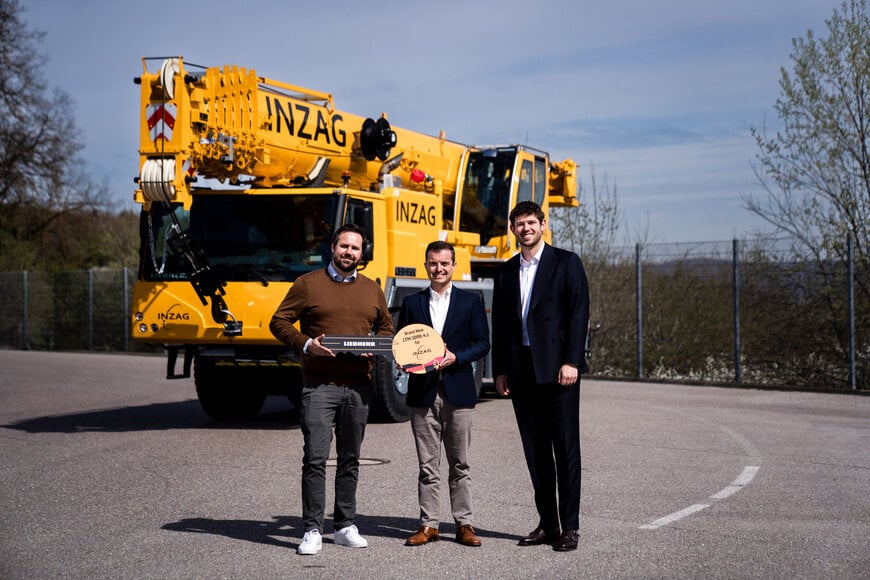
INZAG Germany GmbH and Liebherr are cooperating to deploy a 90-tonne class mobile crane for infrastructure development in Angola. The collaboration combines equipment supply, engineering standardisation, and on-site operational support for remote construction environments.
Context of the Cooperation
INZAG, an infrastructure contractor active in sub-Saharan Africa, is responsible for executing a 146 km road rehabilitation project between Caiundo and Savate in Angola. The project requires lifting, logistics, and installation capabilities in a region with limited access to local crane services.
Liebherr, a manufacturer of mobile cranes, supplies the LTM 1090-4.2 as part of a long-standing supplier–operator relationship. The cooperation addresses logistical constraints, equipment reliability, and the need for standardized machinery across geographically dispersed projects. Standardisation reduces operator training requirements, simplifies spare parts management, and supports predictable maintenance cycles.
Technical Solution and Responsibilities
The deployed system is a 4-axle mobile crane with a nominal lifting capacity of 90 tonnes. It is designed for both road travel and on-site lifting operations, integrating transport mobility with operational performance.
Key technical characteristics include:
- Variable axle load configuration, enabling compliance with road regulations and facilitating international transport
- Telescopic boom with extended working radius for medium-to-heavy lifts
- Integrated drive and control features (e.g. ECOdrive, ECOmode) to reduce fuel consumption and engine load
Liebherr is responsible for crane design, manufacturing, and global service support, including spare parts availability and technical assistance. INZAG manages fleet integration, logistics, and operational deployment within the project environment.
Deployment and Implementation
The crane will be deployed during the initial mobilisation phase of the Angolan road project. Early-stage tasks include unloading equipment, assembling site infrastructure, and supporting logistics operations.
Subsequent applications include:
Deployment and Implementation
The crane will be deployed during the initial mobilisation phase of the Angolan road project. Early-stage tasks include unloading equipment, assembling site infrastructure, and supporting logistics operations.
Subsequent applications include:
- Handling materials at bitumen production facilities
- Supporting precast element operations
- Installing box culverts along the road corridor
The crane operates within a distributed construction setup, where transportability and rapid repositioning are required. Its mobility allows relocation between work zones without additional heavy transport equipment.
Applications and Use Cases
The cooperation targets infrastructure construction, particularly road and transport networks in remote regions. Use cases include lifting prefabricated components, supporting temporary plant installations, and enabling material flow across large construction sites.
In the context of industrial automation in construction logistics, the crane contributes to process continuity by integrating lifting operations with material supply chains and site setup workflows.
Results and Expected Impact
While no quantitative performance data is disclosed, the operational rationale is based on:
Applications and Use Cases
The cooperation targets infrastructure construction, particularly road and transport networks in remote regions. Use cases include lifting prefabricated components, supporting temporary plant installations, and enabling material flow across large construction sites.
In the context of industrial automation in construction logistics, the crane contributes to process continuity by integrating lifting operations with material supply chains and site setup workflows.
Results and Expected Impact
While no quantitative performance data is disclosed, the operational rationale is based on:
- Reduced downtime through fleet standardisation
- Lower fuel consumption via engine optimisation modes
- Improved deployment efficiency due to roadable configuration
The cooperation demonstrates how coordinated equipment supply and fleet strategy can support infrastructure delivery in regions with limited local resources, while maintaining consistent technical standards across projects.
Edited by an industrial journalist Sucithra Mani with AI assistance.
www.liebherr.com
Edited by an industrial journalist Sucithra Mani with AI assistance.
www.liebherr.com
Powered by
Induportals Media Publishing