Manitowoc: Potain Introduces Battery System for Self-Erecting Cranes
PowerBoost adds onboard energy storage to support lifting, setup, and grid-independent operation in construction sites with noise and emission constraints. www.manitowoc.com Construction, lifting equipment, and urban infrastructure projects increasingly require low-emission and low-noise solutions, leading Potain to introduce PowerBoost, a battery-based energy system for self-erecting cranes. The solution was presented at bauma 2025 and is initially available for the Igo M 24-19 model, targeting applications where grid access is limited or environmental restrictions apply. PowerBoost is designed as a plug-and-play battery pack that can operate either as a standalone power source or alongside an on-site electricity supply. This flexibility allows cranes to function even in the absence of stable grid connections while reducing reliance on diesel generators. Battery Integration for Crane Operations The system uses 16 kWh Absorbed Glass Mat (AGM) batteries, operating at 230 V with an output of up to 32 A. It supports both crane erection and lifting operations, enabling up to two working days of power depending on usage conditions. When used exclusively for lifting, the system can support an 8-hour workday with approximately 50 load cycles. For setup and dismantling operations, a single charge can handle multiple cycles, including commissioning tasks. Fast charging capabilities allow the battery to reach 85% capacity in approximately 2 hours and 15 minutes when connected to a 16 A supply, supporting operational continuity on active job sites. Hybrid Operation with Grid Supply PowerBoost can also function in combination with grid electricity, where the battery system is continuously recharged during operation. This hybrid mode reduces peak energy demand from the grid and improves overall energy efficiency. Such configurations are particularly relevant for urban construction environments, where grid capacity may be limited or where temporary power infrastructure must be optimized. Application in Noise- and Emission-Sensitive Sites By eliminating the need for diesel generators, the system reduces both noise and on-site emissions. This makes it suitable for projects in dense urban areas, renovation sites, or locations with strict environmental regulations. The absence of fuel logistics also simplifies site operations, reducing transport requirements and associated costs. Operational Flexibility and Deployment PowerBoost can remain attached during transport and be used to position the crane via remote control once on site. This reduces setup complexity and enables faster deployment. The system has already been deployed in a restoration project in Hiers-Brouage, France, demonstrating its suitability for heritage and constrained construction environments where traditional power solutions may be impractical. Edited by Natania Lyngdoh, Induportals Editor — Adapted by AI. www.manitowoc.com Powered by Induportals Media Publishing
 machineryasia
PowerBoost adds onboard energy storage to support lifting, setup, and grid-independent operation in construction sites with noise and emission constraints.
www.manitowoc.com
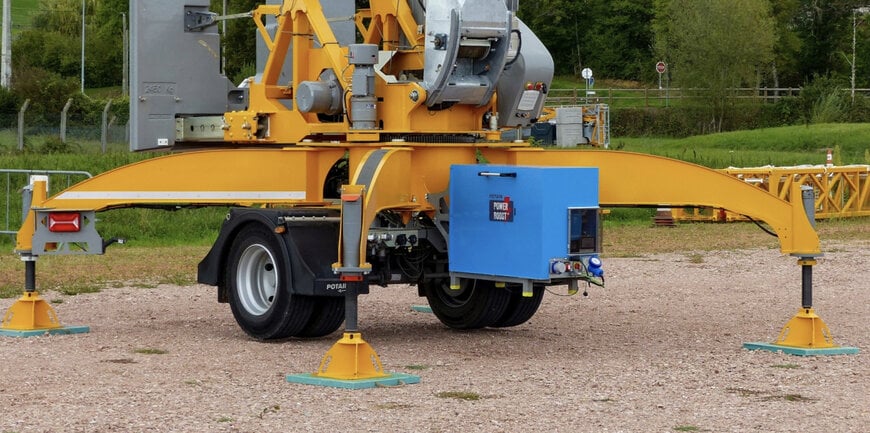
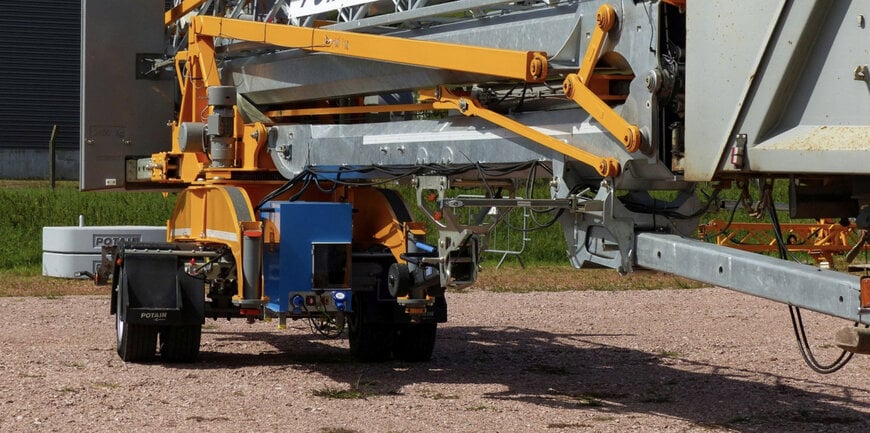
Construction, lifting equipment, and urban infrastructure projects increasingly require low-emission and low-noise solutions, leading Potain to introduce PowerBoost, a battery-based energy system for self-erecting cranes. The solution was presented at bauma 2025 and is initially available for the Igo M 24-19 model, targeting applications where grid access is limited or environmental restrictions apply.
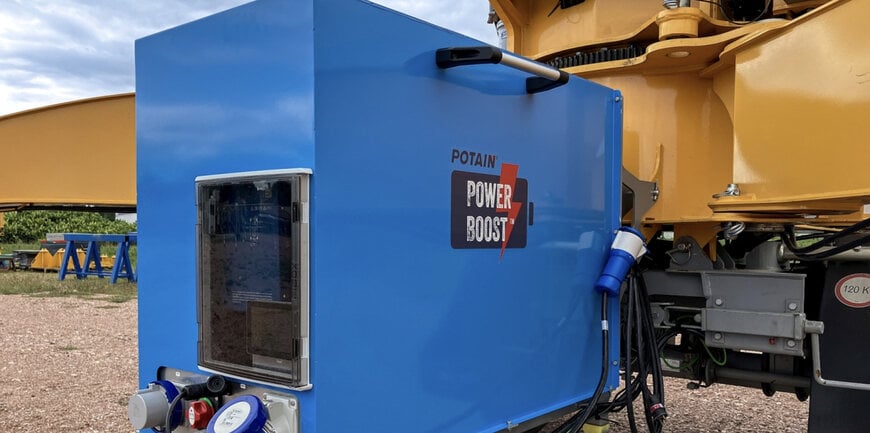
PowerBoost is designed as a plug-and-play battery pack that can operate either as a standalone power source or alongside an on-site electricity supply. This flexibility allows cranes to function even in the absence of stable grid connections while reducing reliance on diesel generators.
Battery Integration for Crane Operations
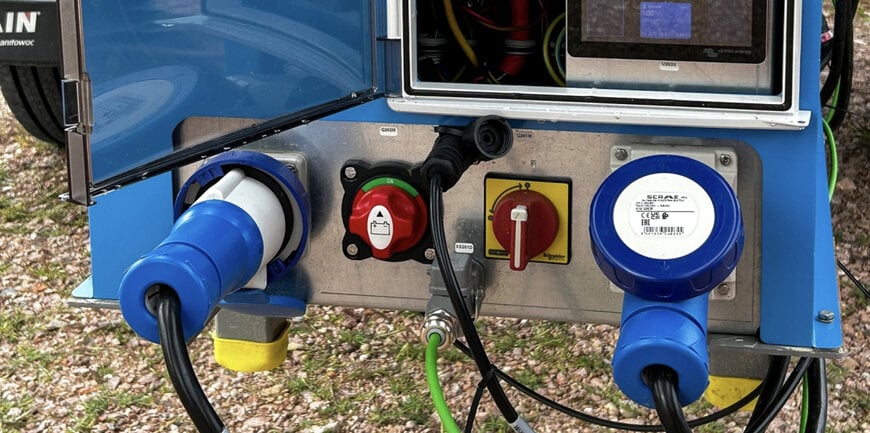
The system uses 16 kWh Absorbed Glass Mat (AGM) batteries, operating at 230 V with an output of up to 32 A. It supports both crane erection and lifting operations, enabling up to two working days of power depending on usage conditions.
When used exclusively for lifting, the system can support an 8-hour workday with approximately 50 load cycles. For setup and dismantling operations, a single charge can handle multiple cycles, including commissioning tasks.
Fast charging capabilities allow the battery to reach 85% capacity in approximately 2 hours and 15 minutes when connected to a 16 A supply, supporting operational continuity on active job sites.
Hybrid Operation with Grid Supply
PowerBoost can also function in combination with grid electricity, where the battery system is continuously recharged during operation. This hybrid mode reduces peak energy demand from the grid and improves overall energy efficiency.
Such configurations are particularly relevant for urban construction environments, where grid capacity may be limited or where temporary power infrastructure must be optimized.
Application in Noise- and Emission-Sensitive Sites
By eliminating the need for diesel generators, the system reduces both noise and on-site emissions. This makes it suitable for projects in dense urban areas, renovation sites, or locations with strict environmental regulations.
The absence of fuel logistics also simplifies site operations, reducing transport requirements and associated costs.
Operational Flexibility and Deployment
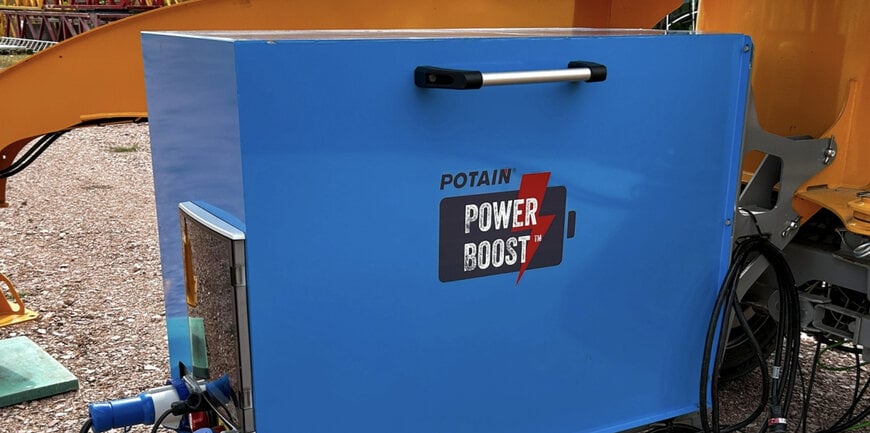
PowerBoost can remain attached during transport and be used to position the crane via remote control once on site. This reduces setup complexity and enables faster deployment.
The system has already been deployed in a restoration project in Hiers-Brouage, France, demonstrating its suitability for heritage and constrained construction environments where traditional power solutions may be impractical.
Edited by Natania Lyngdoh, Induportals Editor — Adapted by AI.
www.manitowoc.com
Powered by
Induportals Media Publishing