Hydrogen Generator Enables Low-Emission Site Power
Dawsongroup deploys a hydrogen-powered generator from JCB to support microgrid-based, low-emission energy supply for industrial and construction applications. www.jcb.com Dawsongroup has integrated a hydrogen-powered generator into its energy solutions fleet, marking the deployment of a combustion-based alternative to diesel gensets. The system is based on technology developed by JCB and is designed to deliver comparable performance to conventional generators while eliminating carbon emissions at the point of use. Hydrogen combustion for mobile power generation The generator is powered by a hydrogen combustion engine, developed as part of a large-scale investment program aimed at decarbonizing off-grid and temporary power applications. Unlike fuel cells, the system uses internal combustion technology adapted for hydrogen, allowing compatibility with existing mechanical architectures and operational practices. The unit provides equivalent output and efficiency to diesel-based systems in its class, enabling substitution in applications where reliability and performance are critical, such as construction sites and temporary infrastructure projects. Integration into hybrid microgrid systems The generator operates in combination with a three-phase battery system to form a hybrid microgrid. In this configuration, energy from renewable sources is stored in the battery unit, which supplies power to the load. The hydrogen generator functions as a supplementary energy source, activating only when battery levels require replenishment or when demand exceeds available stored energy. This operational model reduces runtime of the combustion unit, lowering fuel consumption and enabling extended periods of low-noise or silent operation. It also supports more efficient energy management by balancing generation and storage within the microgrid. Fleet expansion and operational context The hydrogen generator complements an existing fleet of conventional generators, including units compliant with Stage III and Stage V emissions standards. These systems cover a wide output range, supporting diverse industrial and temporary power requirements. The addition of hydrogen-based generation introduces an alternative pathway for reducing emissions in applications where full electrification may not be feasible due to power demand, mobility, or infrastructure constraints. Role in low-emission energy transition Hydrogen combustion engines represent one of several approaches to decarbonizing mobile and off-grid power generation. By maintaining familiar operational characteristics while reducing direct emissions, they provide a transitional solution for industries seeking to lower environmental impact without significant changes to equipment usage patterns. When combined with renewable energy and battery storage, such systems enable more flexible and sustainable energy supply models for temporary and remote applications. Edited by Romila DSilva, Induportals Editor, with AI assistance. www.jcb.com Powered by Induportals Media Publishing
 machineryasia
Dawsongroup deploys a hydrogen-powered generator from JCB to support microgrid-based, low-emission energy supply for industrial and construction applications.
www.jcb.com
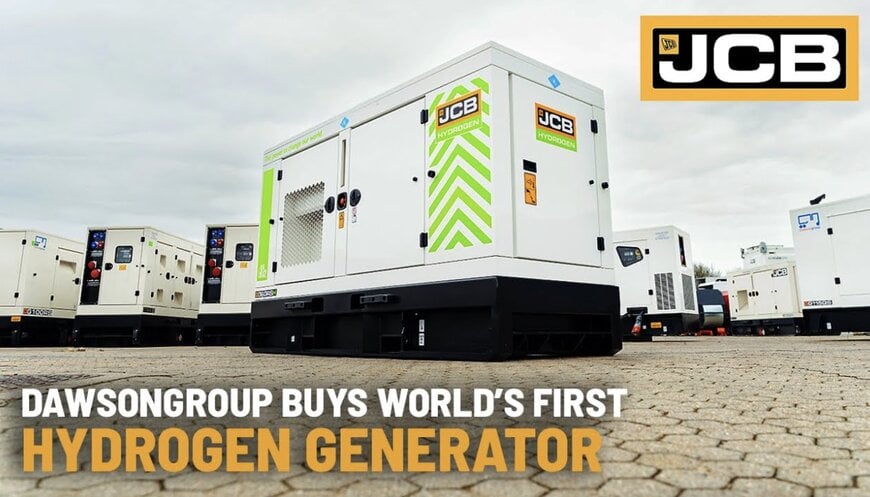
Dawsongroup has integrated a hydrogen-powered generator into its energy solutions fleet, marking the deployment of a combustion-based alternative to diesel gensets. The system is based on technology developed by JCB and is designed to deliver comparable performance to conventional generators while eliminating carbon emissions at the point of use.
Hydrogen combustion for mobile power generation
The generator is powered by a hydrogen combustion engine, developed as part of a large-scale investment program aimed at decarbonizing off-grid and temporary power applications. Unlike fuel cells, the system uses internal combustion technology adapted for hydrogen, allowing compatibility with existing mechanical architectures and operational practices.
The unit provides equivalent output and efficiency to diesel-based systems in its class, enabling substitution in applications where reliability and performance are critical, such as construction sites and temporary infrastructure projects.
Integration into hybrid microgrid systems
The generator operates in combination with a three-phase battery system to form a hybrid microgrid. In this configuration, energy from renewable sources is stored in the battery unit, which supplies power to the load. The hydrogen generator functions as a supplementary energy source, activating only when battery levels require replenishment or when demand exceeds available stored energy.
This operational model reduces runtime of the combustion unit, lowering fuel consumption and enabling extended periods of low-noise or silent operation. It also supports more efficient energy management by balancing generation and storage within the microgrid.
Fleet expansion and operational context
The hydrogen generator complements an existing fleet of conventional generators, including units compliant with Stage III and Stage V emissions standards. These systems cover a wide output range, supporting diverse industrial and temporary power requirements.
The addition of hydrogen-based generation introduces an alternative pathway for reducing emissions in applications where full electrification may not be feasible due to power demand, mobility, or infrastructure constraints.
Role in low-emission energy transition
Hydrogen combustion engines represent one of several approaches to decarbonizing mobile and off-grid power generation. By maintaining familiar operational characteristics while reducing direct emissions, they provide a transitional solution for industries seeking to lower environmental impact without significant changes to equipment usage patterns.
When combined with renewable energy and battery storage, such systems enable more flexible and sustainable energy supply models for temporary and remote applications.
Edited by Romila DSilva, Induportals Editor, with AI assistance.
www.jcb.com
Powered by
Induportals Media Publishing