From Tailgating Entertainment to a Burgeoning Sports Industry, West Georgia Cornhole Rides the Wave
This American-made company started in a garage. Today, it's got 30 employees and a presence in a sport that's grown so popular it has a professional circuit.
 machineryasia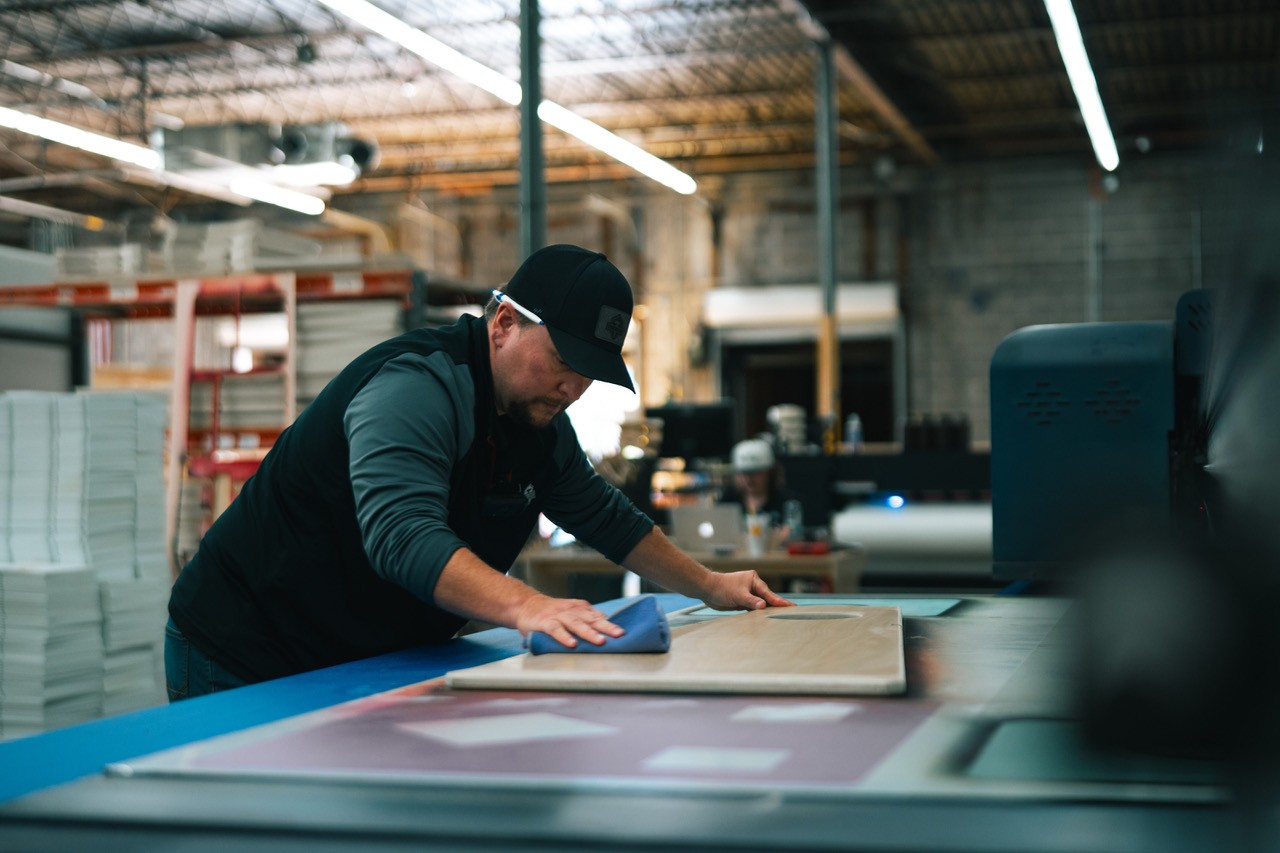
This American-made company started in a garage. Today, it’s got 30 employees and a presence in a sport that’s grown so popular it has a professional circuit.
Most people know the game of cornhole as a backyard barbecue pastime or tailgating entertainment before a major sporting event. It has become the adult version of children’s bean bag toss.
The game has been around for more than 150 years, but it wasn’t until the 1980s that cornhole became a popular sport for adults throughout the United States.
Today, cornhole has transformed into a professional sport. The American Cornhole League (ACL) games are broadcast on ESPN and CBS. This year, the league has offered annual purse money of more than $800,000.
With such rapid growth, the cornhole community has become a significant player in the sporting goods industry. Cornhole boards and bags are needed for players of all skill levels, just like the equipment for tennis, golf or bowling.
Brandon Greba is the founder and owner of West Georgia Cornhole and Titan Bags, a manufacturer of cornhole equipment including the landing area boards and the bags players toss.
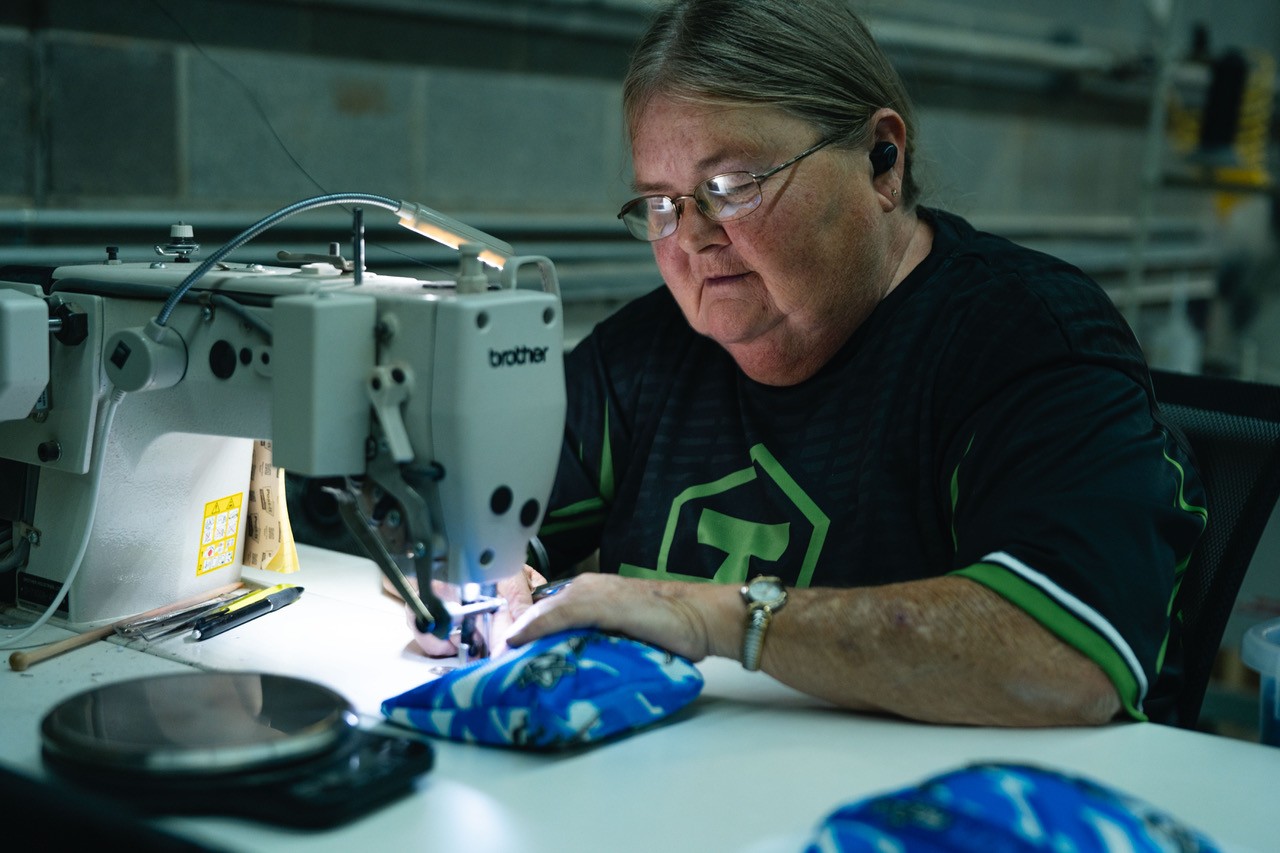
Since 2013, Greba and his 30 employees have been churning out cornhole boards and bags at a 38,000 square-foot factory in Villa Rica, Georgia just west of Atlanta. What started as garage business has become a thriving manufacturing career for Greba and his family.
“I was working for Fastenal, an industrial supply company, and was making boards in my garage from Thursday afternoon until Sunday evening,” said Greba. “It was my hobby at that point, but when I finally got a website, it moved things to a whole different level. It wasn’t just local anymore. It was all over the United States.
“I was getting burned out with all the travel for my day job and as the cornhole business increased, I took a chance on being a business owner. I had been turning down business because I couldn’t fill the orders, so I had to make a decision. It was cold feet for a year making sure we weren’t crazy and that the orders weren’t slowing down.”
Not only did the orders remain steady, in 2020, while most Americans were getting periodic Covid vaccine boosters, West Georgia Cornhole got a boost.
“When Covid hit, I didn’t know which way the business was going to go,” said Greba, a 43-year-old father of three. “We were able to stay open because we started making face shields for Emory Hospital in Atlanta. We were running cornhole boards during the day and we had a second shift running face shields all night long.
“During that time there were no team sports on TV because of restrictions, but cornhole was on a different avenue on the professional side. The ACL was on ESPN every Saturday for three or four hours. So, after that, sales went through the roof.”
For the uninitiated, cornhole is a game where you toss stuffed bags onto a tilted board positioned 27 feet away with the purpose of landing the bag in the six-inch diameter hole near the top of the two- by-four board. Like tennis, cornhole can be played in singles or doubles matches.
The flat cornhole bags measure 6 x 6 inches and come in a variety of outer materials that are filled with pellets that allow for a soft landing.
“You’ve got your really basic bags that come with every set that are 12-ounce duck canvas in a solid color and, believe it or not, we still fill those with corn,” said Greba. “It’s whole, clean deer corn and obviously the corn is where the name cornhole came from.
“Resin pellets go into the professional bags now. It’s an engineered pellet that has a certain density and volume. On the professional side, we have 13 different styes of bags or series of bags.”
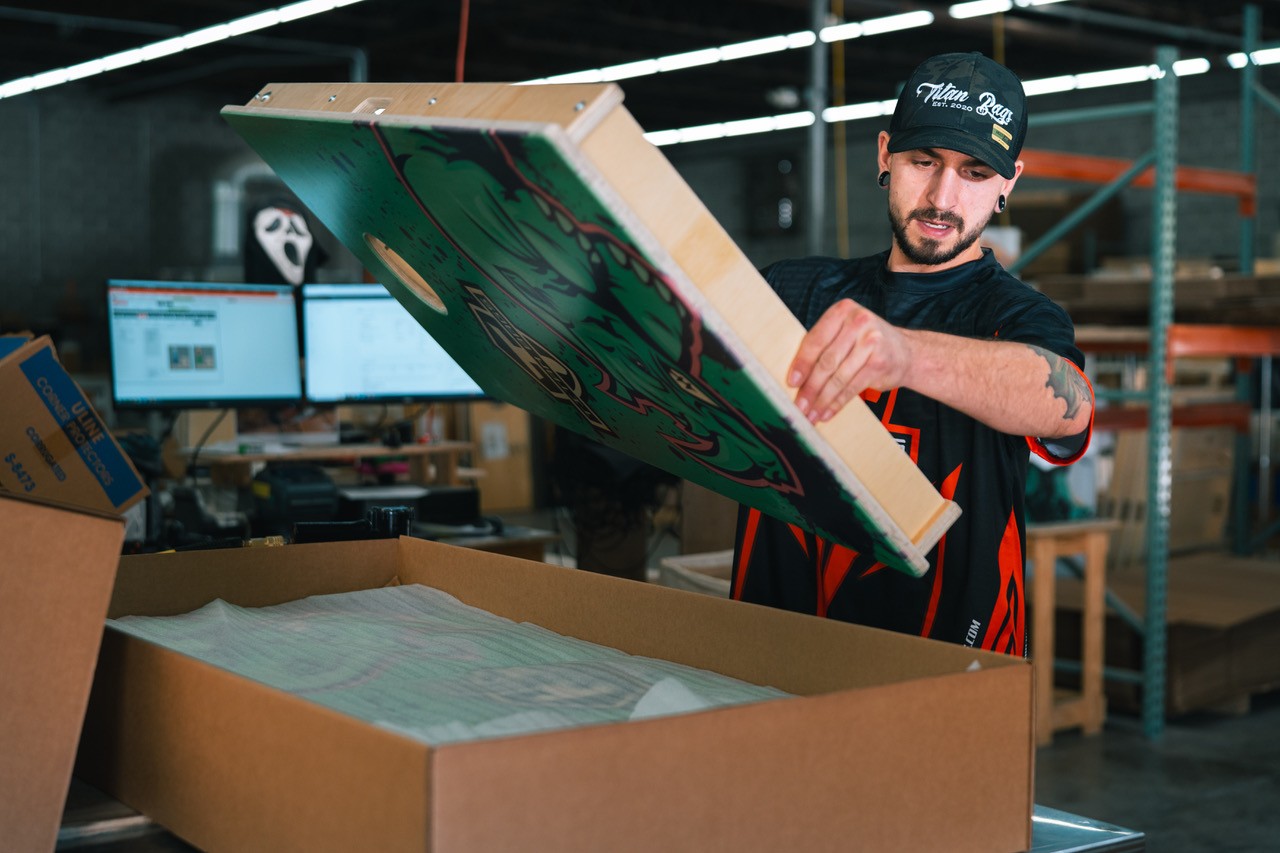
As for the cornhole boards, Baltic birch is the wood of choice for most professional and top-level games. The team cuts 4 x 8-foot sheets of birch into four boards, each measuring 2 x 4 feet. The boards come in a thickness of ¾ of an inch and are most favored because the Baltic birch plywood has no core voids, minimizes bag bounce and stays flat.
The West Georgia Cornhole factory is equipped with top-of-the-line equipment including a UV flatbed printer, CO2 lasers and CNC routers that allow the company to expand its product range to include boards with LED lights and Bluetooth speakers.
“We’ve got it pretty leaned up and it’s all based on our printers, which is now our bottleneck in the manufacturing,” said Greba. “It used to be our CNC machine where we could only cut and produce so much for the minutes allowed. We started with one CNC machine and now we have three so the manufacturing minutes allowed have moved over to the printers.
“We were really the first cornhole company that started UV direct printing. Prior to buying the UV printer we could spray paint the boards with stencils or wrap them with a piece of vinyl. We bought this machine from a company in Atlanta that manufactures them. It’s basically a 4 x 8 flatbed printer that you put the boards onto, load up the design and the printhead comes over the wood and starts printing whatever design we assign it.”
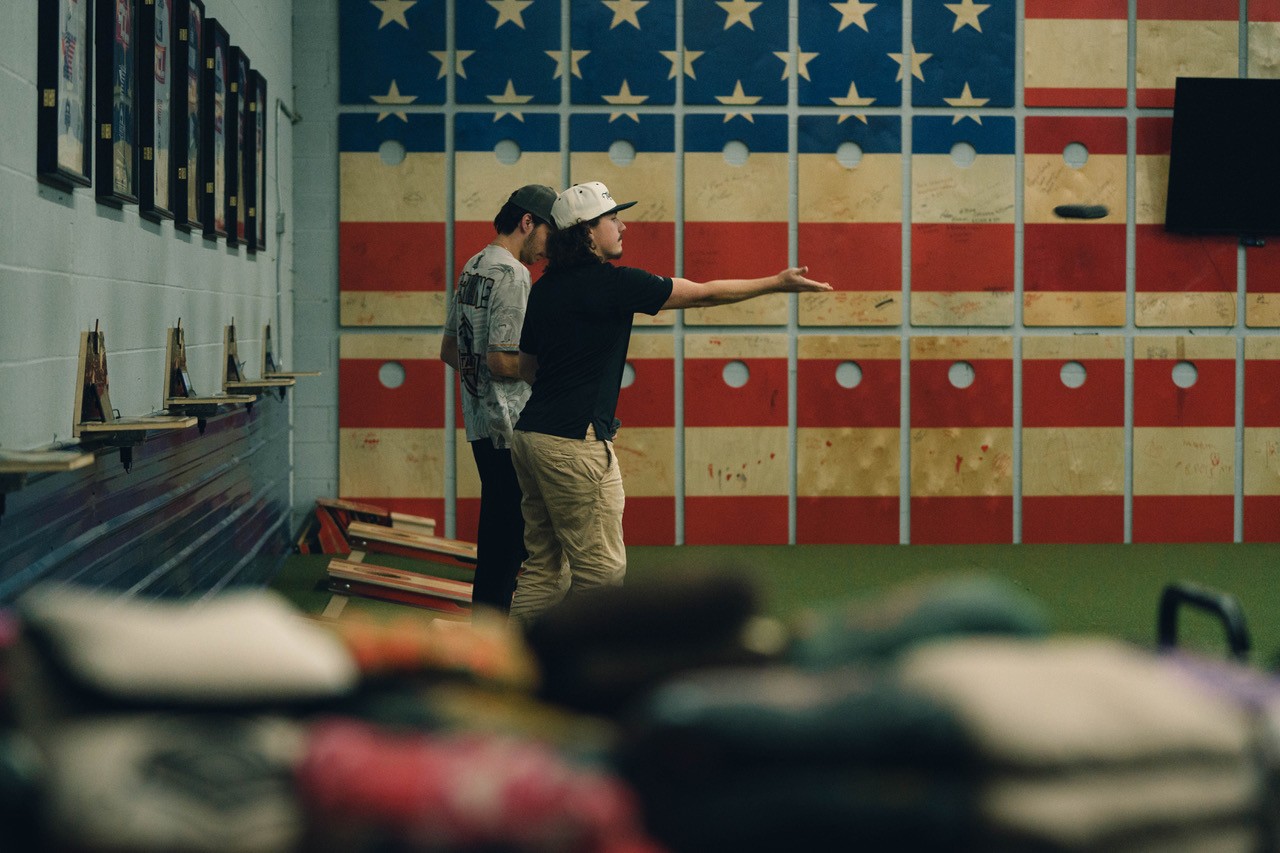
Customers can work with Greba’s design team to create whatever image they would like printed on the boards. Greba has a licensing deal with several colleges and universities with NCAA athletic programs in the Southeastern Conference.
“We have probably shipped to just about every major country there is at this point,” said Greba. “Most American sales come from California; Texas is number two. Georgia is number three and, believe it or not, Massachusetts is next.
“You think cornhole and tailgating goes hand in hand but nowadays we make them for any occasion. Weddings are a big thing. We do tons of wedding designs and people use them for signing mats when people walk in and sign with a sharpie.”
Cornhole is truly an American game and Greba will represent West Georgia Cornhole and Titan Bags at the ACL World Championships this weekend in Rock Hill, South Carolina.
“We have a booth setup through Titan Bags and we sponsor ACL teams that throw our bags and support our team,” said Greba. “The world’s largest cornhole tournament, the one we’re going to in California at the end of August, The Throwdown, is about a $300,000 purse.
“It’s one of those things that if you just want to have fun in your backyard or at a tailgate or a family reunion, everybody plays or you can take it as serious as you want. You can start getting involved in leagues, events, blind draws and local tournaments. The sky’s the limit.”
West Georgia Cornhole manufactures boards for all skill levels and all ages. They make an economy board, a standard board, a tournament board, an all-weather board and the X Factor board for which the company just received a patent.
“The X Factor is a bracing system that goes on the back of our Cadillac board, our top-of-the-line board,” explained Greba. “It’s an X bracing system, which ties into the top and bottom rails on the back of the board that 100% eliminates bounce or movement of the board.
“Over 100 sets of X Factor boards have been contracted to us to make for the California Throwdown. This will be our third year doing that.”
Whether young or old, beginner or professional, West Georgia Cornhole and Titan Bags has a board for everyone. In keeping with the American tradition of cornhole, all company products are American-made in Georgia.
“We position ourselves in the market a little different. A lot of manufacturers import stuff from overseas, Asia and China. Our stuff is made here, and we pride ourselves on that,” said Greba. “We’ve had opportunities to go overseas with manufacturers and suppliers over there. I get their emails every day.
“My mentality is, I want to create jobs and support people and see growth here rather than overseas. Just seeing that brings a lot of fulfillment to me.”
The Alliance for American Manufacturing does not receive a commission from purchases made through the above links, nor was the organization or author paid for favorable coverage.
Labeling Note: This story is intended to highlight companies that support American jobs and that make great products in the United States. We rely on the companies listed to provide accurate information regarding their domestic operations and their products. Each company featured is individually responsible for labeling and advertising their products according to applicable standards, such as the Federal Trade Commission’s “Made in USA” standard or California’s “Made in USA” labeling law. We do not review individual products for compliance or claim that because a company is listed in the guide that their products comply with specific labeling or advertising standards. Our focus is on supporting companies that create American jobs.
For more on the Federal Trade Commission’s standards for “Made in USA” claims and California’s “Made in USA” labeling law, please also read this guest post by Dustin Painter and Kristi Wolff of Kelly Drye & Warren, LLP.