Could Country-of-Origin Labeling Drive Down Drug Prices?
Transparency is just one of the reasons to reshore pharmaceutical manufacturing, witnesses tell Senate special committee. A few weeks ago we previewed a U.S. Senate Special Committee on Aging hearing that planned to examine the supply chains for the pharmaceutical […]
 machineryasia
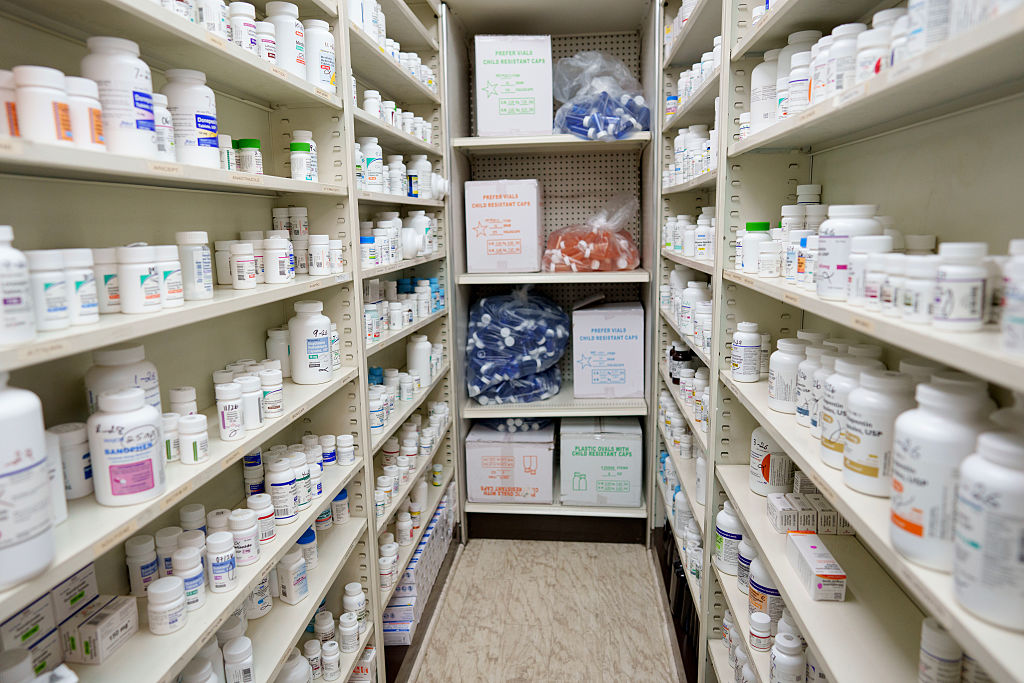
Transparency is just one of the reasons to reshore pharmaceutical manufacturing, witnesses tell Senate special committee.
A few weeks ago we previewed a U.S. Senate Special Committee on Aging hearing that planned to examine the supply chains for the pharmaceutical drugs Americans consume.
Well, they had it! The senators spent a lot of talking with witnesses about where our drugs come from; the lack of transparency regarding this information, and what to do about it. And yes, they know just how much of our generic drugs come from overseas (the vast majority of them are imported). The committee even prepared an entire report about it.
“The fact is, most Americans would prefer to buy American when they can. Unfortunately, with drugs, too often the information about the country-of-origin isn’t readily available,” said Chairman Rick Scott (R-FL). Indeed, current federal requirements don’t require that information to be disclosed publicly. Scott has introduced legislation that would update that requirement. The Alliance for American Manufacturing has endorsed similar legislation that Scott has co-sponsored – the COOL Online Act, which would require products sold online (we all shop on our phones these days) to be held to the same labeling requirements that items sold in brick-and-mortar store must meet. That’s because consumers want and deserve to know where the item they’re purchasing comes from. And that goes for our pharmaceuticals, too. John Gray, Ph.D., an Ohio State University professor who testified before the committee, said labeling, ultimately, drives prices down.
“A congressionally mandated National Academies report in 2022 recommended country of origin labeling. In our research testing that recommendation, we found that both consumers and hospital pharmacists showed a clear preference for drugs manufactured domestically or near-shore and away from drugs manufactured in India or China, even when told that all drugs were FDA approved,” Gray said.
“That same report also recommended public-facing quality scores,” he continued. “When we tested quality scores alongside country of origin, we found something important: While consumers prefer domestic drugs on average, high-quality offshore drugs were preferred over moderate-quality domestic ones.
“This tells us that transparency can promote competition on quality, not just location or cost.”
Another witness, Michael Ganio of the Association of Health-System Pharmacists, argued that bringing generic drug manufacturing into the U.S. is going to require incentivization.
“There are two separate drug supply chains in the United States: Brand name single source products and older generic multisource products,” he said. “Financial incentives and challenges separate these two supply chains.”
He went on:
“Financial incentives and challenges separate these two supply chains. Brand name manufacturers have a strong market based incentive to invest in the resilience of their supply chains and produce high quality drugs. However, price erosion and race-to-the-bottom market dynamics result in a brittle supply chain for older generic drugs. For context, nearly every drug on the FDA’s 2020 list of essential medicines is a generic.
“With slim to negative profit margins generic manufacturers are less likely to invest in resiliency and quality management. Generic manufacturers that are capable and willing to make those investments often lose market share due to price competition to manufacturers who are unwilling or unable to invest in resiliency and quality management. The narrow profit margins also result in the offshoring of our drug supply chain and (active pharmaceutical ingredient) manufacturing to countries with cheaper labor and less rigorous regulatory oversight. Without a public mechanism to evaluate quality and resiliency investments, purchasers have no information other than price to leverage when buying drugs. This reinforces the race-to-the-bottom market dynamics and erodes market resiliency, resulting in a fragile supply chain, concerns about product quality and chronic drug shortages.”
You can read the Aging Committee’s report on drug imports here and watch the whole hearing at this link (it’s not that long).