A Look at the Industrial Overcapacity Problem Has Been a Long Time Coming
Section 301 investigations span dozens of industries, and can lead to meaningful action.
 machineryasia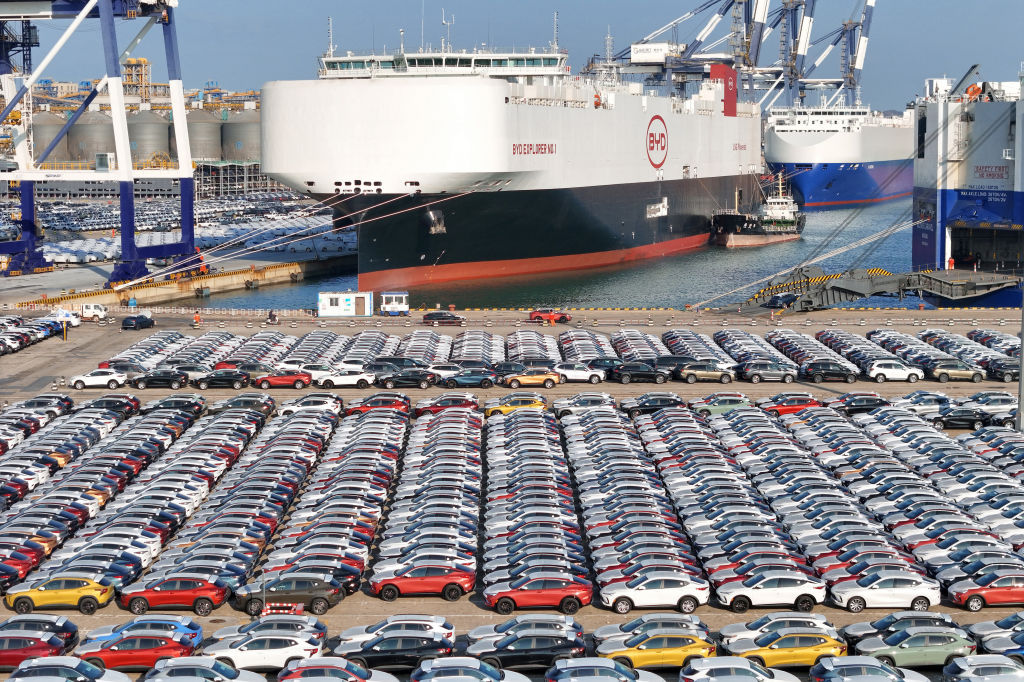
Section 301 investigations span dozens of industries, and can lead to meaningful action.
The Trump administration has announced new investigations focused on issues related to excess industrial capacity, which could potentially result in tariffs applied to imports from numerous countries.
These investigations are being conducted under Section 301 of the Trade Act of 1974, which authorize the president to impose tariffs on nations that engage in “acts, policies, and practices are unreasonable or discriminatory and burden or restrict U.S. commerce.” Conducted by the Office of the U.S. Trade Representative (USTR), the probes will involve consultations with foreign governments and public hearings before to any tariffs are implemented.
The Alliance for American Manufacturing (AAM) is glad to see it. As we told the New York Times: Global overcapacity is a serious problem. And decades of it in dozens of industries have damaged the U.S. industrial base. We hope these investigations lead to meaningful action to defend America’s workers and manufacturers.
Section 301 investigations have been utilized recently by both Democratic an Republican administrations. During President Trump’s first term, a Section 301 investigation into intellectual property theft, forced technology transfer and other unfair trade practices led to significant tariff actions on hundreds of billions of dollars in Chinese imports. The Biden administration, after a statutory four-year review, increased many of those tariffs. And a more recent 301 investigation, initiated under President Biden, found anti-competitive practices in China’s behemoth state-backed shipbuilding industry and that action was warranted. While the Trump administration has temporarily paused imposing fees on Chinese vessels, the 301 helped catalyze a major bipartisan legislative proposal to reanimate commercial shipbuilding in the United States.
Suffice to say: Section 301s can induce serious trade enforcement results and legislative developments, and these investigations into overcapacity are equally serious. Overcapacity is the result of foreign governments disregarding market signals and effecting their industries to make more goods than can be consumed. The excess production, sold on the cheap in international markets, disadvantages American industries by fundamentally skewing those markets against them.
Some of those markets are indeed very skewed. Lithium-ion battery manufacturing is in a serious glut. Same goes for solar panel manufacturing. Steel and aluminum markets have faced overcapacity problems for decades. A huge chunk of it lies at the feet of the Chinese government, which has long subsidized export-led economic growth. AAM detailed this in a 2024 report titled SHOCKWAVES: The Ripple Effect of China’s Industrial Overcapacity on American Manufacturing and Factory Workers. But there are many governments that can be credibly accused of bringing about this excess capacity scenario via their policy decisions – that’s why 16 economies in total are targeted by these Section 301s.
Concern about China’s industrial overcapacity has been mounting for years. Janet Yellen, U.S. Treasury Secretary during the Biden administration, said it wasn’t “a new problem, but it has intensified, and we’re seeing emerging risks in new sectors.”
Hopefully, these investigations can mitigate the problems overcapacity causes and bring some relief to American industries and workers that contend with unfairly traded imports.
As mentioned, though, there is a process to a Section 301 investigation. USTR says it has asked for consultations with the governments of the economies being investigated. And there will be public hearings at which parties in the investigations can weigh in beginning in May. It will take months before a report and its conclusions are released.
And this is not the end of 301 investigations in 2026. It has been reported that USTR will soon announce another set of investigations that will focus on forced-labor regulations, targeting many more countries; it could be announced as early as this week.
So stay tuned. AAM will be following these important trade developments closely and will be weighing in when appropriate.