Crane vs. Forklift: Which Is Better for Equipment Loading?
Should you use a crane or a forklift for equipment loading? Discover the pros and cons of each to determine the best option for your job site’s efficiency, safety, and cost-effectiveness.
 machineryasia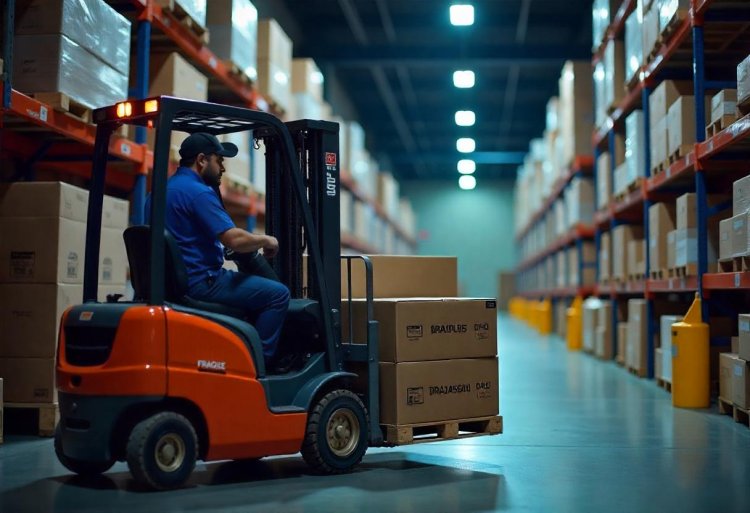
When it comes to heavy equipment loading, selecting the correct machinery is critical for ensuring safety, efficiency, and precision. Cranes and forklifts are standard choices for loading equipment; however, depending on the project’s necessities, each option suggests unique drawbacks. This article will attempt to settle the crane vs. forklift for equipment loading debate founded on several measures, including load capacity, mobility, and cost.
Forklifts
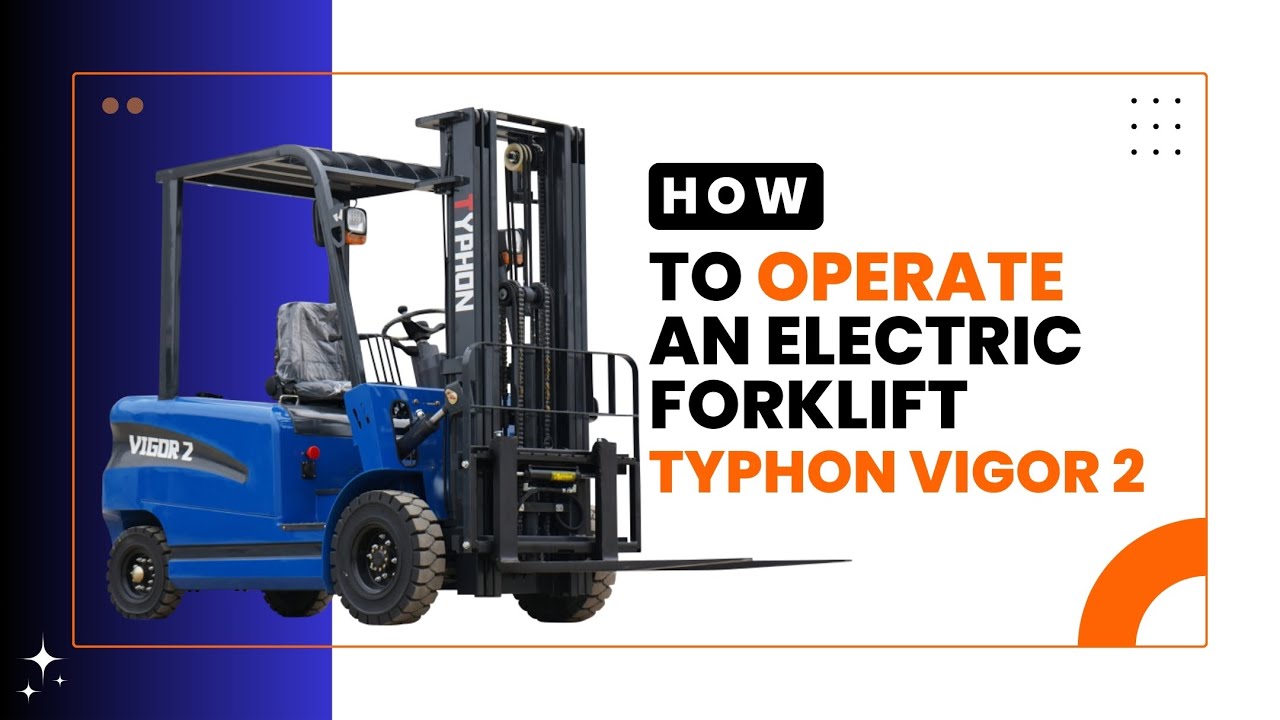
A forklift is a kind of industrial truck. It has a lift at the front, so it can fast-move pallets and other things over short spaces. Pallets and other products may be extended and lowered with the lift, making it more comfortable to move them throughout a warehouse or other building. A driver operates a forklift like a car driver controls a conveyance.
Pros of Forklifts Forklifts are close and maneuverable. Despite their altitude, forklifts can maneuver efficiently in confined rooms. Their maneuverability permits them to be used in a combination of settings, and they make lifting and carrying heavy things a breeze.
A wide degree of forklifts is known, from small-capacity ones to those that can lift over 1,100 pounds. Whatever the height of your area, there is certainly a forklift that will fit.
Cons of Forklifts
Forklifts usually demand clear, spacious ways. As forklifts are on wheels, they need broad aisles to maneuver and must observe a clear path.
Further, forklifts may occasionally need two people. While transporting a more serious weight, one person must operate the forklift while another maintains the load stable.
When it arrives for repairs, forklifts have a hefty price tag due to the recurrent wear and tear on regions like tires and hydraulics. Using battery-powered forklifts comes with further costs for batteries and charging positions.
Cranes
Overhead cranes consist of a horizontal beam that spans down the length of a warehouse’s area on ways. They have a trolley and hoist that can specify things on the warehouse floor, making it straightforward to make preferences and move the goods to their proper places.
Pros of Cranes
Forklifts can only stack items as high as the mast will permit them to, which means that effects may need to be kept across a large space, whether on the floor of a warehouse or belongings. An overhead crane’s raised hook height means less floor space is required, assembling them as a space-saver.
Electric motors are employed in overhead cranes because they are more trustworthy and have a longer assistance life than gas motors or batteries. Cranes can last more than 30 years, but forklifts generally only last between 5 and 10 years, indicating you’ll save a lot of money on restorations, maintenance, and gasoline over the long haul.
Because an overhead crane only demands so few operators, it is more efficient and cost-effective than a fleet of forklifts, trained forklift drivers, and a team of maintenance experts.
Cons of Cranes
The expense of buying an overhead crane is more than that of a forklift. Also, forklift loading is more comfortable in tight, compact warehouse zones than crane loading.
Crane vs. Forklift for Equipment Loading
➤ Safety
Forklifts are not as secure as overhead cranes for several bases. When the crane moves materials above the warehouse bed, there is more generous ergonomics and more useful load control. Cranes are incorporated into the building’s design, making it comfortable to move goods above the ceiling and around the building’s structural components and storage racks without risking injury or injury.
While using forklifts, there is a higher chance of running into warehouse workers or other floor things. The potential for harmed goods and improper stacking during shipment is also more elevated.
➤ Customization
Overhead crane installation is advantageous since it can be adapted to the specifics of each warehouse. For this cause, they last longer than most alternative material handling methodologies and demand less upkeep. Compared to a forklift’s 10–15-year lifespan, overhead cranes can last up to 65 years before retirement.
➤ Cost
Overhead cranes are more costly than forklifts, but they can pay for themselves in the long run. A crane can last up to 65 years when appropriately cared for and supported. On the other side, forklifts could only last 10years. Forklifts have a more inferior initial cost, but they don’t last closely as long as cranes.
Crane vs. Forklift for Equipment Loading Service: Which is Better?
Forklifts would be an ideal option for your moving requirements, providing your facility has adequate open floor area. They are useful for swiftly transporting cargo inside a gigantic facility or between storage rooms and the loading dock.
If the floor area in your facility is restricted and the things are stacked close to one another, this most presumably means that there are many blind spots and inadequate room to drive. As far as safety and efficiency go, cranes excel under these circumstances. Lifting heavy things high above a busy warehouse or distribution center decreases the likelihood of damage or property harm.