15-Ton Excavators with Configurable Kinematics
Takeuchi introduces TB3150 and TB3150R to address diverse excavation requirements through differentiated boom design and machine geometry. www.takeuchiglobal.com Takeuchi has introduced two new 15-ton class excavators designed to address distinct operational requirements in construction and utility applications. The models combine updated hydraulic performance, configurable kinematics, and integrated fleet connectivity to improve efficiency across varied jobsite conditions. Differentiated machine architecture for application-specific use The two excavators are based on a shared platform but implement different structural configurations to address contrasting use cases. The TB3150 incorporates a boom swing mechanism that enables offset digging without repositioning the undercarriage, a capability typically limited in this size class. This configuration supports applications such as utility trenching, where precise lateral positioning is required. In contrast, the TB3150R adopts a reduced tail swing geometry combined with a fixed boom structure. This reduces rear overhang and allows operation in confined environments, such as urban construction sites or areas adjacent to existing structures. An optional two-piece boom configuration on this model extends operational flexibility for lifting and variable reach tasks. Hydraulic performance and powertrain specifications Both excavators are equipped with an engine rated at 85 kW (114 hp), supporting multi-function hydraulic operations. The integration of updated hydraulic systems within the 3-Series platform increases available hydraulic horsepower, enabling simultaneous operation of multiple functions under load. Performance metrics reflect application-specific tuning. The TB3150 has an operating weight of 15,765 kg, while the TB3150R ranges from 15,875 kg to 16,450 kg depending on boom configuration. Maximum bucket breakout force is specified at 96.3 kN for both models, while arm digging force varies between 59.8 kN and 65.4 kN. Maximum digging depth reaches 5,445 mm for the TB3150 and up to 6,030 mm for the TB3150R. These parameters position the machines for mid-scale excavation tasks requiring a balance between reach, force, and maneuverability. Operator interface and control systems The cab design integrates both mechanical and electro-hydraulic control systems to improve precision and ergonomics. Pilot-operated joysticks manage primary working functions, while electro-hydraulic controls are applied to travel, boom swing, and auxiliary systems. A centralized control interface includes a jog dial and multi-switch panel, enabling access to machine functions without repositioning the operator. Controls are mounted on a console that moves with the seat, maintaining ergonomic alignment during operation. The operator environment includes an air suspension seat, automatic climate control, and enhanced visibility. An 8-inch touchscreen display provides access to machine settings, real-time operational data, and a 270-degree camera system for situational awareness. Digital fleet management and machine security Both models are equipped with integrated telematics through Takeuchi Fleet Management (TFM). This system provides remote access to machine location, utilization metrics, maintenance schedules, and diagnostic data, supporting predictive maintenance and reducing unplanned downtime. In addition, the Takeuchi Access Management system enables keyless operation and user-level access control. This functionality supports fleet security and allows monitoring of operator usage patterns, contributing to more controlled asset management within a digital supply chain framework. Application scope in construction and utility sectors The TB3150 and TB3150R are designed for use across construction, infrastructure development, and utility installation. The availability of two distinct configurations within the same weight class allows contractors to select equipment based on spatial constraints and task requirements rather than compromising on machine size. By combining configurable kinematics, increased hydraulic capability, and integrated telematics, the models reflect broader industry trends toward adaptable equipment platforms and connected machine ecosystems in heavy equipment operations. Edited by an industrial journalist Sucithra Mani with AI assistance. www.takeuchiglobal.com Powered by Induportals Media Publishing
 machineryasia
Takeuchi introduces TB3150 and TB3150R to address diverse excavation requirements through differentiated boom design and machine geometry.
www.takeuchiglobal.com
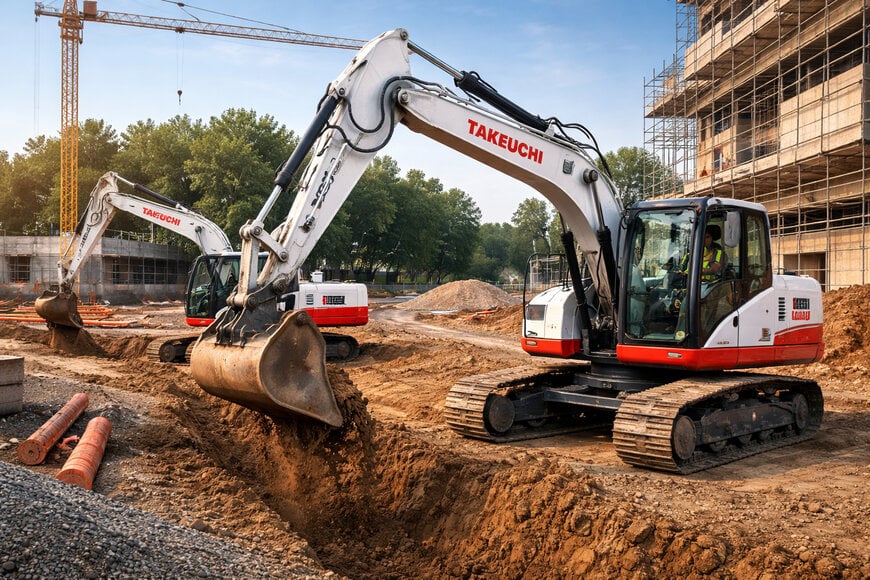
Takeuchi has introduced two new 15-ton class excavators designed to address distinct operational requirements in construction and utility applications. The models combine updated hydraulic performance, configurable kinematics, and integrated fleet connectivity to improve efficiency across varied jobsite conditions.
Differentiated machine architecture for application-specific use
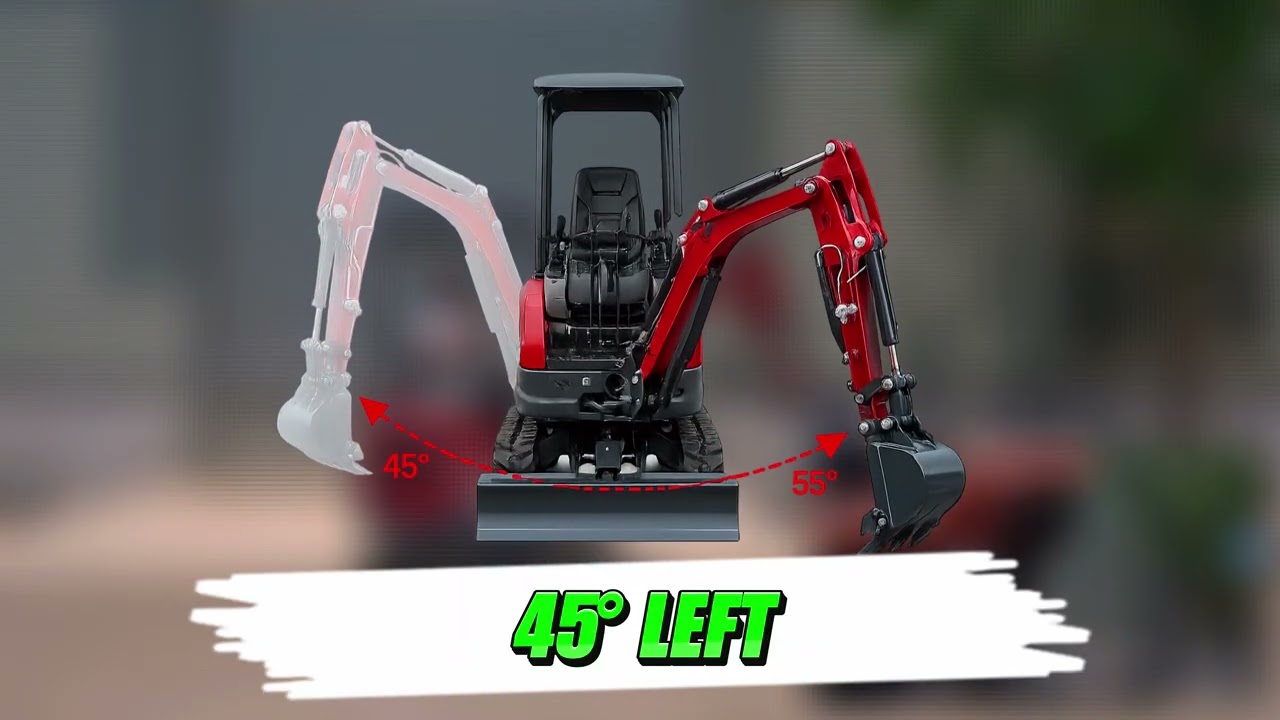
The two excavators are based on a shared platform but implement different structural configurations to address contrasting use cases. The TB3150 incorporates a boom swing mechanism that enables offset digging without repositioning the undercarriage, a capability typically limited in this size class. This configuration supports applications such as utility trenching, where precise lateral positioning is required.
In contrast, the TB3150R adopts a reduced tail swing geometry combined with a fixed boom structure. This reduces rear overhang and allows operation in confined environments, such as urban construction sites or areas adjacent to existing structures. An optional two-piece boom configuration on this model extends operational flexibility for lifting and variable reach tasks.
Hydraulic performance and powertrain specifications
Both excavators are equipped with an engine rated at 85 kW (114 hp), supporting multi-function hydraulic operations. The integration of updated hydraulic systems within the 3-Series platform increases available hydraulic horsepower, enabling simultaneous operation of multiple functions under load.
Performance metrics reflect application-specific tuning. The TB3150 has an operating weight of 15,765 kg, while the TB3150R ranges from 15,875 kg to 16,450 kg depending on boom configuration. Maximum bucket breakout force is specified at 96.3 kN for both models, while arm digging force varies between 59.8 kN and 65.4 kN. Maximum digging depth reaches 5,445 mm for the TB3150 and up to 6,030 mm for the TB3150R.
These parameters position the machines for mid-scale excavation tasks requiring a balance between reach, force, and maneuverability.
Operator interface and control systems
The cab design integrates both mechanical and electro-hydraulic control systems to improve precision and ergonomics. Pilot-operated joysticks manage primary working functions, while electro-hydraulic controls are applied to travel, boom swing, and auxiliary systems.
A centralized control interface includes a jog dial and multi-switch panel, enabling access to machine functions without repositioning the operator. Controls are mounted on a console that moves with the seat, maintaining ergonomic alignment during operation.
The operator environment includes an air suspension seat, automatic climate control, and enhanced visibility. An 8-inch touchscreen display provides access to machine settings, real-time operational data, and a 270-degree camera system for situational awareness.
Digital fleet management and machine security
Both models are equipped with integrated telematics through Takeuchi Fleet Management (TFM). This system provides remote access to machine location, utilization metrics, maintenance schedules, and diagnostic data, supporting predictive maintenance and reducing unplanned downtime.
In addition, the Takeuchi Access Management system enables keyless operation and user-level access control. This functionality supports fleet security and allows monitoring of operator usage patterns, contributing to more controlled asset management within a digital supply chain framework.
Application scope in construction and utility sectors
The TB3150 and TB3150R are designed for use across construction, infrastructure development, and utility installation. The availability of two distinct configurations within the same weight class allows contractors to select equipment based on spatial constraints and task requirements rather than compromising on machine size.
By combining configurable kinematics, increased hydraulic capability, and integrated telematics, the models reflect broader industry trends toward adaptable equipment platforms and connected machine ecosystems in heavy equipment operations.
Edited by an industrial journalist Sucithra Mani with AI assistance.
www.takeuchiglobal.com
Powered by
Induportals Media Publishing