Zero-Emission Articulated Haulers in Hydropower Construction
Volvo CE supplies serial-produced battery-electric haulers to facilitate underground excavation and minimize environmental impact in a Norwegian infrastructure project. www.volvoce.com LNS, a major Norwegian civil engineering contractor, has partnered with Volvo CE to deploy the Volvo A30 Electric at the Hemsil 3 hydroelectric power plant. The deployment marks the operational integration of battery-electric heavy equipment within a large-scale underground tunneling framework to support sustainable infrastructure development. Operational Challenges in Hydropower Construction LNS (Leonhard Nilsen & Sønner AS) is conducting construction operations on behalf of Hafslund Kraft AS in the Hallingdal region of Norway, spanning the Hemsedal and Gol municipalities. The project focuses on building the Hemsil 3 power plant, an infrastructure development designed to increase annual energy production by approximately 110 GWh by its scheduled completion in 2029. A significant portion of this project involves the excavation of an approximately 20-kilometer tunnel. In such enclosed working environments, operating traditional diesel-powered machinery poses critical ventilation challenges and generates substantial greenhouse gas emissions. These factors directly conflict with the client’s mandate for heavy equipment electrification and sustainable energy production protocols. Implementing the Technical Solution To address these environmental and ventilation constraints, LNS selected the Volvo A30 Electric. This machine functions as a serial-produced electric articulated hauler in its size class, designed specifically to deliver heavy-duty material transport capabilities without producing exhaust emissions. Utilizing zero-emission infrastructure equipment within the 20-kilometer tunnel provides an immediate technical advantage by eliminating combustion gases, thereby reducing the mechanical burden on underground ventilation systems and creating a safer, less complex enclosed working environment. Charging Logistics and Workflow Integration The integration of battery-electric haulers into the Hemsil 3 site was strategically aligned with the specific workflows of standard tunnel excavation. The project utilizes drill-and-blast methodologies, which inherently feature mechanical downtime during the blasting and subsequent debris-clearing phases. Explaining the operational rationale behind the deployment, Steffen Solstrand Ludvigsen, Project Site Manager at LNS, noted: "We will be working in tunnels with blasting cycles, which allow time for charging between runs. That makes electric haulers particularly well suited to the work here." This inherent synergy between the excavation schedule and the battery charging requirements ensures that the machines maintain operational readiness without interrupting the primary construction timeline. Deployment and Ongoing Support The initial deployment phase involved four Volvo A30 Electric articulated haulers, which were transported 700 kilometers from the manufacturing facility in Braås, Sweden, directly to the construction site in Norway's mountain landscape. An additional three units are scheduled for delivery in the subsequent month, bringing the total fleet for this specific project phase to seven machines. The equipment was supplied and integrated into the site operations by the regional dealer, Volvo Maskin AS, which will also provide ongoing technical support and maintenance to ensure optimal equipment uptime throughout the duration of the tunneling project. Edited by Aishwarya Mambet, Induportals Editor, with AI assistance. www.volvoce.com Powered by Induportals Media Publishing
 machineryasia
Volvo CE supplies serial-produced battery-electric haulers to facilitate underground excavation and minimize environmental impact in a Norwegian infrastructure project.
www.volvoce.com
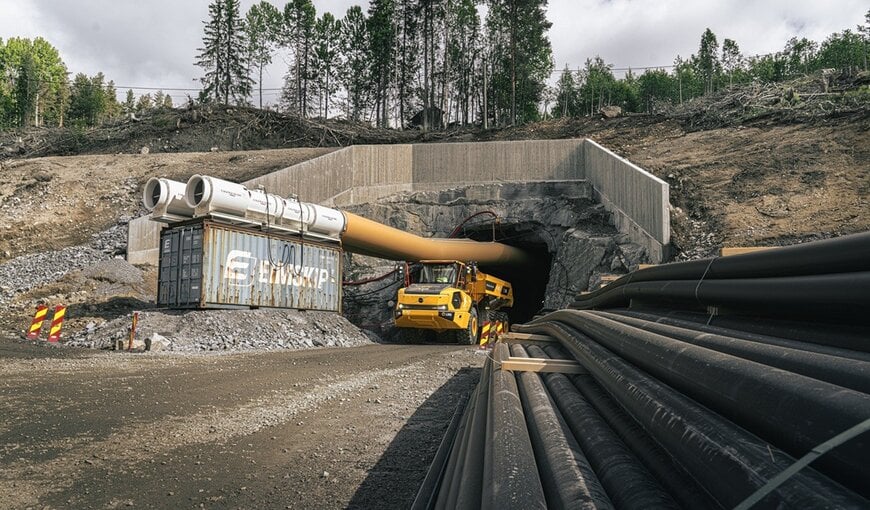
LNS, a major Norwegian civil engineering contractor, has partnered with Volvo CE to deploy the Volvo A30 Electric at the Hemsil 3 hydroelectric power plant. The deployment marks the operational integration of battery-electric heavy equipment within a large-scale underground tunneling framework to support sustainable infrastructure development.
Operational Challenges in Hydropower Construction
LNS (Leonhard Nilsen & Sønner AS) is conducting construction operations on behalf of Hafslund Kraft AS in the Hallingdal region of Norway, spanning the Hemsedal and Gol municipalities. The project focuses on building the Hemsil 3 power plant, an infrastructure development designed to increase annual energy production by approximately 110 GWh by its scheduled completion in 2029.
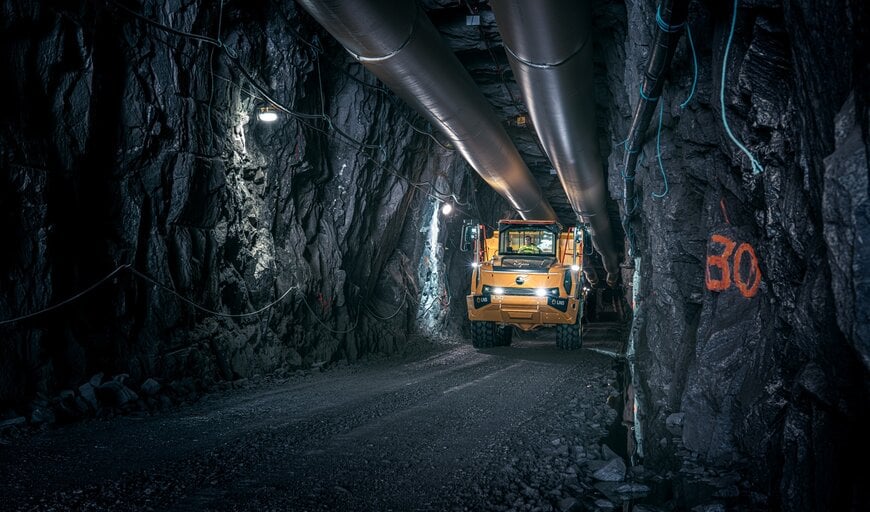
A significant portion of this project involves the excavation of an approximately 20-kilometer tunnel. In such enclosed working environments, operating traditional diesel-powered machinery poses critical ventilation challenges and generates substantial greenhouse gas emissions. These factors directly conflict with the client’s mandate for heavy equipment electrification and sustainable energy production protocols.
Implementing the Technical Solution
To address these environmental and ventilation constraints, LNS selected the Volvo A30 Electric. This machine functions as a serial-produced electric articulated hauler in its size class, designed specifically to deliver heavy-duty material transport capabilities without producing exhaust emissions. Utilizing zero-emission infrastructure equipment within the 20-kilometer tunnel provides an immediate technical advantage by eliminating combustion gases, thereby reducing the mechanical burden on underground ventilation systems and creating a safer, less complex enclosed working environment.
Charging Logistics and Workflow Integration
The integration of battery-electric haulers into the Hemsil 3 site was strategically aligned with the specific workflows of standard tunnel excavation. The project utilizes drill-and-blast methodologies, which inherently feature mechanical downtime during the blasting and subsequent debris-clearing phases.
Explaining the operational rationale behind the deployment, Steffen Solstrand Ludvigsen, Project Site Manager at LNS, noted: "We will be working in tunnels with blasting cycles, which allow time for charging between runs. That makes electric haulers particularly well suited to the work here." This inherent synergy between the excavation schedule and the battery charging requirements ensures that the machines maintain operational readiness without interrupting the primary construction timeline.
Deployment and Ongoing Support
The initial deployment phase involved four Volvo A30 Electric articulated haulers, which were transported 700 kilometers from the manufacturing facility in Braås, Sweden, directly to the construction site in Norway's mountain landscape. An additional three units are scheduled for delivery in the subsequent month, bringing the total fleet for this specific project phase to seven machines. The equipment was supplied and integrated into the site operations by the regional dealer, Volvo Maskin AS, which will also provide ongoing technical support and maintenance to ensure optimal equipment uptime throughout the duration of the tunneling project.
Edited by Aishwarya Mambet, Induportals Editor, with AI assistance.
www.volvoce.com
Powered by
Induportals Media Publishing