This Sheepfarming Collective is Where Team USA’s Olympic Apparel Starts
The Shaniko Wool Company is the first step in the supply chain for the American-made uniforms prepared for U.S. athletes at the 20266 Winter Olympics.
 machineryasia
The Shaniko Wool Company is the first step in the supply chain for the American-made uniforms prepared for U.S. athletes at the 2026 Winter Olympics.
There is a common thread running through most of the American-made garments produced by Ralph Lauren for the Milano-Cortina Winter Olympics. That motif is the Merino wool supplied by Oregon’s Shaniko Wool Company.
When the opening ceremonies get underway on Friday, all Team USA athletes will be dressed in Ralph Lauren-designed apparel which includes the toggle coat, pants, earflap hat, mittens and sweater. Each item was crafted with delicate but durable Merino wool sourced from Shaniko Wool Company in the Beaver State’s rugged and rural Deschutes River canyon.
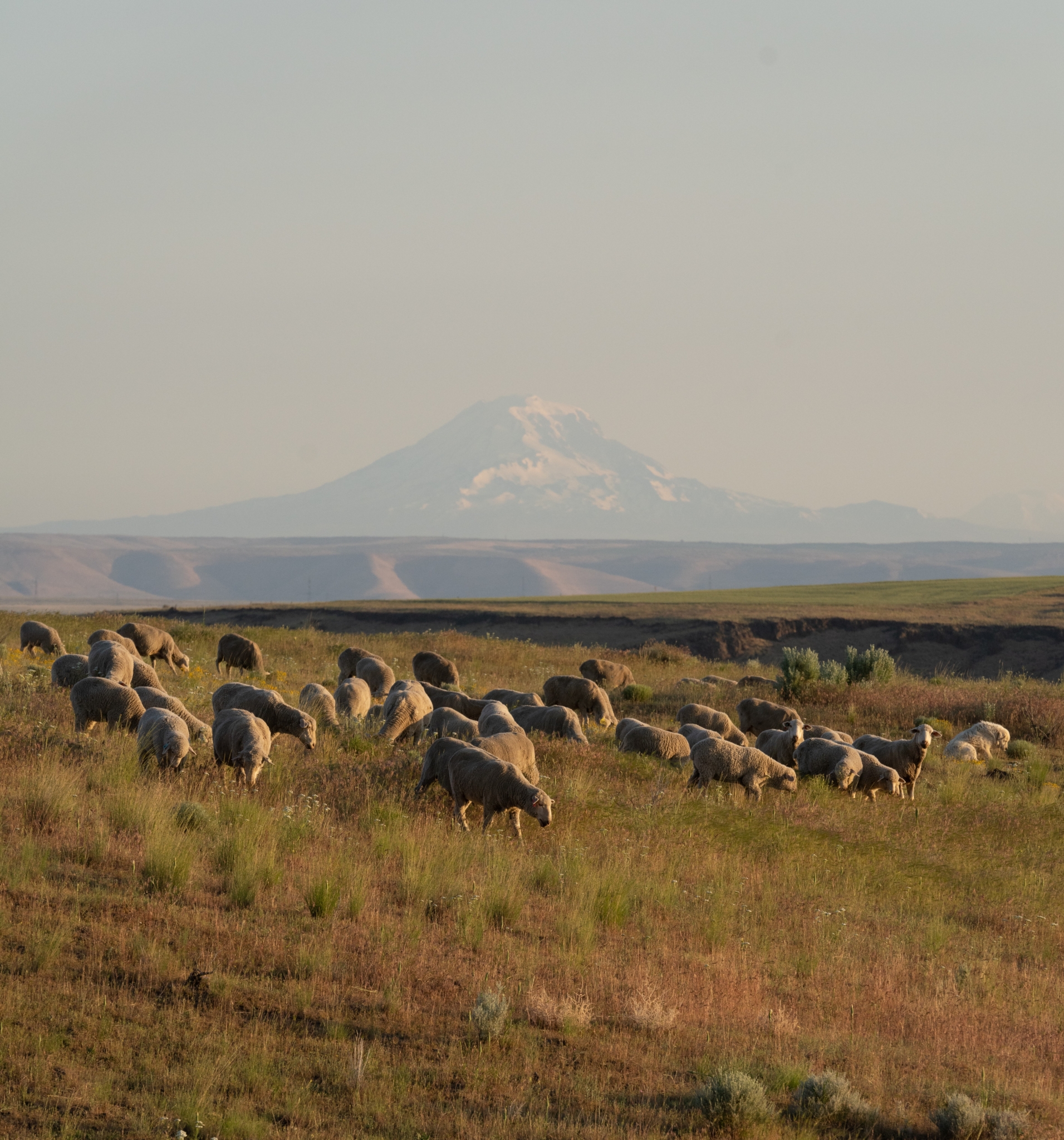
Jeanne Carver is the proprietor of the high desert Imperial Stock Ranch, which her family has tended to for the past 155 years. She is also the founder and president of the Shaniko Wool Company, a collective of 10 Western Merino sheep ranches that pool their soft, high-quality wool for the knitting and fabric marketplace.
“We all traditionally harvest the wool once a year then it is tested to determine the specifics from that wool and then sell it as a commodity,” said Carver. “It is usually done through an auction for most people, but we began selling our wool direct from our family ranch in 1999 and basically, I’ve been doing that way ever since.
“I converted it using U.S. manufacturing partners into something saleable, a product. The first product is yarn and there is also finished goods, apparel and accessories. As the sole owner, I buy the unfinished wool from the other ranches in our group and then have it made into yarn or fabric.”
Carver has been a pioneer in the Merino wool industry for almost 30 years, setting standards for third-party authentication, certification and international certifications. The Responsible Wool Standard (RWS) is a Textile Exchange non-profit headquartered in the United States that helps to improve sustainability in the fashion and textile industry that focuses on the fiber level.
When the RWS launched globally in 2016, Carver’s Imperial Stock Ranch wool was the first in the world to be certified.
“The beginning value of any product is the fiber itself. It’s the footprint of the fiber,” said Carver. “But the brands, 60% of the people participating in the effort to bring the standard were people from fashion brands. They wanted fiber with a better footprint that helped to gain confidence in how we create land and animals.
“So, it’s the brands, the manufacturing partners, the non-profits and wool-producing groups that all came together to come up with a set of benchmarks that everyone could agree would be best practices of land and of animal care.”
Carver’s Imperial Stock Ranch is on the register of historic places, and its headquarters are completely intact from the way it was in the 1800s. The name of Carver’s wool group comes from Oregon’s most famous ghost town, Shaniko. Current population: 33 residents.
Shaniko, located just 12 miles from company headquarters in the bustling city of Maupin (pop. 421) was known as the “Wool Capital of the World” in 1901.
“There was more wool shipped out of that warehouse in Shaniko than anywhere in the world annually because it was a railhead and shipping center,” said Carver. “It was as far as the railroad could go into the interior, so everything came there by horse-drawn wagons. Buyers of wool would come and make their purchases. It’s very traditional.
“Today Ralph Lauren doesn’t have to travel to Shaniko to get the wool, but I can still deliver it to them. The ranch families of Shaniko Wool are doing the timeless work that has always been done and will continue to be done to feed, clothe and shelter the human community. There are many skilled manufacturing partners that make those Team USA uniforms for Ralph Lauren.”
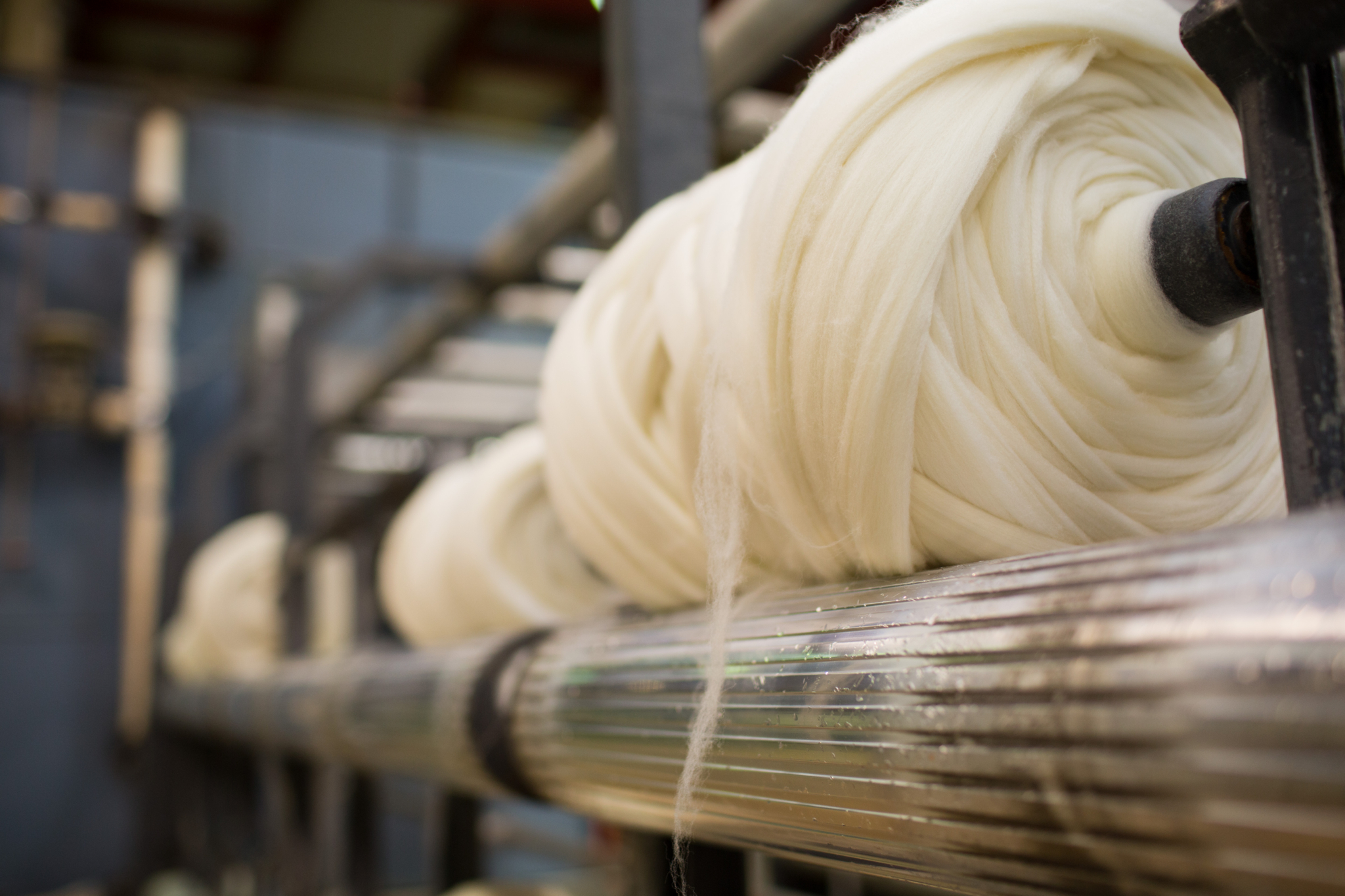
Every spring the ranchers give the sheep a haircut and the wool is evaluated for quality and sorted. The first stage of preparation is washing and combing it to remove dirt and the natural grease. The fibers are combed parallel so that they are ready to go into the spinning mill.
“The fibers are then twisted into yarn which can either go directly to knitting for sweaters, hats and mittens that Team USA will wear during both opening and closing ceremonies, or the yarn is sent to a mill where they weave it on looms into beautiful fabric. It then goes to New York where it is cut and sewn into the pieces that Team USA will wear.
“It’s quite simple. It’s timeless. You harvest natural fiber, spin them into yarn and either knit or weave into cloth that we craft into clothing that shelters, warms and protects us.”
Wool from Merino sheep is some of the finest wool in world. It feels soft next to the skin as opposed to more common raw wool that can be itchy when worn in contact with the skin.
“That’s why the fineness of the fiber has direct correlation to the hand of it, or how it feels to the touch,” said Carver. “Merino alone is a very soft fiber, and I have companies that are using it for next to skin garments including underwear. It’s that soft.”
The ranchers of Shaniko Wool Company are managing and grazing sheep at 3.8 million acres across Western America. The Shaniko Wool Company has provided wool for the Ralph Lauren Olympic designs for five Olympiads including the 2014, 2018 and 2022 Winter Games and the 2024 Paris Summer Games. Friday’s opening ceremony will showcase the luxurious wool for the fourth consecutive Winter Games.
The certified, American-raised wool is used in coats, blazers, sweaters and other accessories manufactured for Ralph Lauren by prestigious apparel makers Ferrara Manufacturing in New York and Andari in Los Angeles.
Ralph Lauren’s sourcing team discovered Carver’s coveted American Merino wool before the formation of the Shaniko Wool Company cooperative. She had manufacturing partners who made apparel out of the wool from her Imperial Stock Ranch.
“The wool from the ranch, I would take all the way to finish and put it in the market with our name attached to it,” said Carver. “ The provenance of the wool, our story, our heritage and our leading agricultural practices were all attached to the products. It was fully traceable.
“They sampled it, liked it and chose it for their American-made uniform program,” said Carver. “They have very good product development and researchers and those people found me. The wool is as pure of fiber as you can put on your body. The wool is pure.
“For the last 30 years, that’s been my journey to make what we need on a daily basis to clothe ourselves, to shelter ourselves and to do it as close to home as possible, right here in America. I’ve been very proud of that. American grown, American made. It’s a point of pride because you work with your neighbors. You work with people and the more we work together the stronger we get.
“We are so excited and at the same time grateful for this partnership. It’s beyond a dream. These are historic legends. And to feel just a little bit connected makes it all the more special.”
Carver says her team, just like Ralph Lauren’s other manufacturing partners, will be watching closely during Friday evening’s opening ceremonies. Garments made with Shaniko wool will also be on display at the closing ceremonies of the Milano-Cortina Winter Games on Sunday, February 22.
You can watch Olympic television coverage on NBC, USA Network and CNBC. Extensive live coverage will be broadcast on Peacock and several other live streaming services.