Oregon Growers Keeps its Food Manufacturing Local
This company makes a truly Pacific Northwest product, from orchard to jar.
 machineryasia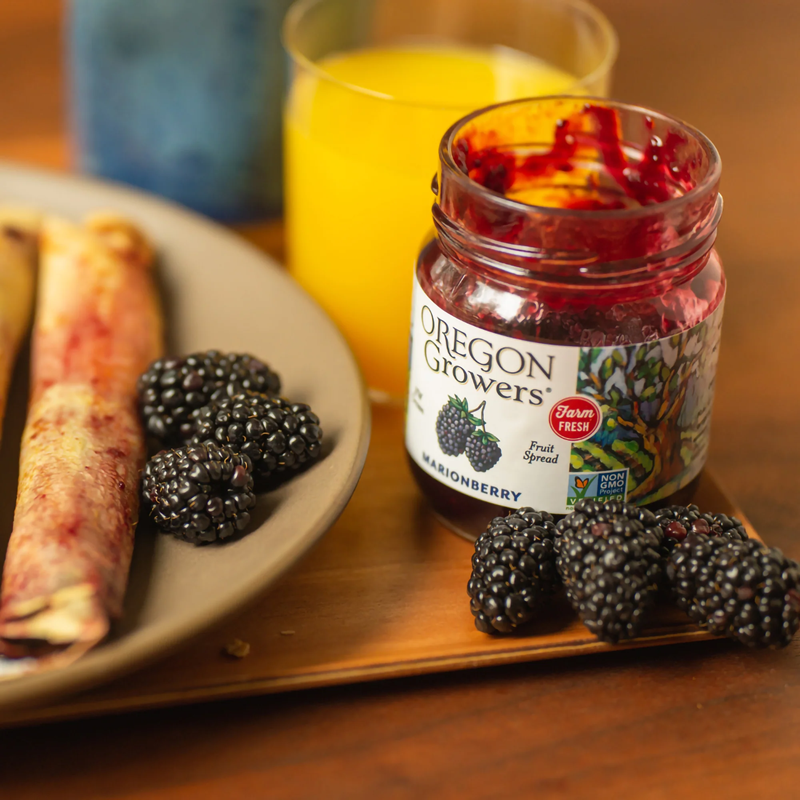
This company makes a truly Pacific Northwest product, from orchard to jar.
In Oregon’s Hood River Valley, fruit isn’t just grown; it’s part of the region’s identity. Orchards line the hillsides, family farms stretch across generations and the harvest has long been tied to the local economy.
Oregon Growers was built around that reality.
Founded in 2003 by Dave Gee, the company started with a simple goal: Capture the bounty of the Hood River Valley and turn it into something people could enjoy year-round. Working directly with nearby farms and orchards, Oregon Growers began producing jams, fruit butters and other specialty foods made from the region’s harvest.
More than two decades later, that same approach still defines the business.
Built on Local Agriculture, and Made in Oregon
To better understand how the company operates I spoke with Lisa Schlecht, who handles wholesale customer service and sales support there, about its approach to local sourcing, domestic production and long-standing partnerships with growers.
Oregon Growers’ products are “farm direct,” Schlecht explained. “Their quality and great taste is the direct result of the exceptional fruit we use. We seek out the growers who not only produce the best-tasting fruit, but who also use sustainable growing practices.”
The company’s manufacturing footprint is just as local as its sourcing, according to Schlecht. Oregon Growers operates three production facilities in Oregon, where the fruit is turned into finished products. Keeping production close to home allows the company to maintain quality control, manage food safety closely and build long-term partnerships with growers.
It also means the economic impact stays local. When Oregon Growers buys fruit from nearby farms and produces its goods in-state, it supports jobs and business activity across the region, whether it’s in agriculture or in production and distribution.
The Realities of Domestic Supply Chains
Like many U.S.-based manufacturers, Oregon Growers faces challenges when it comes to maintaining a fully domestic supply chain.
Availability and pricing can be unpredictable, particularly in agriculture where harvests vary year to year. Competing on cost with imports can also put pressure on companies trying to keep sourcing and production in the United States.
Even so, Oregon Growers continues to prioritize American-grown ingredients and regional partnerships, choosing consistency, quality and community impact over the lowest possible cost.
Why It Matters
For Oregon Growers, producing food in the United States isn’t just a logistical decision, it’s a reflection of what the company values.
Keeping sourcing and production domestic helps support sustainable growing practices, strengthens local economies and results in products the company believes are higher quality. It also contributes to a more stable and resilient food system at a time when global supply chains can be unpredictable.
For consumers, those choices show up in the product itself.
If there’s one product that captures the company’s roots it’s the Marionberry Jam fruit spread, its flagship jam and a staple of Oregon agriculture. (My personal favorite!)
It’s a simple product, but it tells a larger story: one about American farms, domestic food production and the value of keeping both close to home.
Oregon Growers is a reminder that manufacturing in the United States doesn’t just happen on factory floors. It also happens in kitchens, canneries and production facilities that turn local crops into finished goods, supporting farmers, workers and communities along the way.
The Alliance for American Manufacturing does not receive a commission from purchases made through the above links, nor was the organization or author paid for favorable coverage.
Labeling Note: This story is intended to highlight companies that support American jobs and that make great products in the United States. We rely on the companies listed to provide accurate information regarding their domestic operations and their products. Each company featured is individually responsible for labeling and advertising their products according to applicable standards, such as the Federal Trade Commission’s “Made in USA” standard or California’s “Made in USA” labeling law. We do not review individual products for compliance or claim that because a company is listed in the guide that their products comply with specific labeling or advertising standards. Our focus is on supporting companies that create American jobs.
For more on the Federal Trade Commission’s standards for “Made in USA” claims and California’s “Made in USA” labeling law, please also read this guest post by Dustin Painter and Kristi Wolff of Kelly Drye & Warren, LLP.