Subscriptions make tech more accessible
For operators and small-to-medium-sized contractors, technology is only valuable if it's accessible, consistent, and reliable. Trimble's subscription model was developed to remove upfront cost barriers, simplify ownership, and standardize the technology that operators rely on every day. Instead of purchasing hardware and software outright, contractors now have the option to access the same tools through predictable, flexible subscription packages designed to evolve as their business and job requirements change. Trimble's approach to subscriptions is built on a simple premise: meet customers where they are. The model is designed for operators who want consistent workflows across their equipment, and for growing contractors who want modern technology without the pressure of major capital investment. "The goal of subscriptions is to be able to provide our technology in ways that our customers need," explains Alex Heinlein, field system subscription manager with Trimble. "We want to be able to . . . provide our solutions in a way that works for them." How subscriptions work Trimble currently offers two main paths: Works (software only) and Works Plus (hardware and software together). Works Plus functions as a hardware-as-a-service bundle that includes hardware, software, protection plans, and ongoing upgrades in one monthly payment. Works provides the same software experience, primarily Earthworks and Siteworks, on a subscription basis without the hardware component. The structure is intentionally flexible. Works Plus plans run in 18- to 72-month terms, while software-only subscriptions operate in 12-month increments with the option to pay annually or monthly. Customers can choose from pre-built bundles or mix and match the licensing, features, and machine types they need. One of the key distinctions between Trimble's model and other leasing programs is ownership. "The equipment is the customer's on day one," says Heinlein. In hardware-inclusive subscriptions, the cost of ownership is spread across the term of the subscription, giving contractors a path to adopt technology without large upfront spending.
 machineryasia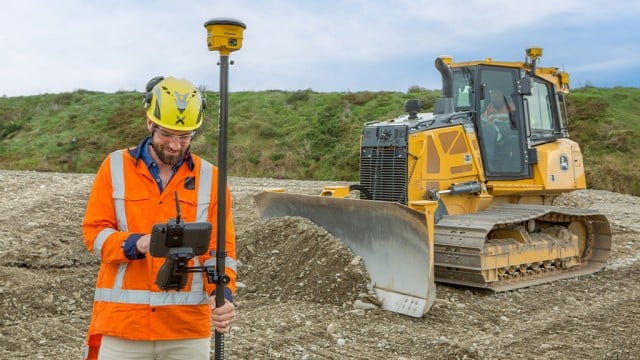
For operators and small-to-medium-sized contractors, technology is only valuable if it's accessible, consistent, and reliable. Trimble's subscription model was developed to remove upfront cost barriers, simplify ownership, and standardize the technology that operators rely on every day. Instead of purchasing hardware and software outright, contractors now have the option to access the same tools through predictable, flexible subscription packages designed to evolve as their business and job requirements change.
Trimble's approach to subscriptions is built on a simple premise: meet customers where they are. The model is designed for operators who want consistent workflows across their equipment, and for growing contractors who want modern technology without the pressure of major capital investment.
"The goal of subscriptions is to be able to provide our technology in ways that our customers need," explains Alex Heinlein, field system subscription manager with Trimble. "We want to be able to . . . provide our solutions in a way that works for them."
How subscriptions work
Trimble currently offers two main paths: Works (software only) and Works Plus (hardware and software together). Works Plus functions as a hardware-as-a-service bundle that includes hardware, software, protection plans, and ongoing upgrades in one monthly payment. Works provides the same software experience, primarily Earthworks and Siteworks, on a subscription basis without the hardware component.
The structure is intentionally flexible. Works Plus plans run in 18- to 72-month terms, while software-only subscriptions operate in 12-month increments with the option to pay annually or monthly. Customers can choose from pre-built bundles or mix and match the licensing, features, and machine types they need.
One of the key distinctions between Trimble's model and other leasing programs is ownership. "The equipment is the customer's on day one," says Heinlein. In hardware-inclusive subscriptions, the cost of ownership is spread across the term of the subscription, giving contractors a path to adopt technology without large upfront spending.