Mobile Machinery Electrification and Hydraulic Control Technologies
Parker Hannifin will demonstrate hydraulic, electro-hydraulic and electrification technologies for construction, forestry, transport and other heavy mobile machinery at FinnMETKO 2026. www.parker.com Parker Hannifin will exhibit at FinnMETKO 2026 from 3 to 5 September in Jämsä, Finland, at Booth 272. The exhibition will focus on technologies for mobile machinery as manufacturers address electrification, intelligent control, energy efficiency, connectivity and changing regulatory requirements. The portfolio on display spans hydraulic components, electro-hydraulic systems, electric motors, inverters, control systems, valves and engineered subsystems. The technologies are intended for applications across forestry machinery, construction equipment, commercial vehicles, transport equipment and machine attachments. Electrification of hydraulic functions One focus of the demonstration will be the transition from conventional hydraulic architectures toward hybrid and electric machine designs. Parker will present its electrification capabilities alongside hydraulic and electronic control technologies, illustrating how electrical power can be integrated with hydraulic functions in mobile machinery. The Norrhydro electro-hydraulic actuator demonstrator, equipped with Parker NX8M motors, will demonstrate an approach in which an electric motor drives an electro-hydraulic system to provide controlled linear motion. The NX8M is a permanent-magnet AC motor designed for low-power electro-hydraulic pump applications. Parker specifies the NX8M with continuous power of up to 20 kW, continuous torque of up to 60 Nm and rated speed of up to 7,000 rpm, depending on configuration. This type of architecture can be used where hydraulic force and controllability are required while the machine is moving toward electrically powered subsystems. Energy-efficient hydraulic system control Parker will also present eLS technologies for load-sensing hydraulic systems. Load-sensing architectures regulate hydraulic pump output according to system demand, allowing hydraulic power generation to be matched more closely with the requirements of the machine functions. The exhibit will include VA valve concepts, VA130LS products, FGC products and ePump solutions. Together with electronic control, these technologies address hydraulic flow management and actuation in mobile machinery where controllability and energy consumption are important design parameters. High-voltage and low-voltage electrification The display will include the Curtis Instruments HVLP inverter for high-voltage, low-power electrification applications. Inverters are a key element in electric machine architectures because they control the electrical power supplied to motors and allow machine controllers to regulate torque and speed. Parker will also demonstrate its wider electric motor and electrification capabilities alongside hydraulic technologies. This combination allows machine manufacturers to evaluate electrical and hydraulic functions as parts of a broader motion and control architecture rather than as isolated components. Intelligent machine control and connectivity IQAN control systems and CAN-based functionality will be another part of the demonstration. These technologies provide electronic control, diagnostics and communication capabilities for mobile machinery. CAN-based communication enables electronic control units and machine components to exchange operating information. In a mobile machine, this can support functions such as monitoring operating parameters, coordinating hydraulic and electrical functions, detecting faults and providing diagnostic information to service personnel. The integration of controls with hydraulic, electronic and electrical components is increasingly relevant as machines incorporate more electronically managed functions and connected systems. Noise and operator requirements Parker will also highlight low-noise technologies for mobile machinery. Noise performance is becoming an increasingly relevant engineering parameter for equipment operating in urban environments, enclosed work areas and locations subject to environmental requirements. Reducing hydraulic and electrical system noise can involve component selection, operating-speed management, hydraulic circuit design and system integration. Parker’s exhibit will therefore address noise as part of the broader machine-development process rather than as an isolated component characteristic. System-level engineering for mobile machinery The technologies presented at FinnMETKO 2026 cover several layers of a mobile machine architecture, from hydraulic components and filtration to electric motors, inverters, valves, connectors and electronic controls. Parker will also emphasize engineering support throughout the machine development cycle, including application engineering, system integration, commissioning, service and continuous improvement. The company identifies legislation, fu
 machineryasia
Parker Hannifin will demonstrate hydraulic, electro-hydraulic and electrification technologies for construction, forestry, transport and other heavy mobile machinery at FinnMETKO 2026.
www.parker.com
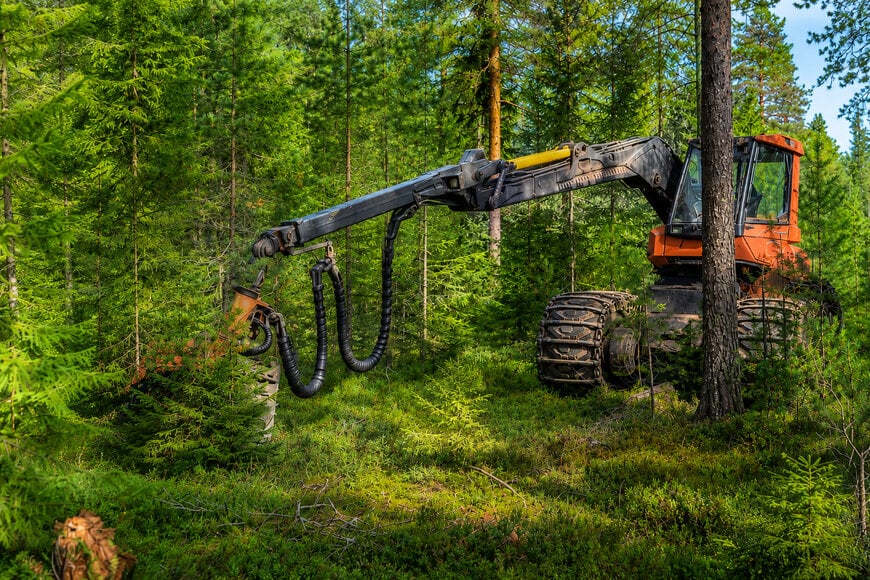
Parker Hannifin will exhibit at FinnMETKO 2026 from 3 to 5 September in Jämsä, Finland, at Booth 272. The exhibition will focus on technologies for mobile machinery as manufacturers address electrification, intelligent control, energy efficiency, connectivity and changing regulatory requirements.
The portfolio on display spans hydraulic components, electro-hydraulic systems, electric motors, inverters, control systems, valves and engineered subsystems. The technologies are intended for applications across forestry machinery, construction equipment, commercial vehicles, transport equipment and machine attachments.
Electrification of hydraulic functions
One focus of the demonstration will be the transition from conventional hydraulic architectures toward hybrid and electric machine designs. Parker will present its electrification capabilities alongside hydraulic and electronic control technologies, illustrating how electrical power can be integrated with hydraulic functions in mobile machinery.
The Norrhydro electro-hydraulic actuator demonstrator, equipped with Parker NX8M motors, will demonstrate an approach in which an electric motor drives an electro-hydraulic system to provide controlled linear motion. The NX8M is a permanent-magnet AC motor designed for low-power electro-hydraulic pump applications. Parker specifies the NX8M with continuous power of up to 20 kW, continuous torque of up to 60 Nm and rated speed of up to 7,000 rpm, depending on configuration.
This type of architecture can be used where hydraulic force and controllability are required while the machine is moving toward electrically powered subsystems.
Energy-efficient hydraulic system control
Parker will also present eLS technologies for load-sensing hydraulic systems. Load-sensing architectures regulate hydraulic pump output according to system demand, allowing hydraulic power generation to be matched more closely with the requirements of the machine functions.
The exhibit will include VA valve concepts, VA130LS products, FGC products and ePump solutions. Together with electronic control, these technologies address hydraulic flow management and actuation in mobile machinery where controllability and energy consumption are important design parameters.
High-voltage and low-voltage electrification
The display will include the Curtis Instruments HVLP inverter for high-voltage, low-power electrification applications. Inverters are a key element in electric machine architectures because they control the electrical power supplied to motors and allow machine controllers to regulate torque and speed.
Parker will also demonstrate its wider electric motor and electrification capabilities alongside hydraulic technologies. This combination allows machine manufacturers to evaluate electrical and hydraulic functions as parts of a broader motion and control architecture rather than as isolated components.
Intelligent machine control and connectivity
IQAN control systems and CAN-based functionality will be another part of the demonstration. These technologies provide electronic control, diagnostics and communication capabilities for mobile machinery.
CAN-based communication enables electronic control units and machine components to exchange operating information. In a mobile machine, this can support functions such as monitoring operating parameters, coordinating hydraulic and electrical functions, detecting faults and providing diagnostic information to service personnel.
The integration of controls with hydraulic, electronic and electrical components is increasingly relevant as machines incorporate more electronically managed functions and connected systems.
Noise and operator requirements
Parker will also highlight low-noise technologies for mobile machinery. Noise performance is becoming an increasingly relevant engineering parameter for equipment operating in urban environments, enclosed work areas and locations subject to environmental requirements.
Reducing hydraulic and electrical system noise can involve component selection, operating-speed management, hydraulic circuit design and system integration. Parker’s exhibit will therefore address noise as part of the broader machine-development process rather than as an isolated component characteristic.
System-level engineering for mobile machinery
The technologies presented at FinnMETKO 2026 cover several layers of a mobile machine architecture, from hydraulic components and filtration to electric motors, inverters, valves, connectors and electronic controls.
Parker will also emphasize engineering support throughout the machine development cycle, including application engineering, system integration, commissioning, service and continuous improvement. The company identifies legislation, functional requirements, cybersecurity considerations and intelligent machine functions as additional factors that manufacturers must address during machine development.
FinnMETKO provides a practical environment for evaluating these technologies because the event combines component displays with live machinery demonstrations and machine testing. For manufacturers and operators of heavy equipment, the technologies demonstrated by Parker provide examples of how hydraulic, electro-hydraulic and electrical systems can be combined to address changing requirements for machine efficiency, controllability and connectivity.
Edited by Sucithra Mani, Induportals editor – adapted by AI.
www.parker.com
Powered by
Induportals Media Publishing