Liebherr supplies electric mobile crane to Richi AG
Fleet renewal supports lower-emission construction projects and improved lifting performance for urban jobs with limited space and strict environmental requirements. www.liebherr.com In urban construction, timber building, roofing, and landscaping projects, mobile cranes must combine compact site footprints with sufficient lifting capacity and low emissions. Richi AG, a Swiss construction logistics and crane service provider based in Weiningen (Canton Zurich), modernised its lifting fleet to address these operational requirements. The company introduced a new Liebherr mobile construction crane to replace a 19-year-old unit, aiming to improve lifting performance, reduce emissions on urban job sites, and maintain operational flexibility. The selected solution was the Liebherr MK 120-5.1E mobile construction crane with electric drive capability. Fleet replacement driven by utilisation and emission requirements Richi AG has used Liebherr mobile construction cranes for approximately two decades, primarily due to their suitability for projects requiring rapid deployment, limited site space, and flexible logistics. High utilisation rates of the existing fleet supported the decision to replace the older MK 100 model with a newer crane. A key selection criterion was the availability of an electric crane drive. The MK series has been designed for electric operation since its introduction approximately 25 years ago, allowing cranes to operate either through an integrated diesel generator or directly from site power. With a 63-amp external power connection, the MK 120-5.1E can operate using on-site electricity, reducing local emissions and noise compared to diesel operation. This capability supports construction projects where environmental constraints or local regulations require reduced emissions. Lifting capacity and reach supporting specialised contractors The replacement crane provides higher lifting performance compared to the previous model. With a 3-tonne additional counterweight, the MK 120-5.1E can lift 2.1 tonnes at a maximum radius of 52 metres, supporting applications requiring long outreach over buildings or obstacles. These technical characteristics allow the crane to support contractors such as carpenters, timber construction companies, roofing specialists, and garden and landscape contractors. The crane also fills a performance gap between truck-mounted loader cranes and smaller mobile construction cranes already in operation. Fast setup and compact footprint for short-duration projects Operational flexibility was another factor influencing the investment decision. The crane is designed for rapid setup and requires limited installation space, making it suitable for short-duration construction work and projects in confined urban environments. These characteristics support higher equipment utilisation across multiple project types while maintaining efficient logistics between sites. Operator involvement in equipment selection The procurement process also included input from crane operators regarding model selection and configuration. This approach aimed to ensure operational suitability and support workforce acceptance of the new equipment. By replacing an older crane with a higher-capacity electric model, Richi AG strengthened its lifting fleet capabilities while aligning equipment selection with operational efficiency and environmental requirements in construction logistics. Edited by industrial journalist Aishwarya Mambet, with AI-assistance. www.liebherr.com Powered by Induportals Media Publishing
 machineryasia
Fleet renewal supports lower-emission construction projects and improved lifting performance for urban jobs with limited space and strict environmental requirements.
www.liebherr.com
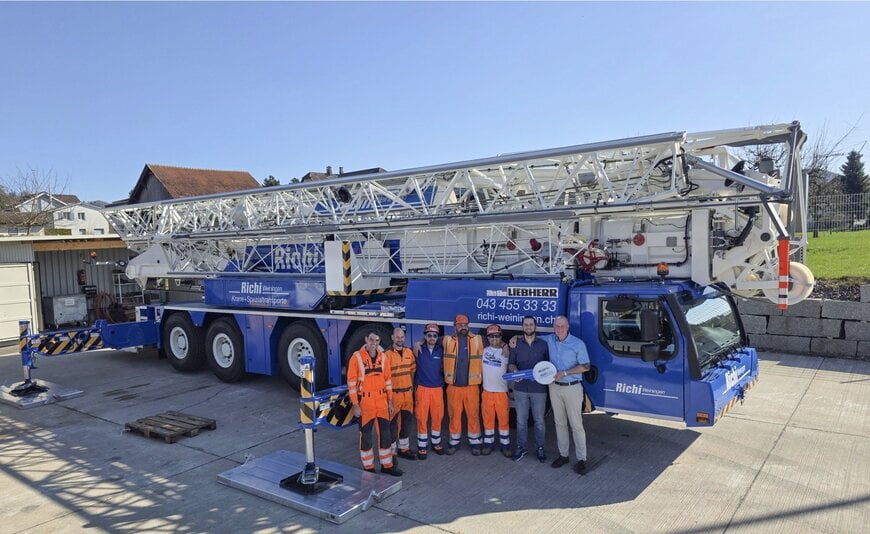
In urban construction, timber building, roofing, and landscaping projects, mobile cranes must combine compact site footprints with sufficient lifting capacity and low emissions. Richi AG, a Swiss construction logistics and crane service provider based in Weiningen (Canton Zurich), modernised its lifting fleet to address these operational requirements.
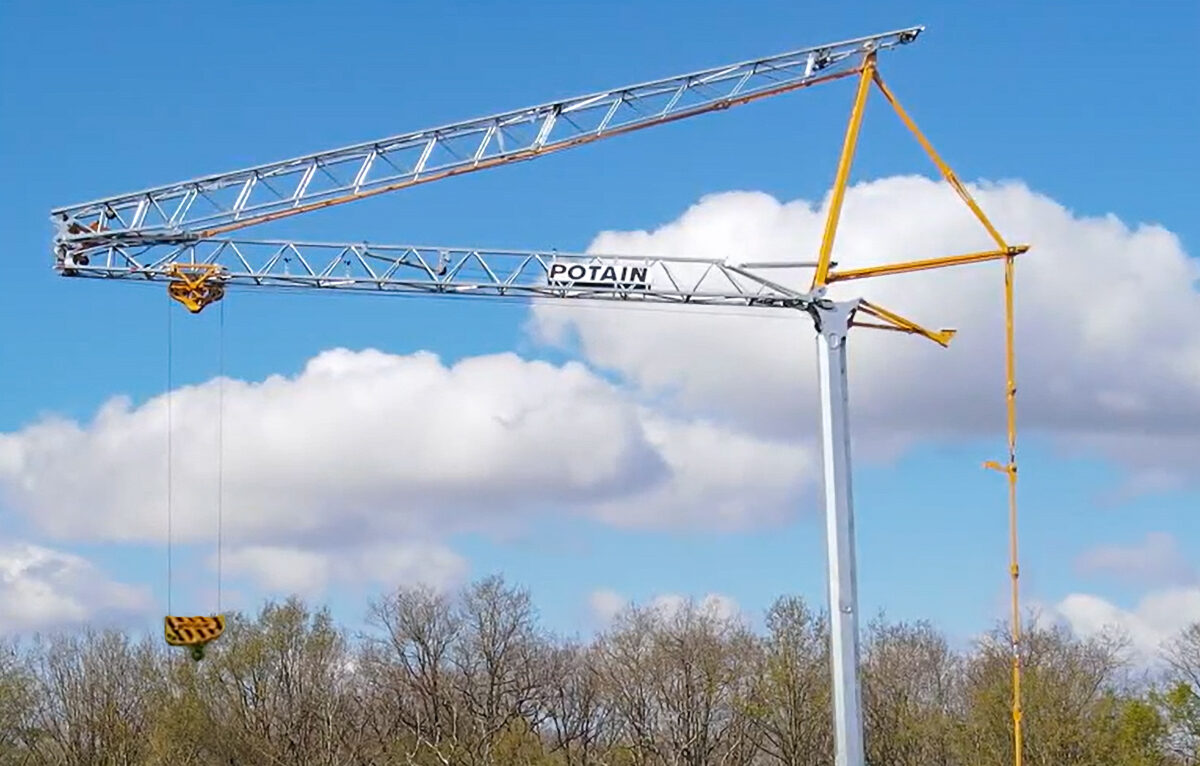
The company introduced a new Liebherr mobile construction crane to replace a 19-year-old unit, aiming to improve lifting performance, reduce emissions on urban job sites, and maintain operational flexibility. The selected solution was the Liebherr MK 120-5.1E mobile construction crane with electric drive capability.
Fleet replacement driven by utilisation and emission requirements
Richi AG has used Liebherr mobile construction cranes for approximately two decades, primarily due to their suitability for projects requiring rapid deployment, limited site space, and flexible logistics. High utilisation rates of the existing fleet supported the decision to replace the older MK 100 model with a newer crane.
A key selection criterion was the availability of an electric crane drive. The MK series has been designed for electric operation since its introduction approximately 25 years ago, allowing cranes to operate either through an integrated diesel generator or directly from site power.
With a 63-amp external power connection, the MK 120-5.1E can operate using on-site electricity, reducing local emissions and noise compared to diesel operation. This capability supports construction projects where environmental constraints or local regulations require reduced emissions.
Lifting capacity and reach supporting specialised contractors
The replacement crane provides higher lifting performance compared to the previous model. With a 3-tonne additional counterweight, the MK 120-5.1E can lift 2.1 tonnes at a maximum radius of 52 metres, supporting applications requiring long outreach over buildings or obstacles.
These technical characteristics allow the crane to support contractors such as carpenters, timber construction companies, roofing specialists, and garden and landscape contractors. The crane also fills a performance gap between truck-mounted loader cranes and smaller mobile construction cranes already in operation.
Fast setup and compact footprint for short-duration projects
Operational flexibility was another factor influencing the investment decision. The crane is designed for rapid setup and requires limited installation space, making it suitable for short-duration construction work and projects in confined urban environments.
These characteristics support higher equipment utilisation across multiple project types while maintaining efficient logistics between sites.
Operator involvement in equipment selection
The procurement process also included input from crane operators regarding model selection and configuration. This approach aimed to ensure operational suitability and support workforce acceptance of the new equipment.
By replacing an older crane with a higher-capacity electric model, Richi AG strengthened its lifting fleet capabilities while aligning equipment selection with operational efficiency and environmental requirements in construction logistics.
Edited by industrial journalist Aishwarya Mambet, with AI-assistance.
www.liebherr.com
Powered by
Induportals Media Publishing