JCB Introduces Renewable Fuel Option for Excavators
Compatibility with 100% biodiesel enables lower lifecycle emissions in construction equipment without requiring changes to engine architecture or site refuelling practices. www.jcb.com Construction, earthmoving, and infrastructure sectors are seeking practical solutions to reduce emissions from diesel-powered machinery, leading JCB to introduce compatibility with B100 biodiesel across selected tracked excavators in Europe. The development enables machines to operate on a fuel derived entirely from renewable sources, without requiring a shift to new drivetrain technologies. The B100 fuel—also known as Fatty Acid Methyl Ester (FAME)—is produced from recycled vegetable oils through transesterification and contains no fossil diesel. From June 2026, newly manufactured JCB 140X, 145XR, 150X, 220X, and 245XR models can be specified to run on this fuel, marking a shift beyond the lower biodiesel blends commonly approved in the industry. Extending Fuel Compatibility Beyond Conventional Biodiesel Blends Most engine manufacturers currently approve biodiesel blends such as B10 or B20, where biodiesel represents only a fraction of the fuel composition. In contrast, B100 consists entirely of biodiesel, requiring additional validation to ensure compatibility with engine components, fuel systems, and long-term durability. JCB has carried out a dedicated testing and validation programme in collaboration with Syntech Biofuel to support the use of Syntech ASB B100 in its X Series excavators. The fuel complies with BS EN 14214 standards and is certified under the International Sustainability and Carbon Certification (ISCC) scheme, ensuring traceability and sustainability of feedstocks. Emissions Reduction Without Drivetrain Modification The adoption of B100 biodiesel provides a pathway for reducing greenhouse gas emissions without replacing existing diesel engines. When operating with compliant fuel, emissions can be reduced by up to 93% compared to conventional diesel, depending on lifecycle assessment conditions. This approach allows contractors to lower emissions using existing machine architectures, avoiding the infrastructure and operational changes associated with electrification or hydrogen systems. It is particularly relevant for heavy-duty applications where energy density and refuelling flexibility remain critical. Operational Flexibility and Retrofit Considerations Machines equipped with a B100 pack are supported by a manufacturer-backed warranty when used with compliant fuel and appropriate service agreements. In addition, the system allows for conversion back to standard diesel operation, maintaining flexibility for resale and use in regions where B100 availability may be limited. This reversible configuration addresses a key constraint in alternative fuel adoption—ensuring that equipment retains compatibility with conventional fuel supply chains while enabling operators to transition toward renewable options where feasible. Position Within Low-Emission Equipment Strategies The introduction of B100-compatible excavators complements other low-emission technologies such as battery-electric and hydrogen combustion systems. While those solutions require dedicated infrastructure or new machine platforms, B100 biodiesel offers an incremental approach that can be deployed within existing fleets. For contractors managing mixed fleets or operating across regions with varying energy infrastructure, this fuel flexibility provides an additional route to meet emissions targets while maintaining operational continuity. Edited by Natania Lyngdoh, Induportals Editor — Adapted by AI. www.jcb.com Powered by Induportals Media Publishing
 machineryasia
Compatibility with 100% biodiesel enables lower lifecycle emissions in construction equipment without requiring changes to engine architecture or site refuelling practices.
www.jcb.com
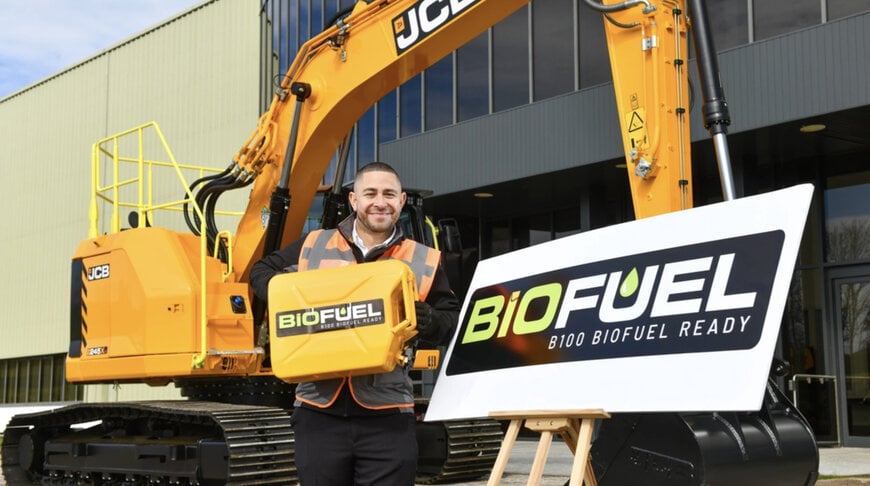
Construction, earthmoving, and infrastructure sectors are seeking practical solutions to reduce emissions from diesel-powered machinery, leading JCB to introduce compatibility with B100 biodiesel across selected tracked excavators in Europe. The development enables machines to operate on a fuel derived entirely from renewable sources, without requiring a shift to new drivetrain technologies.
The B100 fuel—also known as Fatty Acid Methyl Ester (FAME)—is produced from recycled vegetable oils through transesterification and contains no fossil diesel. From June 2026, newly manufactured JCB 140X, 145XR, 150X, 220X, and 245XR models can be specified to run on this fuel, marking a shift beyond the lower biodiesel blends commonly approved in the industry.
Extending Fuel Compatibility Beyond Conventional Biodiesel Blends
Most engine manufacturers currently approve biodiesel blends such as B10 or B20, where biodiesel represents only a fraction of the fuel composition. In contrast, B100 consists entirely of biodiesel, requiring additional validation to ensure compatibility with engine components, fuel systems, and long-term durability.
JCB has carried out a dedicated testing and validation programme in collaboration with Syntech Biofuel to support the use of Syntech ASB B100 in its X Series excavators. The fuel complies with BS EN 14214 standards and is certified under the International Sustainability and Carbon Certification (ISCC) scheme, ensuring traceability and sustainability of feedstocks.
Emissions Reduction Without Drivetrain Modification
The adoption of B100 biodiesel provides a pathway for reducing greenhouse gas emissions without replacing existing diesel engines. When operating with compliant fuel, emissions can be reduced by up to 93% compared to conventional diesel, depending on lifecycle assessment conditions.
This approach allows contractors to lower emissions using existing machine architectures, avoiding the infrastructure and operational changes associated with electrification or hydrogen systems. It is particularly relevant for heavy-duty applications where energy density and refuelling flexibility remain critical.
Operational Flexibility and Retrofit Considerations
Machines equipped with a B100 pack are supported by a manufacturer-backed warranty when used with compliant fuel and appropriate service agreements. In addition, the system allows for conversion back to standard diesel operation, maintaining flexibility for resale and use in regions where B100 availability may be limited.
This reversible configuration addresses a key constraint in alternative fuel adoption—ensuring that equipment retains compatibility with conventional fuel supply chains while enabling operators to transition toward renewable options where feasible.
Position Within Low-Emission Equipment Strategies
The introduction of B100-compatible excavators complements other low-emission technologies such as battery-electric and hydrogen combustion systems. While those solutions require dedicated infrastructure or new machine platforms, B100 biodiesel offers an incremental approach that can be deployed within existing fleets.
For contractors managing mixed fleets or operating across regions with varying energy infrastructure, this fuel flexibility provides an additional route to meet emissions targets while maintaining operational continuity.
Edited by Natania Lyngdoh, Induportals Editor — Adapted by AI.
www.jcb.com
Powered by
Induportals Media Publishing